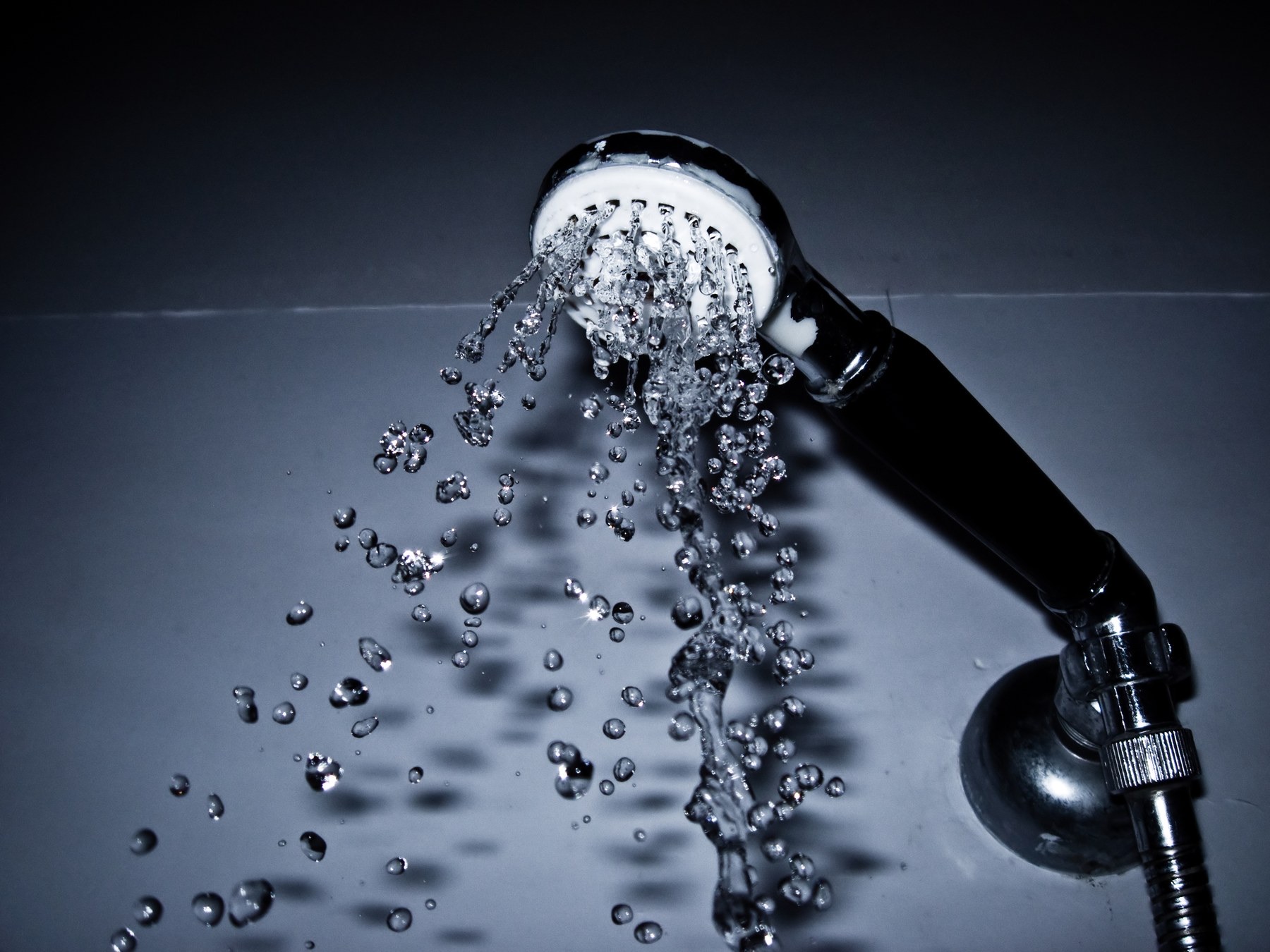
Myth: A bath uses more water than a shower
Everyone knows a shower saves water. The numbers say it depends on the shower head, the minutes and the size of the bath, and that the modern power shower has quietly overturned the rule. What a bath and a shower actually use, how to know which side of the line you are on, and why the water is the smaller half of the story.
Of all the water advice that everyone has absorbed without checking, the rule that a shower uses less water than a bath is the most confidently repeated. It was true when it was coined, in an age of trickling electric showers and deep enamel baths, and it is the reason a generation of people feel virtuous under the shower and guilty in the tub. The numbers have moved since. This article measures both, finds where the line falls, and then points out that the water was never the larger half of the question.
The claim
A shower uses less water than a bath. Stated as a rule, without conditions, and usually followed by a suggestion that a bath is an indulgence.
What a bath holds
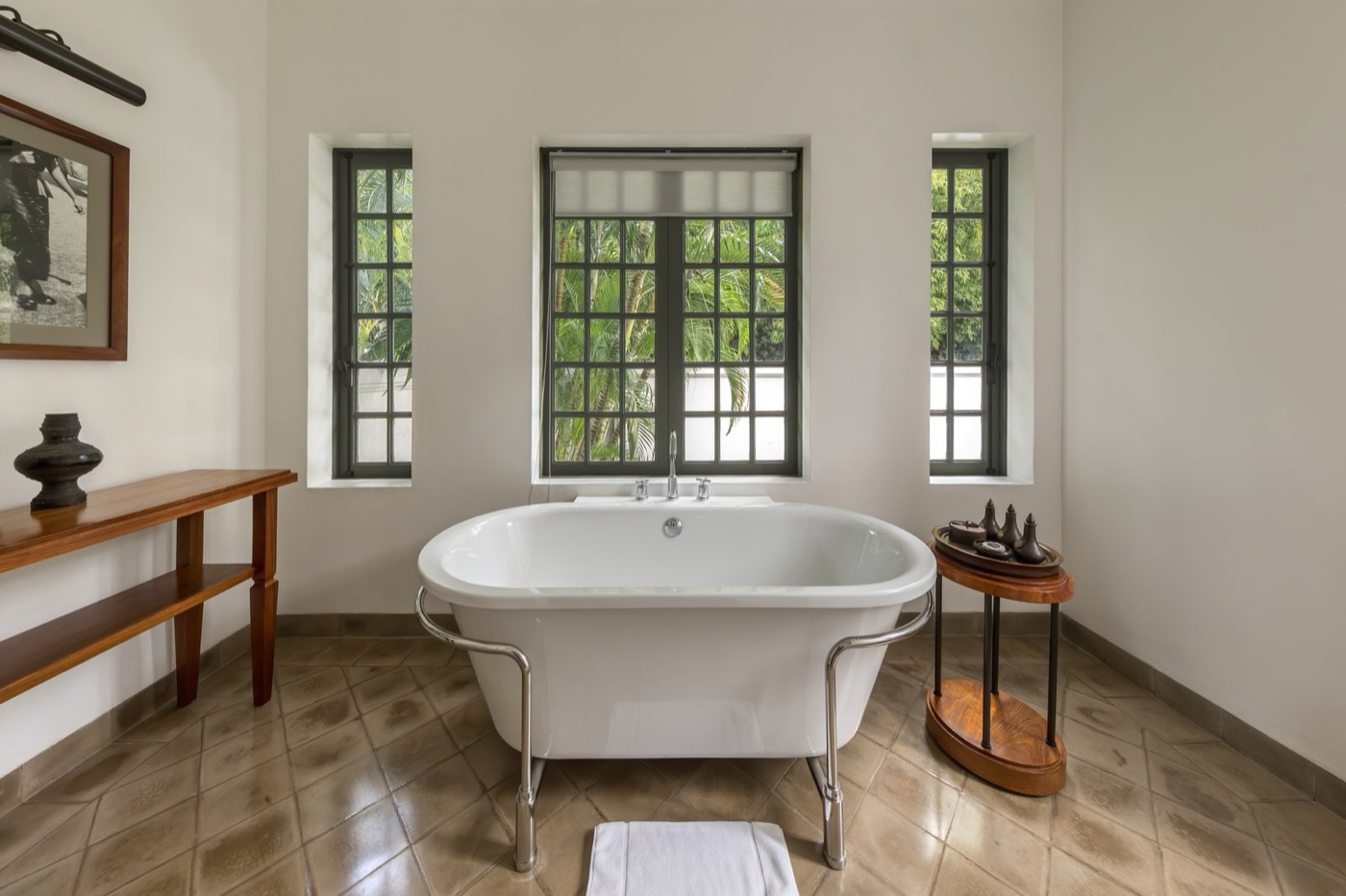
A standard bath, the kind fitted in most European homes, holds about 80 litres when filled to a normal bathing depth, and up to about 120 if filled to the overflow. A large or deep bath holds 150 or more. A shallow bath, run for a child, might be 40. The volume is fixed by the bath and the depth, and it does not change with how long the person stays in it, which is the bath's quiet advantage.
| Bath | Litres |
|---|---|
| Shallow, for a child | About 40 |
| Standard, filled to bathing depth | About 80 |
| Standard, filled to the overflow | About 120 |
| Large or deep bath | 150 or more |
What a shower uses
A shower's water is its flow rate multiplied by its minutes, and both vary more than most people realise.
An old style electric shower, heating water as it passes through a small element, delivers 4 to 6 litres a minute, which is the trickle the rule was built on. A modern mixer shower, fed from a hot water cylinder or a combination boiler, delivers 8 to 10. A power shower, with a pump, delivers 13 to 16 or more, and the large rainfall heads sold for luxury bathrooms can pass 20. The minutes are the other half: surveys in Britain put the average shower at about seven and a half minutes, and teenagers, as every parent knows, at considerably more.
| Shower | Litres a minute | Five minutes | Eight minutes | Twelve minutes |
|---|---|---|---|---|
| Electric shower | About 5 | 25 | 40 | 60 |
| Mixer shower | 8 to 10 | 40 to 50 | 65 to 80 | 95 to 120 |
| Power shower | 13 to 16 | 65 to 80 | 105 to 130 | 155 to 190 |
| Large rainfall head | Up to 20 | 100 | 160 | 240 |
Where the line falls
Put the two tables together and the rule dissolves.
A five minute shower under any head uses less than a standard bath. An eight minute shower under a mixer, which is the average British shower under the commonest kind of head, uses about 80 litres, which is the bath. An eight minute power shower uses more than the bath, and a twelve minute one under a rainfall head uses three baths. The shower wins clearly only when it is short, or the head is modest, and it loses clearly when it is long and the head is generous, which describes a great many modern bathrooms.
| The verdict | |
|---|---|
| Short shower, any head | The shower wins |
| Average shower, mixer head | Level with a bath |
| Average shower, power shower | The bath wins |
| Long shower, any modern head | The bath wins, sometimes by a lot |
The verdict, then, is that it depends, and that the modern shower has quietly overturned a rule that was written for a different appliance. A person who takes long showers under a power shower and feels virtuous about skipping baths has the sums the wrong way round.
How to know which side you are on
The line is easy to find at home, with a bucket and a watch.
Put a bucket under the shower head, run the shower as you normally would, and time how long it takes to collect ten litres; a bucket usually has a mark. Divide, and that is the flow rate in litres a minute. Then time an ordinary shower, from turning on to turning off. Multiply the two, and compare with 80. Under it, the shower is the economical choice. Over it, the bath was, all along, and the cheaper fix is a shorter shower or a lower flow head rather than a change of habit.
Low flow shower heads, which mix air into the water to keep the feel of a full spray at 6 to 8 litres a minute, are the single most effective change, and they cost a few tens of euros. A shower timer, of the kind Cape Town's households used in 2018 as the Day Zero article describes, is the second. The city that cut its water use in half did it largely by cutting its showers to two minutes, which is 20 litres under any head.
The larger half of the story
Water is the smaller half of a bath or a shower, and it is worth saying so in an article about water.
Every litre of hot water in a home was heated, by gas, oil or electricity, from the temperature of the mains to about forty degrees, and heating water is the largest use of energy in most homes after heating the rooms, somewhere around a sixth of the household's total. A litre of hot water costs far more in energy than in water, and it carries a carbon cost that the water itself does not. So the question of bath against shower, honestly asked, is about hot litres, and the answer is the same as before: fewer minutes and a lower flow head save more than any choice between the two fixtures.
There is also the water's journey, which the rest of this series describes. Every litre that went down the bath or shower drain is greywater, lightly used and warm, and in a house with the plumbing for it, described in the greywater article, it would have flushed the toilet before it left.
The rest of the bathroom
The bath and the shower are the largest uses of water in a home, and they are not the only ones, and the rest of the room is worth measuring while the bucket is out.
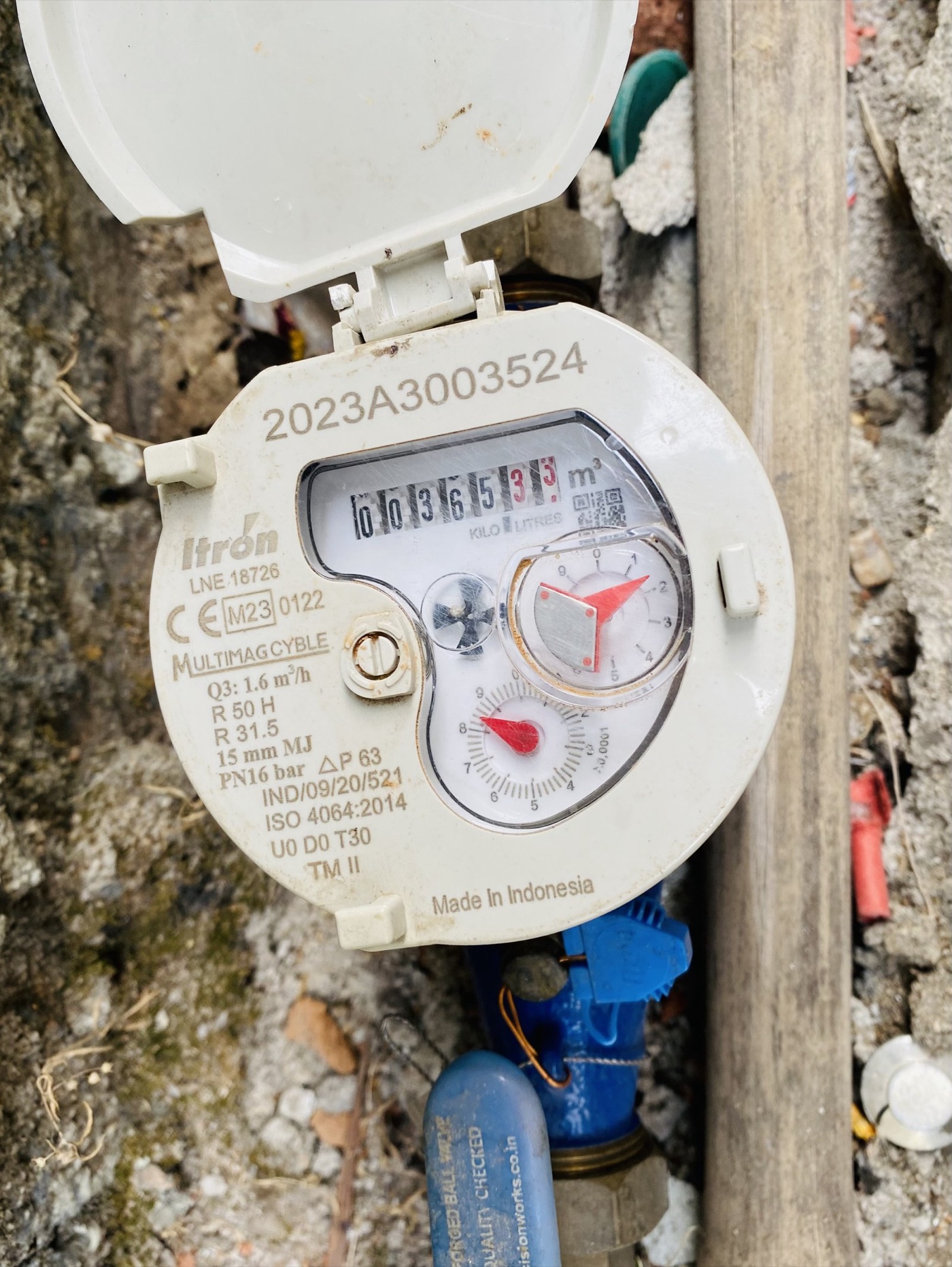
The toilet is the second largest, at around a quarter of household water. An old cistern uses 9 to 13 litres a flush; a modern dual flush uses 4 to 6, and swapping one for the other saves more than most changes to showering. A running tap delivers about 6 litres a minute, so brushing teeth with the tap open for two minutes uses 12, which is a short shower's worth every morning and evening. A washing machine uses around 50 litres a cycle, a dishwasher around 10 to 15, and both use less than the same job done by hand under a running tap. A dripping tap loses several litres a day, and a leaking cistern, which is common and silent, can lose hundreds.
| The rest of the home, per use | Litres |
|---|---|
| Old toilet cistern, per flush | 9 to 13 |
| Modern dual flush, per flush | 4 to 6 |
| Tap running, per minute | About 6 |
| Washing machine, per cycle | About 50 |
| Dishwasher, per cycle | 10 to 15 |
| A person in Britain, per day, all uses | About 140 |
A person in Britain uses about 140 litres a day at home, of which the bathroom is well over half. Cape Town's households, in 2018, lived on 50. The gap between the two numbers is almost entirely the shower and the toilet, and the bucket, the timer and the dual flush cistern are the whole of the difference.
The bath's other trick
A bath has one more property that the rule never mentions: its water is still there when the bather gets out. Eighty litres of warm, lightly soapy greywater sits in the tub, and in a house with a garden, a bucket and a little patience, it waters the beds, rinses the paths or, as Cape Town's households found in 2018, flushes the toilet for the rest of the day. A shower's water is gone down the drain the moment it has done its work. Neither fact changes the arithmetic of the rule, but a bath that is used twice is, on the day, the more economical of the two by a wide margin, and in a drought it is the one the water industry quietly recommends.
Where the rule came from
The rule dates from the 1970s and 1980s, when the electric shower arrived in British and European bathrooms as a cheap alternative to a hot water cylinder, and it was true of that appliance: a small element could heat only a trickle, four or five litres a minute, and a five minute wash under it used a quarter of a bath. The water companies and the energy campaigns of the period repeated it, reasonably, and it entered the culture. The mixer shower, the combination boiler and then the pumped power shower followed over the next thirty years, each delivering more water than the last, and the rule was never revised. It is a good example of advice that was measured once, for one appliance, and repeated for forty years about a different one.
The nuance
The rule holds in some cases. It is right for the appliance it was written for: a short shower under a modest head against a full bath. It was right for most bathrooms in 1980. It is wrong for a great many bathrooms in 2026, and it is wrong in a way that flatters the person breaking it.
A bath is a fixed 80 litres, decided by the bath. A shower is a variable, decided by the head and the person, and it can be 20 litres or 250. That is the whole finding. The bath does not deserve its reputation, and the shower does not deserve its halo; the number is in the minutes, and the bucket will tell you what yours is.
Sources
- Waterwise (UK) and the Energy Saving Trust, At Home with Water (2013): bath volumes, shower flow rates, average shower duration of about seven and a half minutes, and hot water as a share of household energy.
- Energy Saving Trust: typical mixer shower 8 to 10 litres a minute; power showers 13 to 16 litres a minute or more; a standard bath about 80 litres.
- European Commission ecodesign and water label data: flow rates of shower heads and taps.
- Photographs: opener: High speed shower filtered by turydddu @ Flickr, retouched by JovanCormac (CC BY) via Wikimedia Commons; inline: Bathtub of Khan Pool Suite in Amantaka luxury Resort & Hotel in Luang Prabang Laos by Basile Morin (CC BY-SA) via Wikimedia Commons; inline: Itron Water Meter by Ganesh Dhamodkar (CC BY) via Wikimedia Commons.