Myth
Things everybody knows about water that turn out to be wrong, or only half right.
Water attracts confident beliefs. Rain is pure. Bottled water is safer. The water cycle means water cannot run out. Desalination is the answer. A bath uses more than a shower. Each of these is repeated often enough to feel like knowledge, and each is wrong, or right in a way that does not matter.
These articles take one belief at a time, say what is true in it, and then show where it fails and why. The aim is to leave the reader with a better sentence than the one they arrived with, and with the numbers that support it.
They are short on outrage and long on arithmetic, because most water myths survive on a true fact stretched past the point where it holds.
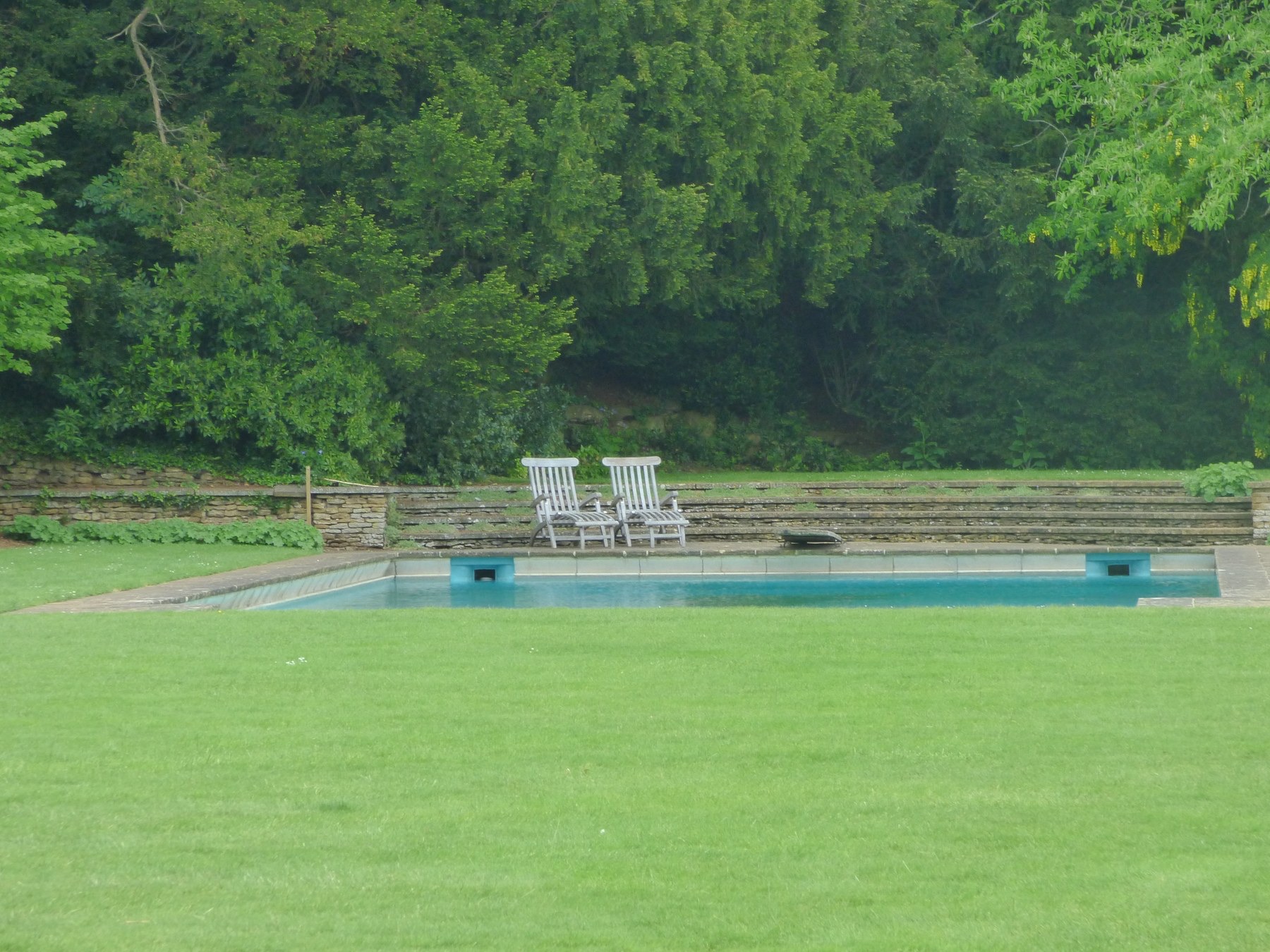 Myth: A Swimming Pool Wastes More Water Than a Lawn
The pool is the first thing a neighbour points at in a drought, and in the dry cities where both are common the lawn it replaced uses more. What a pool loses to evaporation and what a lawn loses to the same sun, why the fill is a one time cost and the sprinkler is not, what a cover changes, what the Phoenix and Perth studies found when they measured both, what a pool sends to the drain, and why the honest comparison is not pool against lawn but either against gravel.
26 September 2026
Myth: A Swimming Pool Wastes More Water Than a Lawn
The pool is the first thing a neighbour points at in a drought, and in the dry cities where both are common the lawn it replaced uses more. What a pool loses to evaporation and what a lawn loses to the same sun, why the fill is a one time cost and the sprinkler is not, what a cover changes, what the Phoenix and Perth studies found when they measured both, what a pool sends to the drain, and why the honest comparison is not pool against lawn but either against gravel.
26 September 2026
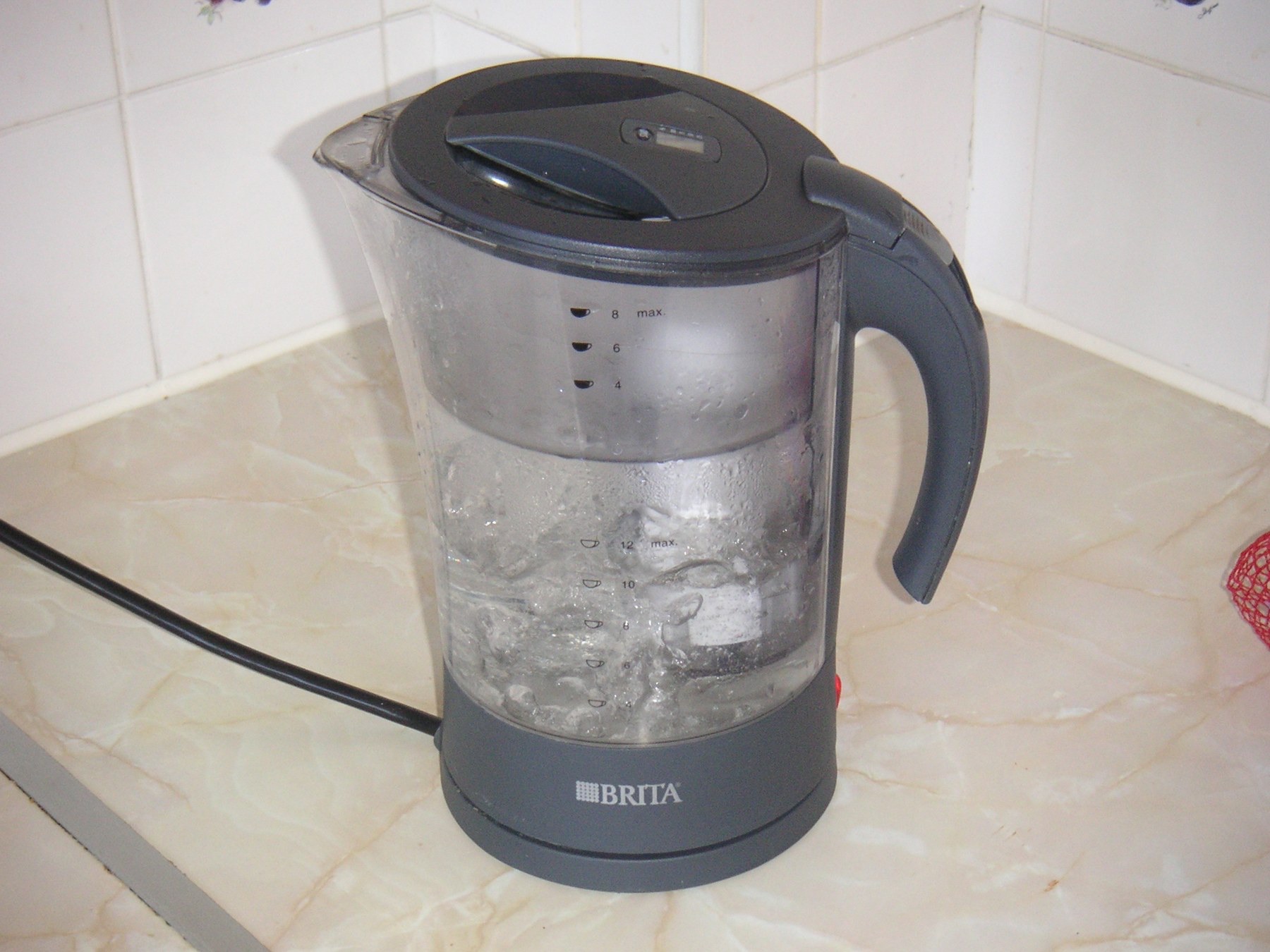 Myth: Reboiling Water Makes It Harmful
The warning that boiling water twice concentrates arsenic, nitrate and fluoride into something dangerous has gone round the internet for a decade, and the arithmetic does not support it. What boiling actually does to water, how much evaporates in a kettle and what that means for what is left, why reboiled tea tastes flat and why that is a different thing, what does build up in a kettle, and what the small true part of the warning is about.
25 September 2026
Myth: Reboiling Water Makes It Harmful
The warning that boiling water twice concentrates arsenic, nitrate and fluoride into something dangerous has gone round the internet for a decade, and the arithmetic does not support it. What boiling actually does to water, how much evaporates in a kettle and what that means for what is left, why reboiled tea tastes flat and why that is a different thing, what does build up in a kettle, and what the small true part of the warning is about.
25 September 2026
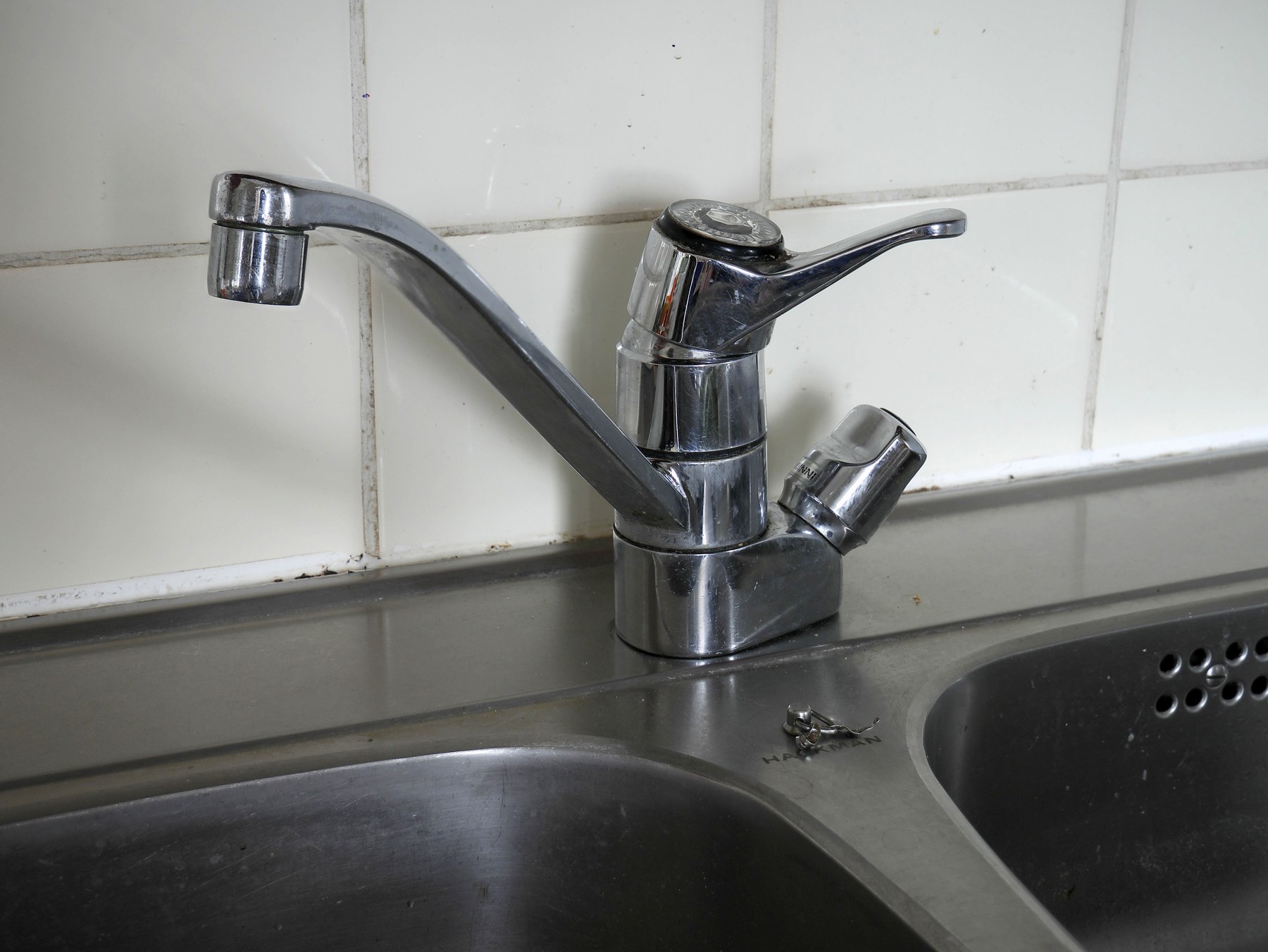 Myth: Water from the Hot Tap Is Fine to Drink
Filling the kettle or the pasta pot from the hot tap saves a minute, and every water utility and every plumbing code says not to do it. Why the water from the hot tap is different from the water from the cold, what a hot water tank does to what sits in it, why hot water pulls more lead and copper out of a pipe, where the advice comes from and where it is out of date, and what the two taps in a kitchen are actually for.
24 September 2026
Myth: Water from the Hot Tap Is Fine to Drink
Filling the kettle or the pasta pot from the hot tap saves a minute, and every water utility and every plumbing code says not to do it. Why the water from the hot tap is different from the water from the cold, what a hot water tank does to what sits in it, why hot water pulls more lead and copper out of a pipe, where the advice comes from and where it is out of date, and what the two taps in a kitchen are actually for.
24 September 2026
 Myth: A Filter Jug Makes Tap Water Safer
Millions of kitchens have a plastic jug with a carbon cartridge in it, bought on the belief that it makes the tap water safer to drink, and what it mostly does is take out the chlorine that was keeping it safe. What is in a filter cartridge, what it removes and what it leaves, why the water in the jug can carry more bacteria than the water from the tap, what the jug is actually good for, and when a filter is the right answer.
23 September 2026
Myth: A Filter Jug Makes Tap Water Safer
Millions of kitchens have a plastic jug with a carbon cartridge in it, bought on the belief that it makes the tap water safer to drink, and what it mostly does is take out the chlorine that was keeping it safe. What is in a filter cartridge, what it removes and what it leaves, why the water in the jug can carry more bacteria than the water from the tap, what the jug is actually good for, and when a filter is the right answer.
23 September 2026
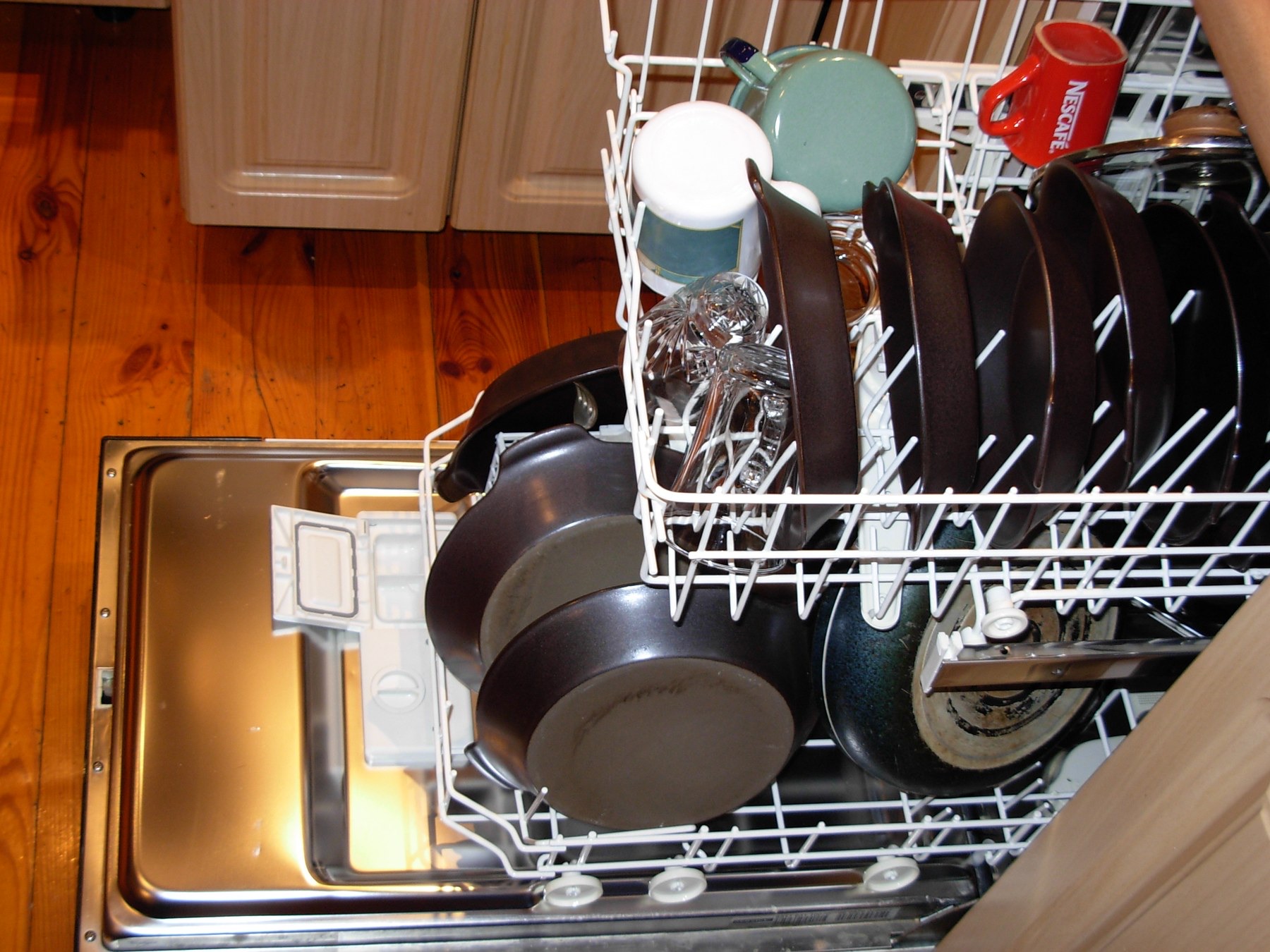 Myth: Washing Up by Hand Saves Water
Everyone knows a dishwasher is a luxury that wastes water, and the numbers say the opposite: a full modern machine uses about ten litres a load, and a person at the sink with the tap running uses several times that. Where the kitchen's water goes, why the machine wins and when it does not, what the tap and the bowl have to do with it, and why the answer is the same as for the shower and the bath.
22 September 2026
Myth: Washing Up by Hand Saves Water
Everyone knows a dishwasher is a luxury that wastes water, and the numbers say the opposite: a full modern machine uses about ten litres a load, and a person at the sink with the tap running uses several times that. Where the kitchen's water goes, why the machine wins and when it does not, what the tap and the bowl have to do with it, and why the answer is the same as for the shower and the bath.
22 September 2026
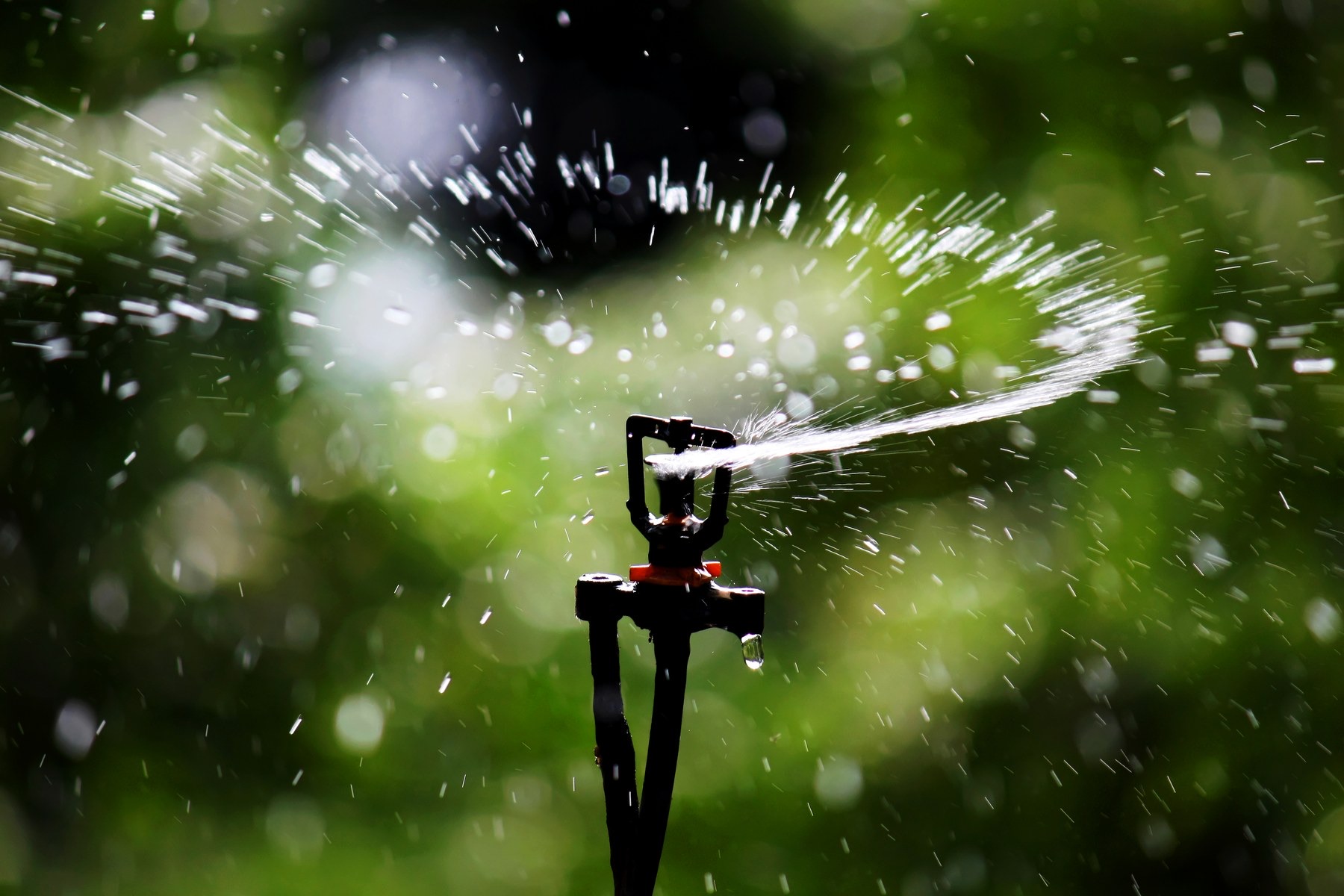 Myth: A Lawn Is Harmless
A lawn looks like nature and behaves like a crop. Turf grass is the largest irrigated crop in the United States, ahead of corn, and a square metre of it in a dry climate drinks as much water as a square metre of wheat while producing nothing that can be eaten. What a lawn's water is, why the grass in a desert suburb is the least defensible water use on this site, why Las Vegas banned it, and what the alternatives look like.
22 September 2026
Myth: A Lawn Is Harmless
A lawn looks like nature and behaves like a crop. Turf grass is the largest irrigated crop in the United States, ahead of corn, and a square metre of it in a dry climate drinks as much water as a square metre of wheat while producing nothing that can be eaten. What a lawn's water is, why the grass in a desert suburb is the least defensible water use on this site, why Las Vegas banned it, and what the alternatives look like.
22 September 2026
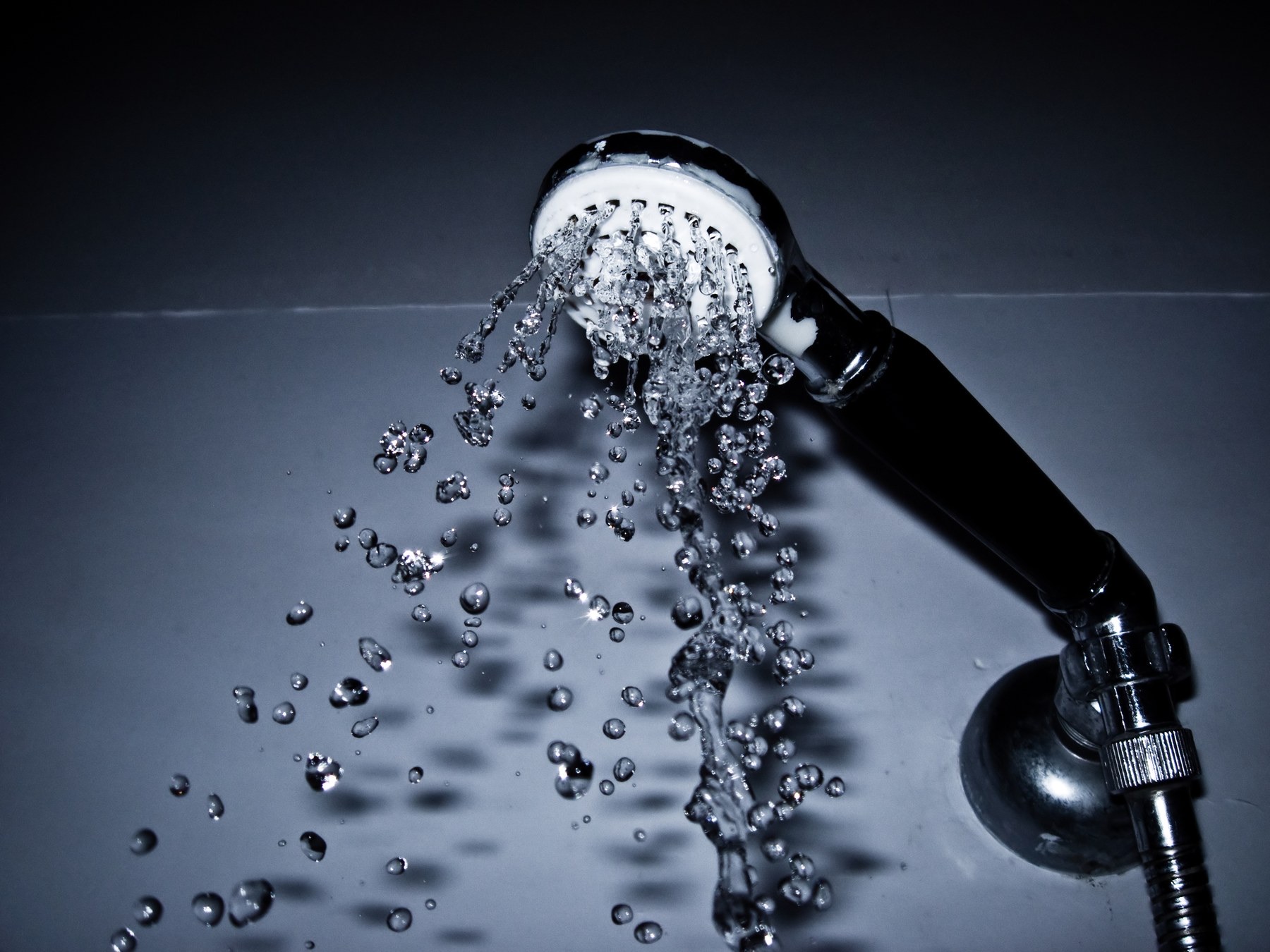 Myth: A bath uses more water than a shower
Everyone knows a shower saves water. The numbers say it depends on the shower head, the minutes and the size of the bath, and that the modern power shower has quietly overturned the rule. What a bath and a shower actually use, how to know which side of the line you are on, and why the water is the smaller half of the story.
21 September 2026
Myth: A bath uses more water than a shower
Everyone knows a shower saves water. The numbers say it depends on the shower head, the minutes and the size of the bath, and that the modern power shower has quietly overturned the rule. What a bath and a shower actually use, how to know which side of the line you are on, and why the water is the smaller half of the story.
21 September 2026
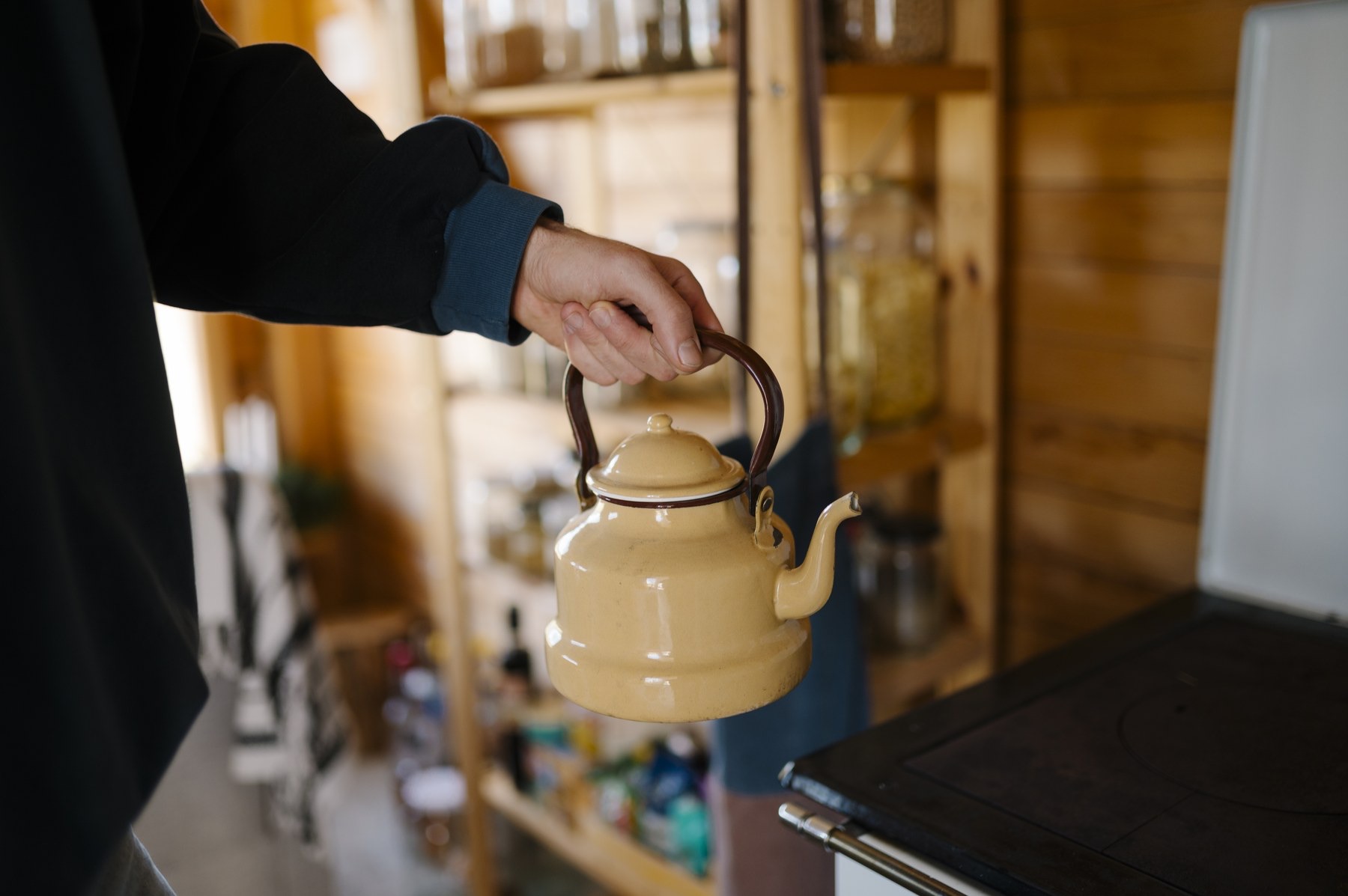 Myth: Boiling water removes everything
A rolling boil is the oldest water treatment there is, and it does one job perfectly: it kills. What boiling does to the microbes, what it leaves untouched, what it makes slightly worse, and why a boil water notice and a lead pipe warning are asking for two different things.
21 September 2026
Myth: Boiling water removes everything
A rolling boil is the oldest water treatment there is, and it does one job perfectly: it kills. What boiling does to the microbes, what it leaves untouched, what it makes slightly worse, and why a boil water notice and a lead pipe warning are asking for two different things.
21 September 2026
 Myth: Desalination Is the Answer
The sea holds ninety seven percent of the water on Earth, the technology to make it fresh has existed for sixty years and its cost has fallen by two thirds, so the world's water problem is surely a matter of building enough plants. It is a comforting thought and a wrong one, for reasons of energy, brine, distance and, above all, arithmetic: desalination makes about one percent of the water people use, and the other ninety nine is mostly on farms it cannot reach.
21 September 2026
Myth: Desalination Is the Answer
The sea holds ninety seven percent of the water on Earth, the technology to make it fresh has existed for sixty years and its cost has fallen by two thirds, so the world's water problem is surely a matter of building enough plants. It is a comforting thought and a wrong one, for reasons of energy, brine, distance and, above all, arithmetic: desalination makes about one percent of the water people use, and the other ninety nine is mostly on farms it cannot reach.
21 September 2026
 Myth: Flushable wipes are flushable
The word on the packet is legal, and the sewer disagrees with it. What a wet wipe is made of, what happens to it after the flush, how a fatberg is built, and why the water industry has spent a decade asking for one word to be taken off the label.
21 September 2026
Myth: Flushable wipes are flushable
The word on the packet is legal, and the sewer disagrees with it. What a wet wipe is made of, what happens to it after the flush, how a fatberg is built, and why the water industry has spent a decade asking for one word to be taken off the label.
21 September 2026
 Myth: Rain Is Pure Water
Rain is distilled by the sun, and it arrives carrying almost nothing dissolved, which is the closest thing to pure water most people will ever touch. It is also the dirtiest water in the sky by the time it reaches the ground, and what happens to it on the roof and in the barrel is the whole question. Why rain is soft, what it picks up, why it is now over the PFAS limit everywhere on Earth, and how to drink it safely anyway.
21 September 2026
Myth: Rain Is Pure Water
Rain is distilled by the sun, and it arrives carrying almost nothing dissolved, which is the closest thing to pure water most people will ever touch. It is also the dirtiest water in the sky by the time it reaches the ground, and what happens to it on the roof and in the barrel is the whole question. Why rain is soft, what it picks up, why it is now over the PFAS limit everywhere on Earth, and how to drink it safely anyway.
21 September 2026
 Myth: Water Can't Run Out
The water cycle is taught to every child, and the lesson most of them take from it is that water goes round and round and can never be used up. The first part is true. The second part is the most comforting mistake in the subject, and this site exists partly to correct it. What runs out, where, and how fast.
21 September 2026
Myth: Water Can't Run Out
The water cycle is taught to every child, and the lesson most of them take from it is that water goes round and round and can never be used up. The first part is true. The second part is the most comforting mistake in the subject, and this site exists partly to correct it. What runs out, where, and how fast.
21 September 2026
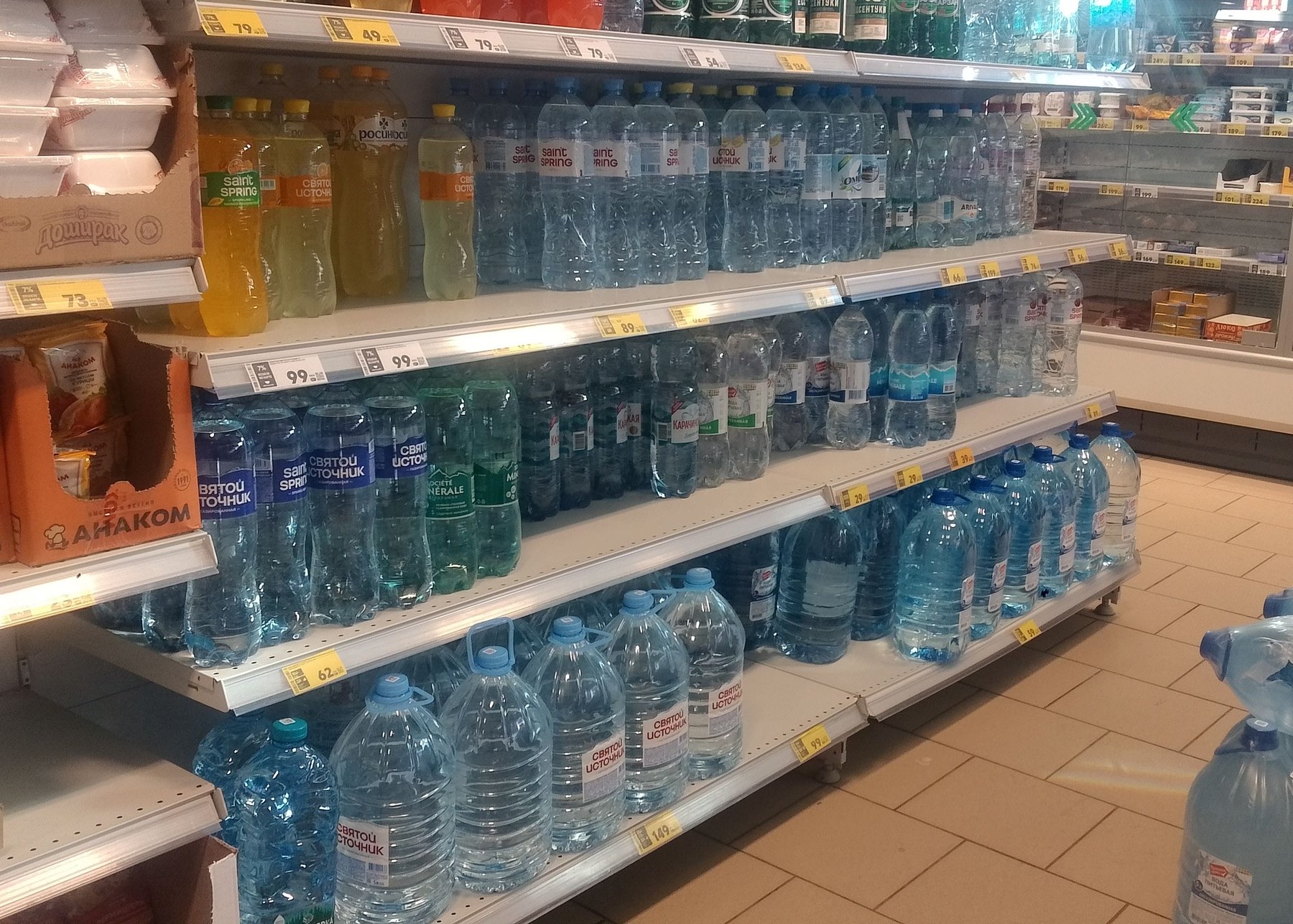 Myth: Bottled water is cleaner than tap
In most of Europe the claim does not hold, and the reason has nothing to do with plastic or purity. Tap water and bottled water are governed by different laws, tested in different ways and protected on the journey to the glass by different things. Reading the rules changes the argument.
6 August 2026
Myth: Bottled water is cleaner than tap
In most of Europe the claim does not hold, and the reason has nothing to do with plastic or purity. Tap water and bottled water are governed by different laws, tested in different ways and protected on the journey to the glass by different things. Reading the rules changes the argument.
6 August 2026