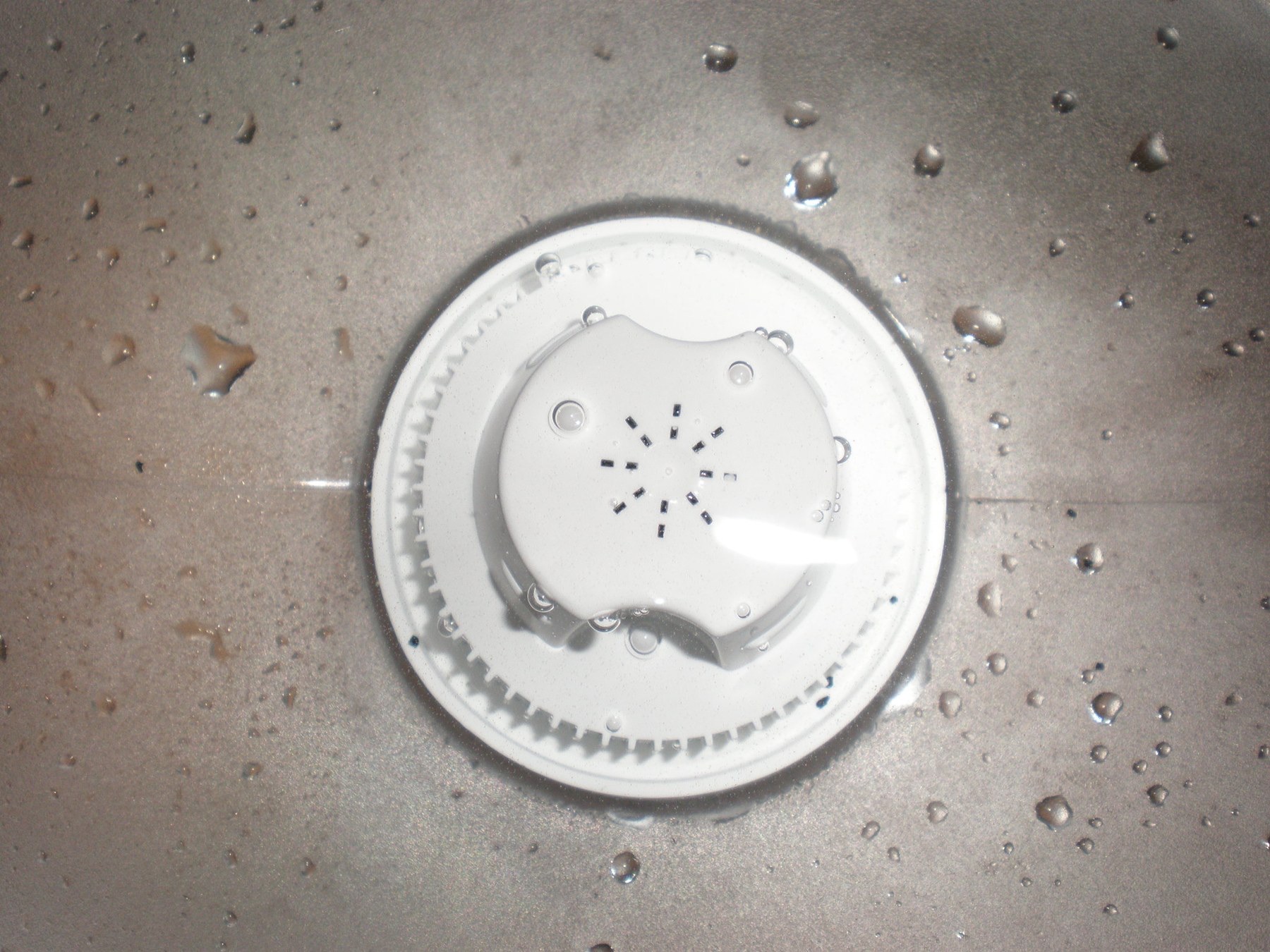
Myth: A Filter Jug Makes Tap Water Safer
Millions of kitchens have a plastic jug with a carbon cartridge in it, bought on the belief that it makes the tap water safer to drink, and what it mostly does is take out the chlorine that was keeping it safe. What is in a filter cartridge, what it removes and what it leaves, why the water in the jug can carry more bacteria than the water from the tap, what the jug is actually good for, and when a filter is the right answer.
There is a jug in the fridge of millions of kitchens with a cartridge in its neck, and the water is poured through it before it is drunk on the belief that the cartridge makes the water safer. It does not, in any way the word usually means. What the cartridge does is take out the chlorine, which is the thing that was keeping the water safe, and give it a bed of warm wet carbon in which to grow whatever the chlorine was holding back. The jug makes the water taste better. That is a real thing and worth having. Safety is a different thing, and the jug, for most of the reasons water is unsafe, does nothing or makes it slightly worse. The distinction matters because the belief has a cost: people who trust the jug skip the test that would tell them whether their water has a problem, and people who need a real filter buy the one that was designed for a different job.
This article is about what is in a cartridge, what it removes and what it leaves, why the filtered water can carry more bacteria than the tap, what the jug is good for, and when a filter in the home is the right answer.
What is in the cartridge
A jug cartridge holds two things: granules of activated carbon, and beads of ion exchange resin, in roughly equal measure, held in a plastic shell with a mesh at each end. Water trickles through by gravity in a minute or two. The carbon adsorbs chlorine and the organic compounds that give water a taste or smell, and it does so well, which is why jug water tastes flat and clean. The resin swaps calcium and magnesium, the hardness, for hydrogen or sodium, which softens the water a little and stops the scale in the kettle, and it picks up some lead and copper in passing. That is the whole of it. A cartridge is a taste device, and the standard it is tested against, in the United States the one numbered 42, is a standard for taste and appearance, with a separate standard, 53, for things that affect health, to which most jugs are certified for one or two items, usually lead and the cysts of two parasites, and nothing more.
| What a jug filter does | |
|---|---|
| Chlorine and taste | Removed well; this is what it is for |
| Hardness | Reduced; less scale in the kettle |
| Lead and copper | Reduced, for a certified cartridge, while it is fresh |
| Nitrate | Not removed |
| Fluoride | Not removed |
| PFAS, most pesticides, pharmaceuticals | Not removed, or barely |
| Bacteria and viruses | Not removed; may be added |
What the tap already did
The water from a tap in a country with a regulated supply has been through the whole of the plain water pillar on this site: coagulation, filtration, disinfection, and the testing that the disinfection article describes, against a list of parameters that runs to fifty or more, at a compliance rate above 99.9 percent in Britain and the United States. The chlorine in it, at half a milligram a litre or less, is there so that whatever gets into the pipe between the works and the tap is killed before it is drunk. The water is safe when it leaves the tap, by the standards a jug is not tested against, and the jug's job is to remove the thing that the works added to keep it that way.
The exceptions are real and specific. A house with lead pipes, which the lead article on this site describes, has a problem the jug can reduce while the cartridge is fresh and the flow is slow. A well with nitrate has a problem the jug cannot touch. A town whose water has failed, in a boil notice or an outbreak, has a problem the jug cannot touch either, and the notice will say so.
The bacteria in the jug
The finding that surprised the researchers who first looked at it, in Germany in the 1990s, was that the water coming out of a jug in an ordinary kitchen carried more bacteria than the water going in, often many times more and in some jugs thousands of times. The reason is the carbon. Activated carbon is a vast surface, hundreds of square metres in a gram, kept wet at room temperature, collecting the organic matter that bacteria feed on, and with the chlorine that would have killed them removed at the first pass. Within days a biofilm forms, and after the four weeks that the manufacturers give the cartridge, and the eight or twelve that most people give it, the cartridge is releasing bacteria into every jug of water poured through it.
The bacteria are mostly harmless, the ones that live in any wet place, and a healthy adult drinks them without effect; the studies did not find outbreaks of illness, only counts. The point is narrower and it is the myth's undoing: a device bought to make water safer adds to it the thing the water was treated to remove. The manufacturers' instructions say to keep the jug in the fridge and change the cartridge on time, and both help; a jug on a sunny worktop with a cartridge from the spring is a small warm aquarium.
| Bacteria and the jug | |
|---|---|
| Fresh cartridge, first days | Counts similar to tap |
| After two to four weeks | Counts rising; biofilm on the carbon |
| Beyond the stated life, at room temperature | Counts many times the tap, in some studies thousands |
| Tap water | Chlorine residual keeps counts low to the tap |
| Effect on health | Usually none for a healthy adult; a reason for caution in the vulnerable |
What it is good for
The jug is good for taste, and taste matters, because the largest reason people give for buying bottled water is that their tap water tastes of chlorine, and the bottled water article on this site shows what that costs. A jug that stops a household buying bottles is a jug that has paid for itself in water and in plastic several times over, and it should be in the fridge and its cartridge changed on time. It is also good for the kettle, in a hard water area, and for a household that likes its water soft. It is a kitchen appliance, and judged as one it is a decent thing.
When a filter is the right answer
There are households that need a filter, and for them the jug is the wrong one. A house with lead pipes needs a filter certified for lead, fitted at the tap, and a plan to replace the pipe. A well with nitrate, arsenic or bacteria needs the specific treatment the plain water articles describe: reverse osmosis or ion exchange for nitrate and arsenic, ultraviolet or chlorine for bacteria, tested and maintained. A supply with PFAS needs granular carbon or reverse osmosis at a scale a jug cannot hold, and a supply with hardness alone needs a softener or nothing. In every one of those cases the first step is a test, which tells the household what is in the water, and the second is a filter matched to it. The jug is bought without the test, for a problem it was never designed to solve.
The plastic and the money
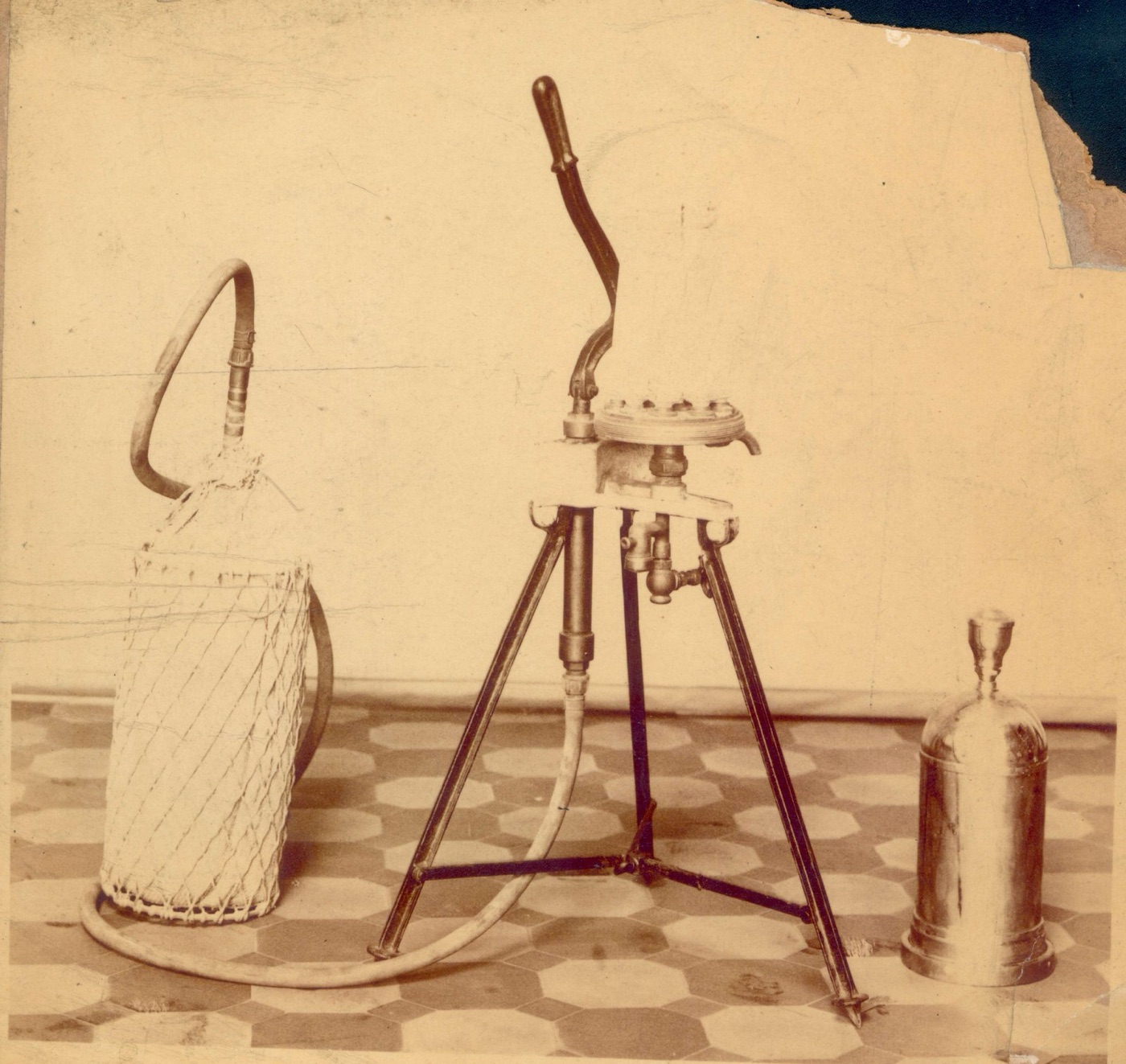
A cartridge changed every four weeks is thirteen a year, each a plastic shell with a hundred grams of carbon and resin inside, and the jug itself is replaced every few years when it clouds. The makers run return schemes for the shells and most cartridges go in the bin. Against the bottled water the jug replaces, which is the case for it, the plastic is small: a year of cartridges weighs less than a fortnight of bottles for a household that drank two litres a day from them. Against the tap alone, the jug is a year of plastic and a hundred pounds or so for water that was already fit to drink and tasted of the chlorine that kept it so. A glass jug of tap water left in the fridge for an hour loses most of its chlorine to the air and costs nothing, which is the answer for the household that dislikes the taste and does not need the softening. A jug kept for the taste, filled from the tap, changed on the day the indicator says and stored cold, is a reasonable thing to own. The mistake is only in what it is believed to do.
What it teaches
The filter jug is the appliance on this site that shows what a myth costs when it is cheap. Millions of people pour their water through a cartridge in the belief that it is protecting them, when what it is doing is removing the protection they had and growing a garden in its place. The tap water was safe. The jug makes it taste better, and that is the whole and honest case for it. Safety is a test, a specific filter for a specific finding, or a supply that meets the standard, and for most of the people who own a jug, the supply already does.
Four weeks of cartridge life, the chlorine gone on the first pass, and a jug that adds what the tap took out.
Sources
- NSF/ANSI Standard 42 (aesthetic effects: chlorine, taste, odour) and NSF/ANSI Standard 53 (health effects: lead, cysts, specific organics); which claims jug filters are certified for.
- Daschner, F.D. et al. (1996). Microbiological contamination of drinking water in commercial household water filter systems. European Journal of Clinical Microbiology and Infectious Diseases 15. Bacterial counts in filtered water up to 10,000 times higher than tap.
- Wu, J. et al. (2021). Are Point of Use water filters effective? A review of removal of lead, arsenic, nitrate and microbes. Environmental Science: Water Research and Technology 7.
- Drinking Water Inspectorate (England and Wales) and US EPA, water quality compliance rates above 99.9 percent for regulated parameters.
- Purdue University and University of Arizona studies on carbon filter biofilm growth and the effect of cartridge age.
- Photographs: opener: Brita water filter in use by BrokenSphere (CC BY-SA) via Wikimedia Commons; inline: Person fills glass with water at kitchen sink closeup by Shixart1985 (CC BY) via Wikimedia Commons; inline: Pasteur filters (CP 2615), National Museum of Health and Medicine (4712460336) by National Museum of Health and Medicine (CC BY) via Wikimedia Commons.