Thirsty
The water in the things we buy: one number for each product, and where it was spent.
Everything we buy was made with water, and almost all of it was used before the thing reached us. A cup of coffee holds about 125 millilitres and took around 140 litres to grow, wash, roast and brew. A cotton t-shirt took 2,700. A kilogram of beef, more than 15,000. These articles put one number on one product and then explain it: where the water was used, whether it was rain or a river or a well, and what was left behind.
The method is the water footprint, developed by researchers in the Netherlands and used here throughout. It counts three kinds of water: green, the rain a crop drinks from the soil; blue, the water pumped from rivers and aquifers; and grey, the volume needed to dilute what runs off. The split matters more than the total. Rain on a pasture in Ireland and groundwater under an almond orchard in a drought are both litres, and they are very different litres.
A large footprint made of rain in a wet country is a smaller burden than a modest one pumped from a falling aquifer, and the point of the series is to make that distinction second nature.
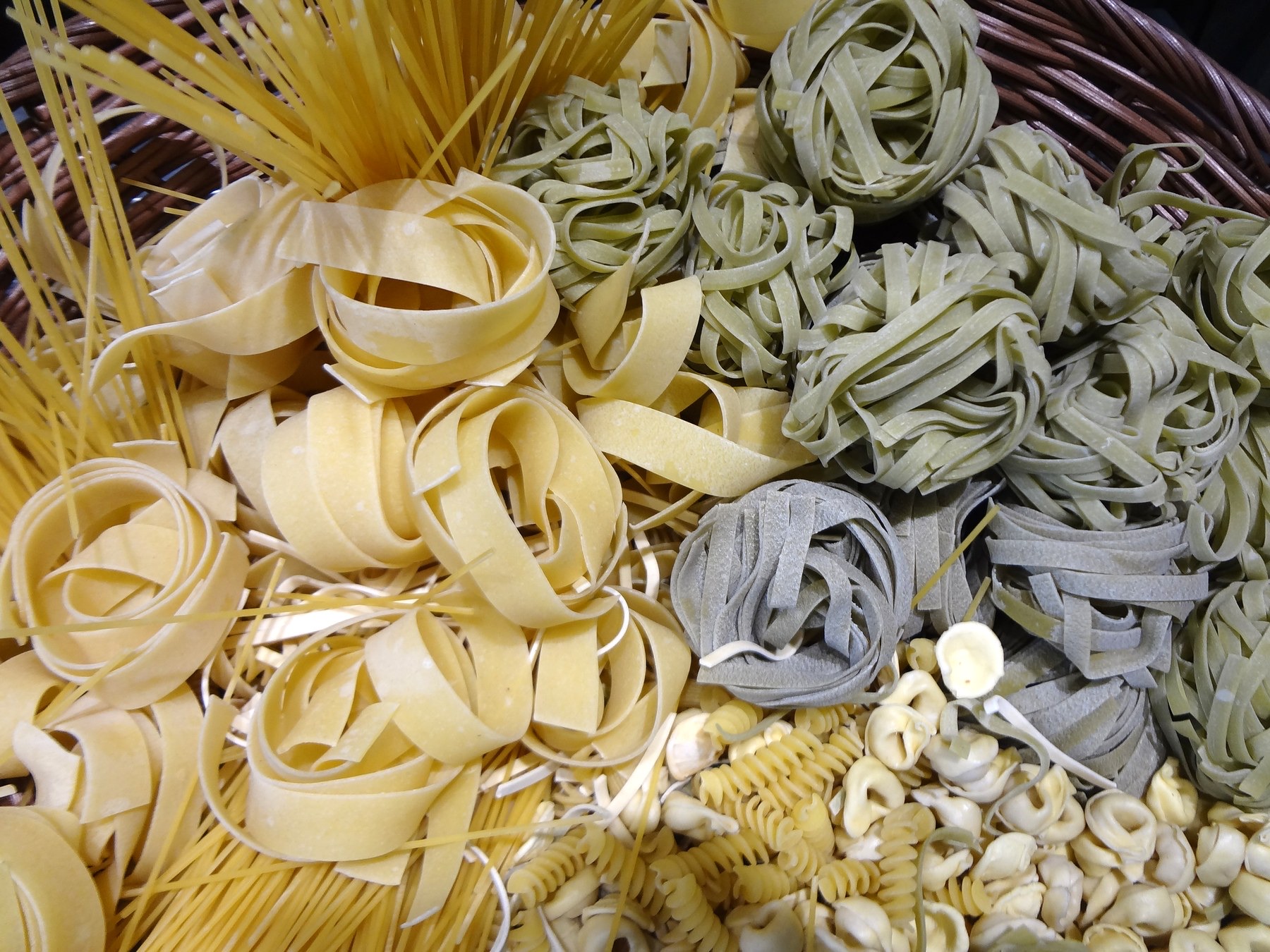 Thirsty: Pasta
A kilogram of dry pasta carries about eighteen hundred litres of water, nearly all of it in the durum wheat, and the pot it is cooked in adds ten more, which is the largest share of any food's water that happens in the kitchen. Where pasta's water goes, why durum wheat is a dry country crop that Italy imports from Canada, what a pasta factory uses, why the cooking water matters and what the argument about it in Italy was, and what a plate of spaghetti carries against the sauce on top of it.
26 September 2026
Thirsty: Pasta
A kilogram of dry pasta carries about eighteen hundred litres of water, nearly all of it in the durum wheat, and the pot it is cooked in adds ten more, which is the largest share of any food's water that happens in the kitchen. Where pasta's water goes, why durum wheat is a dry country crop that Italy imports from Canada, what a pasta factory uses, why the cooking water matters and what the argument about it in Italy was, and what a plate of spaghetti carries against the sauce on top of it.
26 September 2026
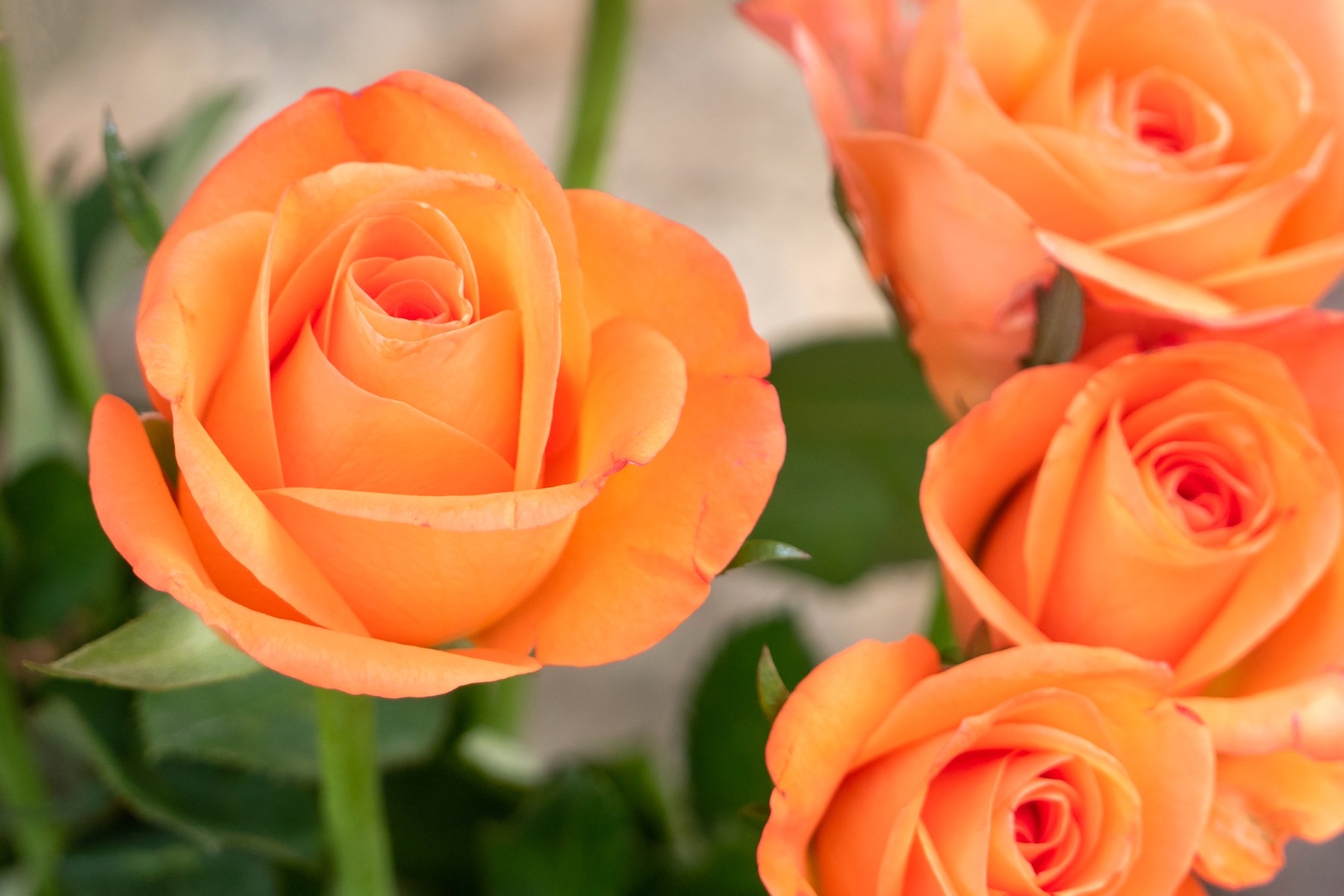 Thirsty: Roses
A rose bought in a European supermarket in February was cut two days earlier in a greenhouse on the shore of a lake in Kenya, flown overnight, and carries about ten litres of the lake's water in its stem. Where a cut flower's water goes, why the industry moved from Holland to the equator, what Lake Naivasha is and what it has lost, what a flower farm sends back into the lake, what the fair trade label does and does not cover, and why a flower is the product on this site that is nothing but water and air freight.
26 September 2026
Thirsty: Roses
A rose bought in a European supermarket in February was cut two days earlier in a greenhouse on the shore of a lake in Kenya, flown overnight, and carries about ten litres of the lake's water in its stem. Where a cut flower's water goes, why the industry moved from Holland to the equator, what Lake Naivasha is and what it has lost, what a flower farm sends back into the lake, what the fair trade label does and does not cover, and why a flower is the product on this site that is nothing but water and air freight.
26 September 2026
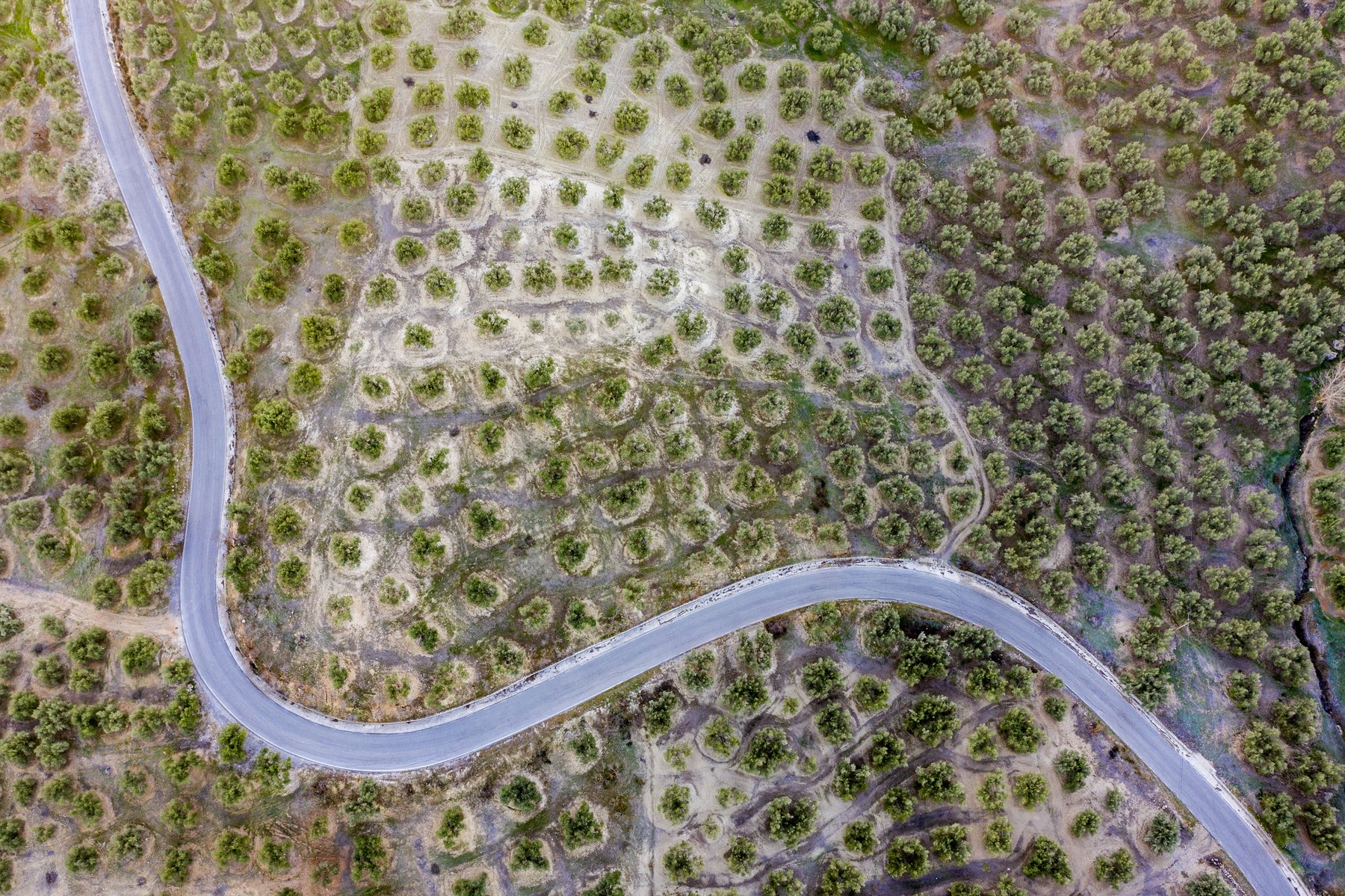 Thirsty: Olive Oil
A litre of olive oil carries about fourteen thousand litres of water, the most of any cooking oil, and the tree that makes it is the one that grows where nothing else will. Where an olive's water goes, why the number is so large, what the new hedgerow groves of Spain have changed, what two dry years did to the world's supply and its price, what a mill sends out, and why the oil that was the emblem of dry country farming is becoming an irrigated crop.
25 September 2026
Thirsty: Olive Oil
A litre of olive oil carries about fourteen thousand litres of water, the most of any cooking oil, and the tree that makes it is the one that grows where nothing else will. Where an olive's water goes, why the number is so large, what the new hedgerow groves of Spain have changed, what two dry years did to the world's supply and its price, what a mill sends out, and why the oil that was the emblem of dry country farming is becoming an irrigated crop.
25 September 2026
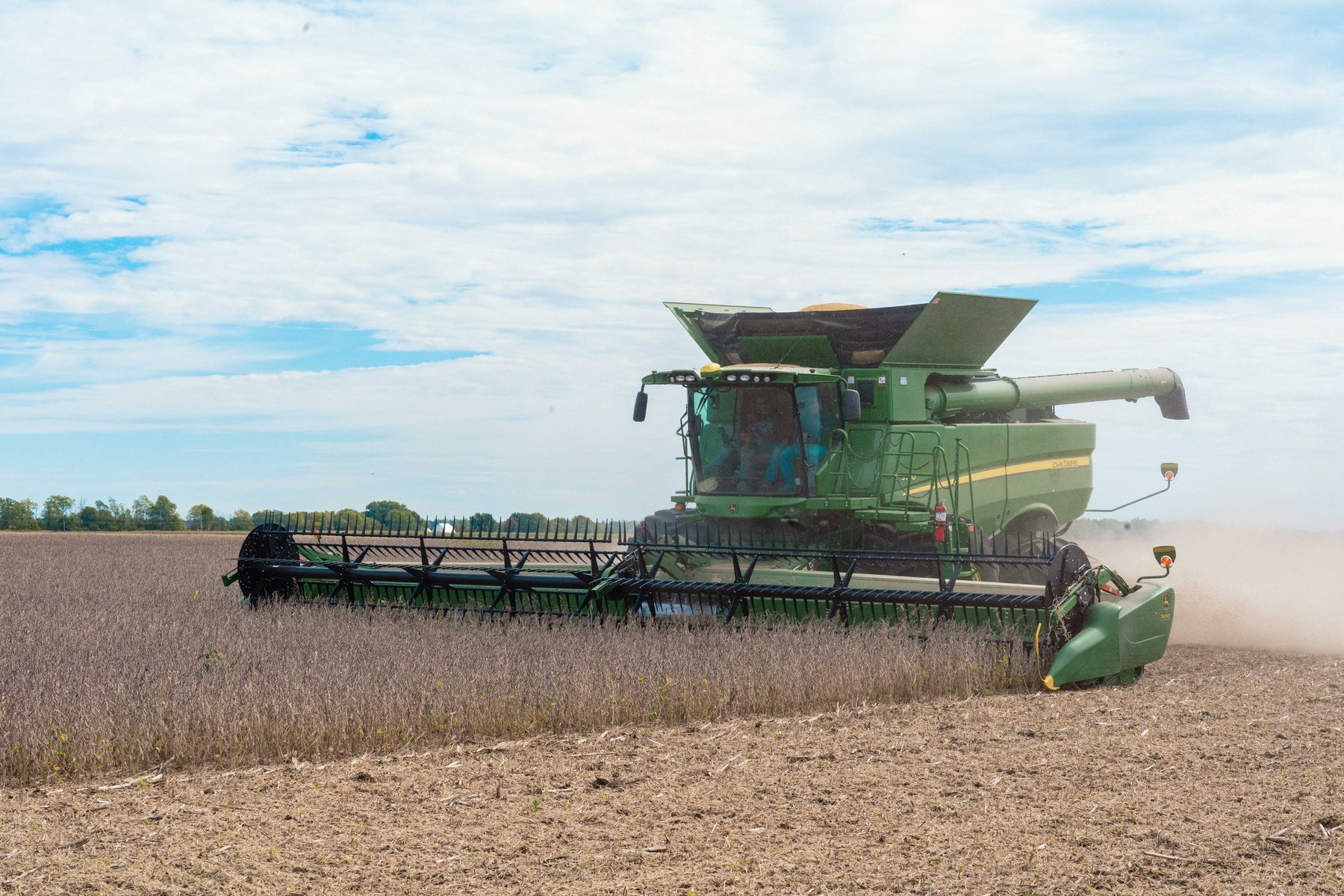 Thirsty: Soy
A kilogram of soybeans carries about two thousand litres of water, nearly all of it rain on the plains of Brazil, the United States and Argentina, and only a small share of the crop is eaten as tofu, soy milk or sauce. Where a soybean's water goes, why three quarters of the crop is fed to animals, what tofu and soy milk carry compared with the meat and milk they replace, what the Cerrado has to do with it, and why the crop that is blamed for the Amazon is mostly in a chicken.
25 September 2026
Thirsty: Soy
A kilogram of soybeans carries about two thousand litres of water, nearly all of it rain on the plains of Brazil, the United States and Argentina, and only a small share of the crop is eaten as tofu, soy milk or sauce. Where a soybean's water goes, why three quarters of the crop is fed to animals, what tofu and soy milk carry compared with the meat and milk they replace, what the Cerrado has to do with it, and why the crop that is blamed for the Amazon is mostly in a chicken.
25 September 2026
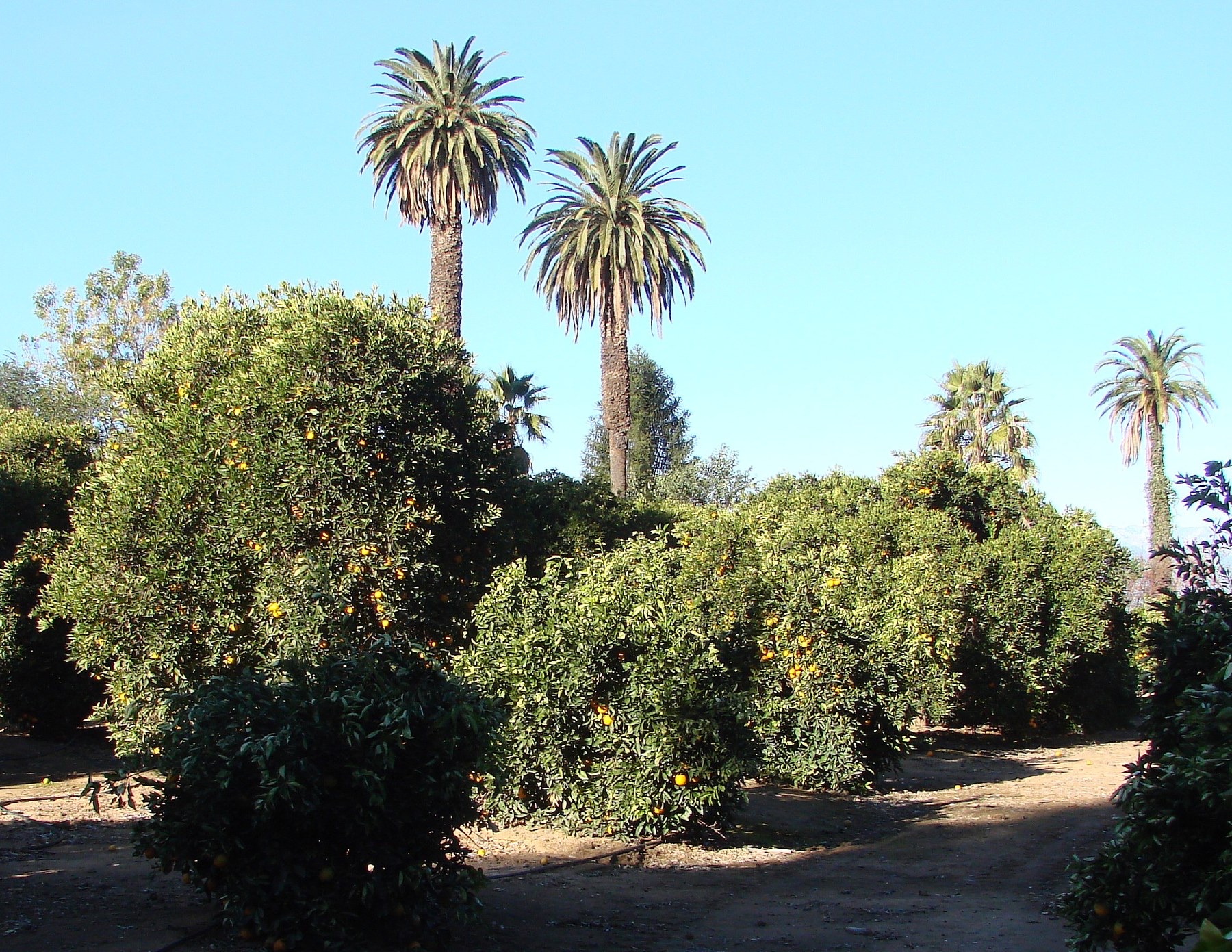 Thirsty: Orange Juice
A glass of orange juice carries about two hundred litres of water, and the juice in most glasses in Europe and North America came, frozen and concentrated, from a single state in Brazil. Where an orange's water goes, why juice carries twice the water of the fruit, what happened to Florida, why the Brazilian groves are mostly rain and the Spanish ones are mostly wells, and what it means that the world's orange juice comes from one place.
24 September 2026
Thirsty: Orange Juice
A glass of orange juice carries about two hundred litres of water, and the juice in most glasses in Europe and North America came, frozen and concentrated, from a single state in Brazil. Where an orange's water goes, why juice carries twice the water of the fruit, what happened to Florida, why the Brazilian groves are mostly rain and the Spanish ones are mostly wells, and what it means that the world's orange juice comes from one place.
24 September 2026
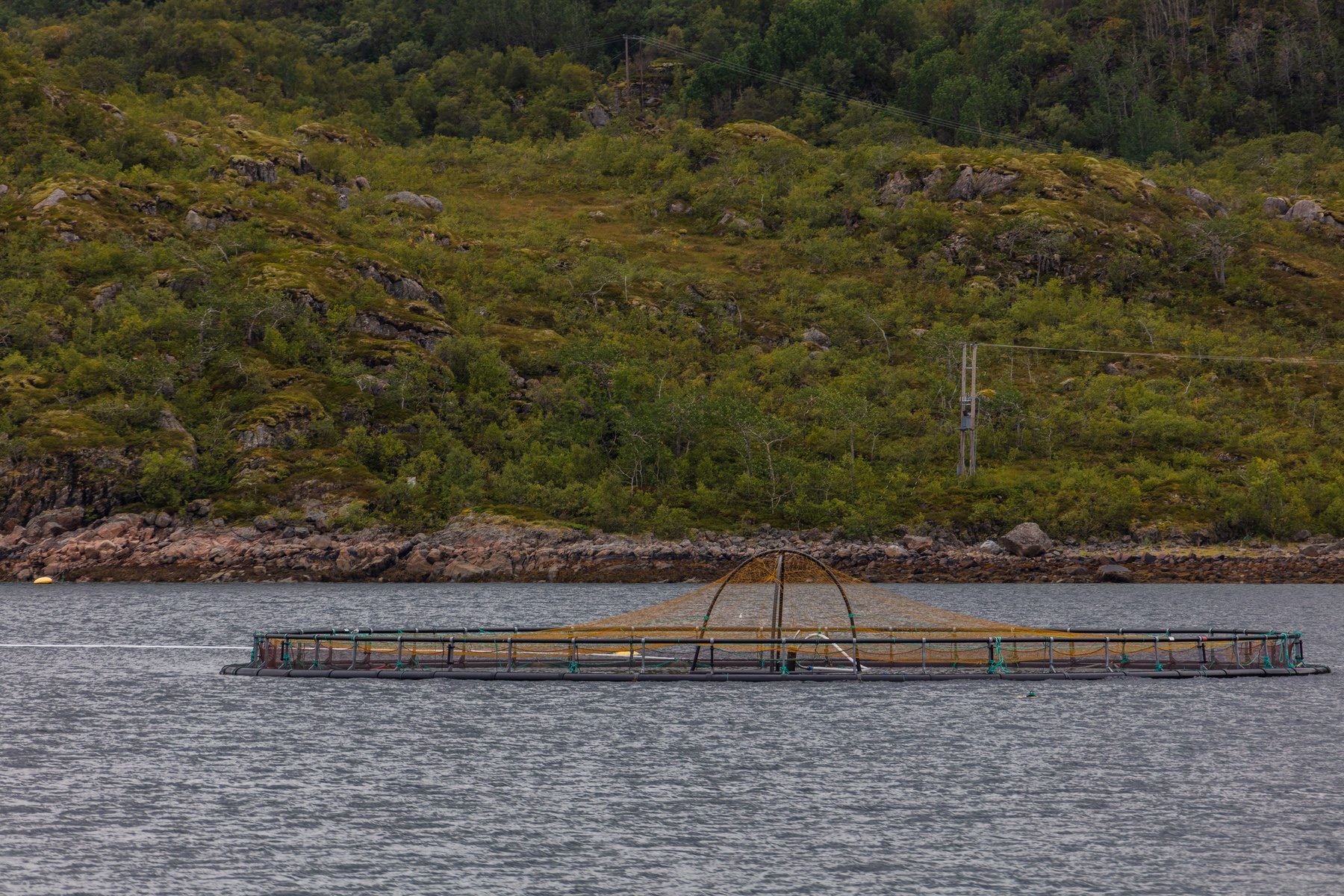 Thirsty: Salmon
A farmed salmon spends its first year in fresh water and its last two in the sea, and the water that matters is neither: it is the water in the soy, the wheat and the fishmeal it was fed. What a salmon farm does with water, why the number per kilogram is close to chicken's, what the sea cages leave on the seabed, why the industry is moving onto land, and what a fish that lives in water has to do with a soybean field in Brazil.
24 September 2026
Thirsty: Salmon
A farmed salmon spends its first year in fresh water and its last two in the sea, and the water that matters is neither: it is the water in the soy, the wheat and the fishmeal it was fed. What a salmon farm does with water, why the number per kilogram is close to chicken's, what the sea cages leave on the seabed, why the industry is moving onto land, and what a fish that lives in water has to do with a soybean field in Brazil.
24 September 2026
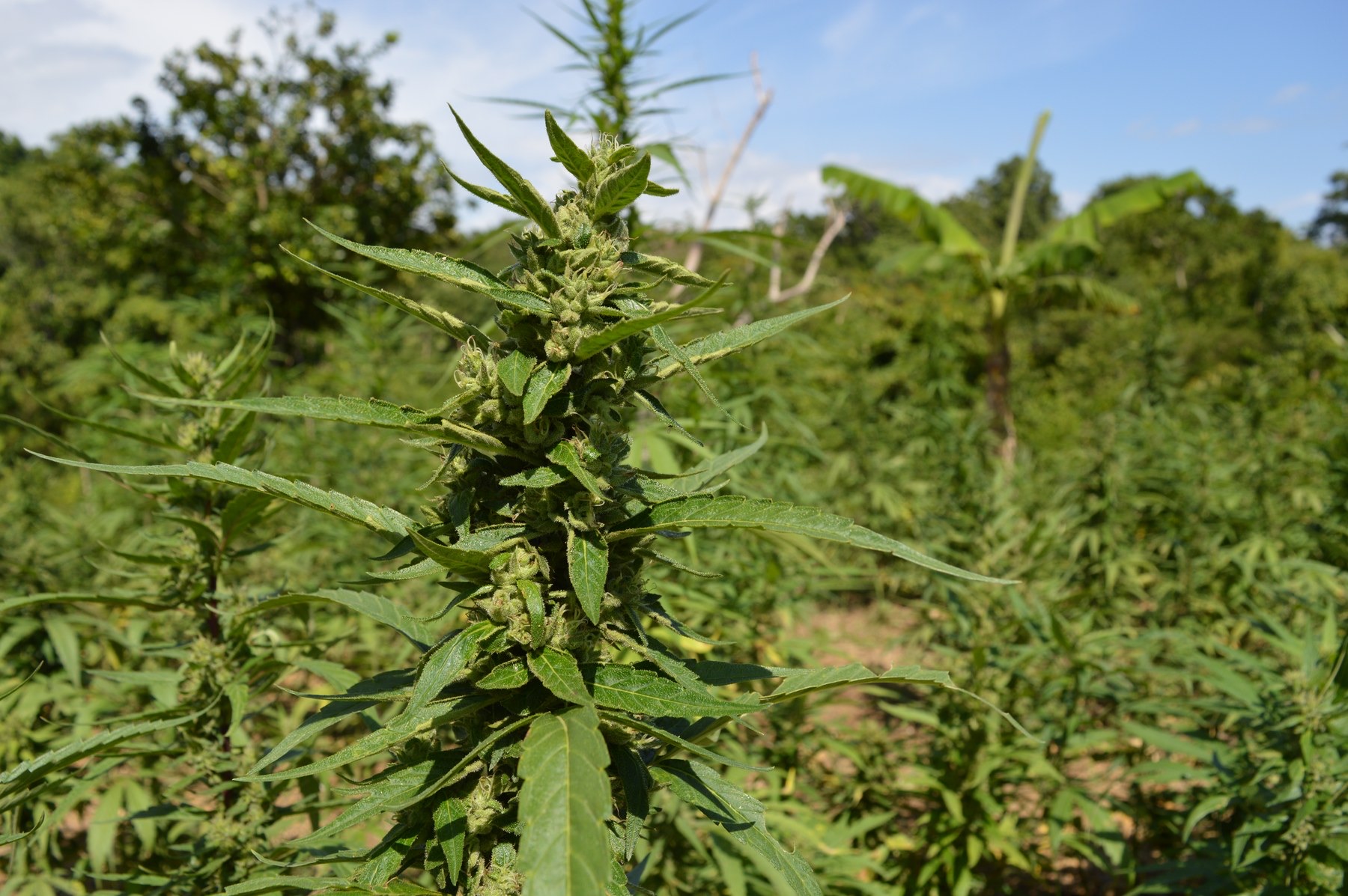 Thirsty: Cannabis
A cannabis plant grown outdoors in a California summer drinks about twenty two litres a day, roughly twice a grapevine, and in the years before it was legal the grows in the hills of the north took more water from some streams in August than the streams had. What a cannabis plant uses, why the number is high per plant and small per crop, what the illegal grows did to salmon streams, why indoor growing swaps water for electricity, and what legalisation changed.
23 September 2026
Thirsty: Cannabis
A cannabis plant grown outdoors in a California summer drinks about twenty two litres a day, roughly twice a grapevine, and in the years before it was legal the grows in the hills of the north took more water from some streams in August than the streams had. What a cannabis plant uses, why the number is high per plant and small per crop, what the illegal grows did to salmon streams, why indoor growing swaps water for electricity, and what legalisation changed.
23 September 2026
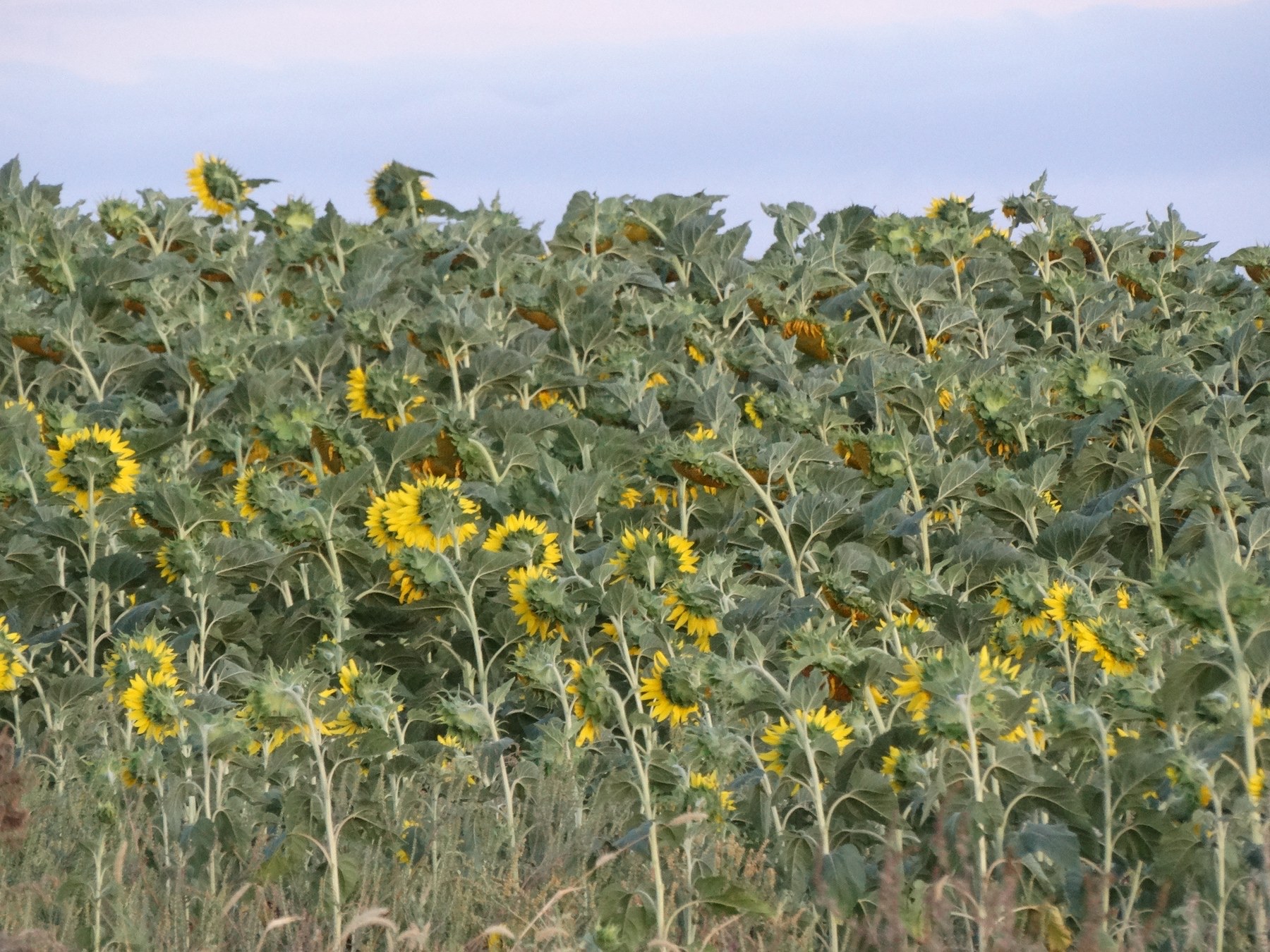 Thirsty: Sunflower Oil
A litre of sunflower oil carries about six thousand litres of water, most of it rain on the black earth of Ukraine and southern Russia, and the war of 2022 showed how much of the world's frying depends on it. Where a sunflower's water goes, why an oil crop carries so much more than the seed, how it compares with olive, rapeseed and palm, what the crushing plant does, and why the crop that follows the sun is one of the least irrigated on this site.
23 September 2026
Thirsty: Sunflower Oil
A litre of sunflower oil carries about six thousand litres of water, most of it rain on the black earth of Ukraine and southern Russia, and the war of 2022 showed how much of the world's frying depends on it. Where a sunflower's water goes, why an oil crop carries so much more than the seed, how it compares with olive, rapeseed and palm, what the crushing plant does, and why the crop that follows the sun is one of the least irrigated on this site.
23 September 2026
 Thirsty: Battery
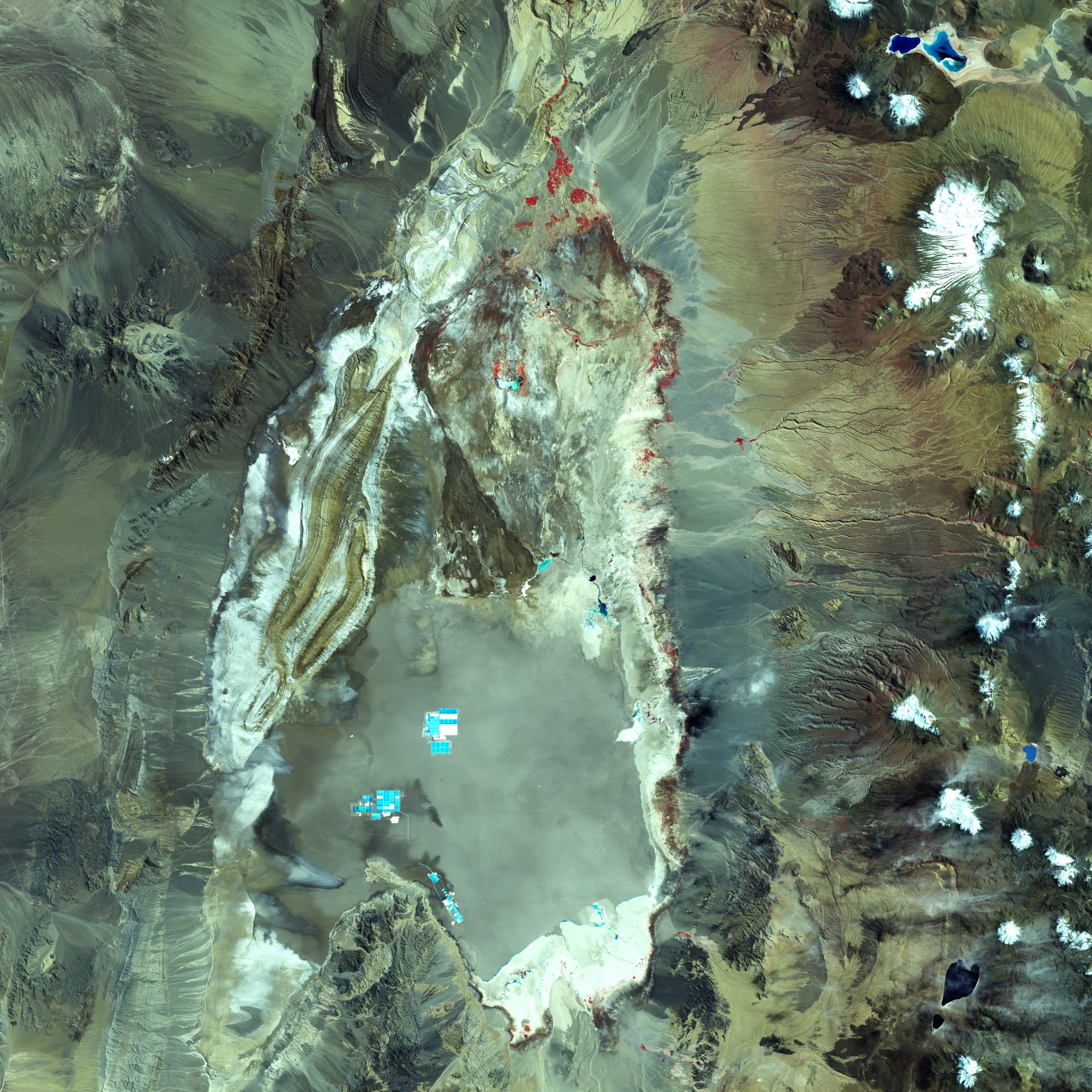
The battery in an electric car holds about eight kilograms of lithium, and the lithium was concentrated, in most cases, by evaporating brine from under a desert. What a battery's water is, why the number is argued over more than almost any on this site, what the salt flats and the villages around them say, and what direct extraction and recycling would change.
22 September 2026
Thirsty: Battery
The battery in an electric car holds about eight kilograms of lithium, and the lithium was concentrated, in most cases, by evaporating brine from under a desert. What a battery's water is, why the number is argued over more than almost any on this site, what the salt flats and the villages around them say, and what direct extraction and recycling would change.
22 September 2026
 Thirsty: Car
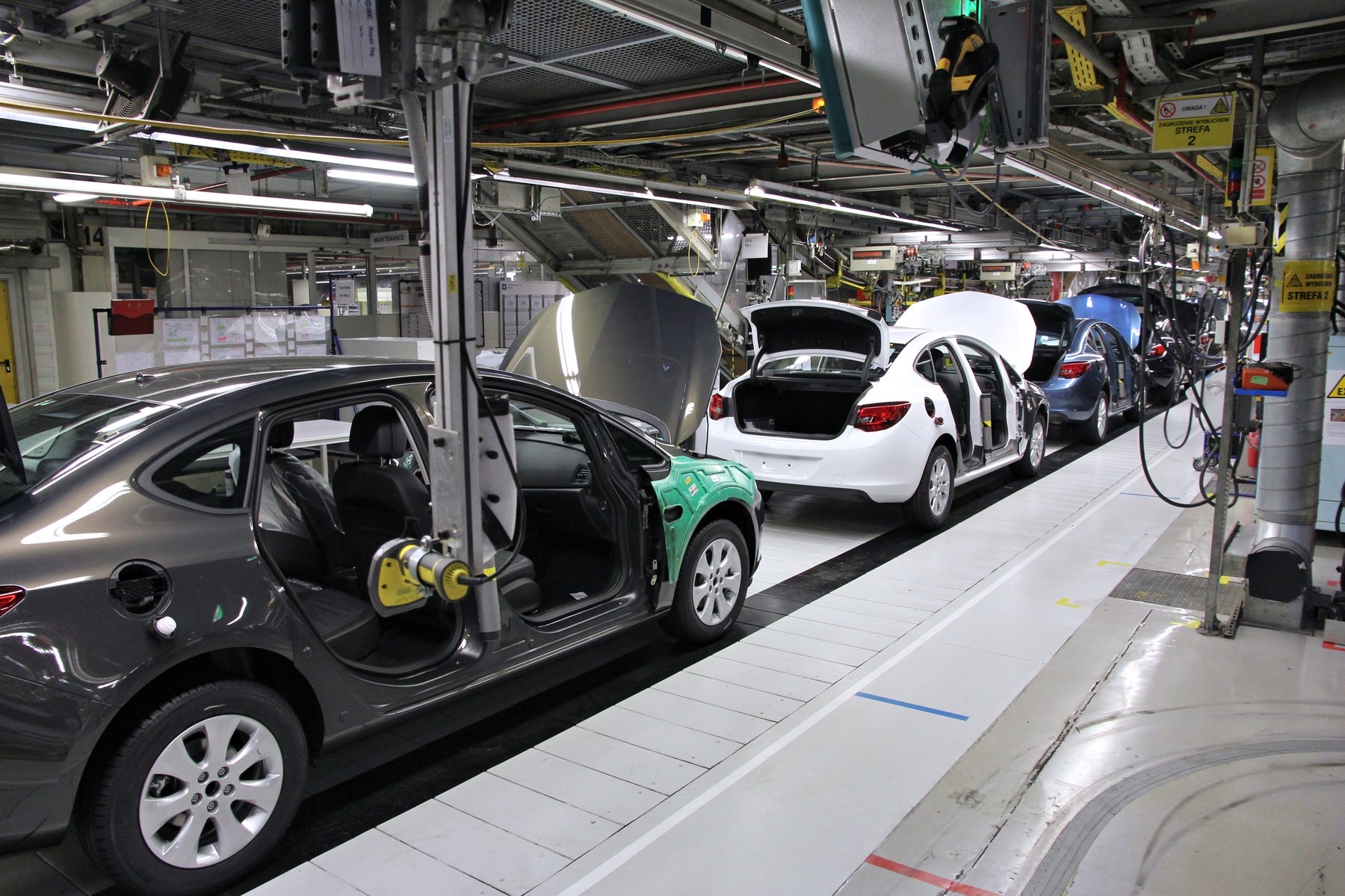
A car is about a tonne and a half of steel, aluminium, plastic, glass, rubber and copper, and every one of those was made with water. The estimates run from fifty to four hundred thousand litres, and the spread is the story: where the number comes from, which parts carry most of it, what a paint shop does with water, and why an electric car moves the water from the refinery to the mine.
22 September 2026
Thirsty: Car
A car is about a tonne and a half of steel, aluminium, plastic, glass, rubber and copper, and every one of those was made with water. The estimates run from fifty to four hundred thousand litres, and the spread is the story: where the number comes from, which parts carry most of it, what a paint shop does with water, and why an electric car moves the water from the refinery to the mine.
22 September 2026
 Thirsty: Cotton or Polyester
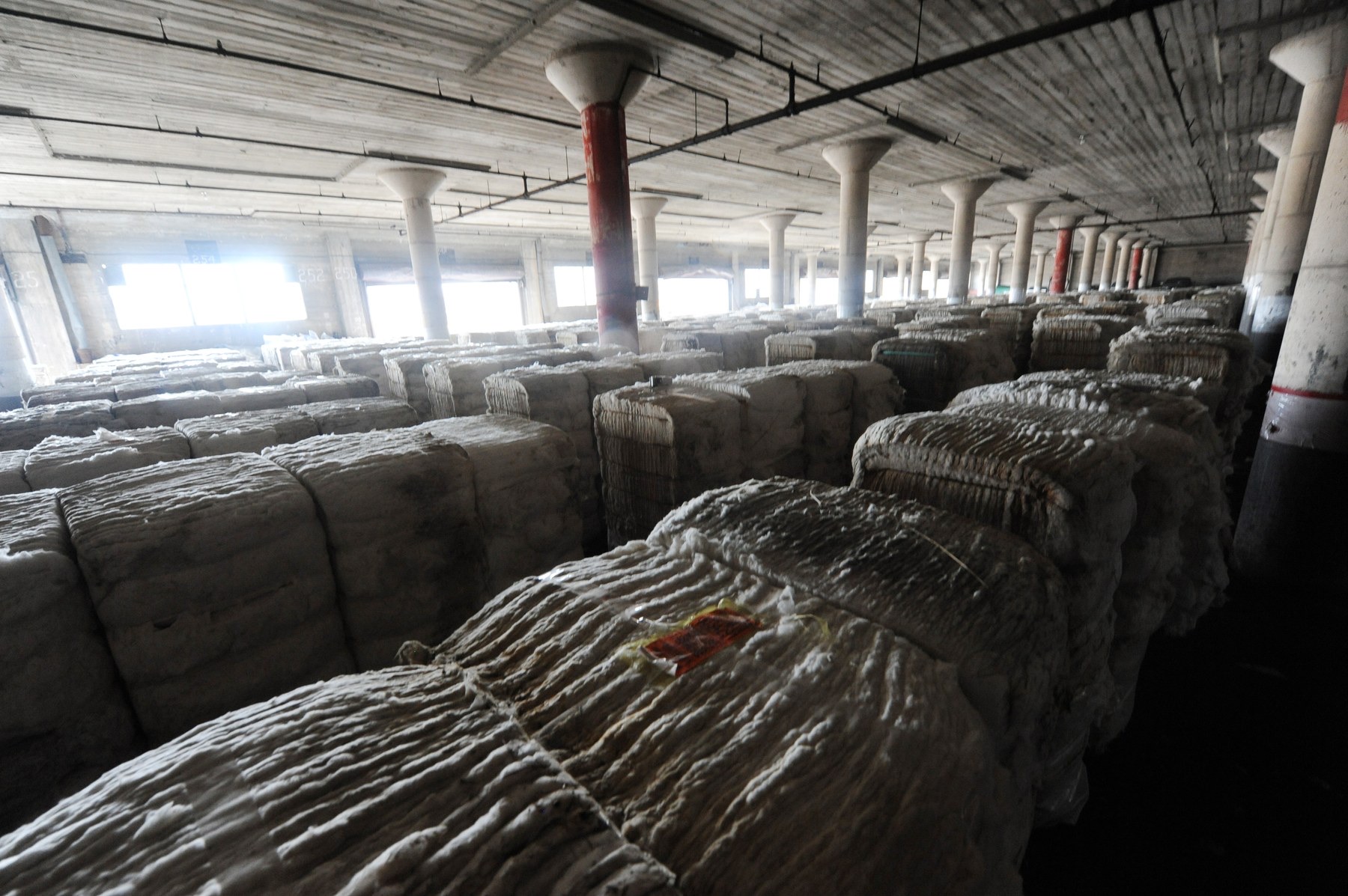
A cotton t-shirt takes about 2,700 litres of water to make and a polyester one takes a few dozen, and that is the beginning of the argument rather than the end of it. Where each fibre's water is spent, what polyester does to a river that cotton does not, why the washing machine matters more than the field for one of them, and how to choose between them without fooling yourself.
22 September 2026
Thirsty: Cotton or Polyester
A cotton t-shirt takes about 2,700 litres of water to make and a polyester one takes a few dozen, and that is the beginning of the argument rather than the end of it. Where each fibre's water is spent, what polyester does to a river that cotton does not, why the washing machine matters more than the field for one of them, and how to choose between them without fooling yourself.
22 September 2026
 Thirsty: Palm Oil
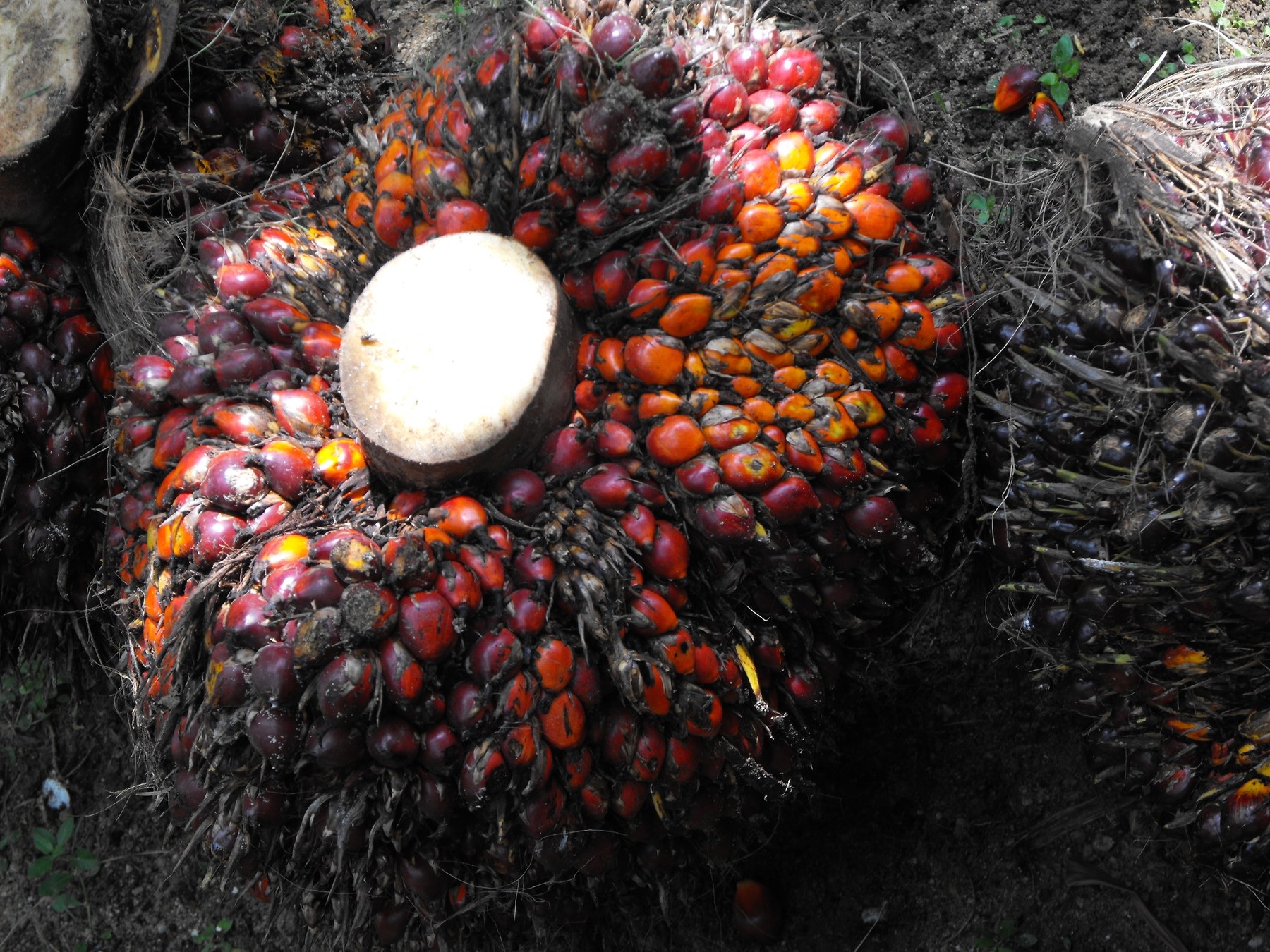
Palm oil is in about half the packaged products in a supermarket, and it is the least thirsty vegetable oil there is, grown almost entirely on rain in the wettest places on Earth. Its water problem is the other way round: what the mills send into the rivers of Sumatra and Borneo, and what the plantations did to the peat swamps that held the water in the first place.
22 September 2026
Thirsty: Palm Oil
Palm oil is in about half the packaged products in a supermarket, and it is the least thirsty vegetable oil there is, grown almost entirely on rain in the wettest places on Earth. Its water problem is the other way round: what the mills send into the rivers of Sumatra and Borneo, and what the plantations did to the peat swamps that held the water in the first place.
22 September 2026
 Thirsty: Potato
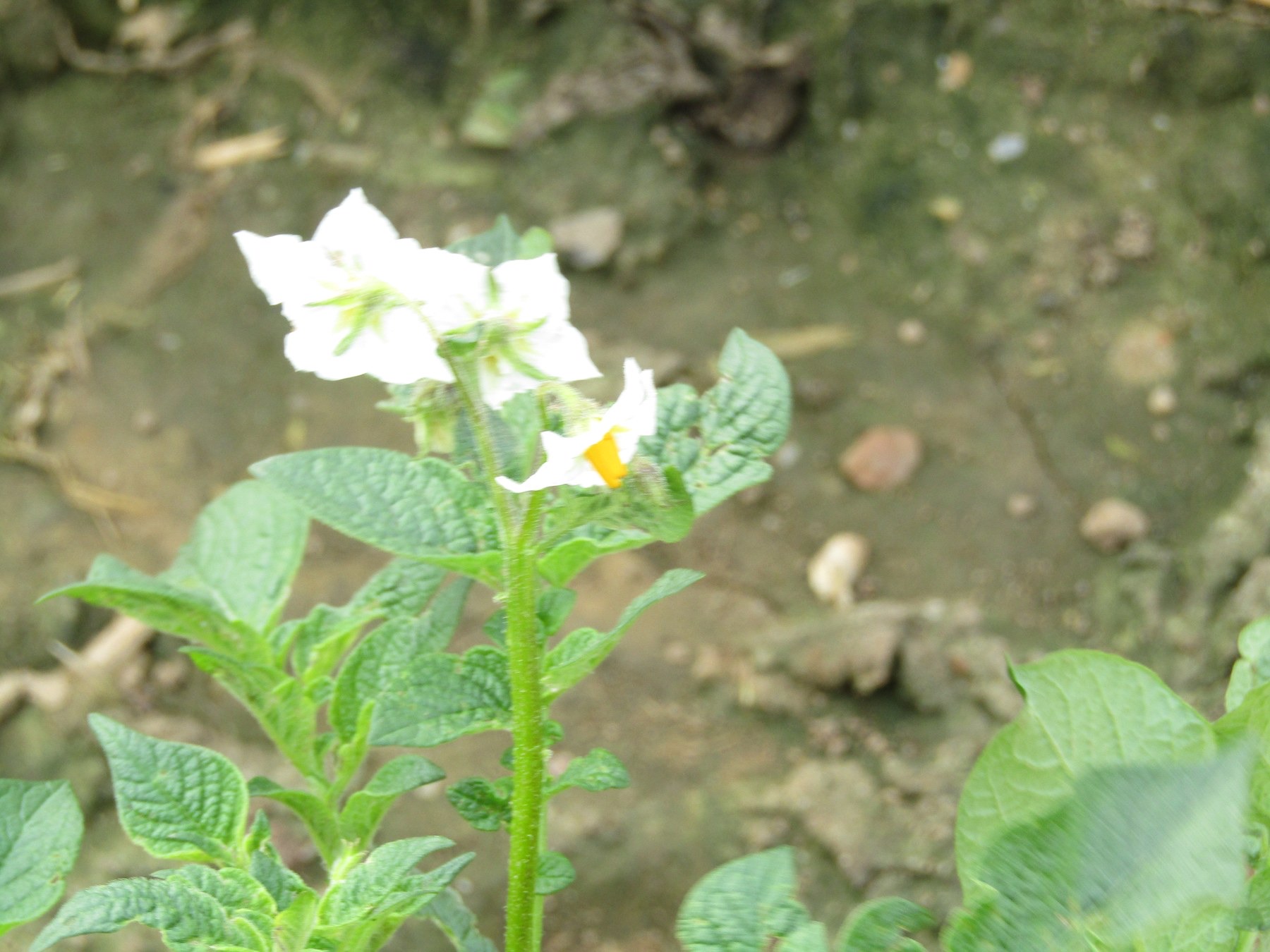
A kilogram of potatoes takes about 290 litres of water, which makes it the least thirsty staple on Earth by a wide margin, and a bag of crisps takes about a thousand per kilogram, which is the same potato with the water taken out. Where a potato's water goes, why the tuber beats every grain, what the crisp factory and the chip line do with water, and why the potato is the crop a dry world should be growing more of.
22 September 2026
Thirsty: Potato
A kilogram of potatoes takes about 290 litres of water, which makes it the least thirsty staple on Earth by a wide margin, and a bag of crisps takes about a thousand per kilogram, which is the same potato with the water taken out. Where a potato's water goes, why the tuber beats every grain, what the crisp factory and the chip line do with water, and why the potato is the crop a dry world should be growing more of.
22 September 2026
 Thirsty: Tomato
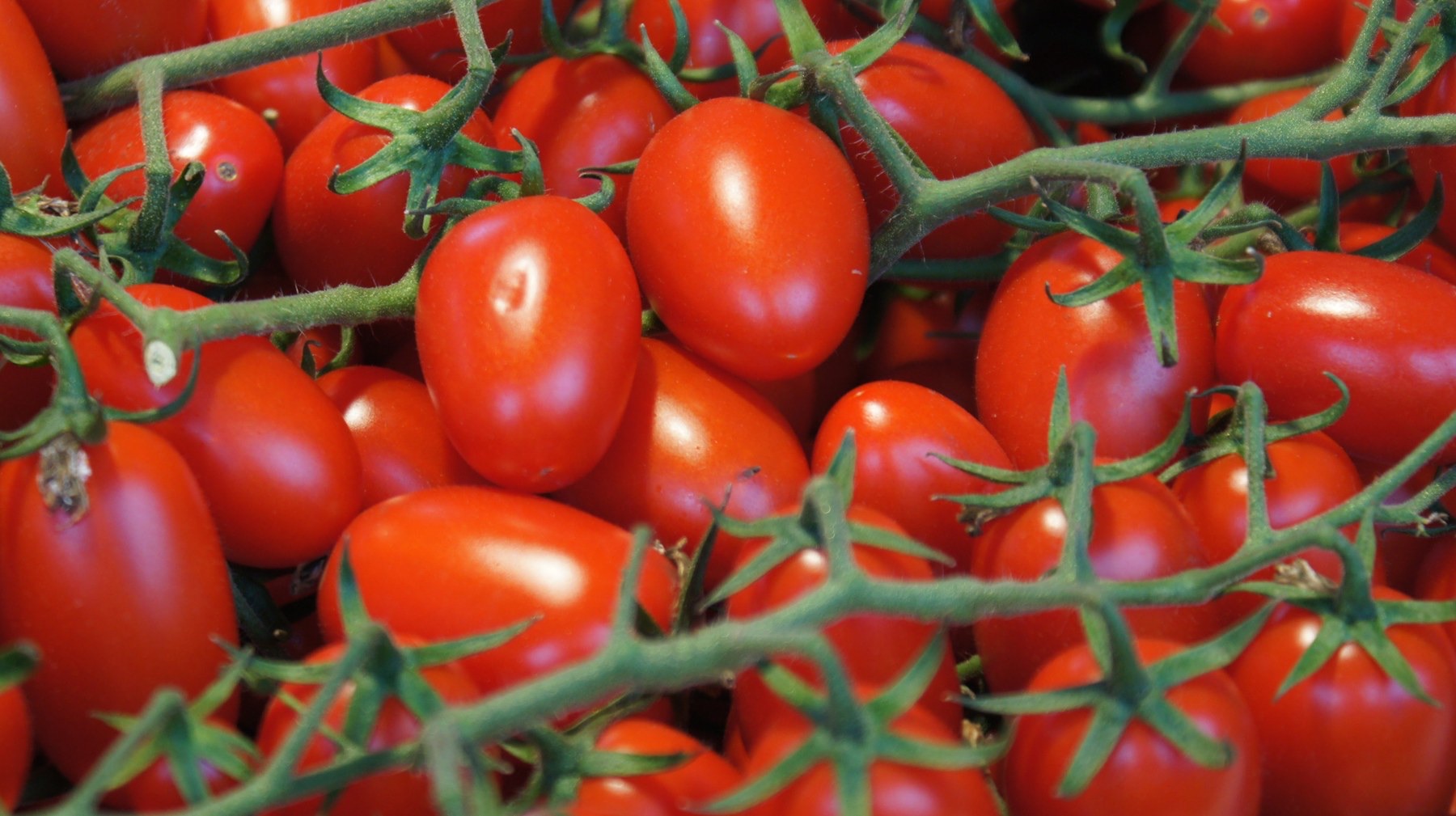
A tomato is ninety five percent water and took about two hundred litres to grow, and the difference between a tomato from a Dutch greenhouse and one from a field in Spain or California is the whole of the subject. Where the water in a tomato goes, why the greenhouse uses a fraction of the field, why the field grows most of the world's tomatoes anyway, and what a tin of paste has to do with an aquifer.
22 September 2026
Thirsty: Tomato
A tomato is ninety five percent water and took about two hundred litres to grow, and the difference between a tomato from a Dutch greenhouse and one from a field in Spain or California is the whole of the subject. Where the water in a tomato goes, why the greenhouse uses a fraction of the field, why the field grows most of the world's tomatoes anyway, and what a tin of paste has to do with an aquifer.
22 September 2026
 Thirsty: Wool
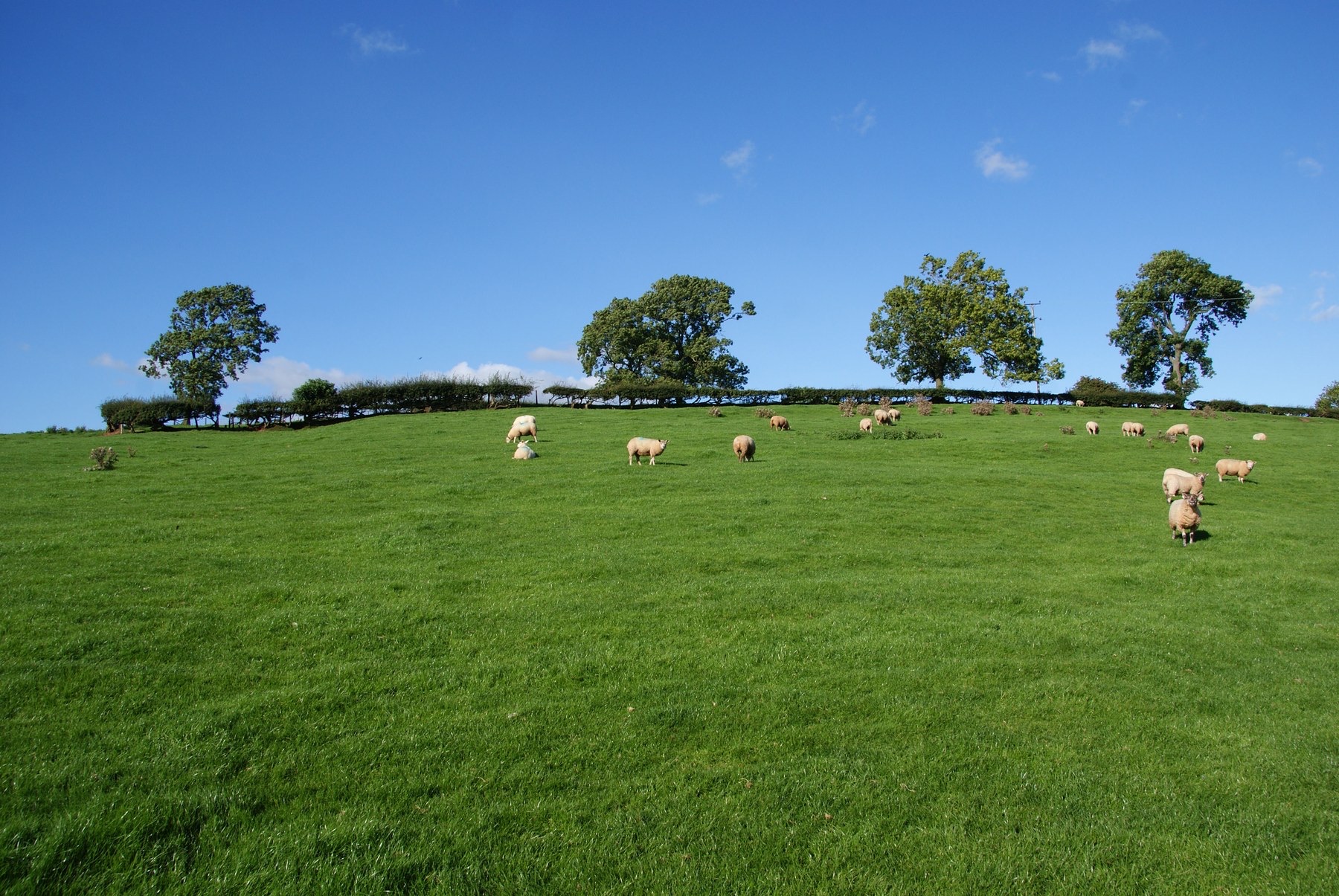
A wool jumper carries more water per kilogram than almost any garment, and nearly all of it fell as rain on a hillside that could grow nothing else. Where a sheep's water goes, why the number is large and the burden is small, what the scouring plant does with the grease, and why the choice between wool and its synthetic rival is the cotton argument told in a colder climate.
22 September 2026
Thirsty: Wool
A wool jumper carries more water per kilogram than almost any garment, and nearly all of it fell as rain on a hillside that could grow nothing else. Where a sheep's water goes, why the number is large and the burden is small, what the scouring plant does with the grease, and why the choice between wool and its synthetic rival is the cotton argument told in a colder climate.
22 September 2026
 Thirsty: Almonds
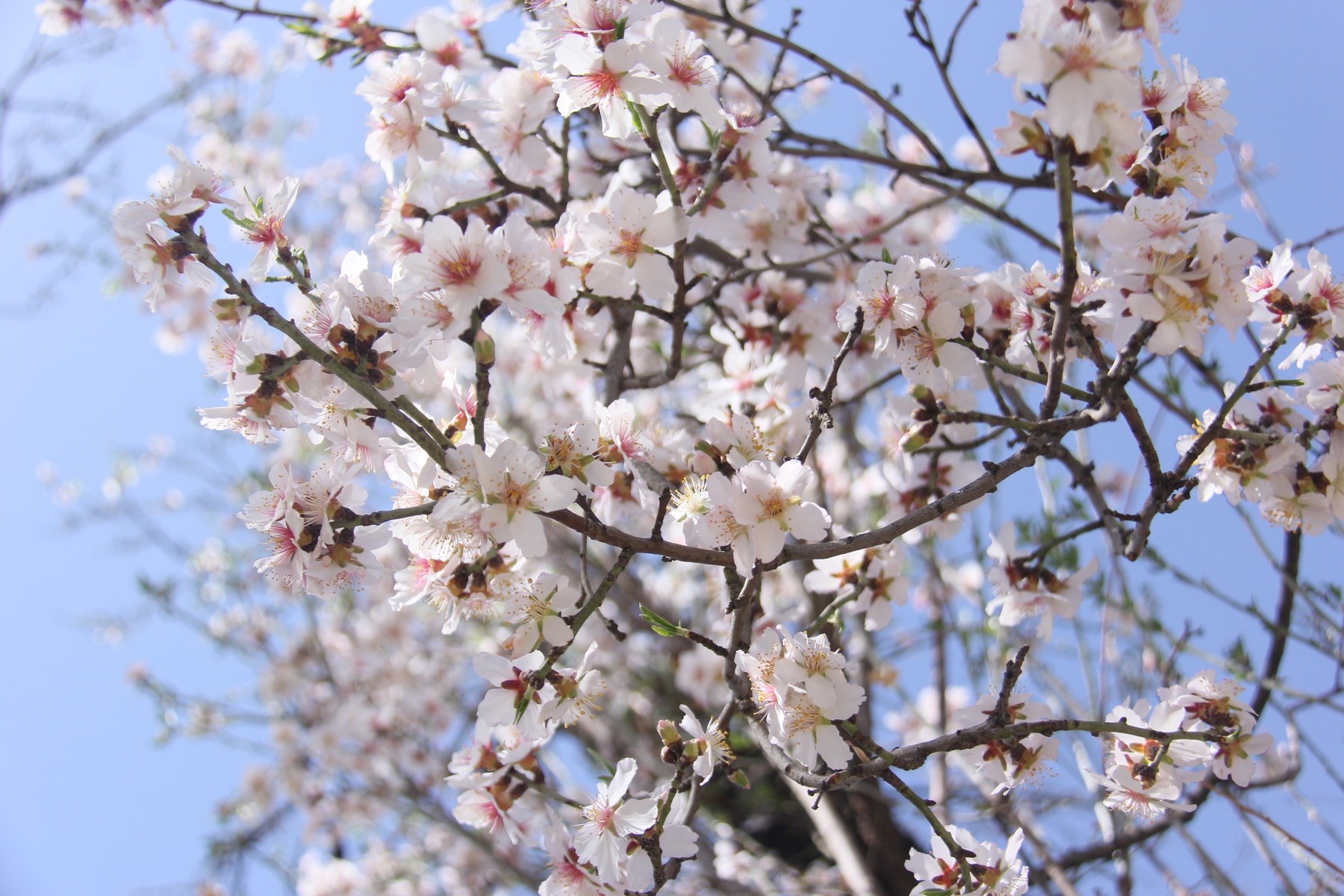
Four out of five almonds in the world grow in one valley in California, on more than a million acres of orchard, in a place that gets no summer rain. Every one of them was irrigated. What an almond's twelve litres are made of, why the orchards are where they are, and why the number became an argument.
21 September 2026
Thirsty: Almonds
Four out of five almonds in the world grow in one valley in California, on more than a million acres of orchard, in a place that gets no summer rain. Every one of them was irrigated. What an almond's twelve litres are made of, why the orchards are where they are, and why the number became an argument.
21 September 2026
 Thirsty: Cheese
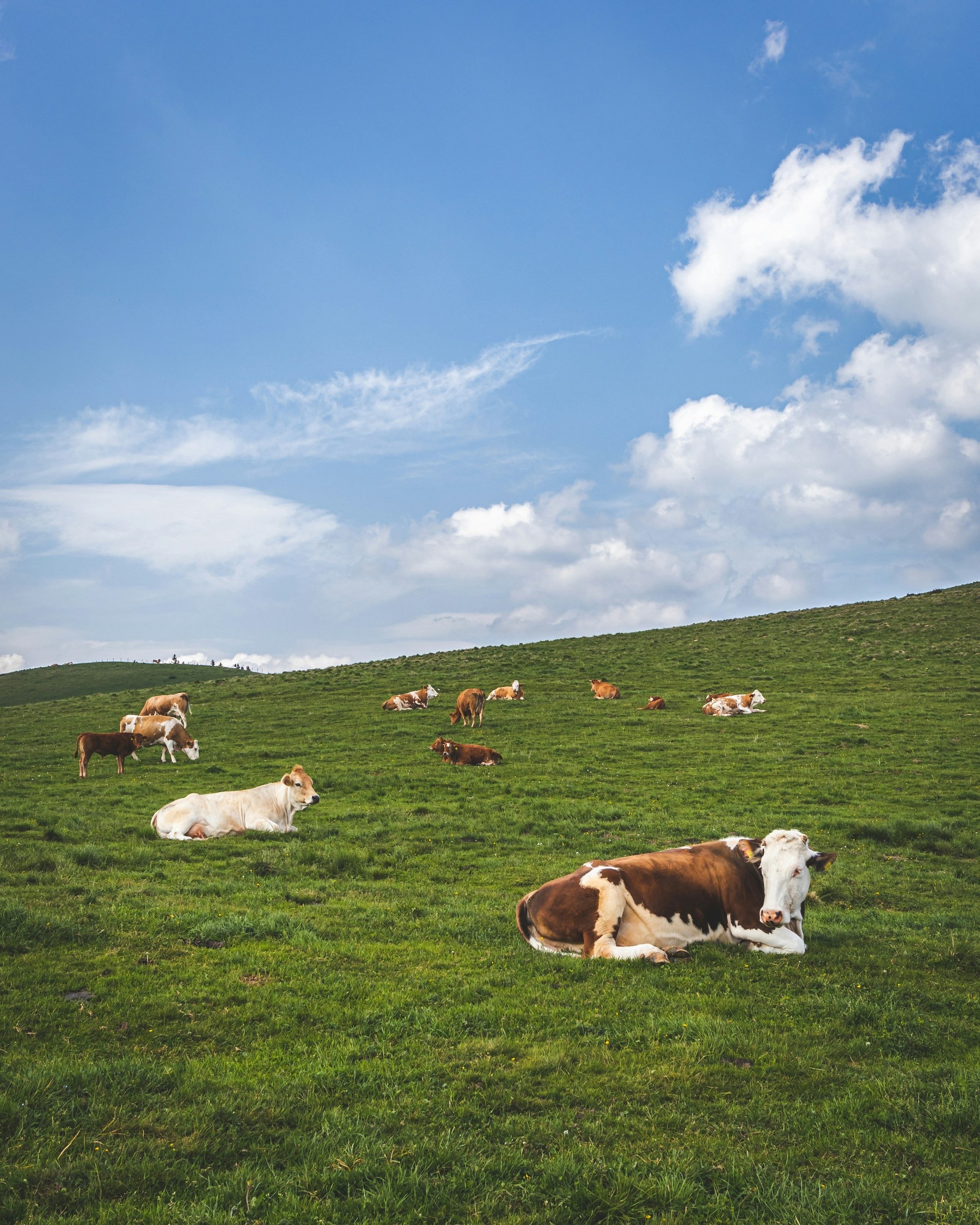
It takes about ten litres of milk to make a kilogram of hard cheese, and a litre of milk carries a thousand litres of water. The footprint of cheese is about 3,200 litres a kilo, lower than that arithmetic suggests, because of what happens to the other nine litres, and because a cheese plant's own water has a story of its own.
21 September 2026
Thirsty: Cheese
It takes about ten litres of milk to make a kilogram of hard cheese, and a litre of milk carries a thousand litres of water. The footprint of cheese is about 3,200 litres a kilo, lower than that arithmetic suggests, because of what happens to the other nine litres, and because a cheese plant's own water has a story of its own.
21 September 2026
 Thirsty: Chicken
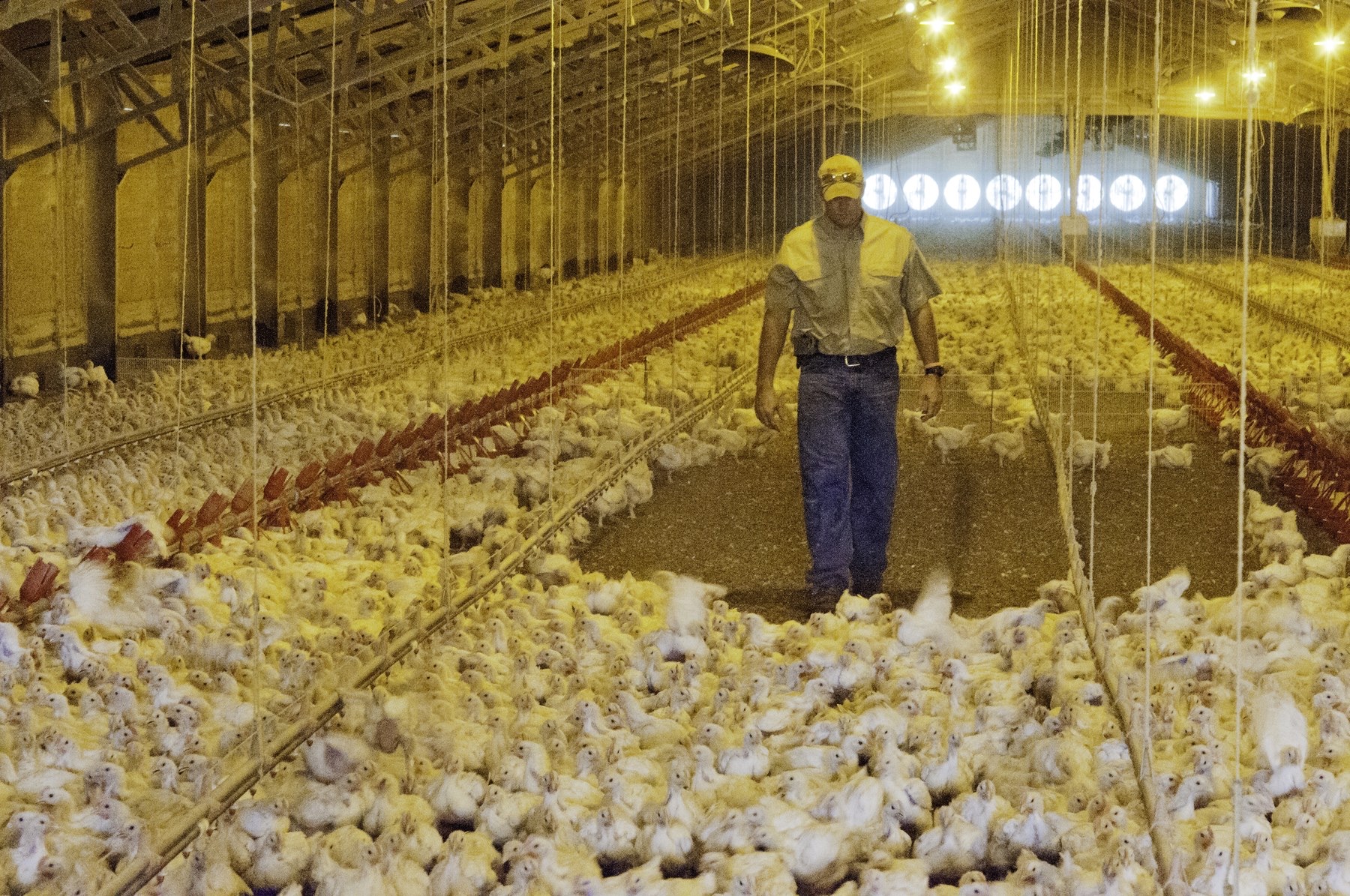
Chicken is the cheapest meat, the fastest growing meat, and, per kilogram, the least thirsty meat by a wide margin. The reason is a bird that turns grain into flesh more efficiently than any other farm animal. What a kilogram of chicken's 4,300 litres are made of, where they were spent, and why a processing plant is the water part most people never see.
21 September 2026
Thirsty: Chicken
Chicken is the cheapest meat, the fastest growing meat, and, per kilogram, the least thirsty meat by a wide margin. The reason is a bird that turns grain into flesh more efficiently than any other farm animal. What a kilogram of chicken's 4,300 litres are made of, where they were spent, and why a processing plant is the water part most people never see.
21 September 2026
 Thirsty: An egg
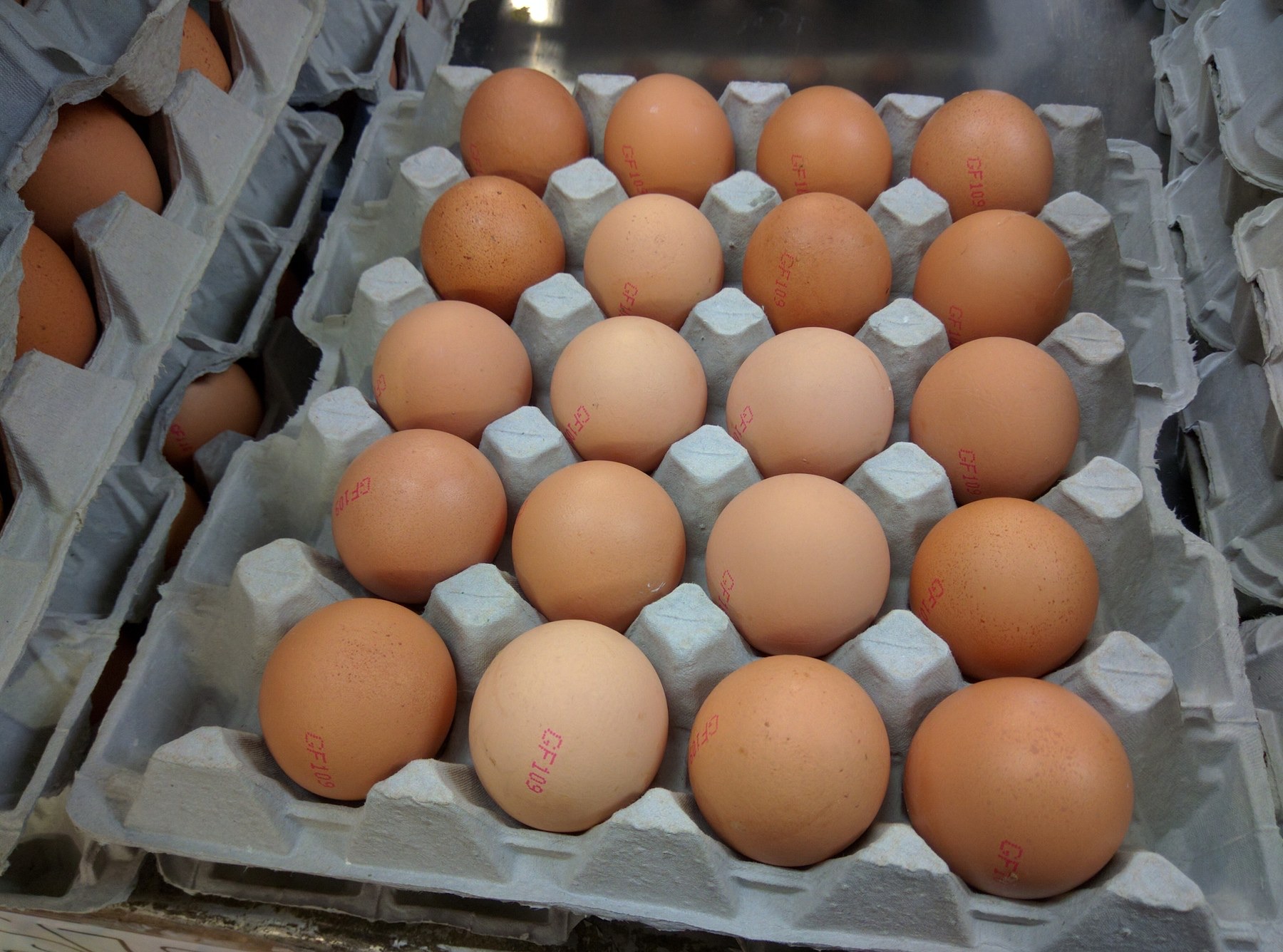
One egg carries about 196 litres of water, and the hen drank almost none of it. The water is in the maize and soy she ate to lay it, which is why an egg turns out to be one of the better deals in the fridge, and why where the grain grew matters more than how the hen was kept.
21 September 2026
Thirsty: An egg
One egg carries about 196 litres of water, and the hen drank almost none of it. The water is in the maize and soy she ate to lay it, which is why an egg turns out to be one of the better deals in the fridge, and why where the grain grew matters more than how the hen was kept.
21 September 2026
 Thirsty: Gold
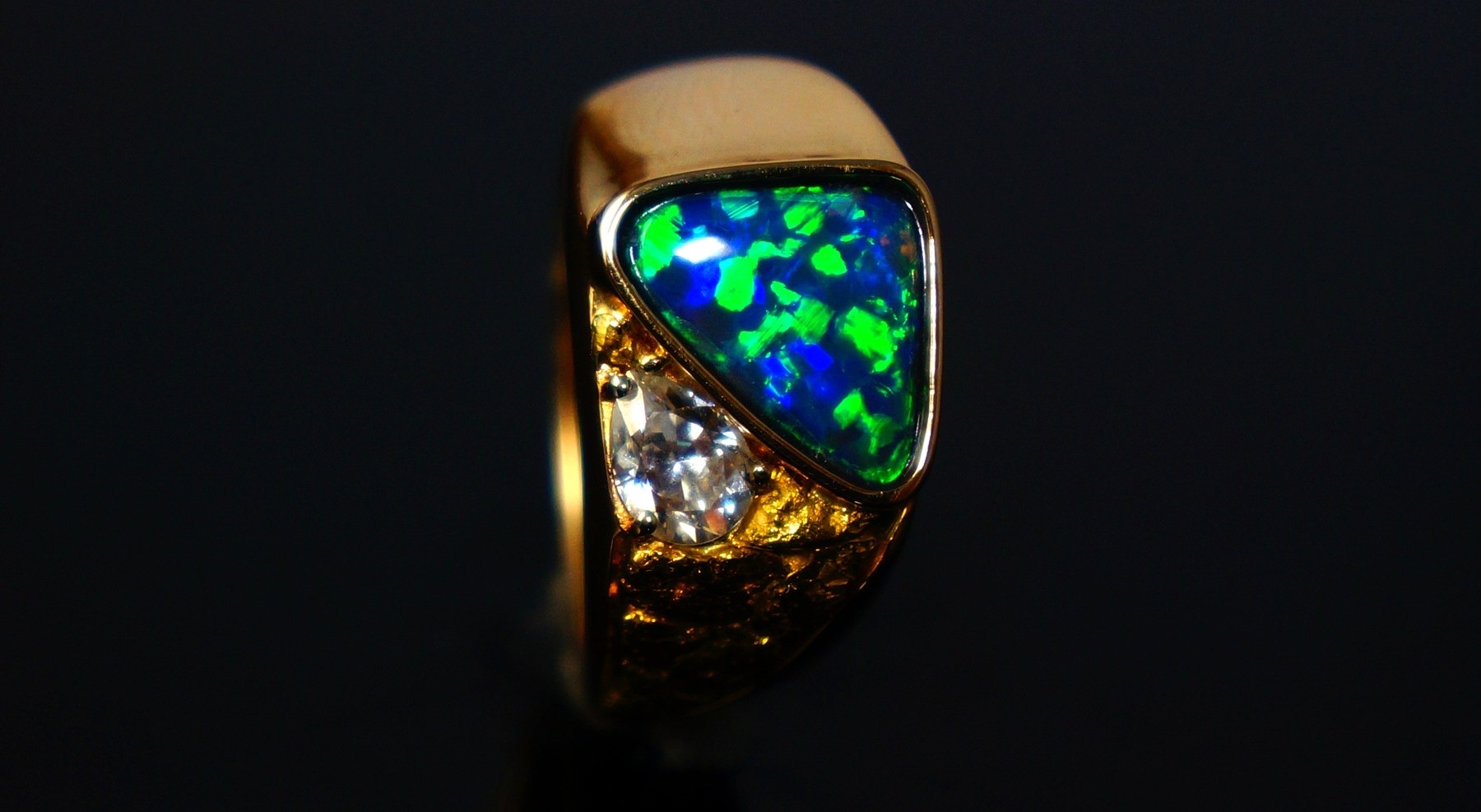
A wedding ring holds about five grams of gold, and the gold was won from about a tonne of rock, crushed to powder and washed with cyanide in a mine that used several hundred thousand litres of water for every kilogram it produced. What gold's water is for, where the mines are, what is left behind in the tailings dam, and why the smallest mines are often the worst.
21 September 2026
Thirsty: Gold
A wedding ring holds about five grams of gold, and the gold was won from about a tonne of rock, crushed to powder and washed with cyanide in a mine that used several hundred thousand litres of water for every kilogram it produced. What gold's water is for, where the mines are, what is left behind in the tailings dam, and why the smallest mines are often the worst.
21 September 2026
 Thirsty: Leather shoes
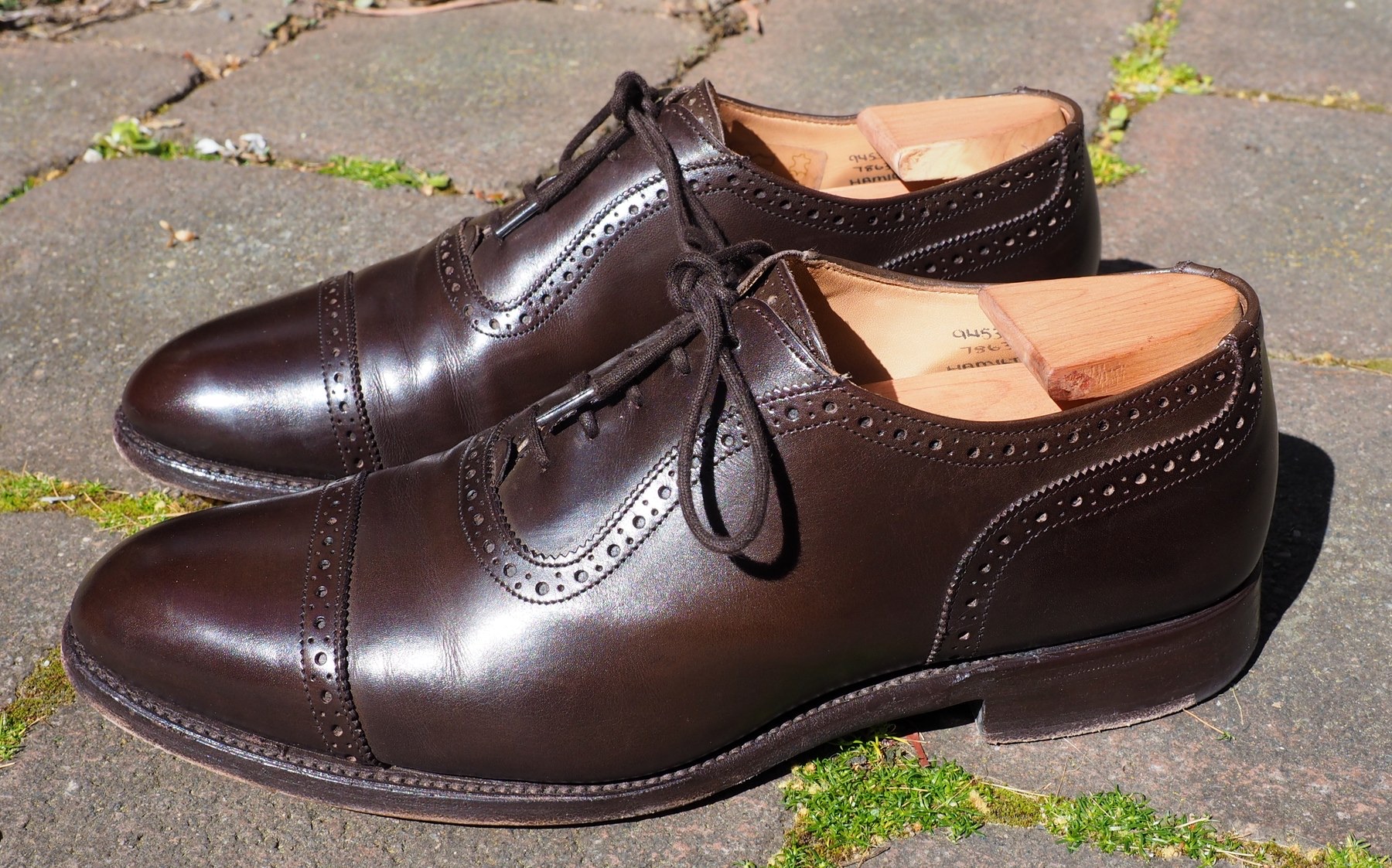
A pair of leather shoes carries about 8,000 litres of water, as much as a pair of jeans, and almost none of it was used at the tannery. Leather is a by product of beef, it inherits a share of the animal's three years of feed, and the tannery adds a small volume of some of the hardest water in industry.
21 September 2026
Thirsty: Leather shoes
A pair of leather shoes carries about 8,000 litres of water, as much as a pair of jeans, and almost none of it was used at the tannery. Leather is a by product of beef, it inherits a share of the animal's three years of feed, and the tannery adds a small volume of some of the hardest water in industry.
21 September 2026
 Thirsty: Pork
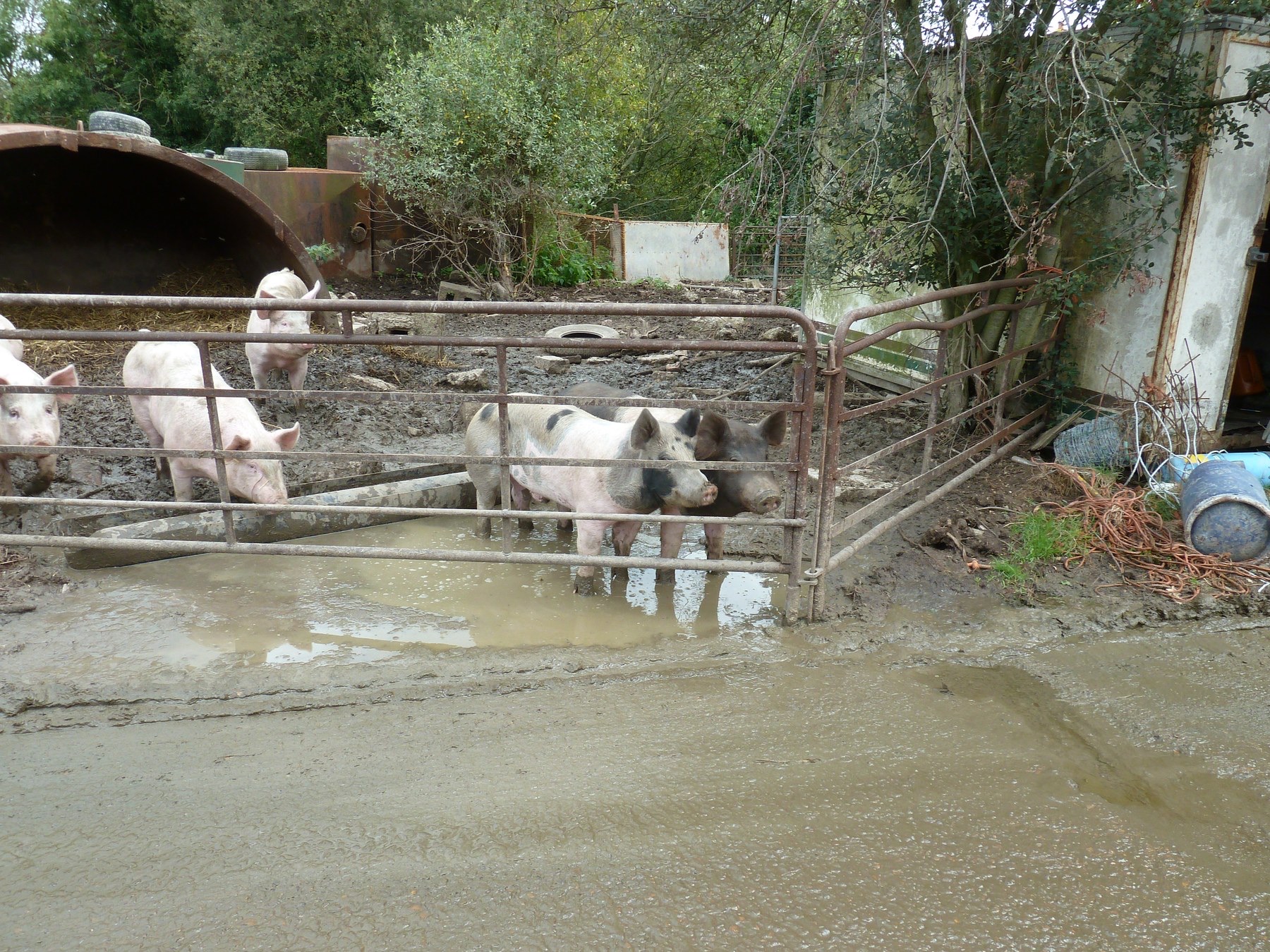
Half the pigs on Earth live in China, most of the rest in Europe and the Americas, and nearly all of them eat grain. A kilogram of pork carries about six thousand litres of water, between chicken and beef, and the part of it that the neighbours notice is the lagoon behind the barn. What a pig's water is made of, why the number sits where it does, and what a million pigs do to a river.
21 September 2026
Thirsty: Pork
Half the pigs on Earth live in China, most of the rest in Europe and the Americas, and nearly all of them eat grain. A kilogram of pork carries about six thousand litres of water, between chicken and beef, and the part of it that the neighbours notice is the lagoon behind the barn. What a pig's water is made of, why the number sits where it does, and what a million pigs do to a river.
21 September 2026
 Thirsty: Smartphone
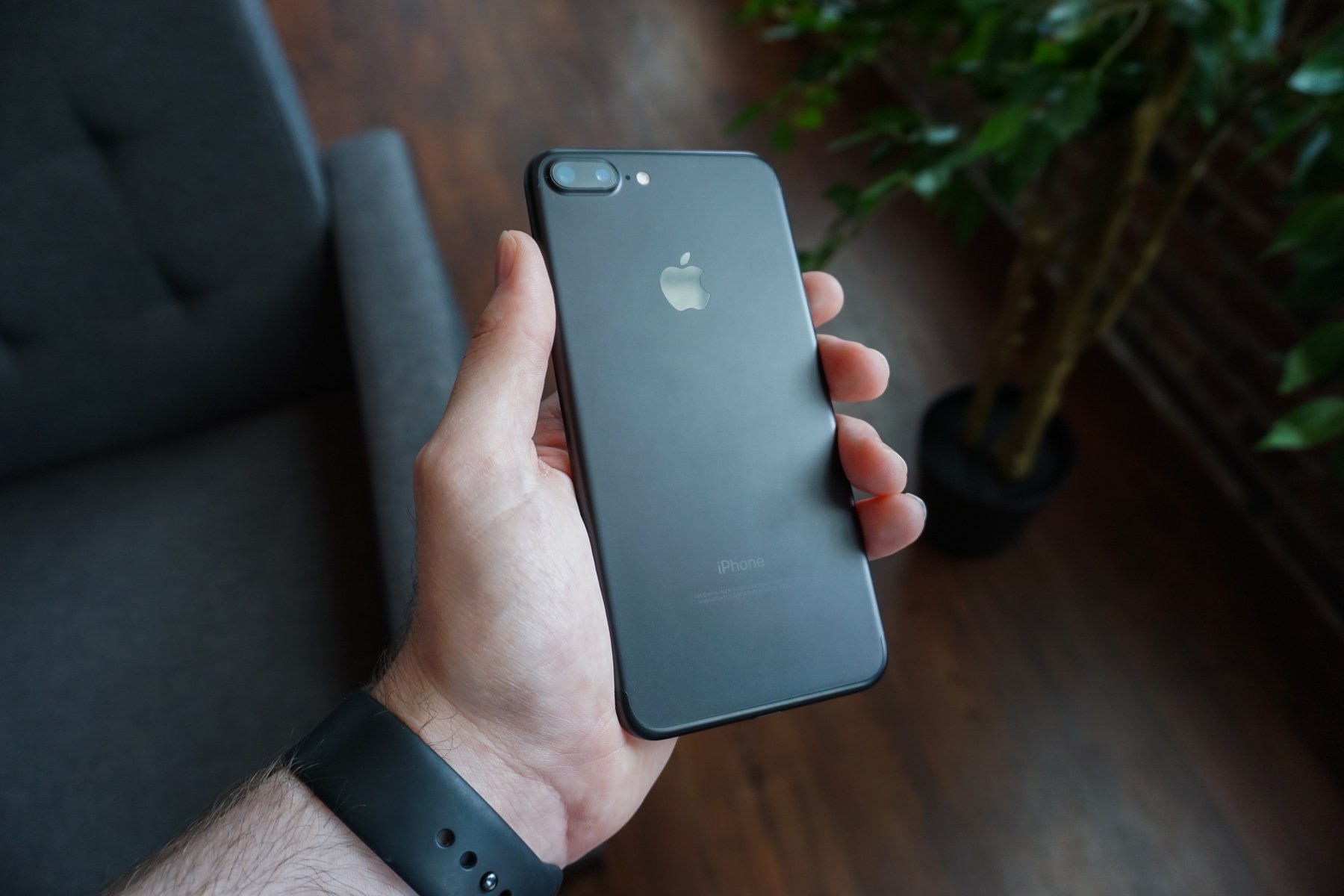
A phone weighs less than a glass of water and took about twelve thousand litres to make. Almost none of that water is in the mine. It is in the factory that made the chip, where water has to be cleaner than anything a person will ever drink, and where the cleaning is the thirstiest thing in the building.
21 September 2026
Thirsty: Smartphone
A phone weighs less than a glass of water and took about twelve thousand litres to make. Almost none of that water is in the mine. It is in the factory that made the chip, where water has to be cleaner than anything a person will ever drink, and where the cleaning is the thirstiest thing in the building.
21 September 2026
 Thirsty: Sugar
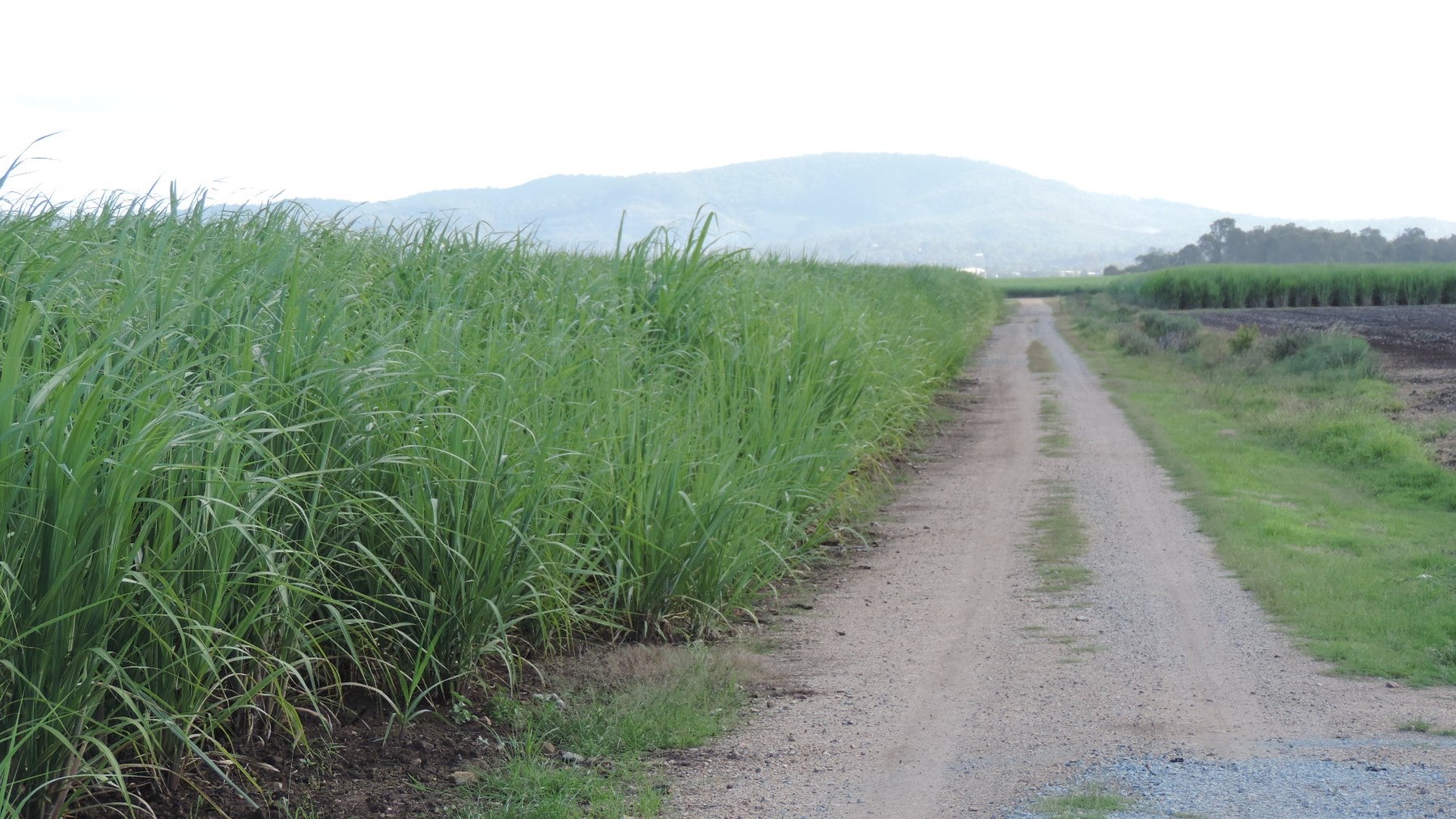
A kilogram of cane sugar carries about 1,782 litres of water, and beet sugar about half that. The difference is the plant and the place: a tropical grass that drinks all year, grown on rain in Brazil and on pumped water in India, where one crop takes more irrigation than any other on a fraction of the land.
21 September 2026
Thirsty: Sugar
A kilogram of cane sugar carries about 1,782 litres of water, and beet sugar about half that. The difference is the plant and the place: a tropical grass that drinks all year, grown on rain in Brazil and on pumped water in India, where one crop takes more irrigation than any other on a fraction of the land.
21 September 2026
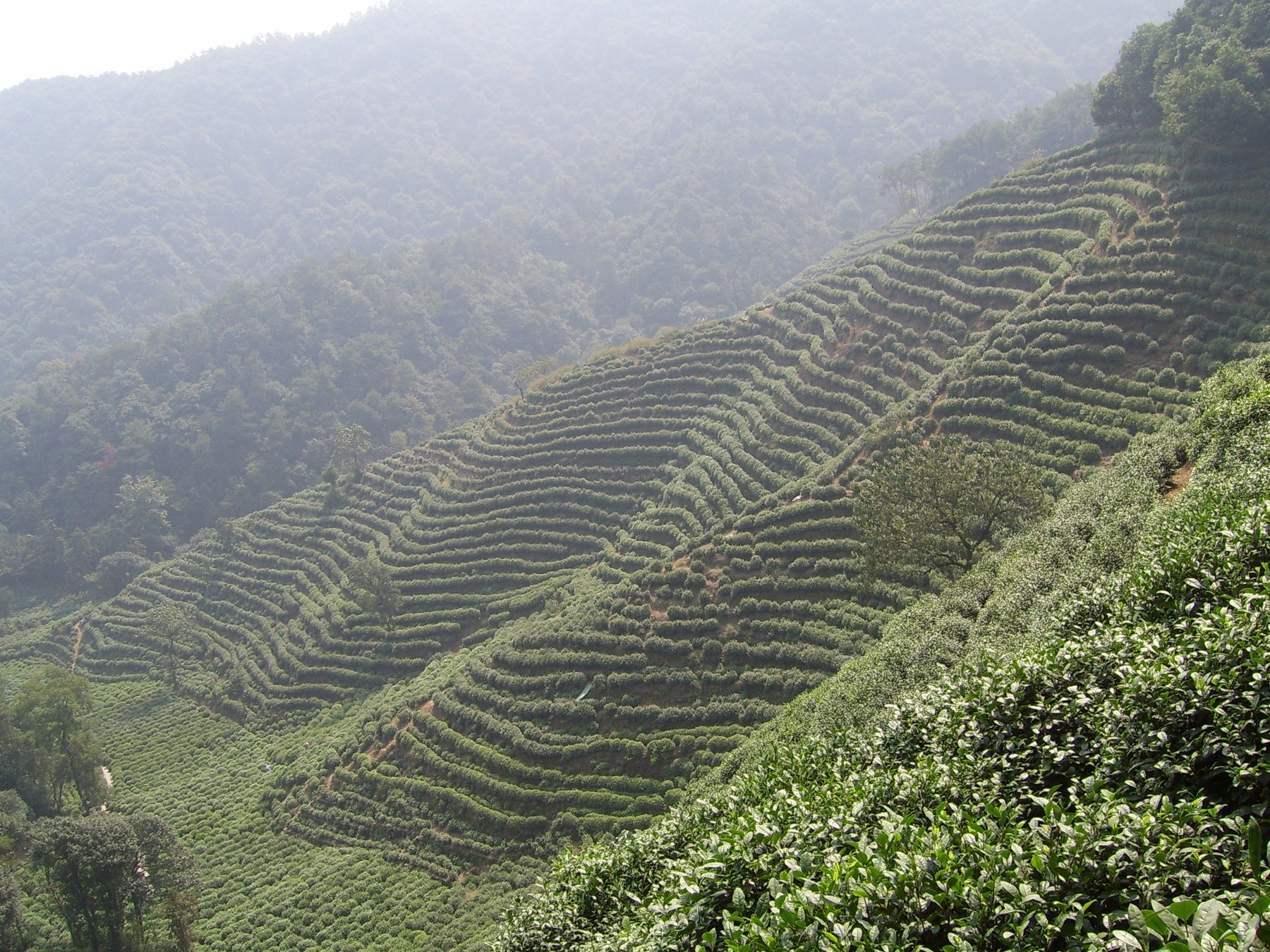 Thirsty: Tea
A cup of tea carries about 27 litres of water, a fifth of what a cup of coffee does, and almost all of it is monsoon rain on a hillside. Why tea is the gentler drink, what the leaf goes through between the bush and the bag, and why the countries that grow it are the countries where it rains.
21 September 2026
Thirsty: Tea
A cup of tea carries about 27 litres of water, a fifth of what a cup of coffee does, and almost all of it is monsoon rain on a hillside. Why tea is the gentler drink, what the leaf goes through between the bush and the bag, and why the countries that grow it are the countries where it rains.
21 September 2026
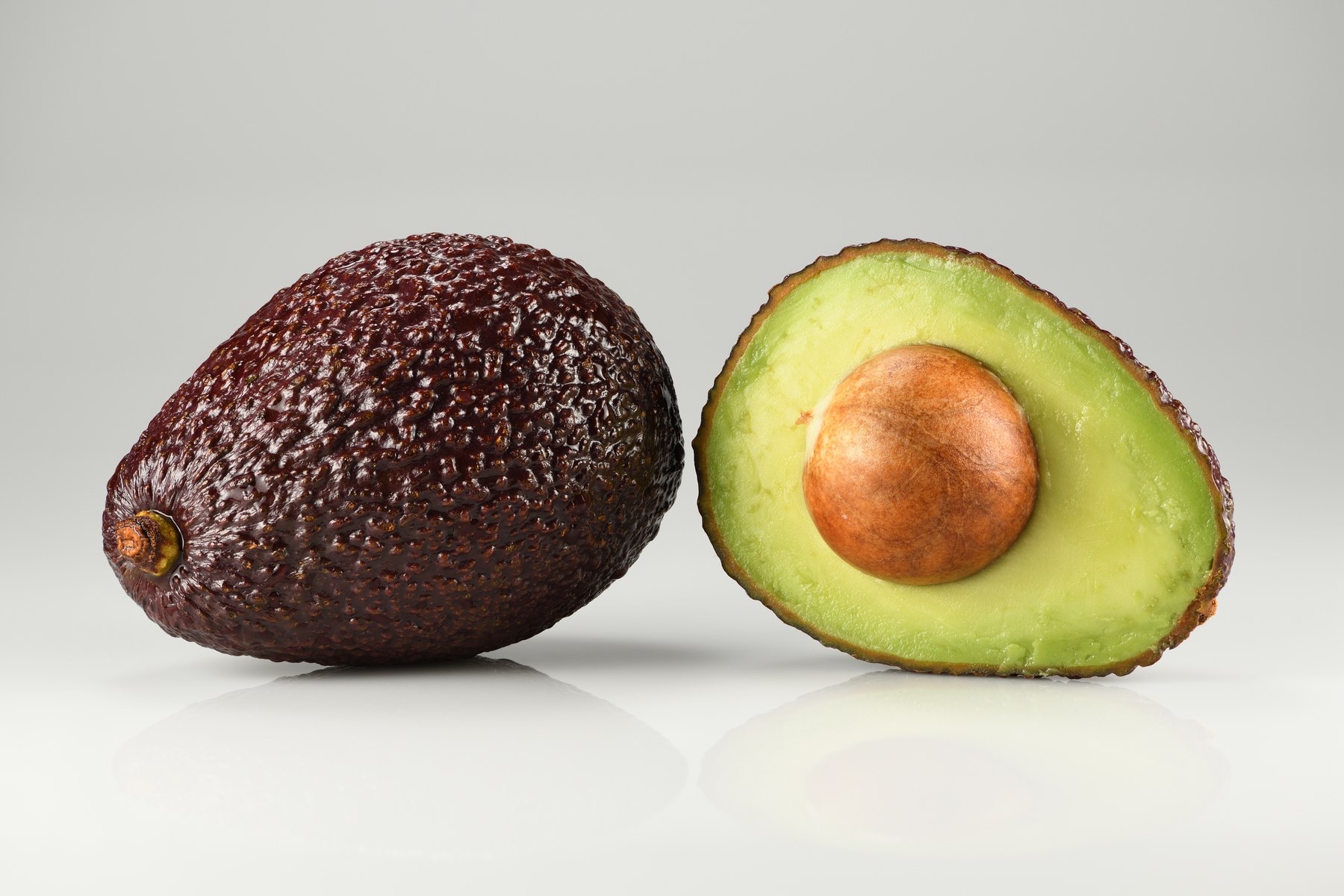 Thirsty: Avocado
Every footprint on this site has argued that a big water number is not automatically bad news. The avocado is where that argument stops. About 400 litres for one fruit, and in the dry places where avocados grow, that water arrives through a pipe, from a river or a well that had other uses for it.
24 August 2026
Thirsty: Avocado
Every footprint on this site has argued that a big water number is not automatically bad news. The avocado is where that argument stops. About 400 litres for one fruit, and in the dry places where avocados grow, that water arrives through a pipe, from a river or a well that had other uses for it.
24 August 2026
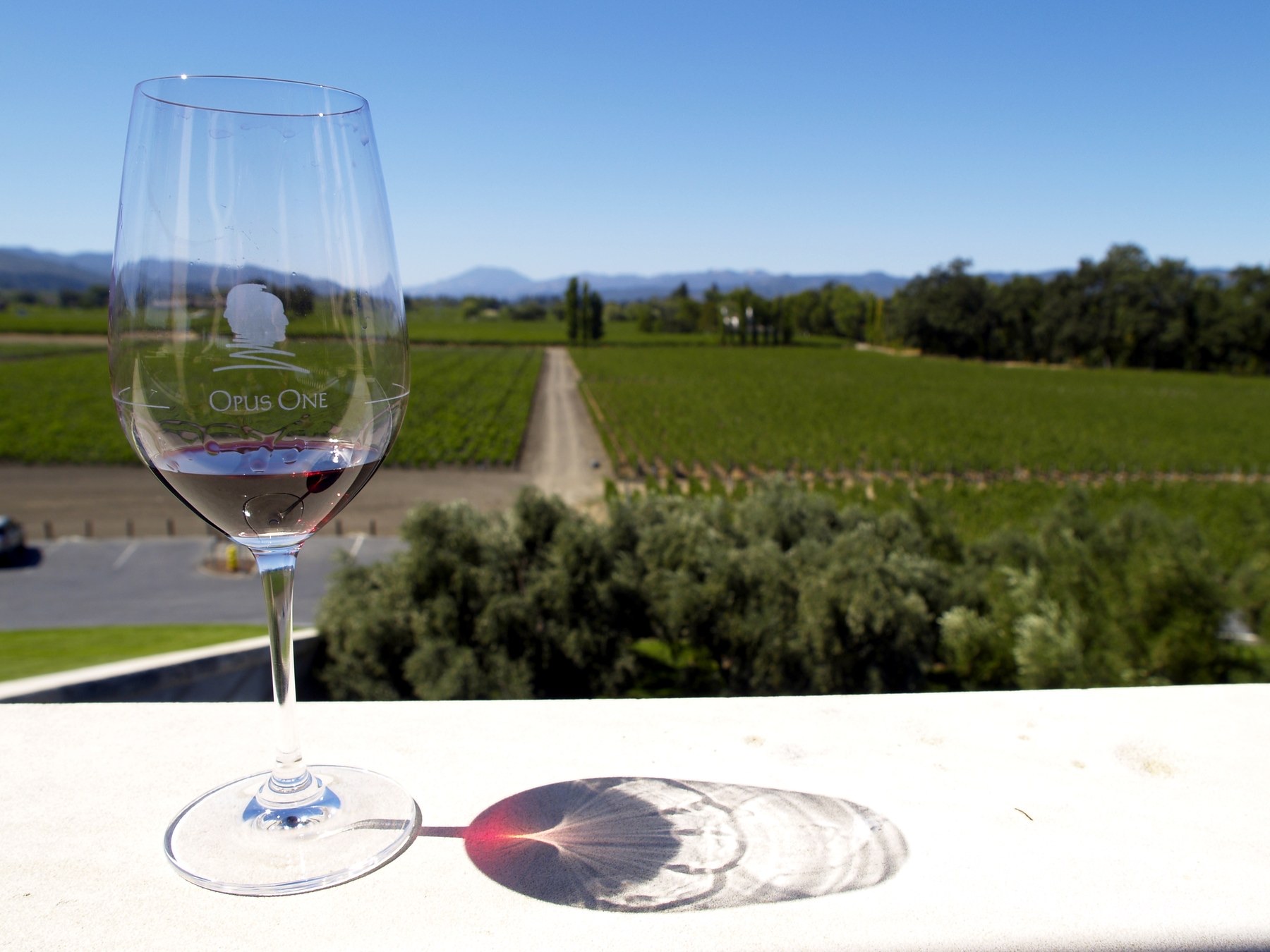 Thirsty: Wine
Almost every farmer on Earth is trying to get more water to their crop. Winemakers are the exception, spending their careers keeping the vine a little thirsty. A glass of wine still carries about 109 litres, three times what beer does per litre, and the old rules about not watering vines are starting to bend in the heat.
24 August 2026
Thirsty: Wine
Almost every farmer on Earth is trying to get more water to their crop. Winemakers are the exception, spending their careers keeping the vine a little thirsty. A glass of wine still carries about 109 litres, three times what beer does per litre, and the old rules about not watering vines are starting to bend in the heat.
24 August 2026
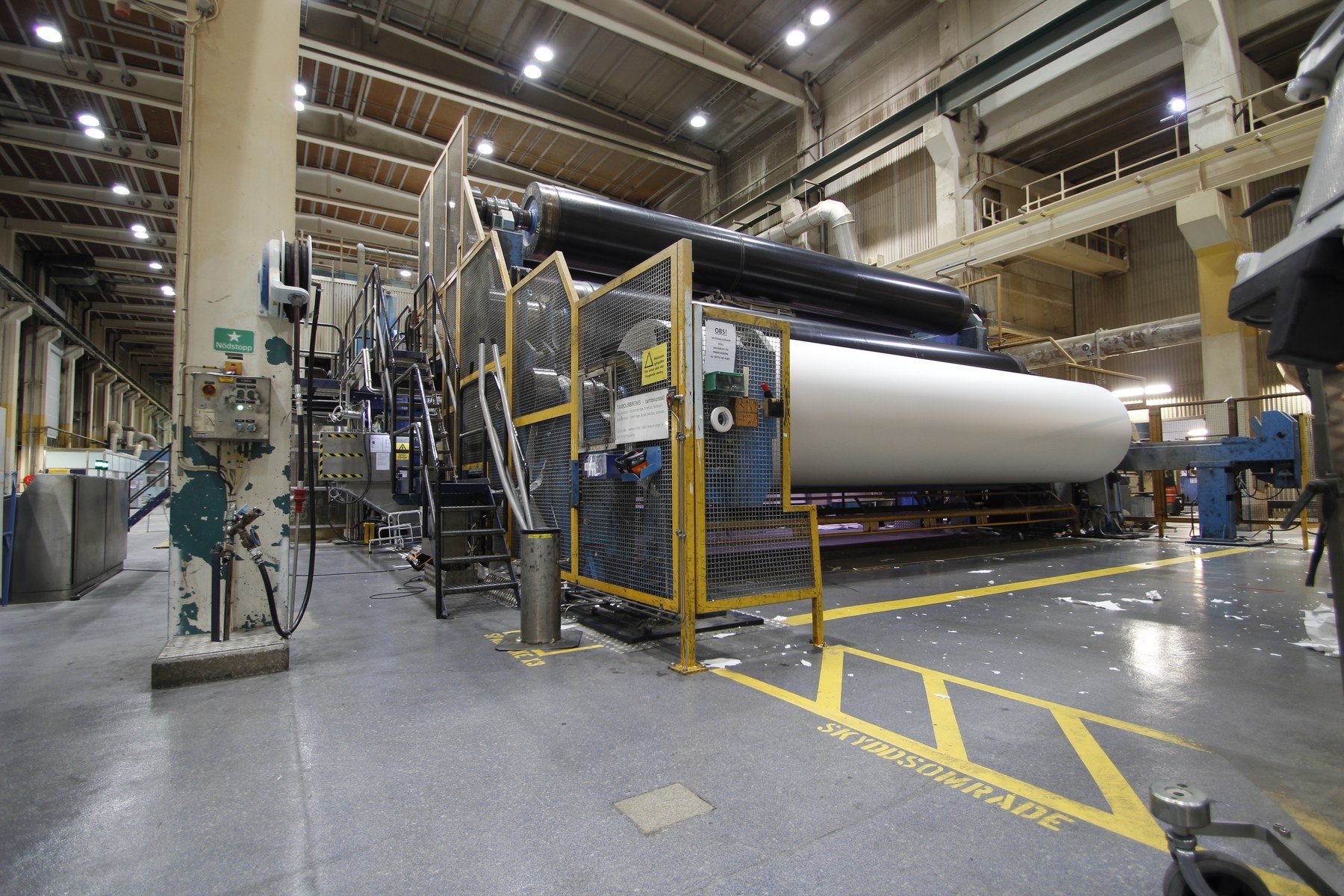 Thirsty: Paper
A sheet of office paper carries about 10 litres of water, most of it drunk by a tree over years. The mills that turn the tree into paper have cut their own water tenfold, which makes paper one of industry's quiet successes and the tree the part nobody can shrink.
12 August 2026
Thirsty: Paper
A sheet of office paper carries about 10 litres of water, most of it drunk by a tree over years. The mills that turn the tree into paper have cut their own water tenfold, which makes paper one of industry's quiet successes and the tree the part nobody can shrink.
12 August 2026
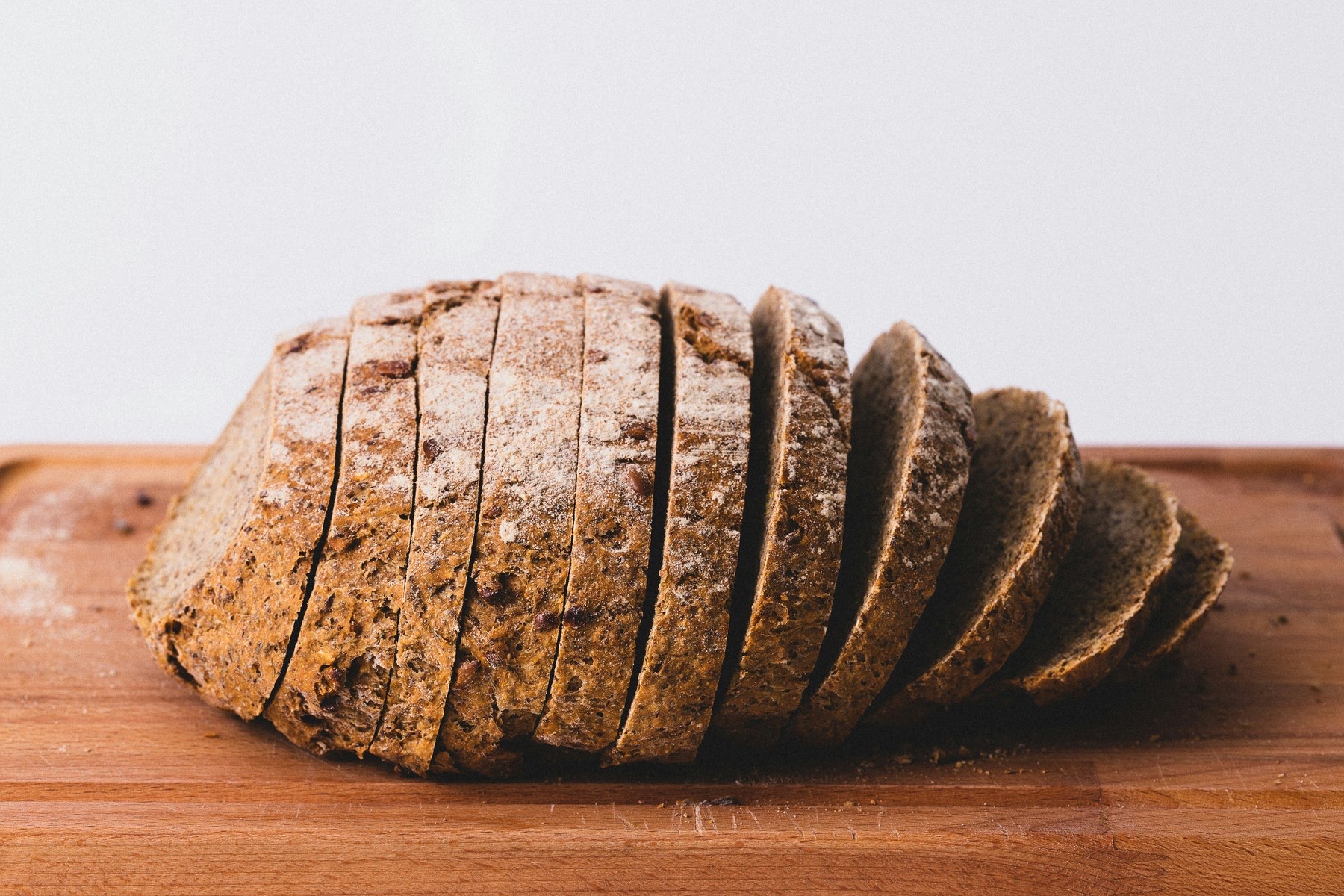 Thirsty: Bread
A kilogram of bread carries about 1,608 litres of water, roughly 65 litres a slice, and almost all of it is the wheat. Wheat covers more of the Earth than any other crop, most of it grows on rain, and the part that does not is drawn from some of the most overdrawn aquifers in the world.
10 August 2026
Thirsty: Bread
A kilogram of bread carries about 1,608 litres of water, roughly 65 litres a slice, and almost all of it is the wheat. Wheat covers more of the Earth than any other crop, most of it grows on rain, and the part that does not is drawn from some of the most overdrawn aquifers in the world.
10 August 2026
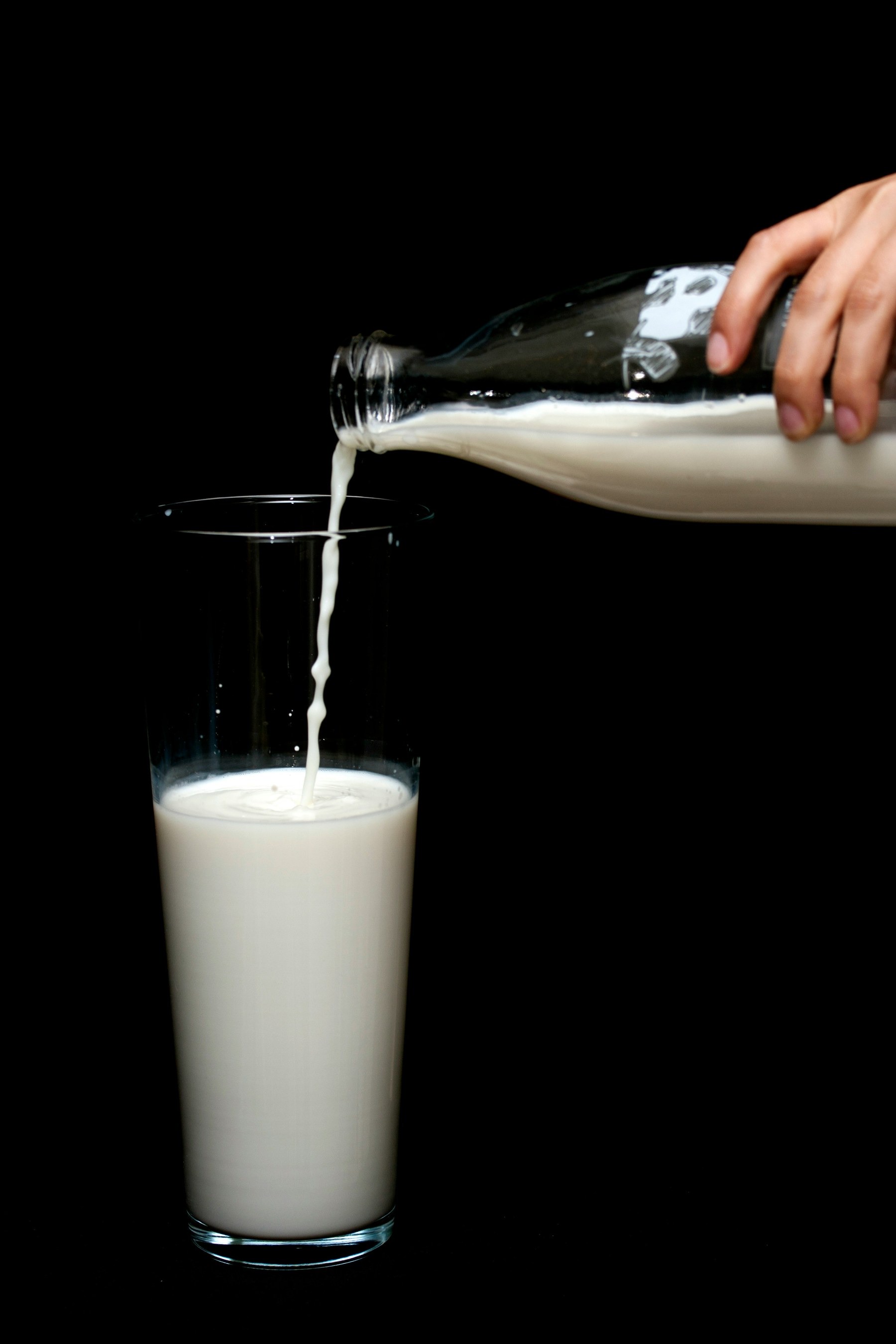 Thirsty: Milk
A litre of milk takes about 1,020 litres of water to produce, and the cow drinks almost none of it. The water is in the grass and grain she eats every day, which is also what decides whether dairy or a plant milk is the heavier choice, and why the answer depends on the farm behind the carton.
10 August 2026
Thirsty: Milk
A litre of milk takes about 1,020 litres of water to produce, and the cow drinks almost none of it. The water is in the grass and grain she eats every day, which is also what decides whether dairy or a plant milk is the heavier choice, and why the answer depends on the farm behind the carton.
10 August 2026
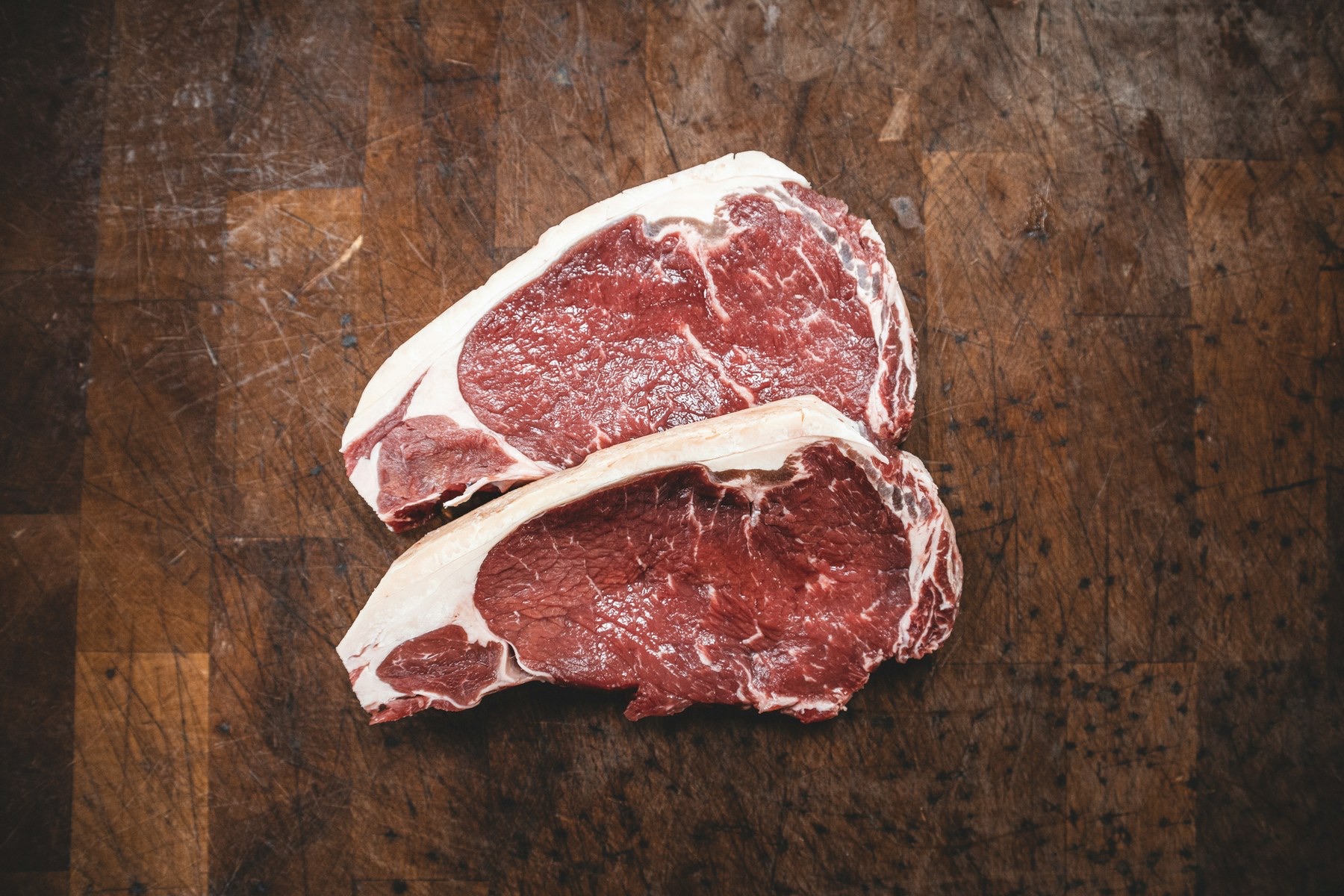 Thirsty: Beef
A 200 gram steak carries about 3,100 litres of water, and 98 percent of it never touched the animal. The water footprint of beef is the footprint of three years of feed, and how those years were fed decides whether the number is rain on a hillside or a river in a dry valley.
9 August 2026
Thirsty: Beef
A 200 gram steak carries about 3,100 litres of water, and 98 percent of it never touched the animal. The water footprint of beef is the footprint of three years of feed, and how those years were fed decides whether the number is rain on a hillside or a river in a dry valley.
9 August 2026
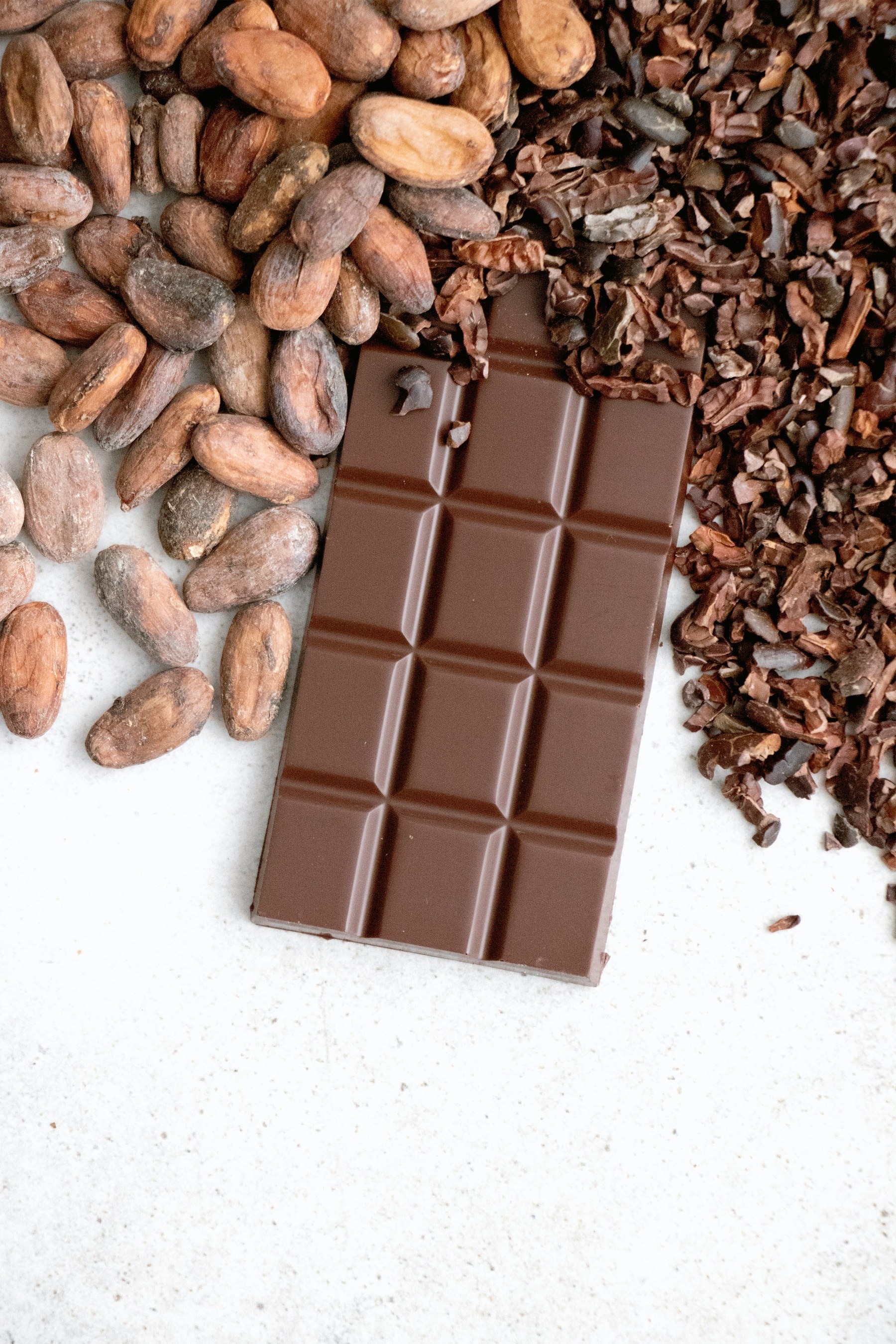 Thirsty: Chocolate
A 100 gram bar of chocolate carries about 1,700 litres of water, and per kilogram cocoa outweighs beef. Almost all of it is rain on a tropical farm, which is the reason the number is less alarming than it looks, and the reason cocoa's real worry is heat rather than water.
9 August 2026
Thirsty: Chocolate
A 100 gram bar of chocolate carries about 1,700 litres of water, and per kilogram cocoa outweighs beef. Almost all of it is rain on a tropical farm, which is the reason the number is less alarming than it looks, and the reason cocoa's real worry is heat rather than water.
9 August 2026
 Thirsty: Rice
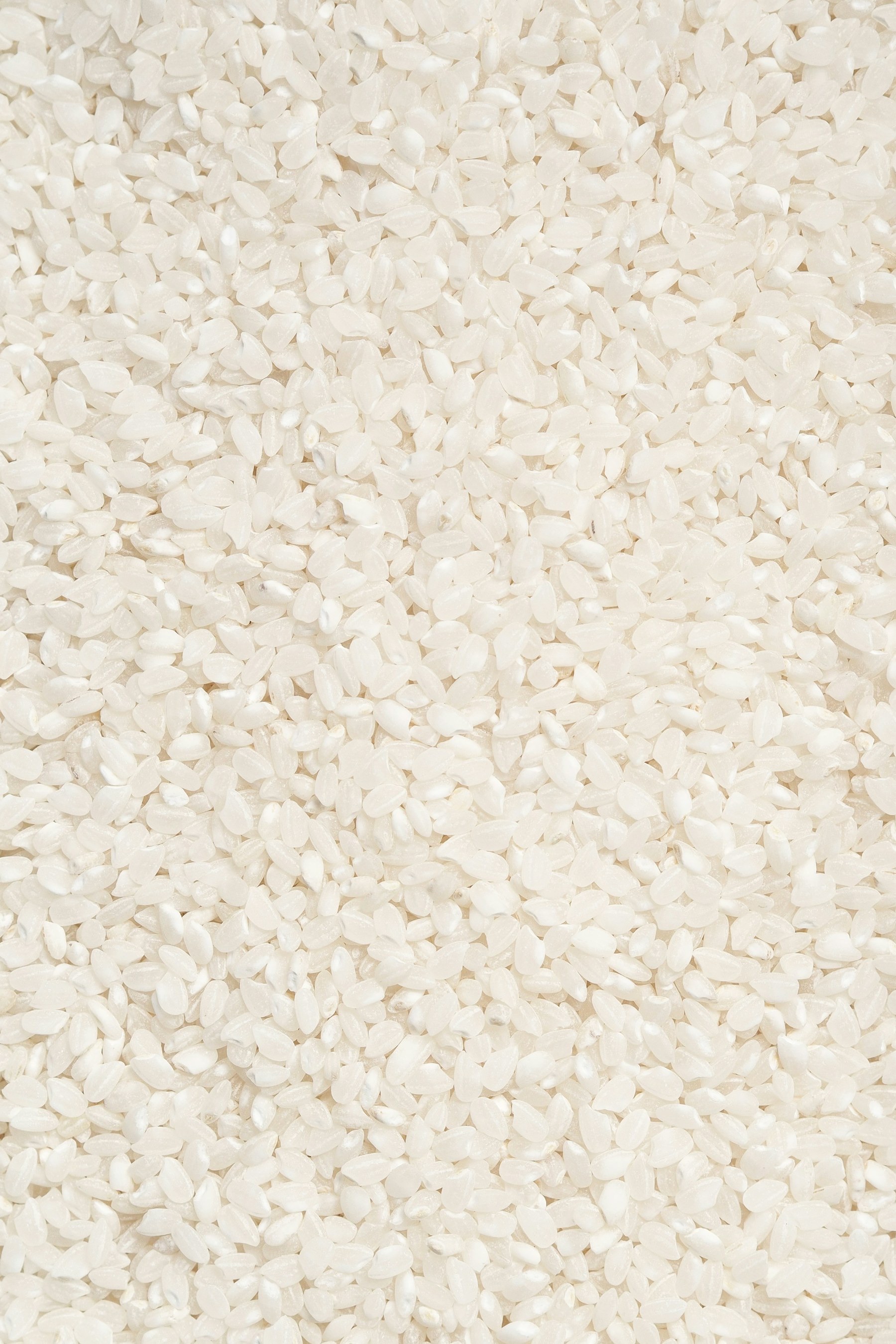
A flooded paddy looks as if the crop must grow underwater. It does not. Rice grows in moist soil, and the flooding is mostly weed control, a trick thousands of years old. The cost of the trick is that rice takes about a third of all the irrigation water on Earth, and the fix is already spreading through the fields.
9 August 2026
Thirsty: Rice
A flooded paddy looks as if the crop must grow underwater. It does not. Rice grows in moist soil, and the flooding is mostly weed control, a trick thousands of years old. The cost of the trick is that rice takes about a third of all the irrigation water on Earth, and the fix is already spreading through the fields.
9 August 2026
 Thirsty: Coffee
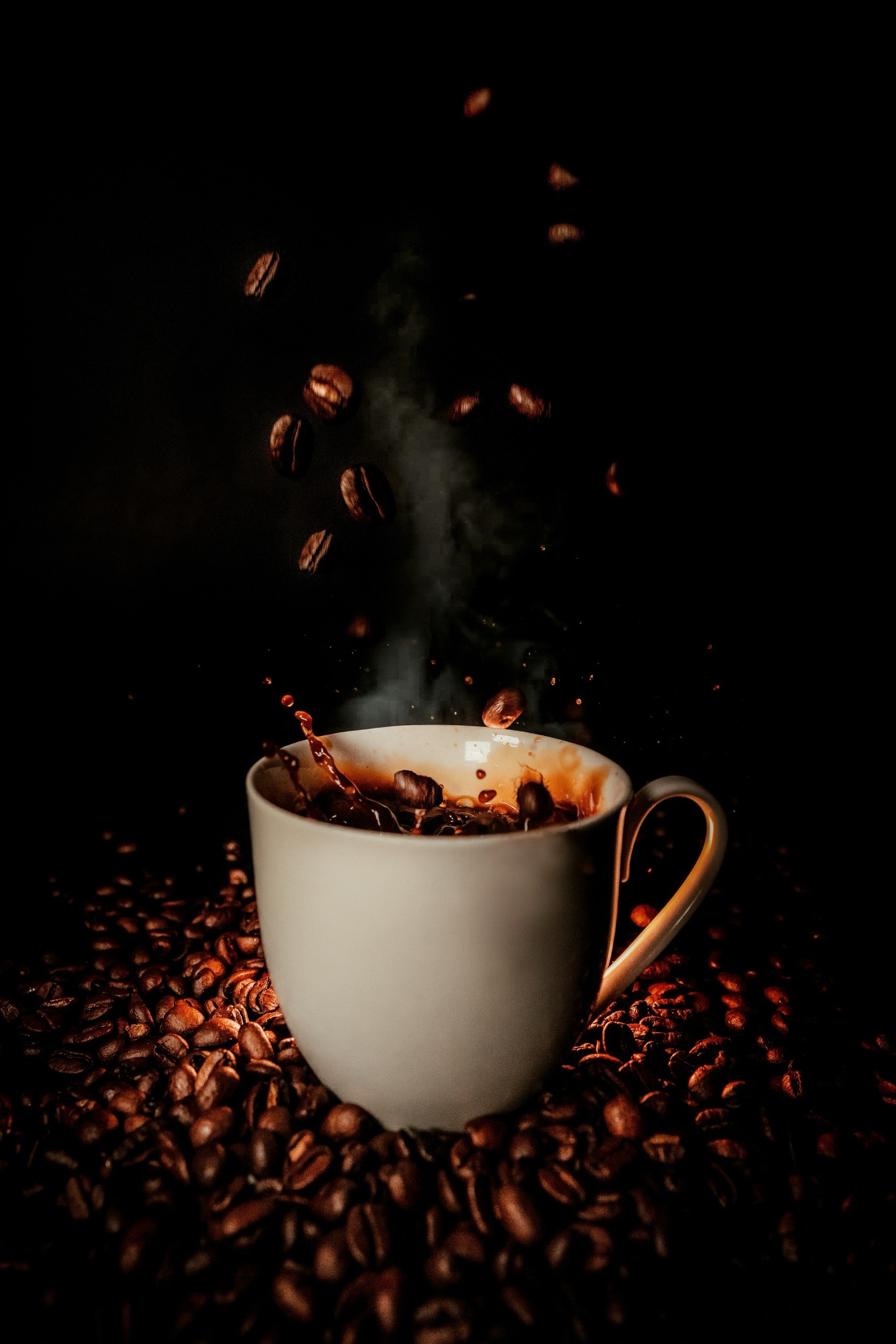
A cup of coffee holds about 125 millilitres of water. Making it took roughly a thousand times more. Where those litres went, how anyone counts them, and why the total on its own is the least interesting thing about it.
7 August 2026
Thirsty: Coffee
A cup of coffee holds about 125 millilitres of water. Making it took roughly a thousand times more. Where those litres went, how anyone counts them, and why the total on its own is the least interesting thing about it.
7 August 2026
 Thirsty: Jeans
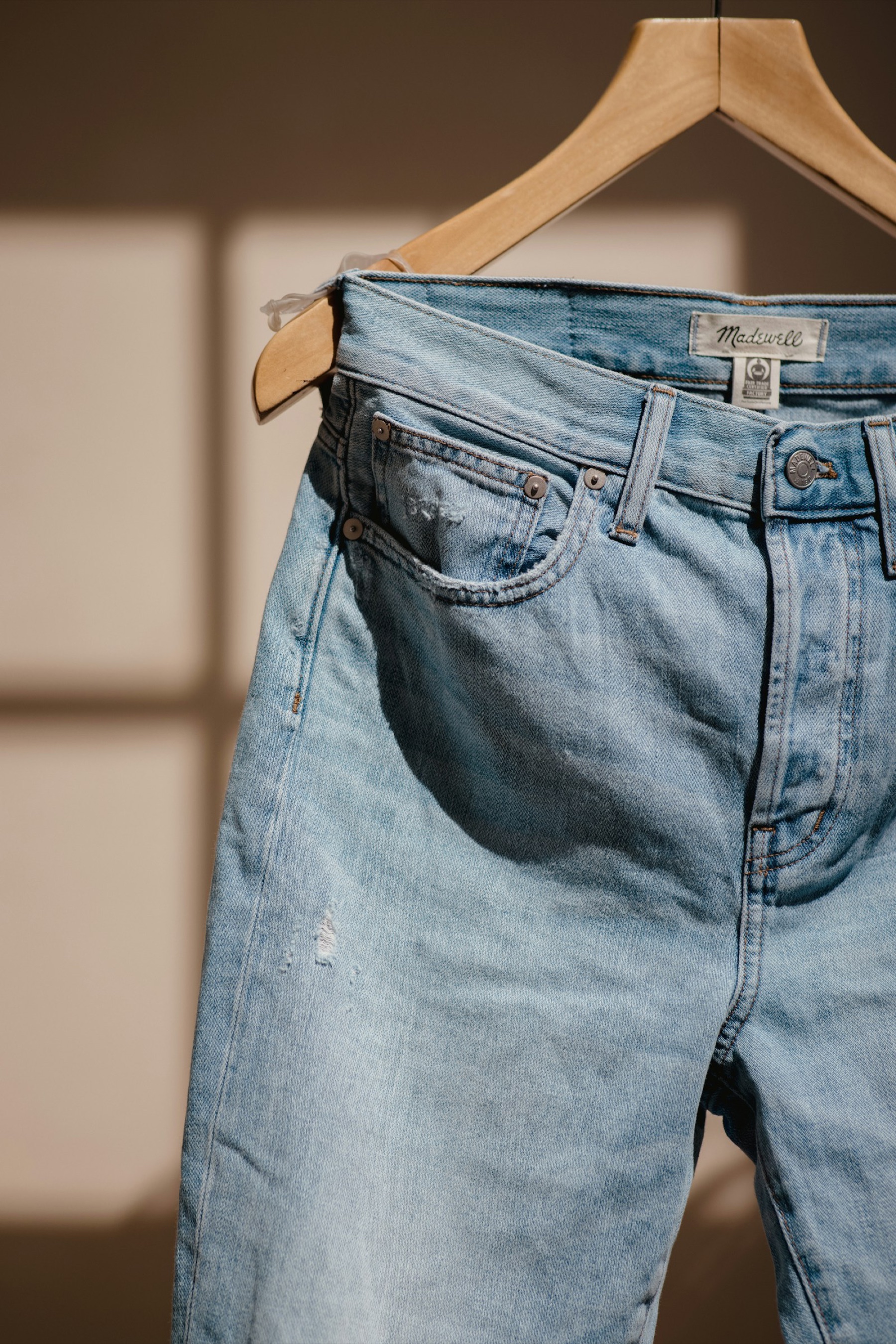
A pair of jeans carries about 8,000 litres of water from the cotton field to the shop, and the most detailed study ever made of a single garment found that a quarter of its lifetime water is spent after it is bought. Where the litres go, why indigo is such a thirsty colour, and what the owner controls.
7 August 2026
Thirsty: Jeans
A pair of jeans carries about 8,000 litres of water from the cotton field to the shop, and the most detailed study ever made of a single garment found that a quarter of its lifetime water is spent after it is bought. Where the litres go, why indigo is such a thirsty colour, and what the owner controls.
7 August 2026
 Thirsty: T-shirt
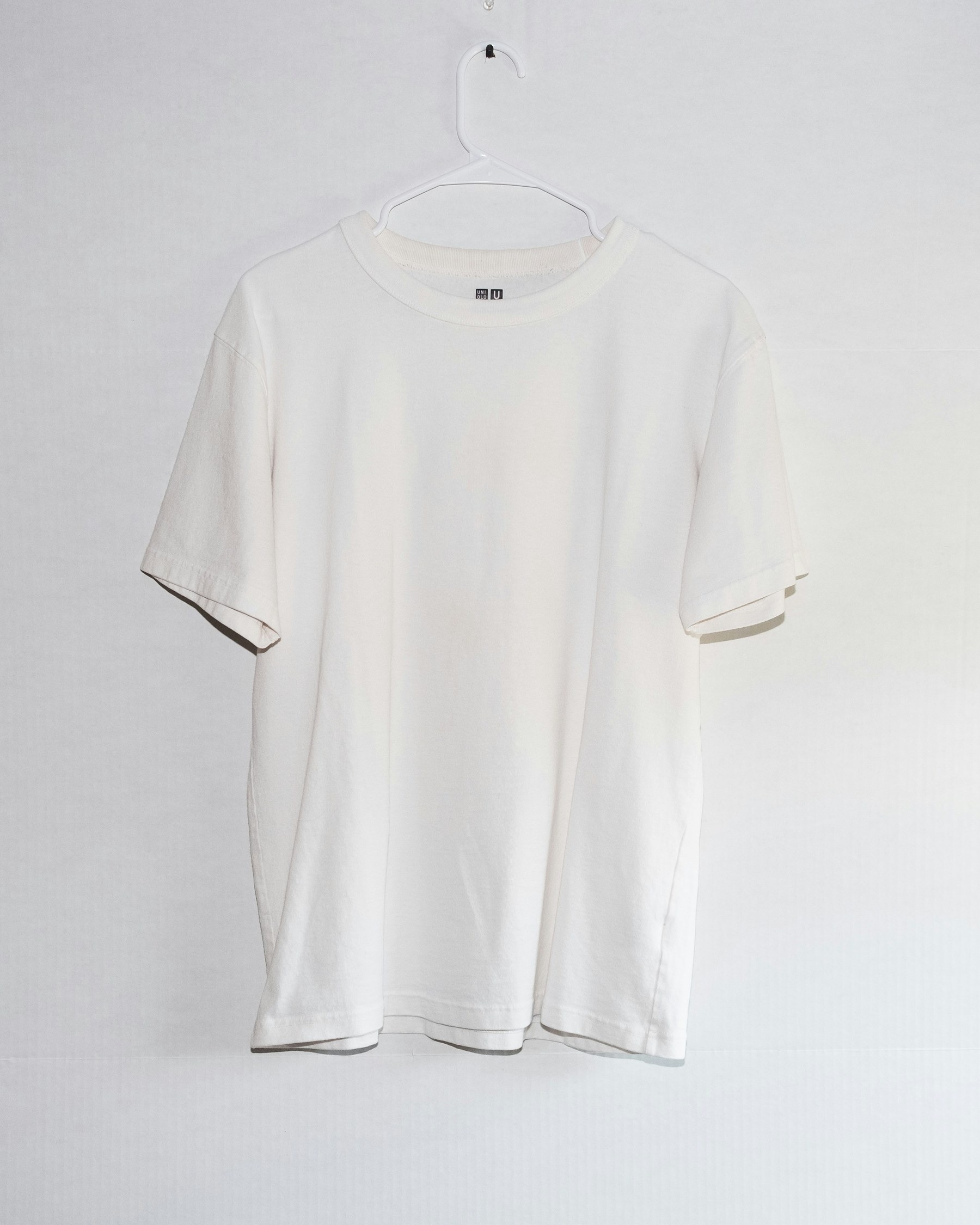
A cotton t-shirt carries about 2,700 litres of water, which is roughly what one person drinks in three years. Most of it fell on a cotton field or was pumped onto one, and in Central Asia the pumping was enough to turn the fourth largest lake on Earth into a desert.
7 August 2026
Thirsty: T-shirt
A cotton t-shirt carries about 2,700 litres of water, which is roughly what one person drinks in three years. Most of it fell on a cotton field or was pumped onto one, and in Central Asia the pumping was enough to turn the fourth largest lake on Earth into a desert.
7 August 2026
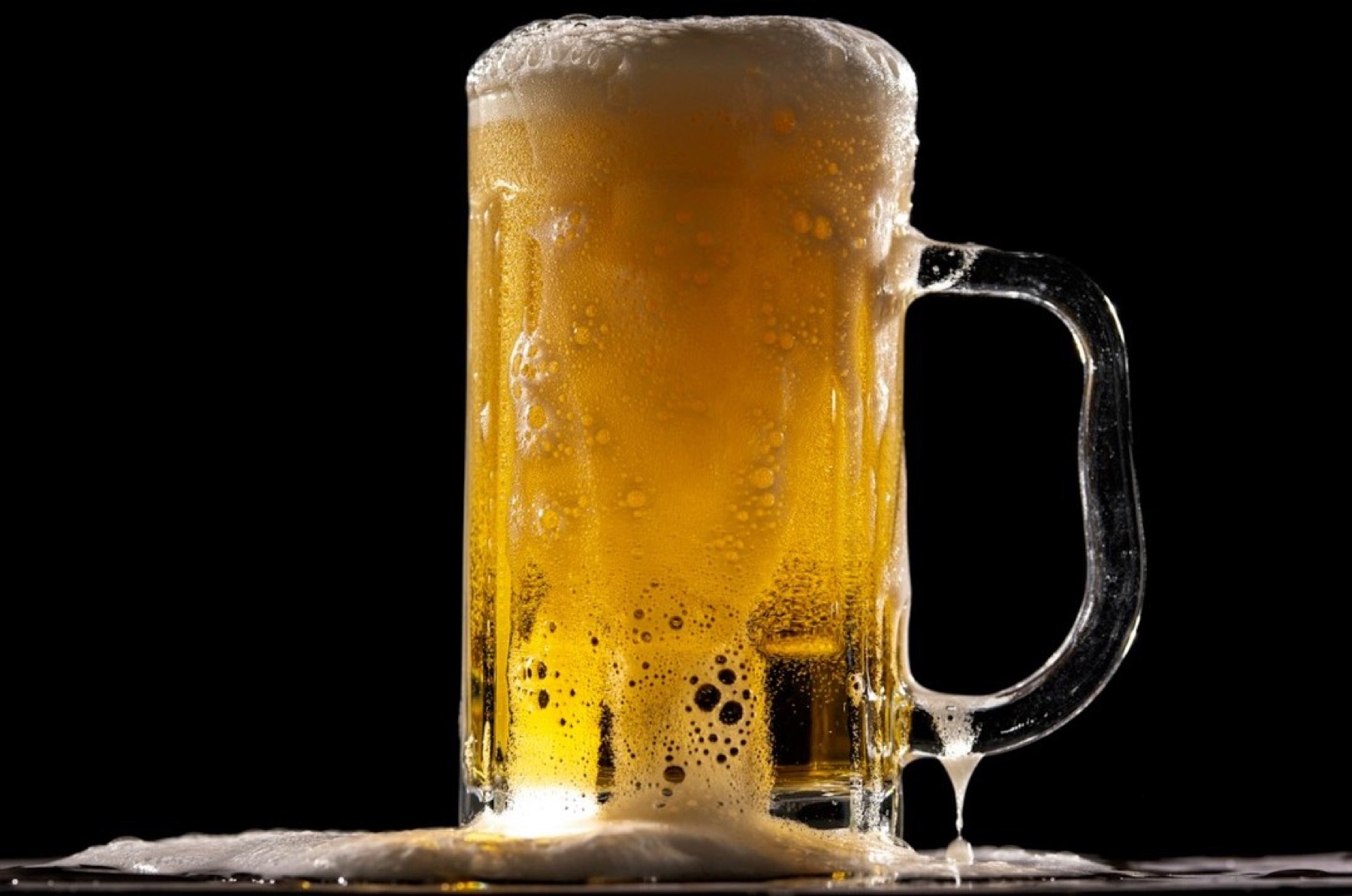 Thirsty: Beer
A 250 millilitre glass of beer carries about 74 litres of water, and almost none of it was spent at the brewery. The barley in the field is the whole story, and inside the brewery, where water mostly goes on cleaning, brewers watch their ratio more closely than any industry on this site.
6 August 2026
Thirsty: Beer
A 250 millilitre glass of beer carries about 74 litres of water, and almost none of it was spent at the brewery. The barley in the field is the whole story, and inside the brewery, where water mostly goes on cleaning, brewers watch their ratio more closely than any industry on this site.
6 August 2026