Thirsty Industries
The factories, mines and plants behind the numbers, and the water that runs through them.
Behind every product on the Thirsty list is a plant, and the plant is where water becomes an engineering problem. A textile mill dyes with it, a tannery limes hides in it, a chip factory rinses silicon in water so pure it dissolves metal, a steelworks runs a river through the walls of its furnaces and gives it back warm. These articles go inside those plants.
Each one explains what the water is for, how much a factory takes and how much it keeps, and what comes out of the drain. The difference between water withdrawn and water consumed runs through the whole series: a power station on a river borrows an enormous flow and returns nearly all of it, while a cooling tower takes a fraction and sends it into the sky. Both numbers matter, to different people.
The industries here are the ones I have worked in and around, and the articles are written from the plant floor: what a good works does with its water, what a bad one does to its river, and how the better plants have learned to close the loop.
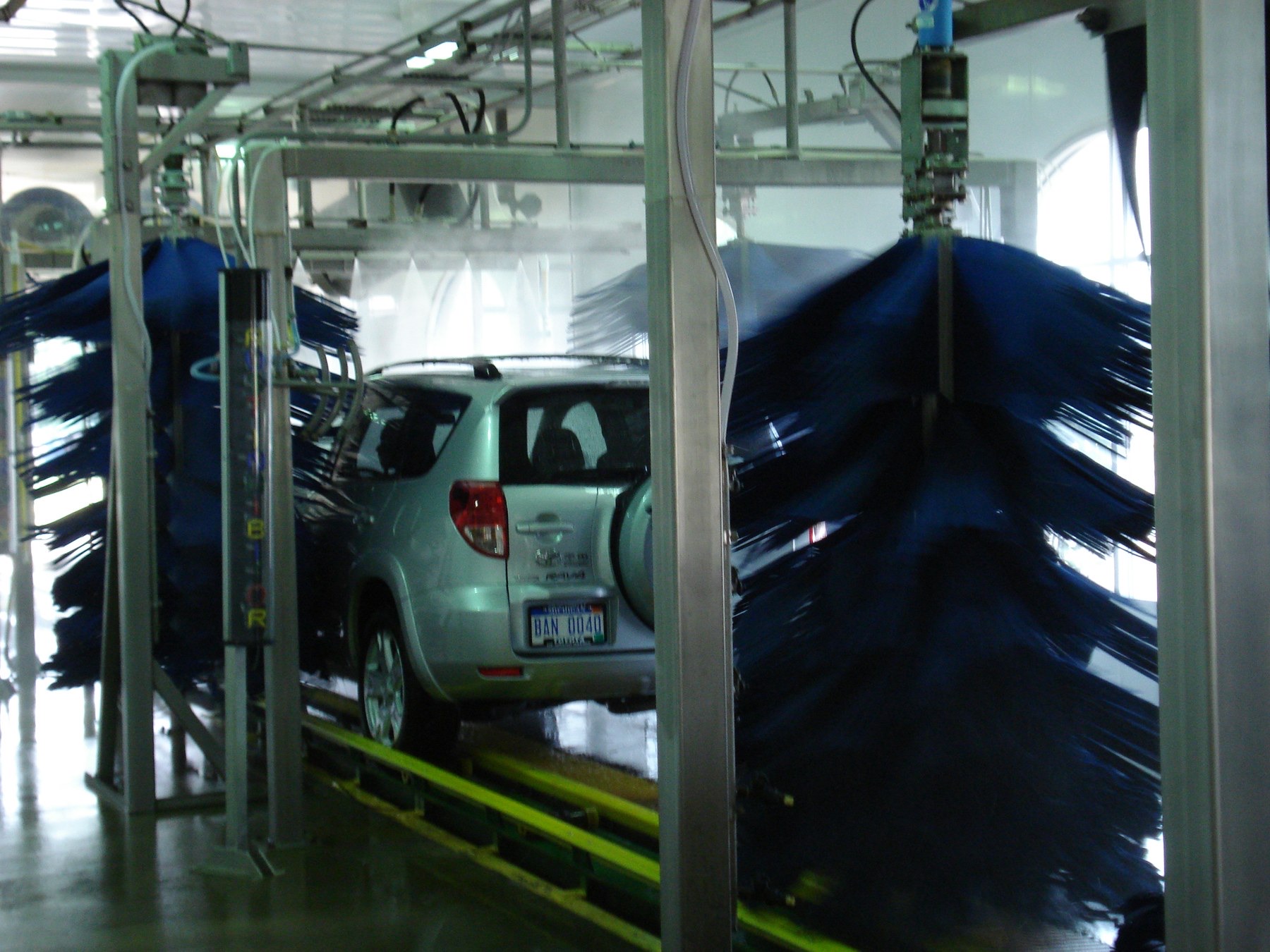 Thirsty Industries: Car Washes
A car washed with a hose on the drive uses three to five hundred litres, and a car washed in a modern tunnel uses a hundred and fifty, of which most has been used before. Where the water goes in a car wash, why the professional wash beats the driveway on water and on what goes down the drain, how a reclaim system works and how much it saves, what a drought does to the industry, and why the water in a car wash is small and the argument about it is the one every city has in August.
26 September 2026
Thirsty Industries: Car Washes
A car washed with a hose on the drive uses three to five hundred litres, and a car washed in a modern tunnel uses a hundred and fifty, of which most has been used before. Where the water goes in a car wash, why the professional wash beats the driveway on water and on what goes down the drain, how a reclaim system works and how much it saves, what a drought does to the industry, and why the water in a car wash is small and the argument about it is the one every city has in August.
26 September 2026
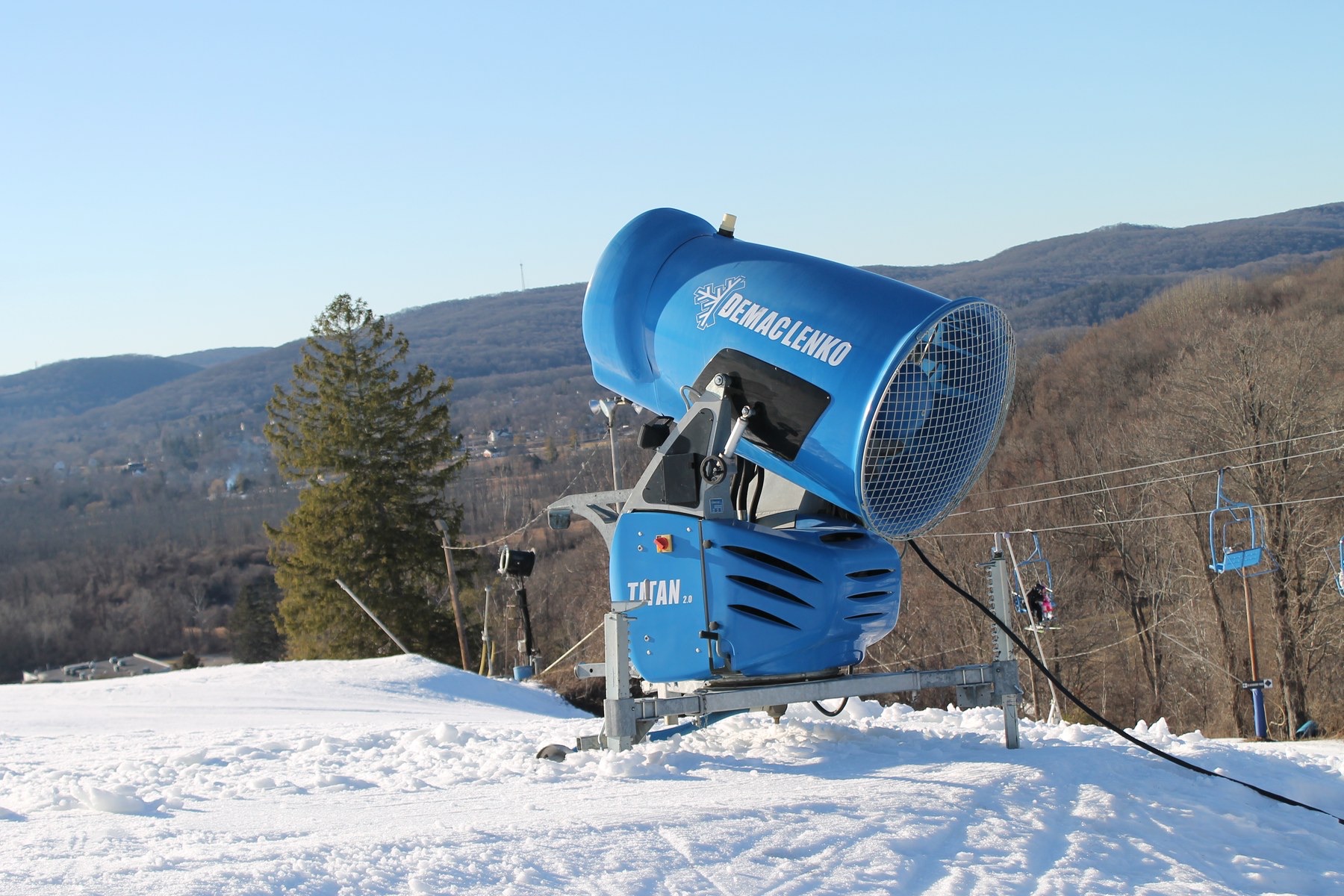 Thirsty Industries: Ski Resorts
Most of the snow on a modern piste was made from water pumped up a mountain and blown through a fan on a cold night, and the industry that sells winter now depends on it. What snowmaking is and what it uses, why a cubic metre of water makes two of snow and where the rest goes, what a resort's reservoir in the high pasture is for, why the Alps are the most snowmade mountains on Earth, what the Beijing Olympics showed, and what happens to the water when the snow melts.
26 September 2026
Thirsty Industries: Ski Resorts
Most of the snow on a modern piste was made from water pumped up a mountain and blown through a fan on a cold night, and the industry that sells winter now depends on it. What snowmaking is and what it uses, why a cubic metre of water makes two of snow and where the rest goes, what a resort's reservoir in the high pasture is for, why the Alps are the most snowmade mountains on Earth, what the Beijing Olympics showed, and what happens to the water when the snow melts.
26 September 2026
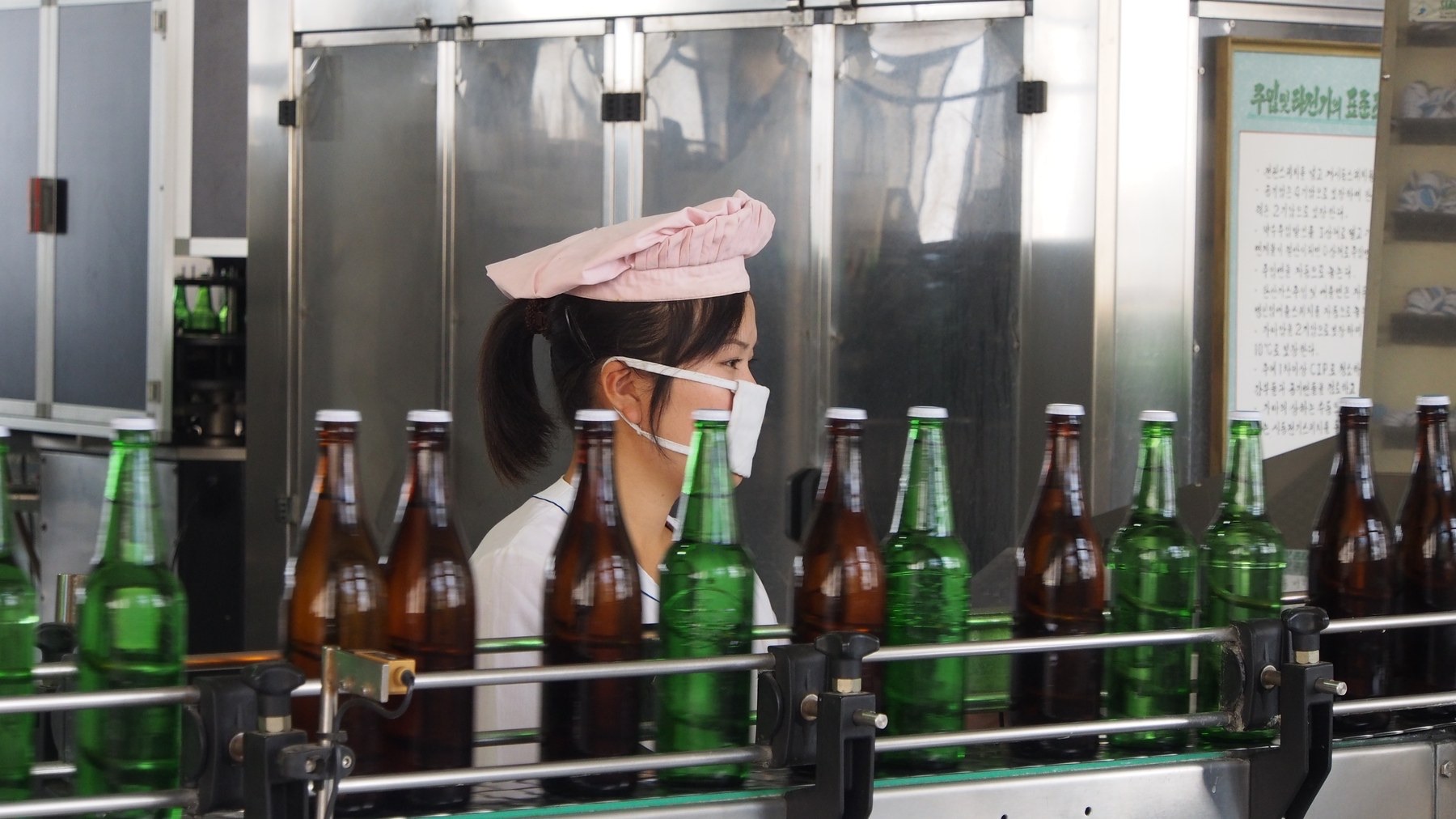 Thirsty Industries: Bottled Water Plants
The bottled water myth on this site is about the bottle. This is about the plant: a building over a spring or a well that pumps a few hundred million litres a year, filters and bottles it, and ships it away in a form the aquifer will never see again. What a bottling plant takes and pays, why the fights over them are fought in small towns, what a permit for a spring in Michigan cost, how the water of an island in the Pacific became a brand, and why the volume is small and the argument is not.
25 September 2026
Thirsty Industries: Bottled Water Plants
The bottled water myth on this site is about the bottle. This is about the plant: a building over a spring or a well that pumps a few hundred million litres a year, filters and bottles it, and ships it away in a form the aquifer will never see again. What a bottling plant takes and pays, why the fights over them are fought in small towns, what a permit for a spring in Michigan cost, how the water of an island in the Pacific became a brand, and why the volume is small and the argument is not.
25 September 2026
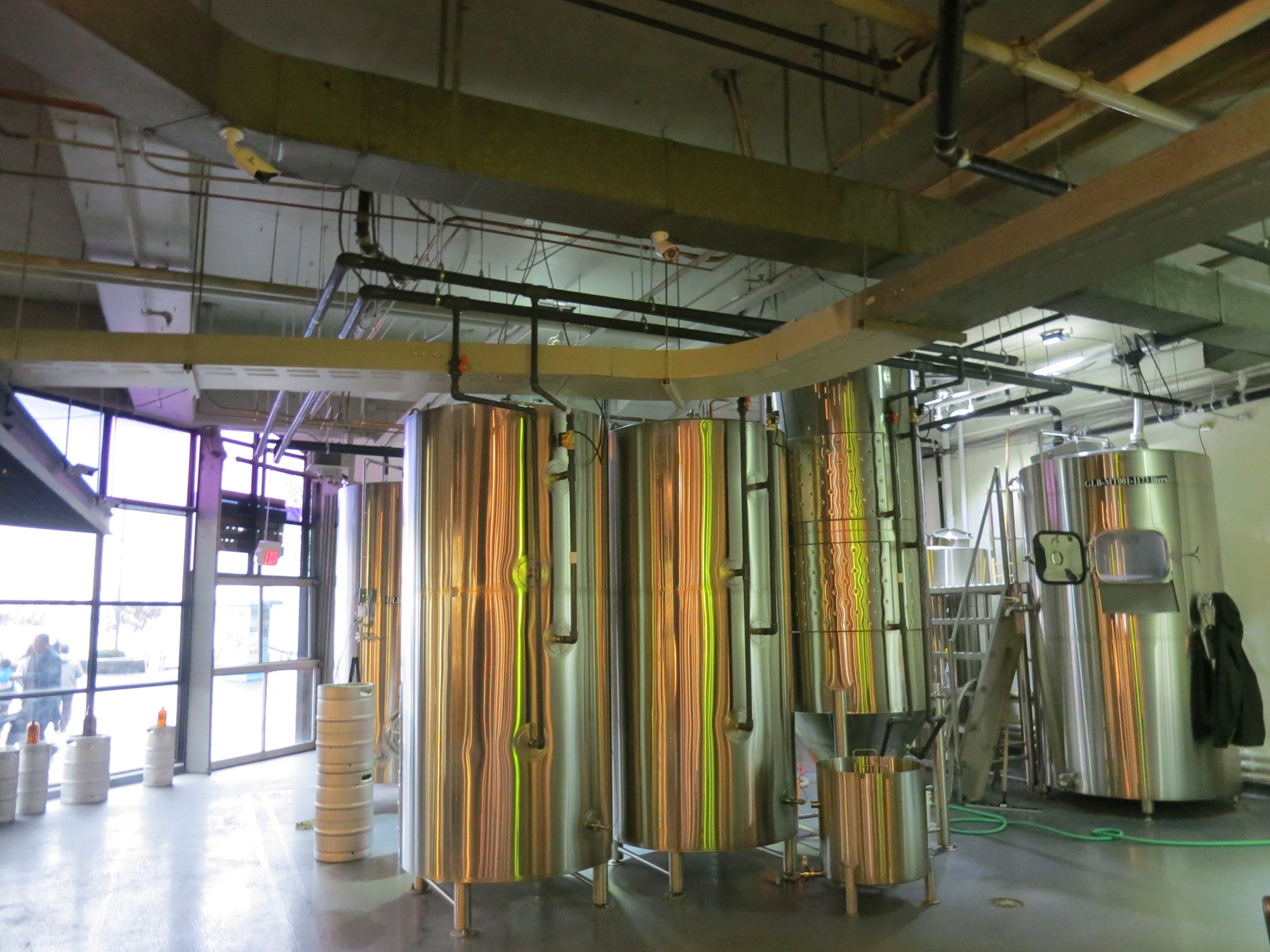 Thirsty Industries: Breweries
A brewery uses about three litres of water for every litre of beer it makes, down from six a generation ago, and the barley in the beer carries a hundred times that. What a brewery does with water, where the three litres go, what leaves the plant and why a treatment works dislikes it, why the world's largest brewers have set water targets before anyone asked, and what happened when a city in the Mexican desert voted on whether a brewery could have its water.
25 September 2026
Thirsty Industries: Breweries
A brewery uses about three litres of water for every litre of beer it makes, down from six a generation ago, and the barley in the beer carries a hundred times that. What a brewery does with water, where the three litres go, what leaves the plant and why a treatment works dislikes it, why the world's largest brewers have set water targets before anyone asked, and what happened when a city in the Mexican desert voted on whether a brewery could have its water.
25 September 2026
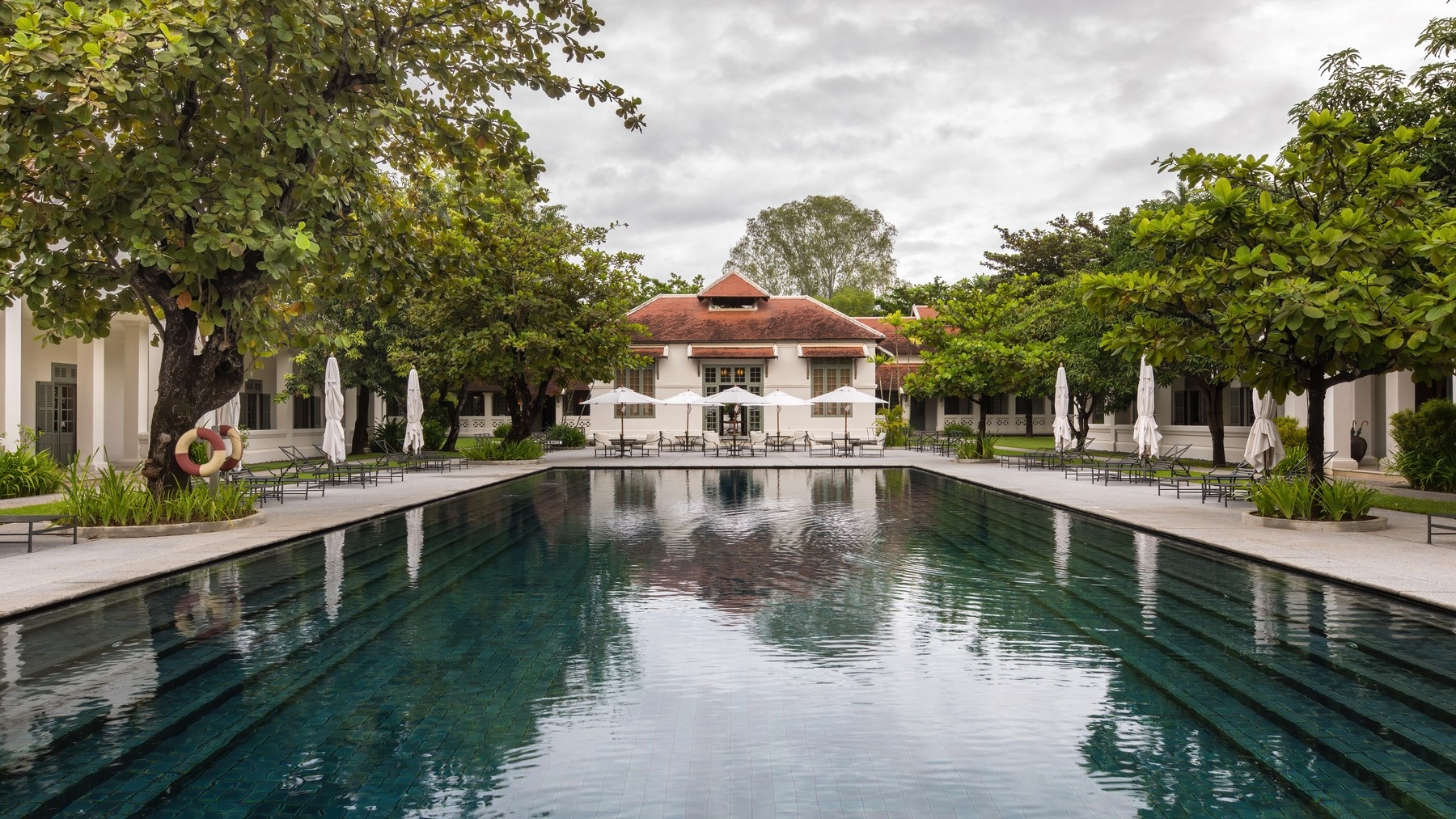 Thirsty Industries: Hotels and Tourism
A tourist on a Mediterranean island uses three to five times the water of the person who lives there, in the driest months, on the driest coasts, and the resort with the pool and the golf course uses ten. What a hotel does with water, why the number per guest night runs from a hundred litres to two thousand, what tourism did to the islands of Spain and Greece, what a golf course drinks, and why the industry that sells the sea is short of fresh water.
24 September 2026
Thirsty Industries: Hotels and Tourism
A tourist on a Mediterranean island uses three to five times the water of the person who lives there, in the driest months, on the driest coasts, and the resort with the pool and the golf course uses ten. What a hotel does with water, why the number per guest night runs from a hundred litres to two thousand, what tourism did to the islands of Spain and Greece, what a golf course drinks, and why the industry that sells the sea is short of fresh water.
24 September 2026
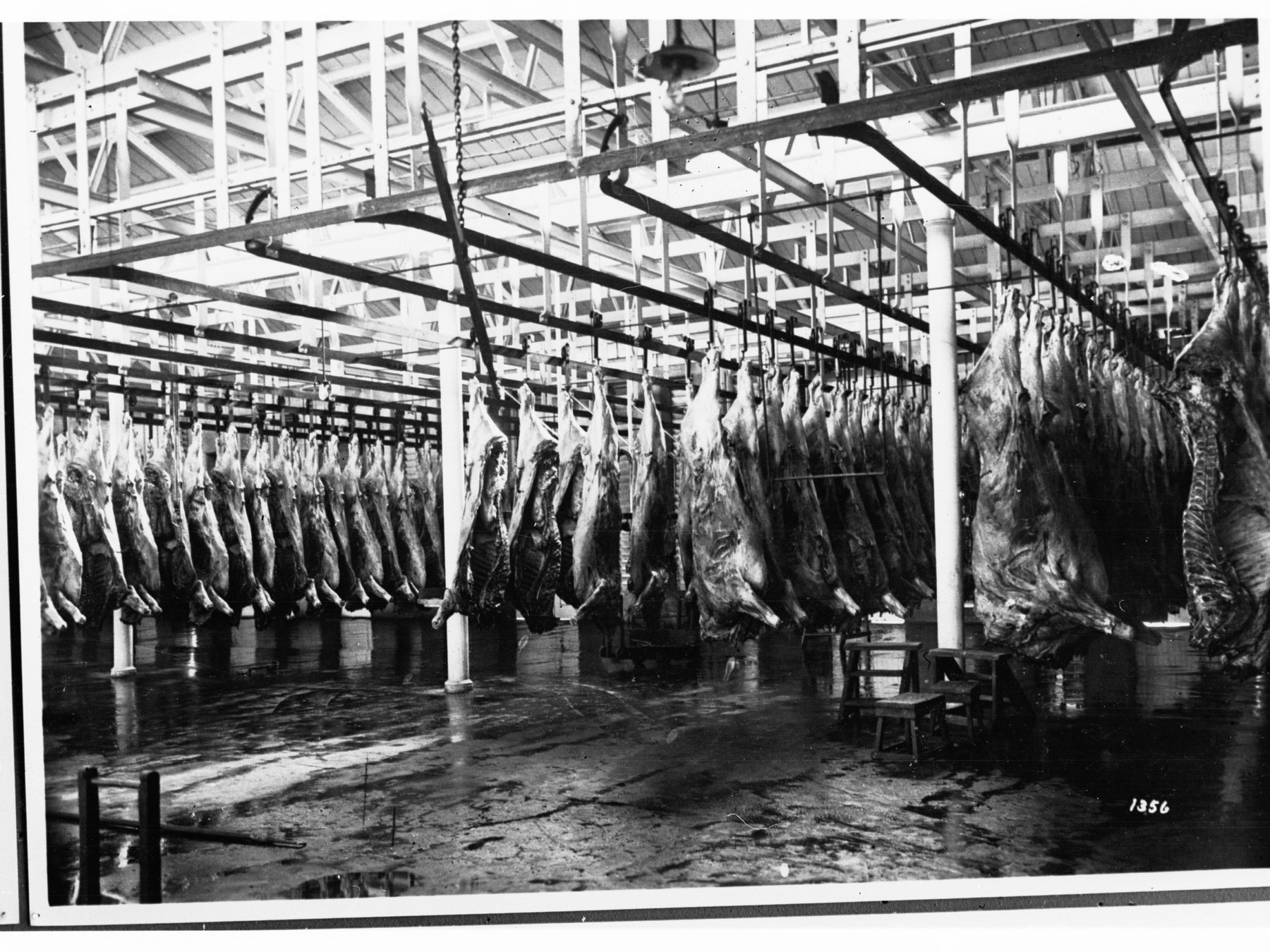 Thirsty Industries: Slaughterhouses
Between the animal and the shrink wrapped packet is a plant that uses about ten cubic metres of water for every tonne of meat and sends out an effluent with the strength of raw sewage many times over. What a slaughterhouse does with water, why blood is the worst thing that can go down a drain, how a chicken plant uses twenty litres a bird, what the treatment plant has to take out, and why the water in a steak is mostly elsewhere and the water in a river below a meat plant is mostly here.
24 September 2026
Thirsty Industries: Slaughterhouses
Between the animal and the shrink wrapped packet is a plant that uses about ten cubic metres of water for every tonne of meat and sends out an effluent with the strength of raw sewage many times over. What a slaughterhouse does with water, why blood is the worst thing that can go down a drain, how a chicken plant uses twenty litres a bird, what the treatment plant has to take out, and why the water in a steak is mostly elsewhere and the water in a river below a meat plant is mostly here.
24 September 2026
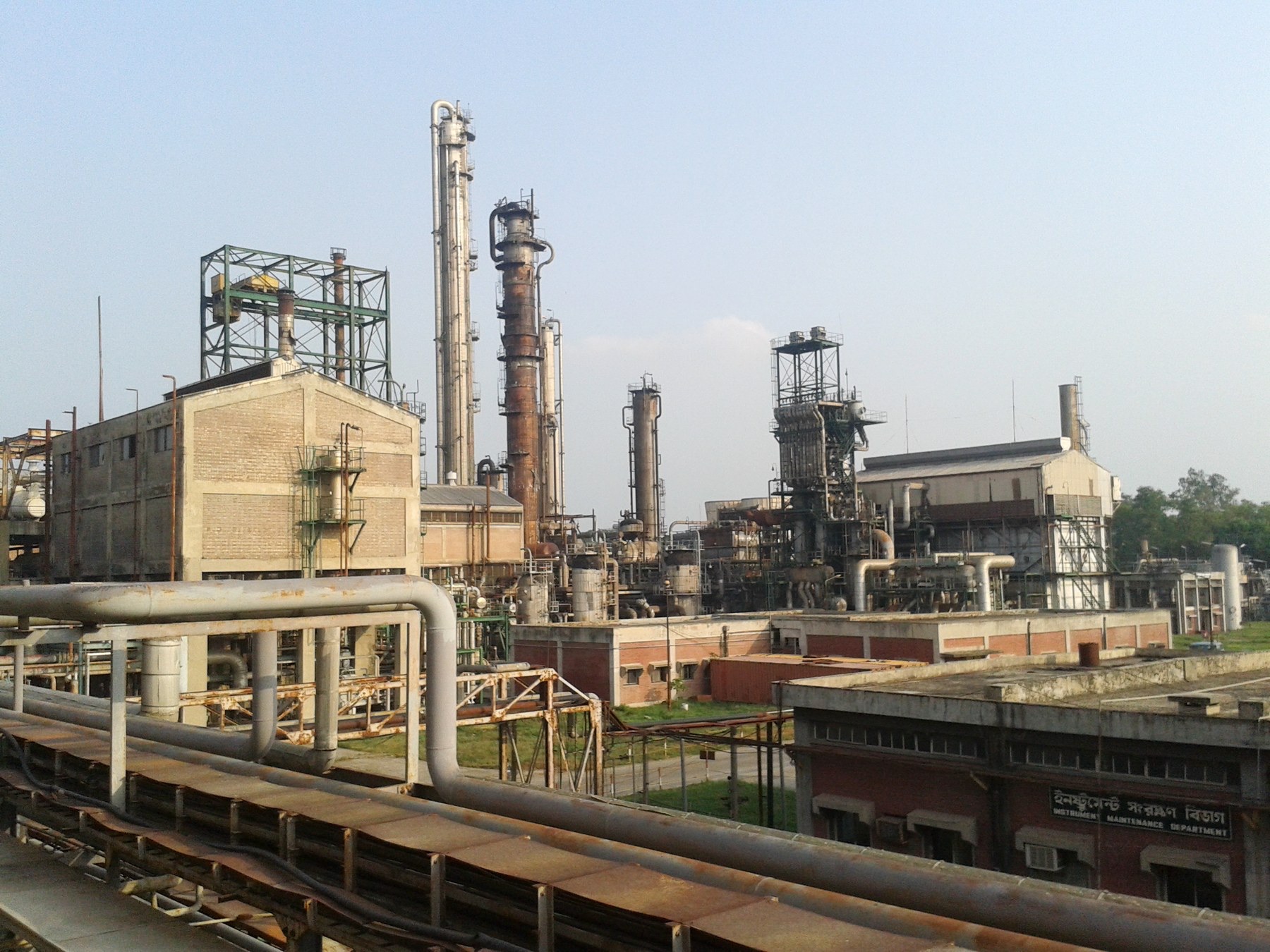 Thirsty Industries: Ammonia
Half the nitrogen in the world's food began as ammonia made in a plant that splits natural gas and water at high pressure, and the water is an ingredient as much as a coolant. What ammonia is for, where the water in the Haber Bosch process goes, why a fertiliser plant sits on a river or a coast, what green ammonia made from electrolysis would change, and why the water that matters most is the water the fertiliser ends up in.
23 September 2026
Thirsty Industries: Ammonia
Half the nitrogen in the world's food began as ammonia made in a plant that splits natural gas and water at high pressure, and the water is an ingredient as much as a coolant. What ammonia is for, where the water in the Haber Bosch process goes, why a fertiliser plant sits on a river or a coast, what green ammonia made from electrolysis would change, and why the water that matters most is the water the fertiliser ends up in.
23 September 2026
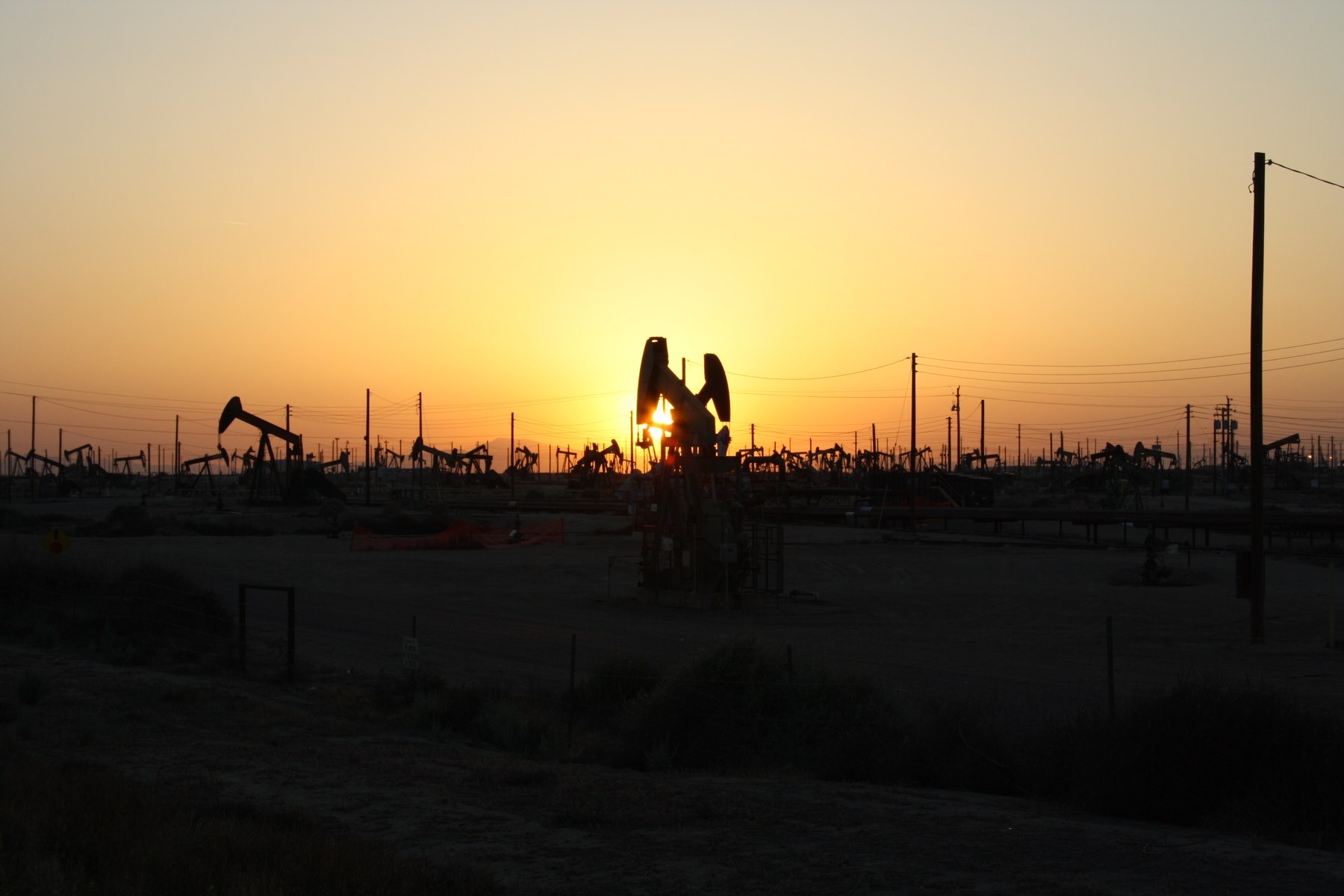 Thirsty Industries: Oil and Gas
For every barrel of oil the world pumps, it pumps about three barrels of salty water out of the same rock, and the newest wells are made by pushing millions of litres of water into the rock first. What produced water is and where it goes, how fracking uses water and why the volume has grown tenfold in a decade, what the injection wells did to Oklahoma, what a refinery does with its water, and why the industry that has the most to do with water is the one least often counted as thirsty.
23 September 2026
Thirsty Industries: Oil and Gas
For every barrel of oil the world pumps, it pumps about three barrels of salty water out of the same rock, and the newest wells are made by pushing millions of litres of water into the rock first. What produced water is and where it goes, how fracking uses water and why the volume has grown tenfold in a decade, what the injection wells did to Oklahoma, what a refinery does with its water, and why the industry that has the most to do with water is the one least often counted as thirsty.
23 September 2026
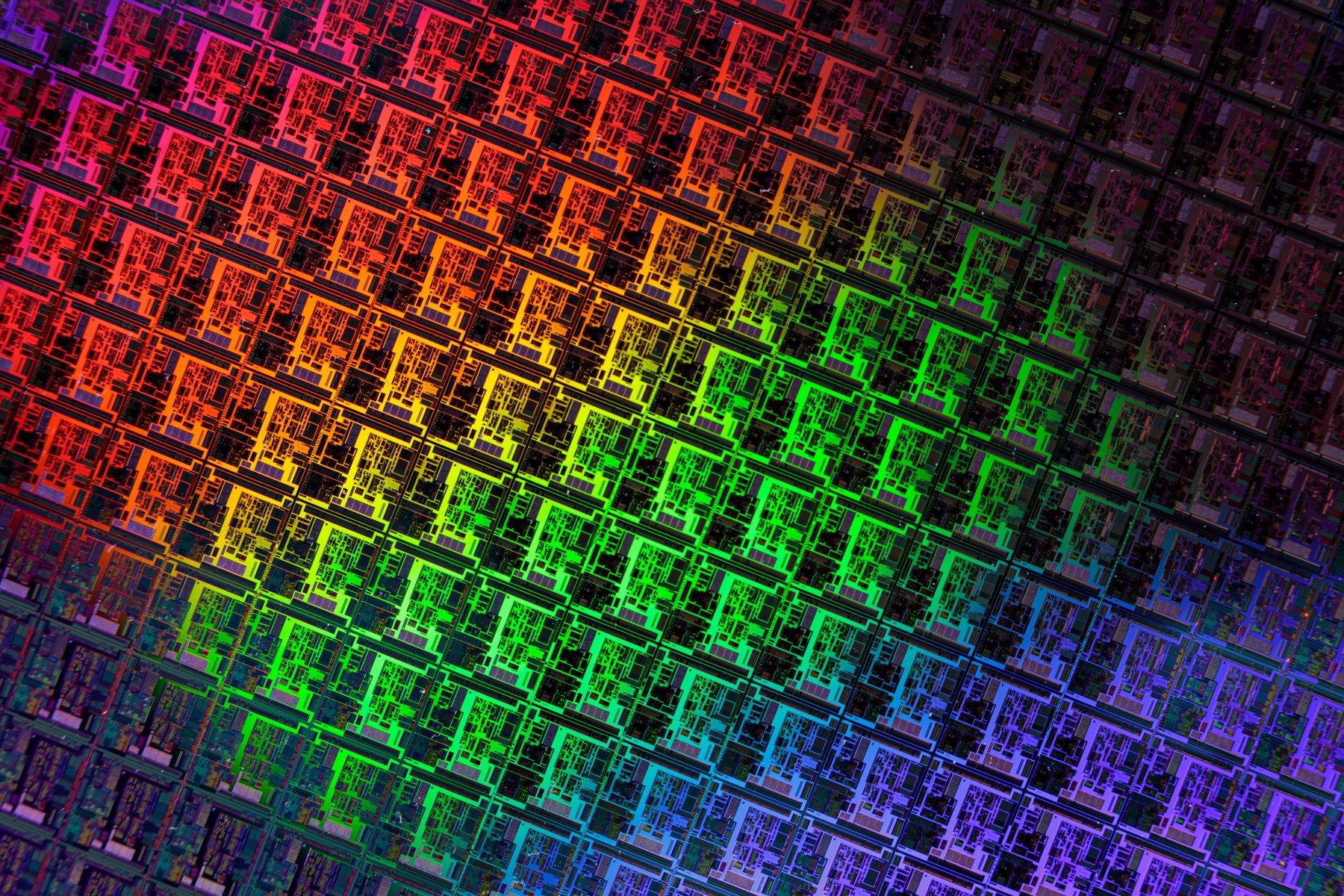 Thirsty Industries: Semiconductors
The factories that make the world's chips use water the way a small city does, and they need it purer than anything a city drinks. What a fab does with water, why a wafer is rinsed hundreds of times, what happened when Taiwan's rain failed in 2021 and the island chose its chips over its rice, how the industry recycles most of what it takes, and why the next fabs are being built in the desert.
23 September 2026
Thirsty Industries: Semiconductors
The factories that make the world's chips use water the way a small city does, and they need it purer than anything a city drinks. What a fab does with water, why a wafer is rinsed hundreds of times, what happened when Taiwan's rain failed in 2021 and the island chose its chips over its rice, how the industry recycles most of what it takes, and why the next fabs are being built in the desert.
23 September 2026
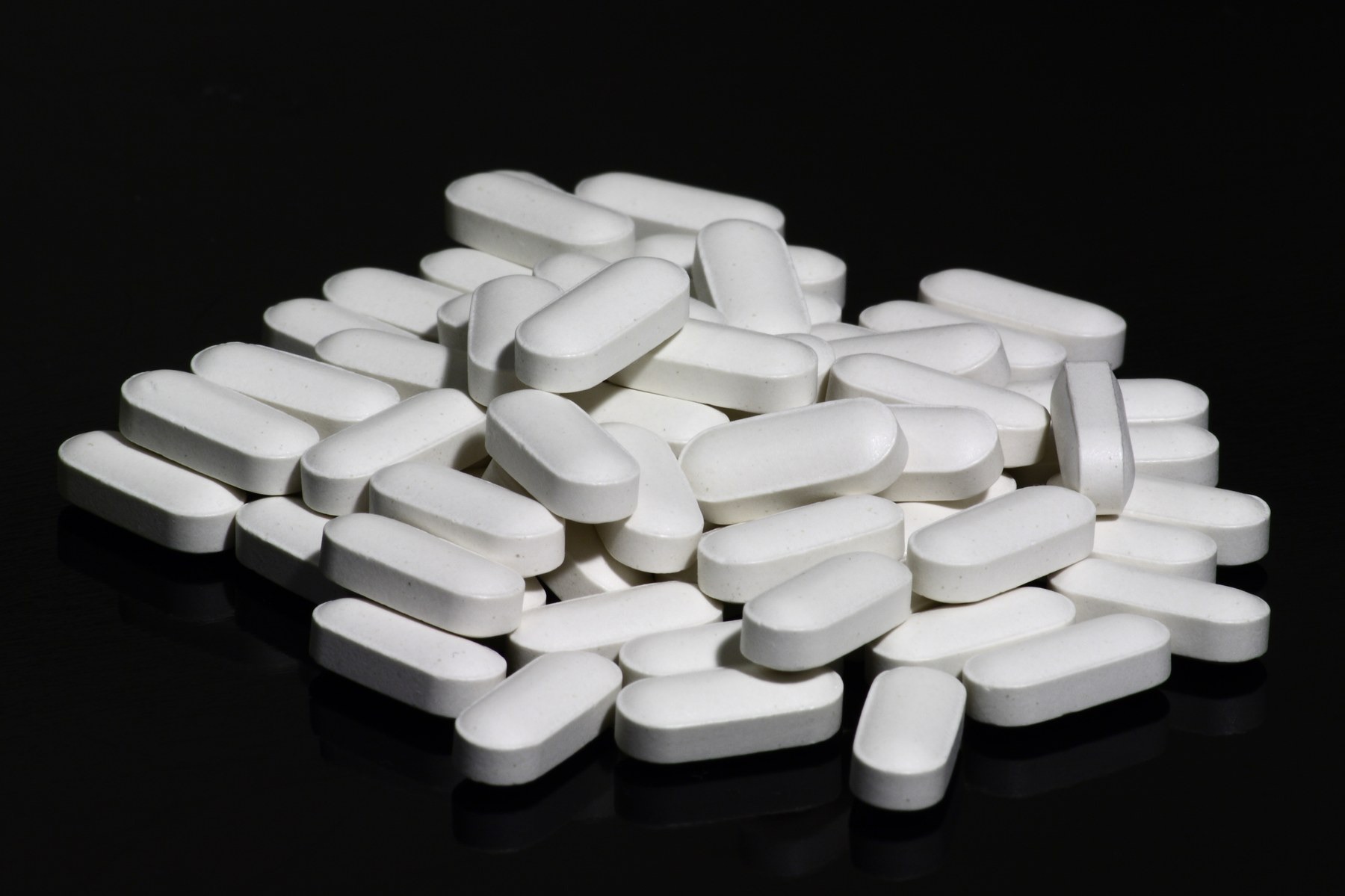 Thirsty Industries: Pharmaceuticals
A pharmaceutical plant makes two kinds of water before it makes anything else, one of them cleaner than anything a person will drink, and it sends out an effluent that carries the drug itself. What water for injection is, why a tablet factory in Hyderabad can put more antibiotic into a river than a hospital does, how the drugs get into rivers and taps everywhere, and what an industry built on purity does at its outfall.
22 September 2026
Thirsty Industries: Pharmaceuticals
A pharmaceutical plant makes two kinds of water before it makes anything else, one of them cleaner than anything a person will drink, and it sends out an effluent that carries the drug itself. What water for injection is, why a tablet factory in Hyderabad can put more antibiotic into a river than a hospital does, how the drugs get into rivers and taps everywhere, and what an industry built on purity does at its outfall.
22 September 2026
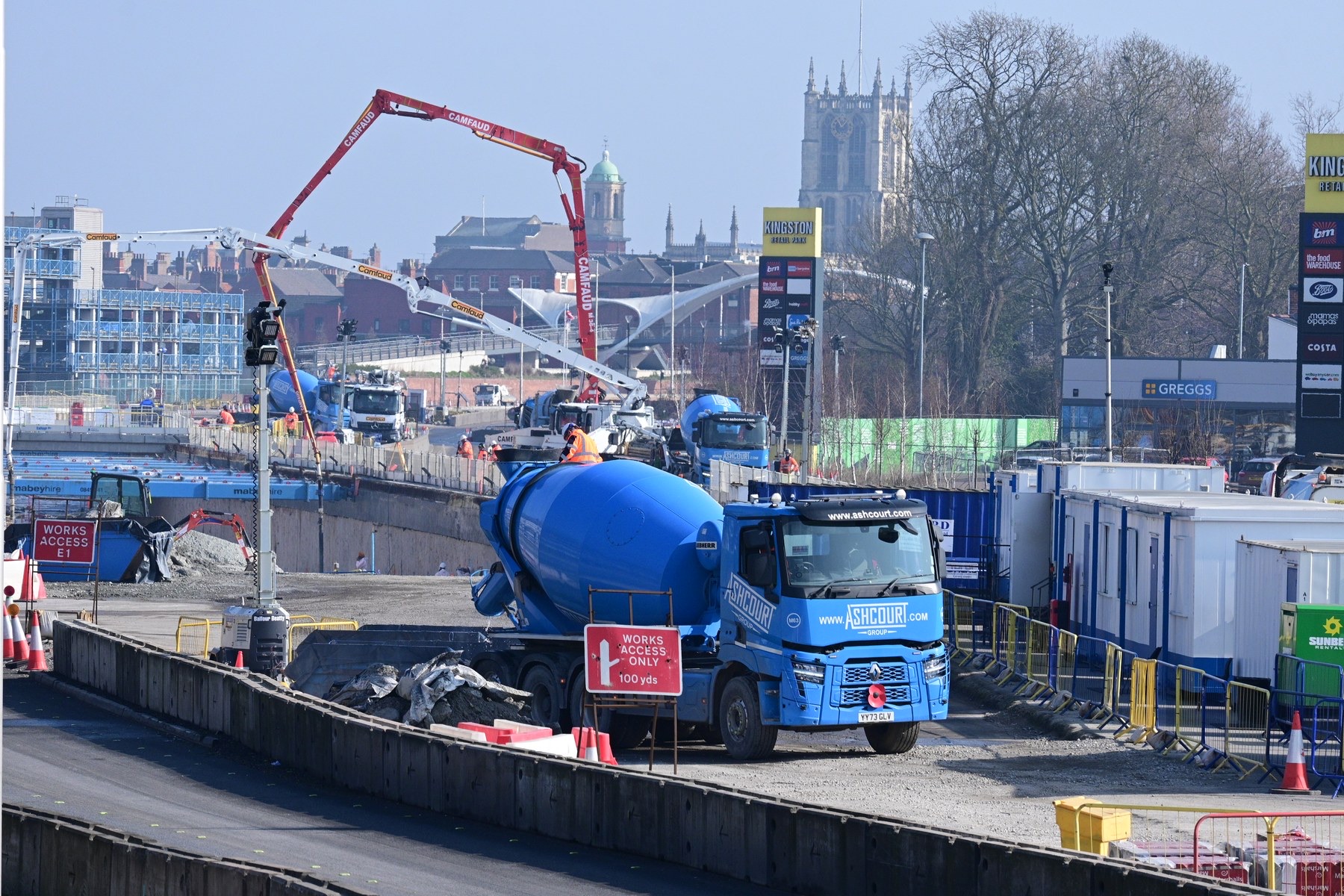 Thirsty Industries: Concrete
Concrete is the most used material on Earth after water itself, and it is made with water, cured with water, and washed with water at every step from the quarry to the site. The industry that pours thirty billion tonnes a year takes about a tenth of the world's industrial water, and most of it is spent in the places building fastest, which are the places with least to spare.
21 September 2026
Thirsty Industries: Concrete
Concrete is the most used material on Earth after water itself, and it is made with water, cured with water, and washed with water at every step from the quarry to the site. The industry that pours thirty billion tonnes a year takes about a tenth of the world's industrial water, and most of it is spent in the places building fastest, which are the places with least to spare.
21 September 2026
 Thirsty Industries: Copper
Every wire, motor, pipe and circuit in the modern world is copper, the energy transition needs twice as much of it, and most of it is dug from the driest desert on Earth. A tonne of copper takes about seventy thousand litres of water to win from its ore, and in northern Chile that water was, until recently, the aquifers of the Atacama. What copper's water does, why the mines are moving to the sea, and what the salt flats and the villages have to do with it.
21 September 2026
Thirsty Industries: Copper
Every wire, motor, pipe and circuit in the modern world is copper, the energy transition needs twice as much of it, and most of it is dug from the driest desert on Earth. A tonne of copper takes about seventy thousand litres of water to win from its ore, and in northern Chile that water was, until recently, the aquifers of the Atacama. What copper's water does, why the mines are moving to the sea, and what the salt flats and the villages have to do with it.
21 September 2026
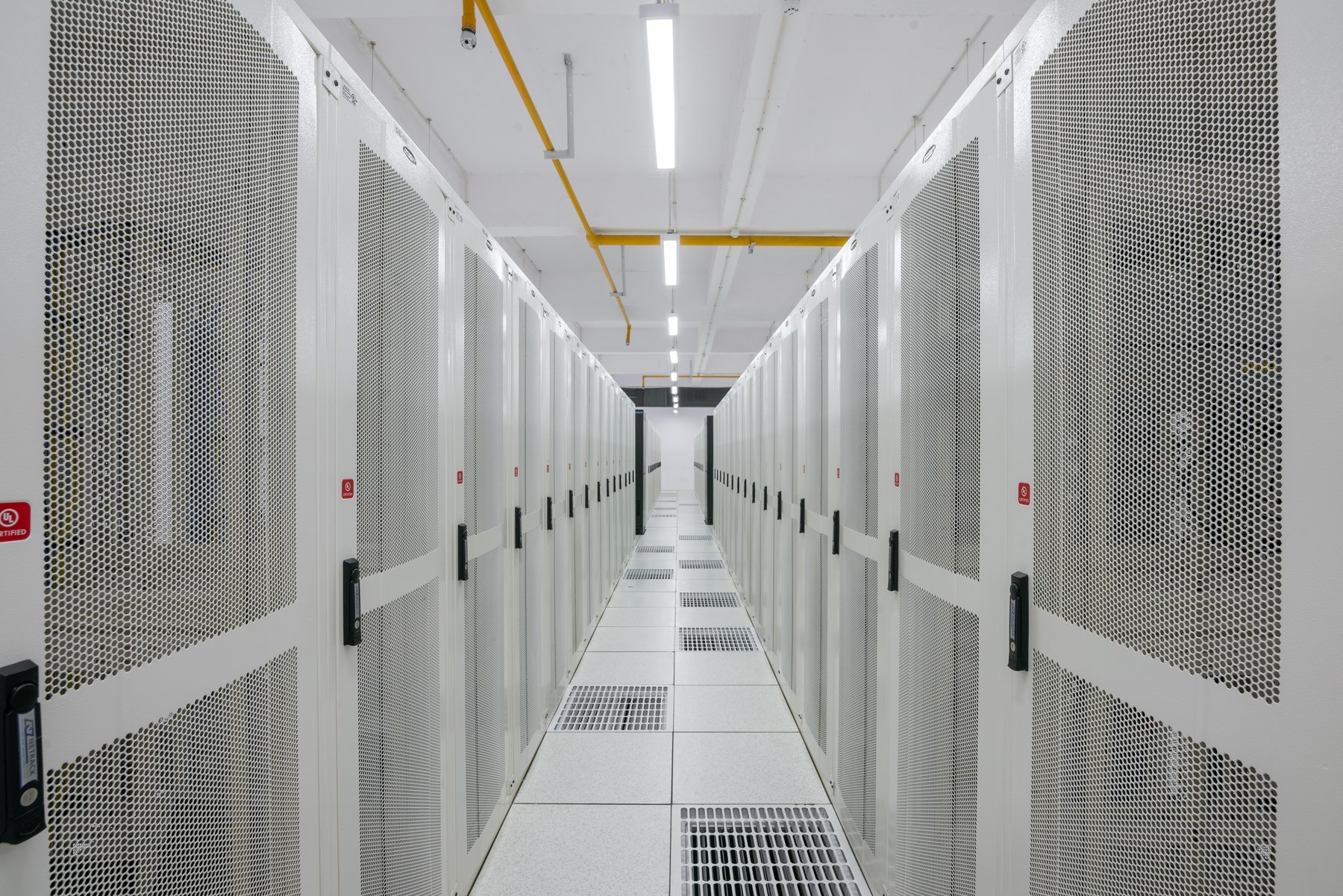 Thirsty Industries: Data Centres
Every search, every stored photograph and every answer from a chatbot passes through a building full of hot computers, and most of those buildings are cooled with water that leaves as vapour. What a data centre's water is for, how much the largest companies now report using, why the number is rising with artificial intelligence, and what the industry is doing about it.
21 September 2026
Thirsty Industries: Data Centres
Every search, every stored photograph and every answer from a chatbot passes through a building full of hot computers, and most of those buildings are cooled with water that leaves as vapour. What a data centre's water is for, how much the largest companies now report using, why the number is rising with artificial intelligence, and what the industry is doing about it.
21 September 2026
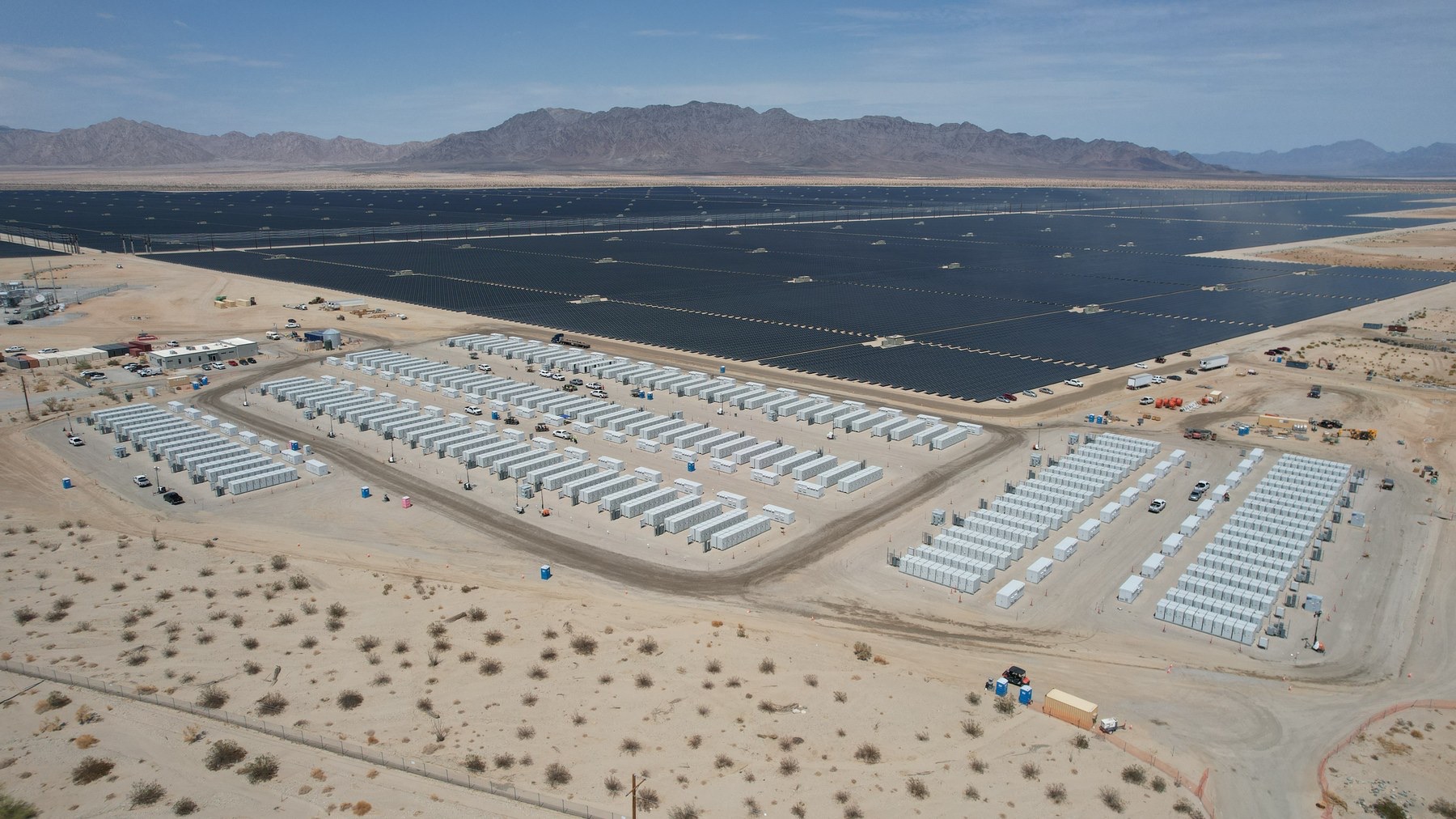 Thirsty Industries: Hydrogen
Green hydrogen is made by splitting water with electricity, and the countries planning to make most of it are deserts with a great deal of sun and very little water. Nine litres go into every kilogram, another ten or twenty go to cooling and purifying, and the plants being planned would use as much water as cities. Where the water in hydrogen comes from, why most of it will come from the sea, and what that means for the coast.
21 September 2026
Thirsty Industries: Hydrogen
Green hydrogen is made by splitting water with electricity, and the countries planning to make most of it are deserts with a great deal of sun and very little water. Nine litres go into every kilogram, another ten or twenty go to cooling and purifying, and the plants being planned would use as much water as cities. Where the water in hydrogen comes from, why most of it will come from the sea, and what that means for the coast.
21 September 2026
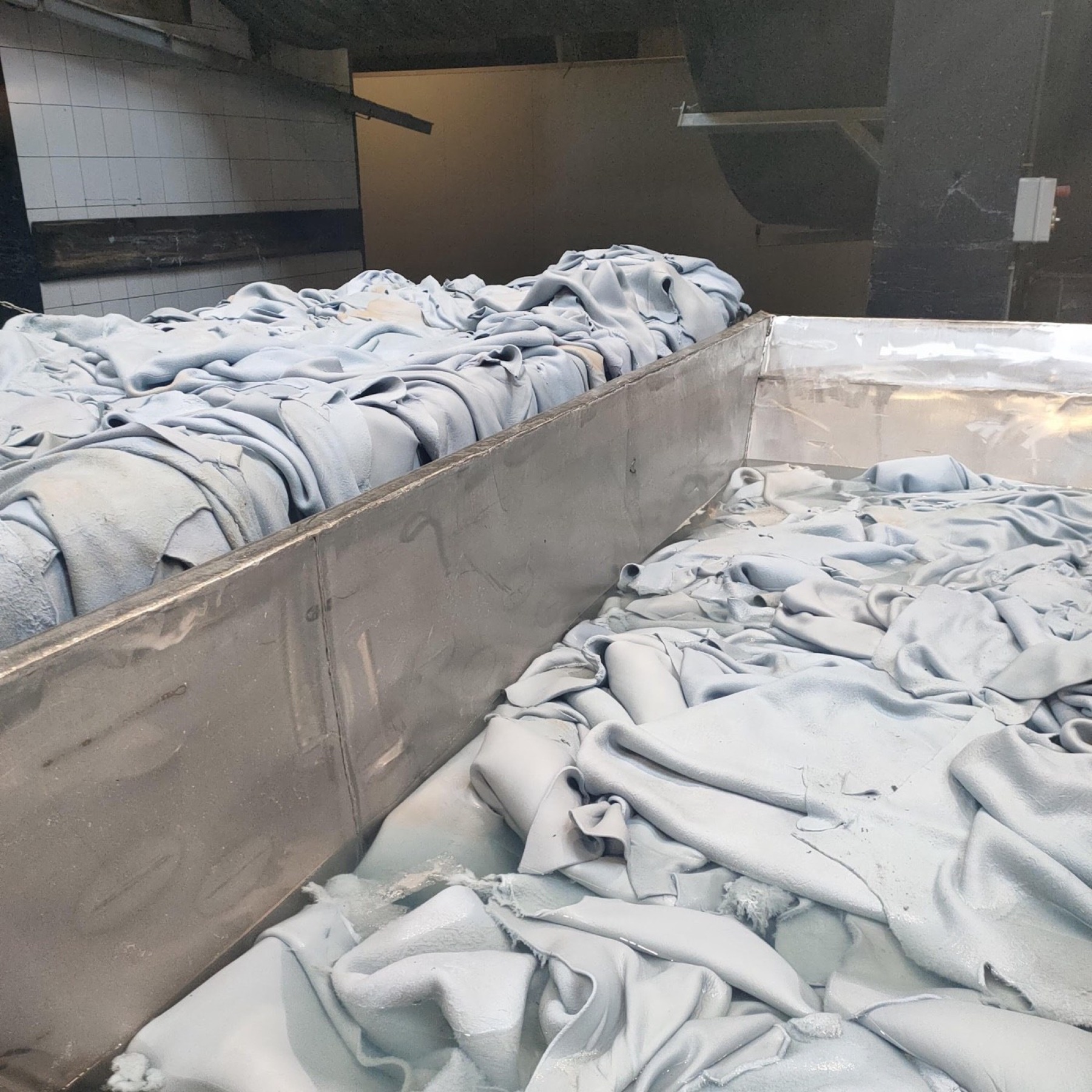 Thirsty Industries: Leather and tanning
The tanning district is where the water industry's hardest problems arrive in one pipe: salt, lime, sulphide, chromium and a heavy organic load, from an ancient process that has changed less than any other in this series. What happens inside a tannery, what its water carries, and how the districts that poisoned their rivers are being made to stop.
21 September 2026
Thirsty Industries: Leather and tanning
The tanning district is where the water industry's hardest problems arrive in one pipe: salt, lime, sulphide, chromium and a heavy organic load, from an ancient process that has changed less than any other in this series. What happens inside a tannery, what its water carries, and how the districts that poisoned their rivers are being made to stop.
21 September 2026
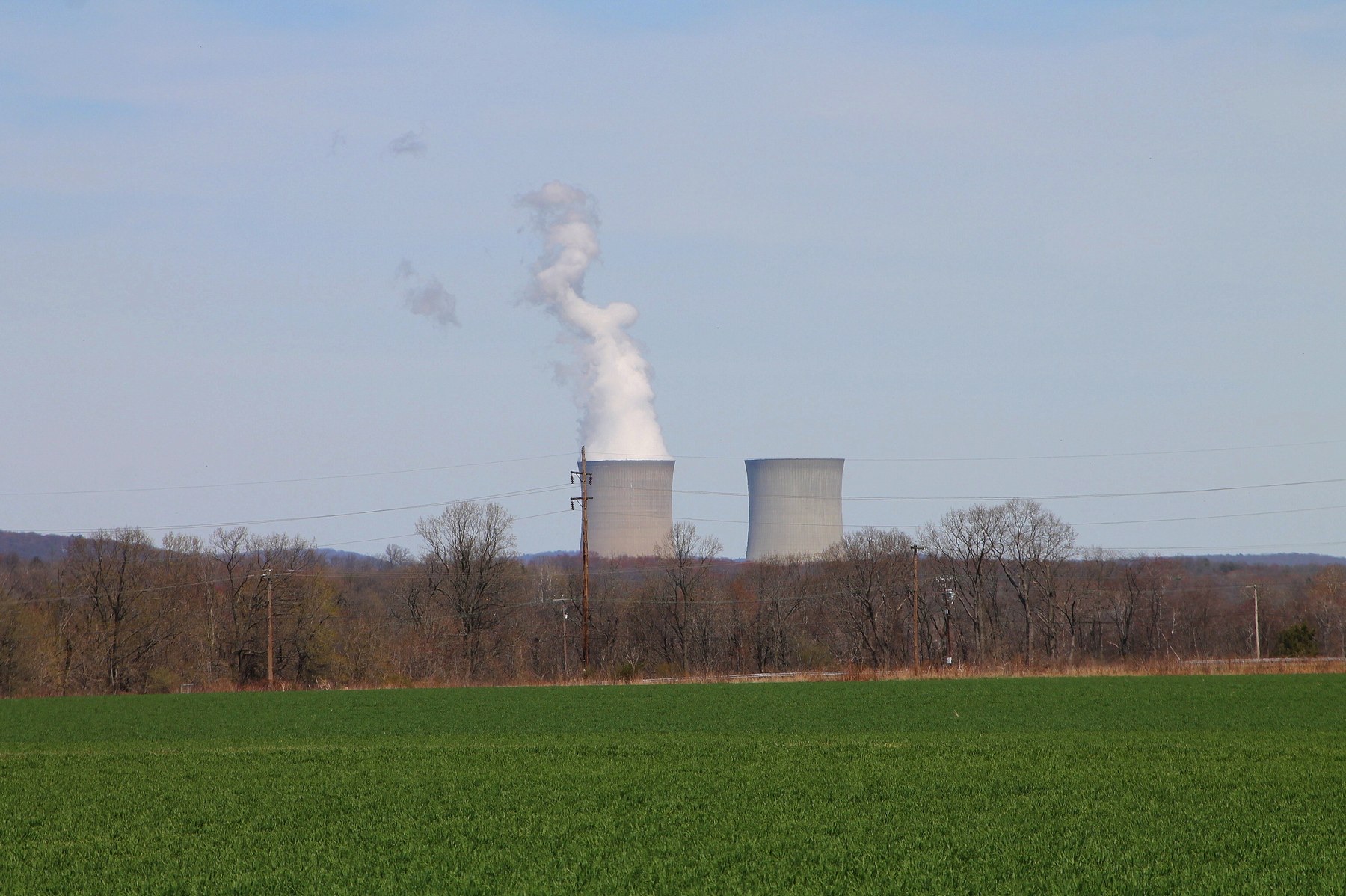 Thirsty Industries: Power Stations
A power station that burns coal or gas, or splits atoms, is a machine for boiling water, and the steam it makes has to be cooled by more water. In the United States the electricity industry withdraws more fresh water than farming, and in a European heatwave reactors are turned down because the rivers are too warm to cool them. What a kilowatt hour's water is, where it goes, and why the answer is changing.
21 September 2026
Thirsty Industries: Power Stations
A power station that burns coal or gas, or splits atoms, is a machine for boiling water, and the steam it makes has to be cooled by more water. In the United States the electricity industry withdraws more fresh water than farming, and in a European heatwave reactors are turned down because the rivers are too warm to cool them. What a kilowatt hour's water is, where it goes, and why the answer is changing.
21 September 2026
 Thirsty Industries: Steel
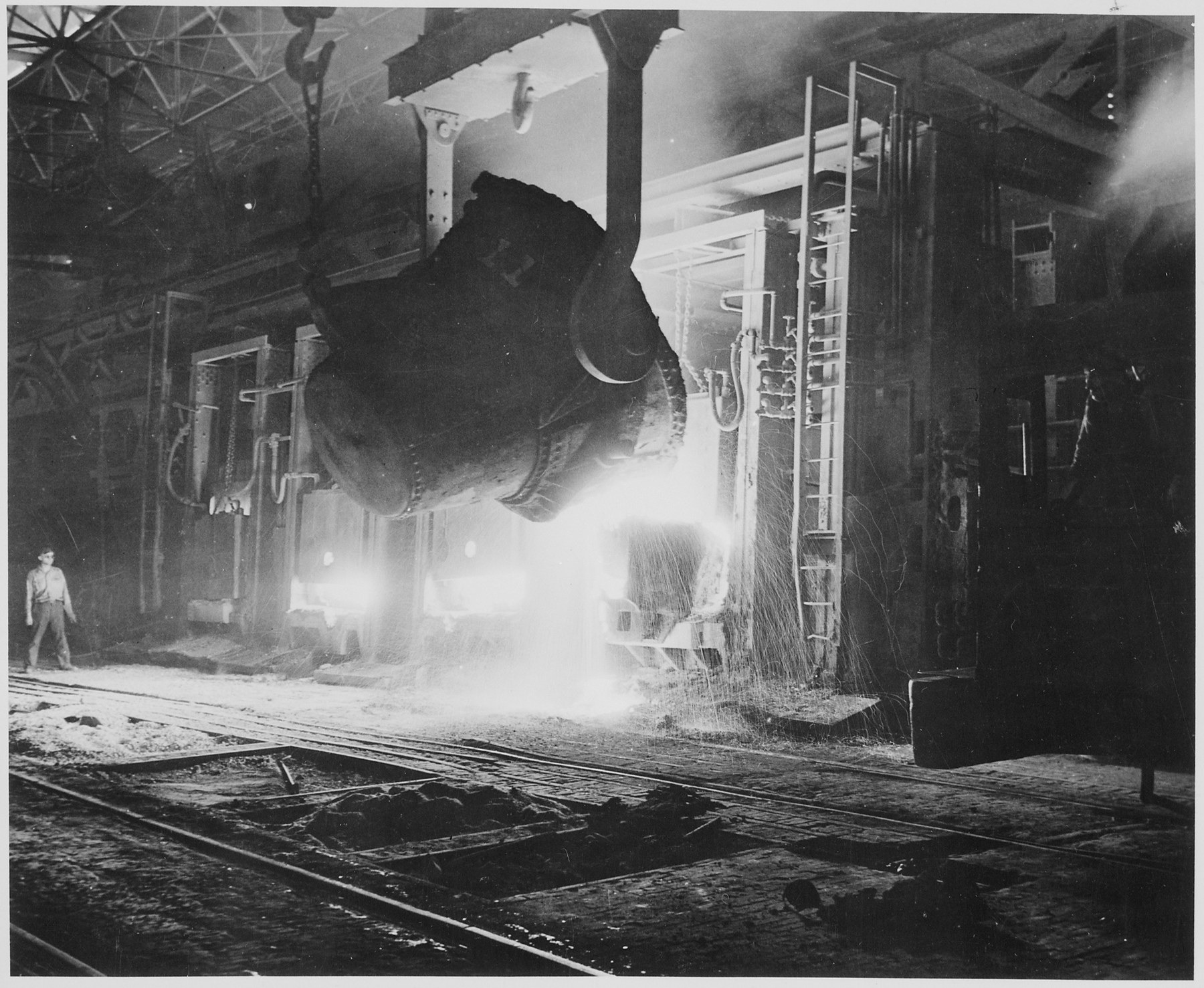
The world makes about two billion tonnes of steel a year, and a steelworks is one of the largest single water users on any river it stands on, drawing tens of thousands of litres for every tonne to cool furnaces, quench coke and slag, and wash gas. Nearly all of it goes back. What a steelworks does with water, why the difference between the water it takes and the water it keeps is the whole story, and what the shift from coal to hydrogen and scrap will do to it.
21 September 2026
Thirsty Industries: Steel
The world makes about two billion tonnes of steel a year, and a steelworks is one of the largest single water users on any river it stands on, drawing tens of thousands of litres for every tonne to cool furnaces, quench coke and slag, and wash gas. Nearly all of it goes back. What a steelworks does with water, why the difference between the water it takes and the water it keeps is the whole story, and what the shift from coal to hydrogen and scrap will do to it.
21 September 2026
 Thirsty Industries: Food and beverage
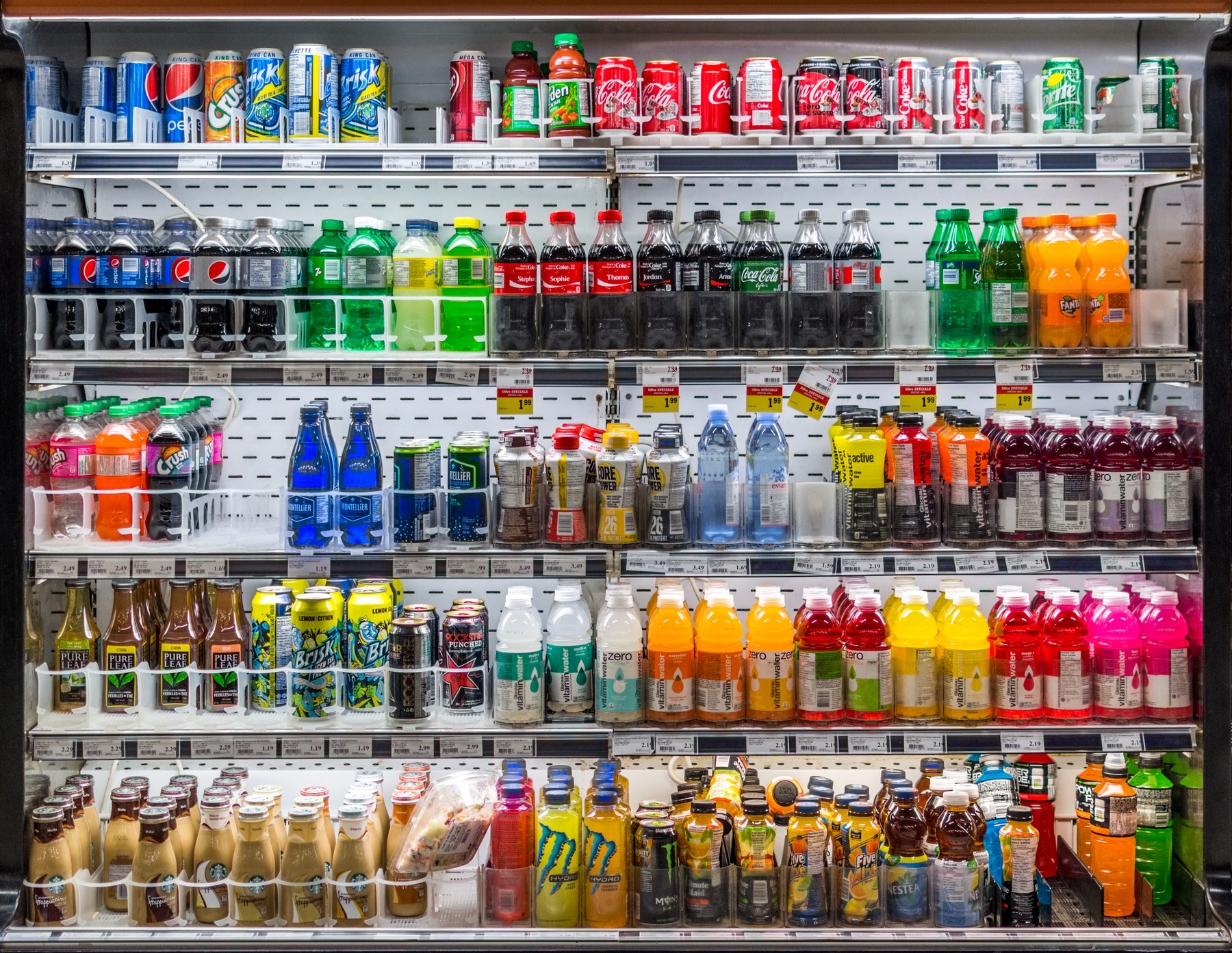
Europe's largest manufacturing sector is also one of its heaviest industrial users of water, and most of that water never touches the food. It goes on cleaning. How a food factory uses water, why it cannot simply use less, and how the washing up ended up heating the building.
12 August 2026
Thirsty Industries: Food and beverage
Europe's largest manufacturing sector is also one of its heaviest industrial users of water, and most of that water never touches the food. It goes on cleaning. How a food factory uses water, why it cannot simply use less, and how the washing up ended up heating the building.
12 August 2026
 Thirsty Industries: Textile
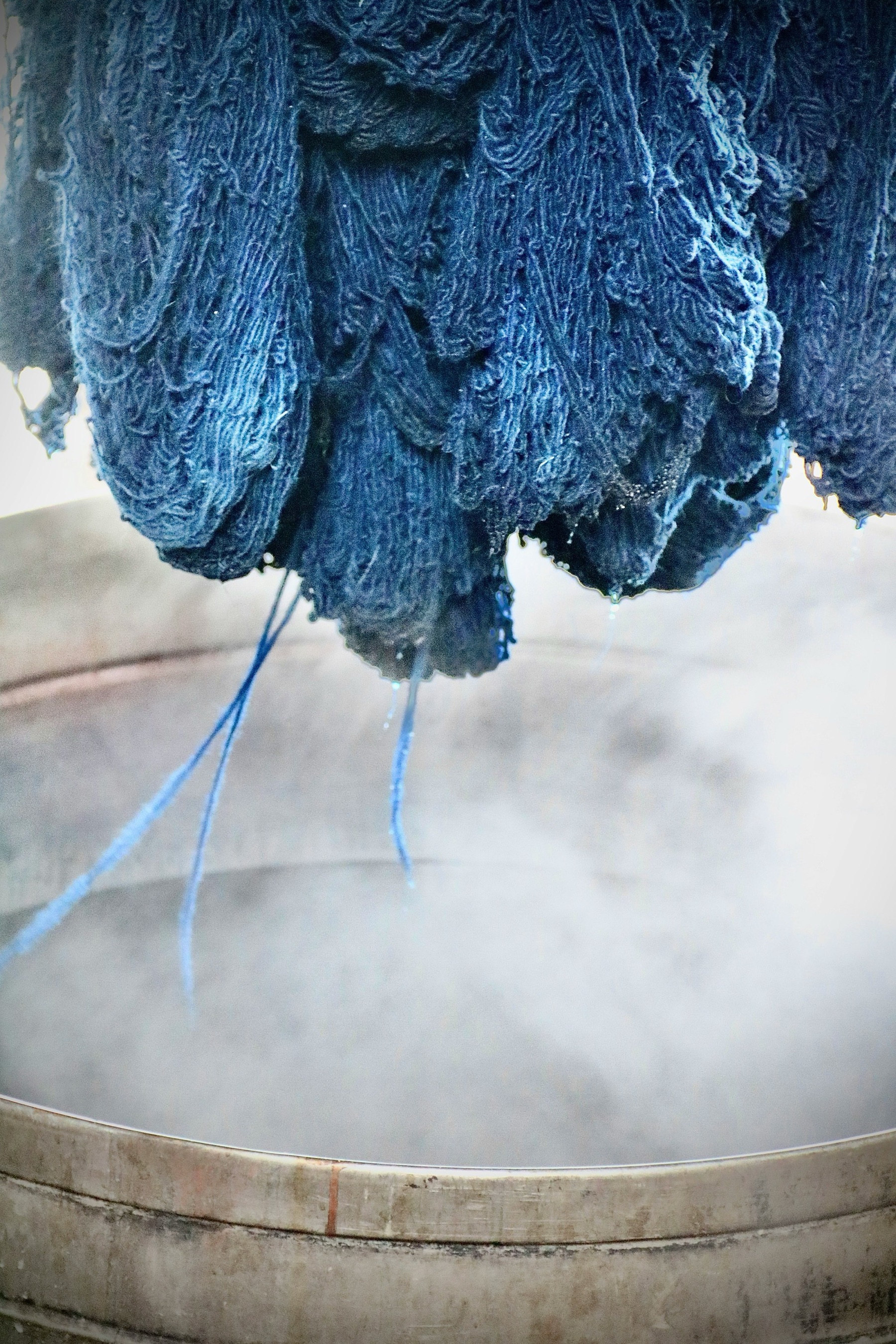
The textile industry withdraws 93 billion cubic metres of water a year and returns almost all of it, hot, salty and coloured. What is in that water, why the colour is more dangerous than it looks, and what the best mills have learned to do with it.
7 August 2026
Thirsty Industries: Textile
The textile industry withdraws 93 billion cubic metres of water a year and returns almost all of it, hot, salty and coloured. What is in that water, why the colour is more dangerous than it looks, and what the best mills have learned to do with it.
7 August 2026