Thirsty Places
Cities and river basins that ran short, and what they did about it.
Some places have already lived through what the rest of the world is being warned about. Cape Town counted down to Day Zero. Chennai ran its water in by train. Mexico City and Jakarta are sinking because they drink the ground beneath them. Singapore, Windhoek and Orange County drink their own sewage, and are proud of it. These articles go to those places.
Each one asks the same questions. Where did the city's water come from, and what changed? What did the shortage or the flood actually look like on the street? What was built, decided or banned afterwards, and did it work? The answers repeat across continents: measure what leaves the system, fix the pipes, price the water, reuse what has been used, catch the rain, and tell the public the truth in time to help.
The series is arranged by place rather than by problem, because the problem is nearly always the same and the place is what makes it real.
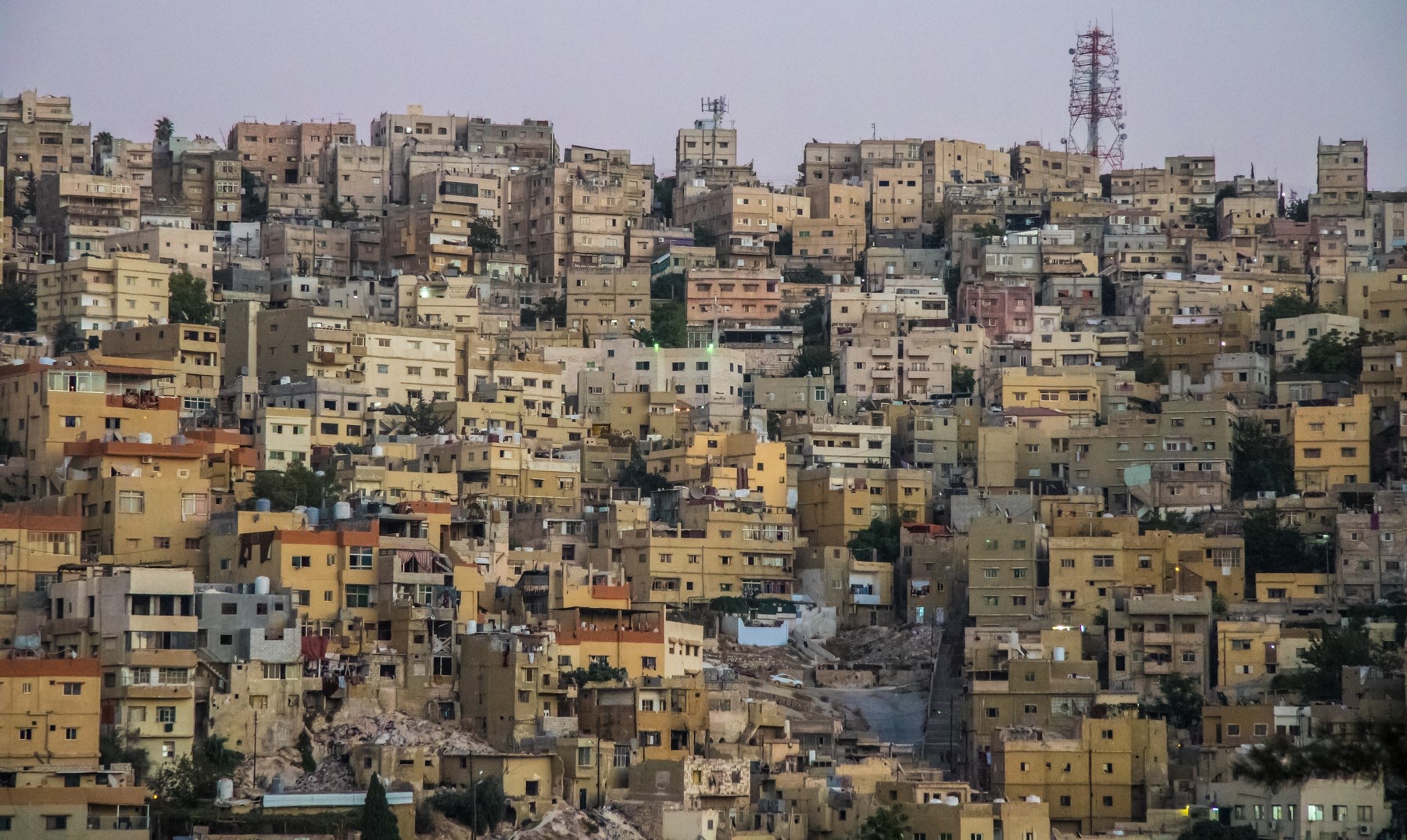 Thirsty Places: Amman
The capital of one of the most water scarce countries on Earth, where the taps run one day a week by design, the rooftops carry the tanks that make it work, and the newest water arrives by pipeline from a fossil aquifer three hundred kilometres to the south that will never refill. Where Amman's water comes from, why the rota is permanent, what Disi is and how long it lasts, what a million refugees did to the arithmetic, why half the water is lost or stolen, and what the pipe from the Red Sea is for.
26 September 2026
Thirsty Places: Amman
The capital of one of the most water scarce countries on Earth, where the taps run one day a week by design, the rooftops carry the tanks that make it work, and the newest water arrives by pipeline from a fossil aquifer three hundred kilometres to the south that will never refill. Where Amman's water comes from, why the rota is permanent, what Disi is and how long it lasts, what a million refugees did to the arithmetic, why half the water is lost or stolen, and what the pipe from the Red Sea is for.
26 September 2026
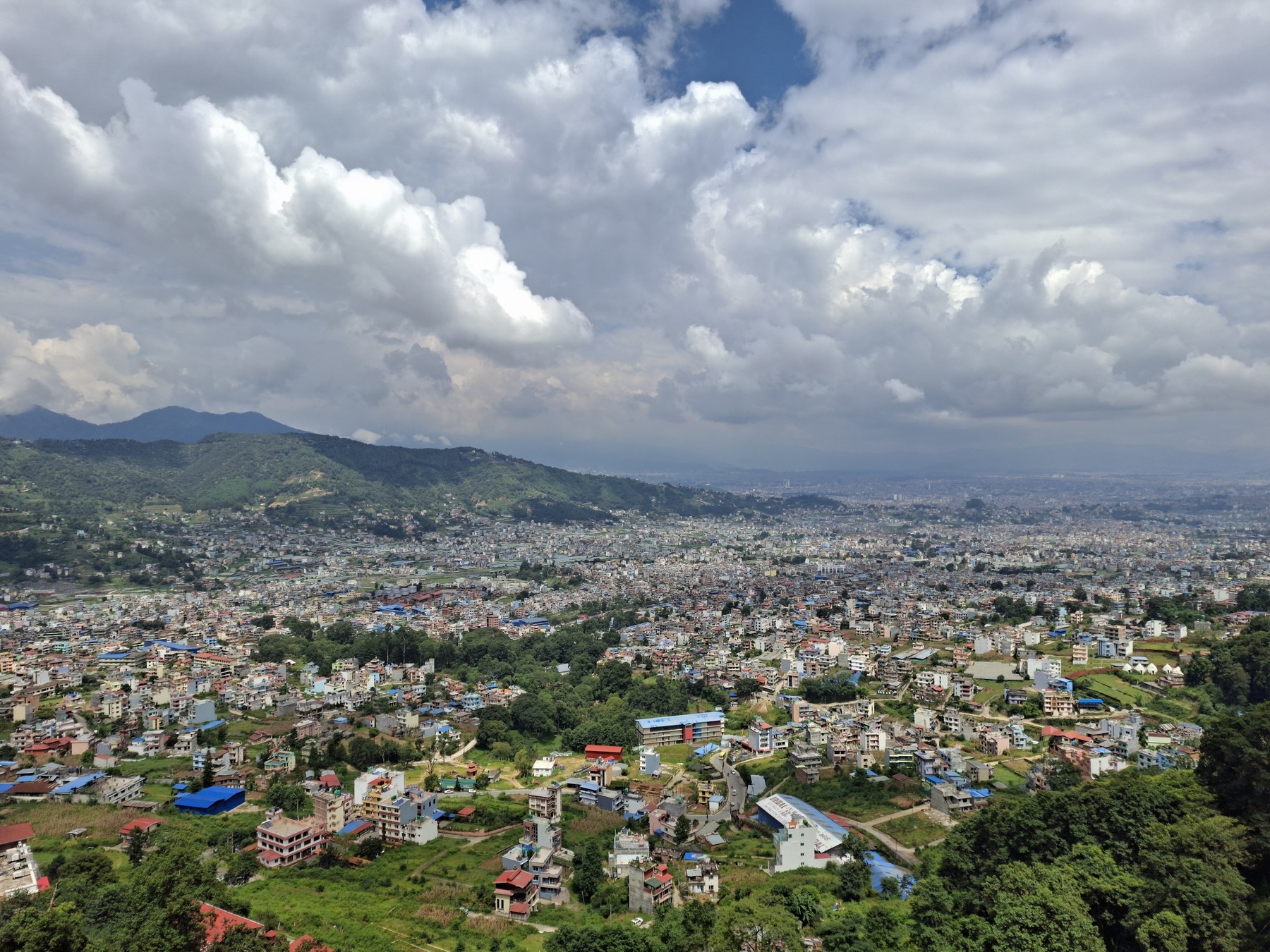 Thirsty Places: Kathmandu
A valley of four million people at the foot of the Himalaya, in a country with more water per head than almost any on Earth, where the taps run for a few hours a week, the tankers queue at dawn, and the tunnel that was meant to fix it took twenty three years to dig and was blocked by a flood a month after it opened. Where Kathmandu's water comes from, why the valley is short, what the stone spouts and the wells tell about the ground beneath, what Melamchi was and what happened to it, and why a city under the largest snowpack on Earth drinks from a tanker.
26 September 2026
Thirsty Places: Kathmandu
A valley of four million people at the foot of the Himalaya, in a country with more water per head than almost any on Earth, where the taps run for a few hours a week, the tankers queue at dawn, and the tunnel that was meant to fix it took twenty three years to dig and was blocked by a flood a month after it opened. Where Kathmandu's water comes from, why the valley is short, what the stone spouts and the wells tell about the ground beneath, what Melamchi was and what happened to it, and why a city under the largest snowpack on Earth drinks from a tanker.
26 September 2026
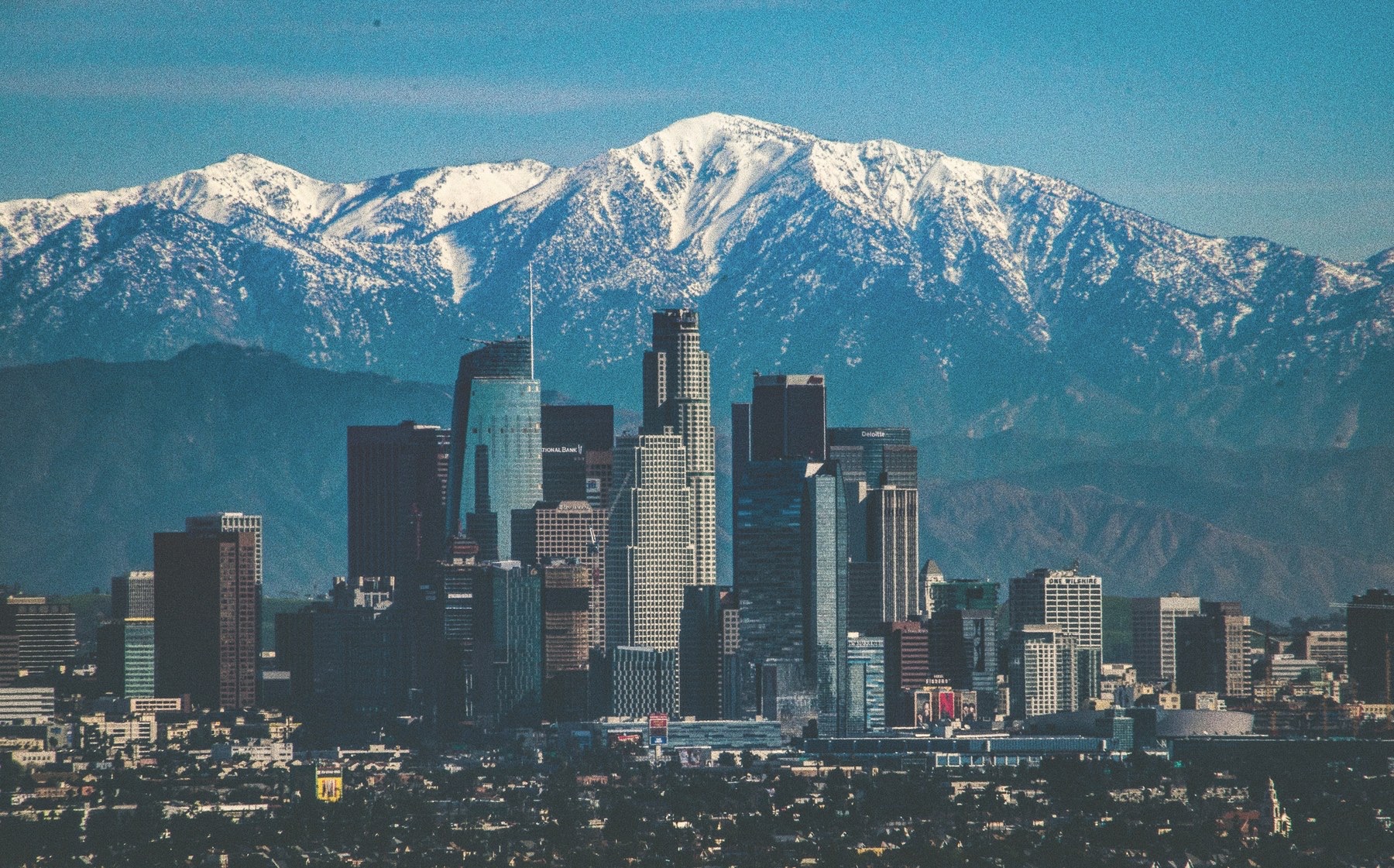 Thirsty Places: Los Angeles
A city of four million in a semi desert that took a river from a valley three hundred and seventy five kilometres away in 1913, drained a lake into a dust bowl, then reached for the Colorado and the rivers of northern California, and now plans to make its own water from what it flushes. Where Los Angeles's water comes from and how it was taken, what the Owens valley became, what the Colorado's shrinking means for a city at the end of the pipe, how the city cut its use by a third while growing by a million, and what it means to recycle everything.
26 September 2026
Thirsty Places: Los Angeles
A city of four million in a semi desert that took a river from a valley three hundred and seventy five kilometres away in 1913, drained a lake into a dust bowl, then reached for the Colorado and the rivers of northern California, and now plans to make its own water from what it flushes. Where Los Angeles's water comes from and how it was taken, what the Owens valley became, what the Colorado's shrinking means for a city at the end of the pipe, how the city cut its use by a third while growing by a million, and what it means to recycle everything.
26 September 2026
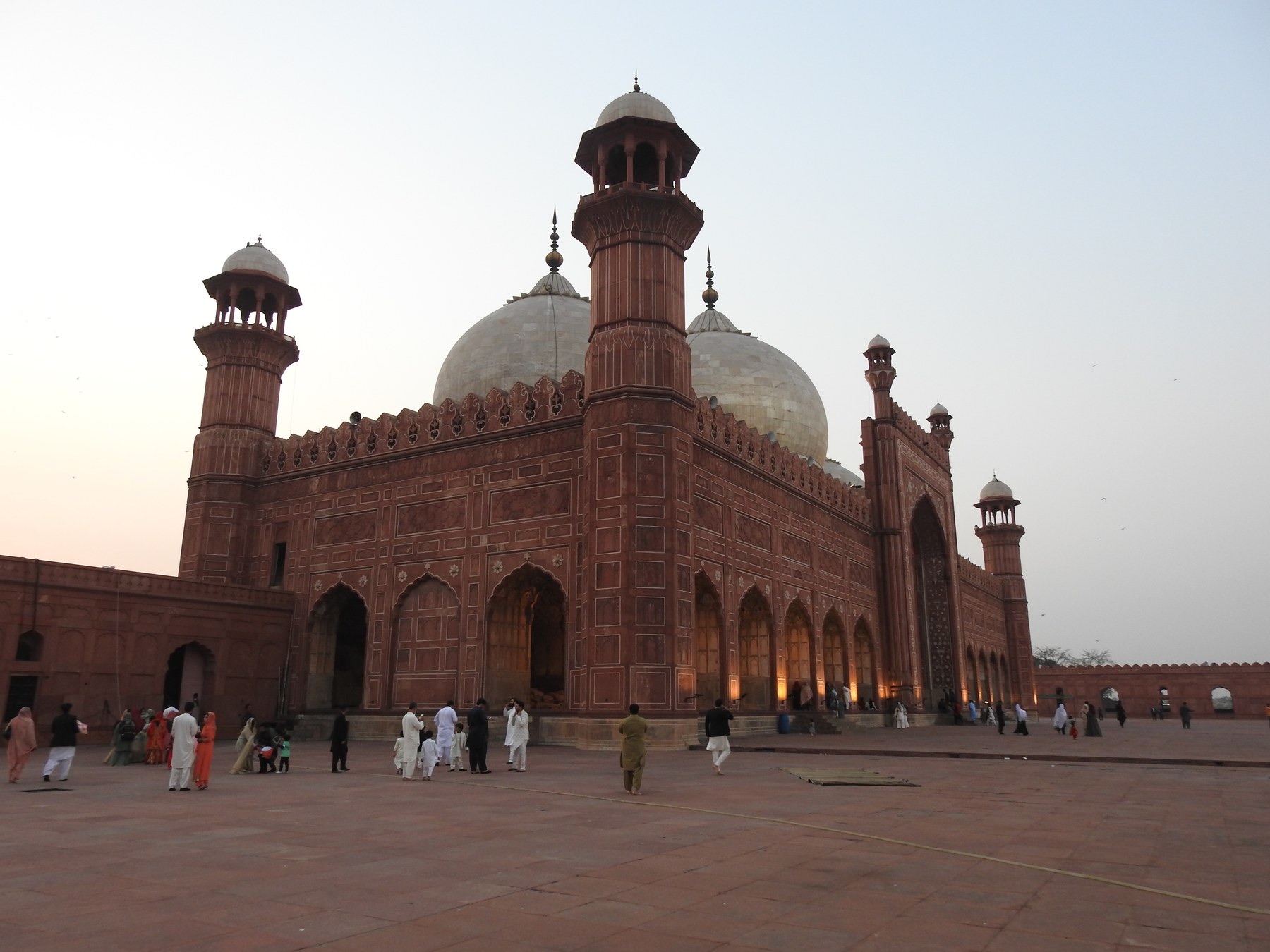 Thirsty Places: Lahore
A city of thirteen million on a river that was given to another country in 1960 and now carries the city's sewage, which drinks every litre it uses from wells and has watched the water table fall by a metre a year for three decades. Where Lahore's water comes from, what happened to the Ravi, why a city on the largest irrigation system on Earth has no surface water to drink, what is in the wells now, and what the plan to build a new city on the riverbed has to do with any of it.
25 September 2026
Thirsty Places: Lahore
A city of thirteen million on a river that was given to another country in 1960 and now carries the city's sewage, which drinks every litre it uses from wells and has watched the water table fall by a metre a year for three decades. Where Lahore's water comes from, what happened to the Ravi, why a city on the largest irrigation system on Earth has no surface water to drink, what is in the wells now, and what the plan to build a new city on the riverbed has to do with any of it.
25 September 2026
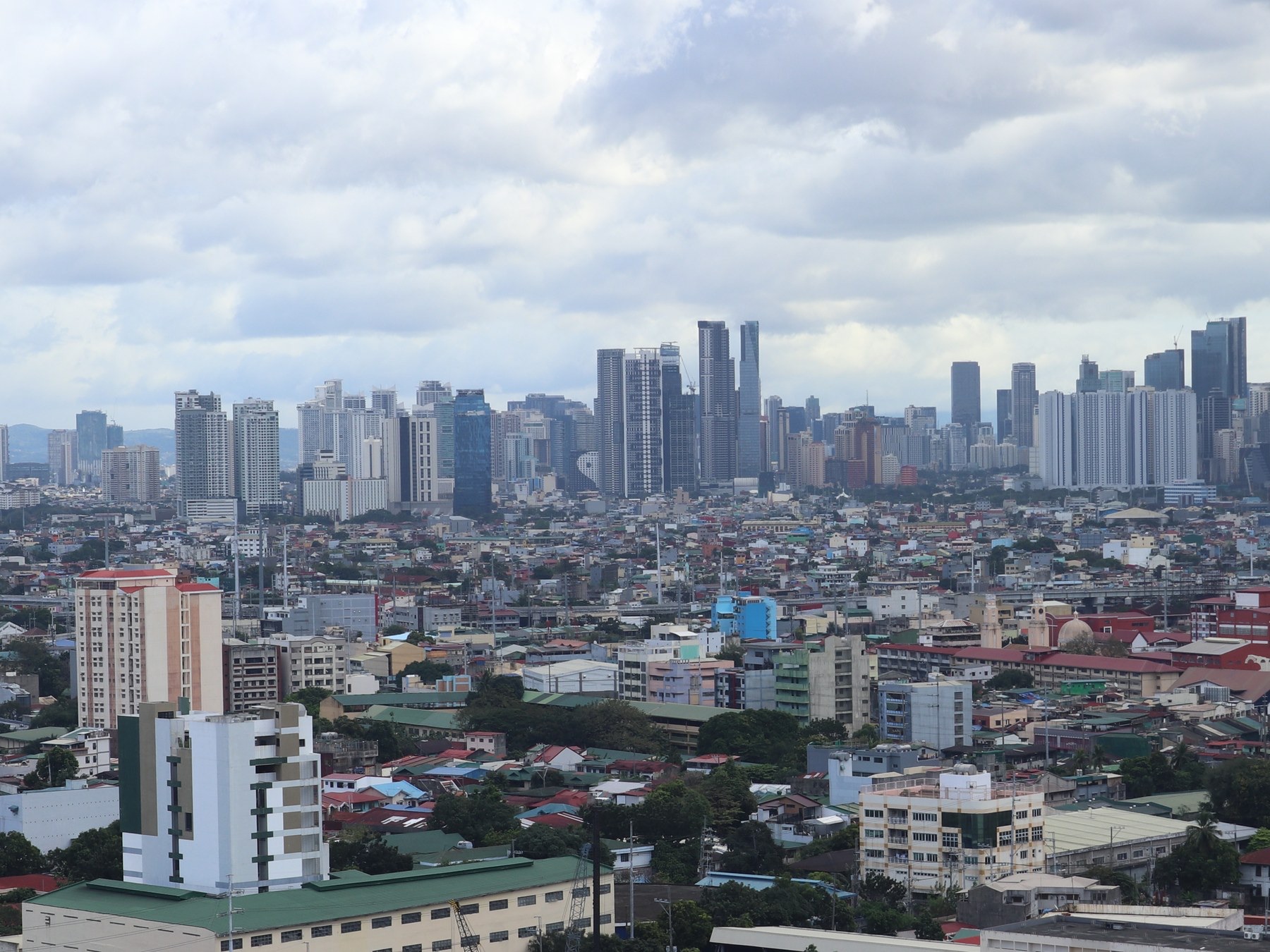 Thirsty Places: Manila
A city of fourteen million that drinks almost entirely from one dam in the mountains, was the largest water privatisation in the world in 1997, cut its leaks from two thirds to a tenth, and still ran dry in 2019 because the dam was low and the second source was a decade late. Where Manila's water comes from, what the two concessions did and did not do, what happened in March 2019, why the next dam is in a forest and the forest's people oppose it, and what a typhoon city does with too much water and too little.
25 September 2026
Thirsty Places: Manila
A city of fourteen million that drinks almost entirely from one dam in the mountains, was the largest water privatisation in the world in 1997, cut its leaks from two thirds to a tenth, and still ran dry in 2019 because the dam was low and the second source was a decade late. Where Manila's water comes from, what the two concessions did and did not do, what happened in March 2019, why the next dam is in a forest and the forest's people oppose it, and what a typhoon city does with too much water and too little.
25 September 2026
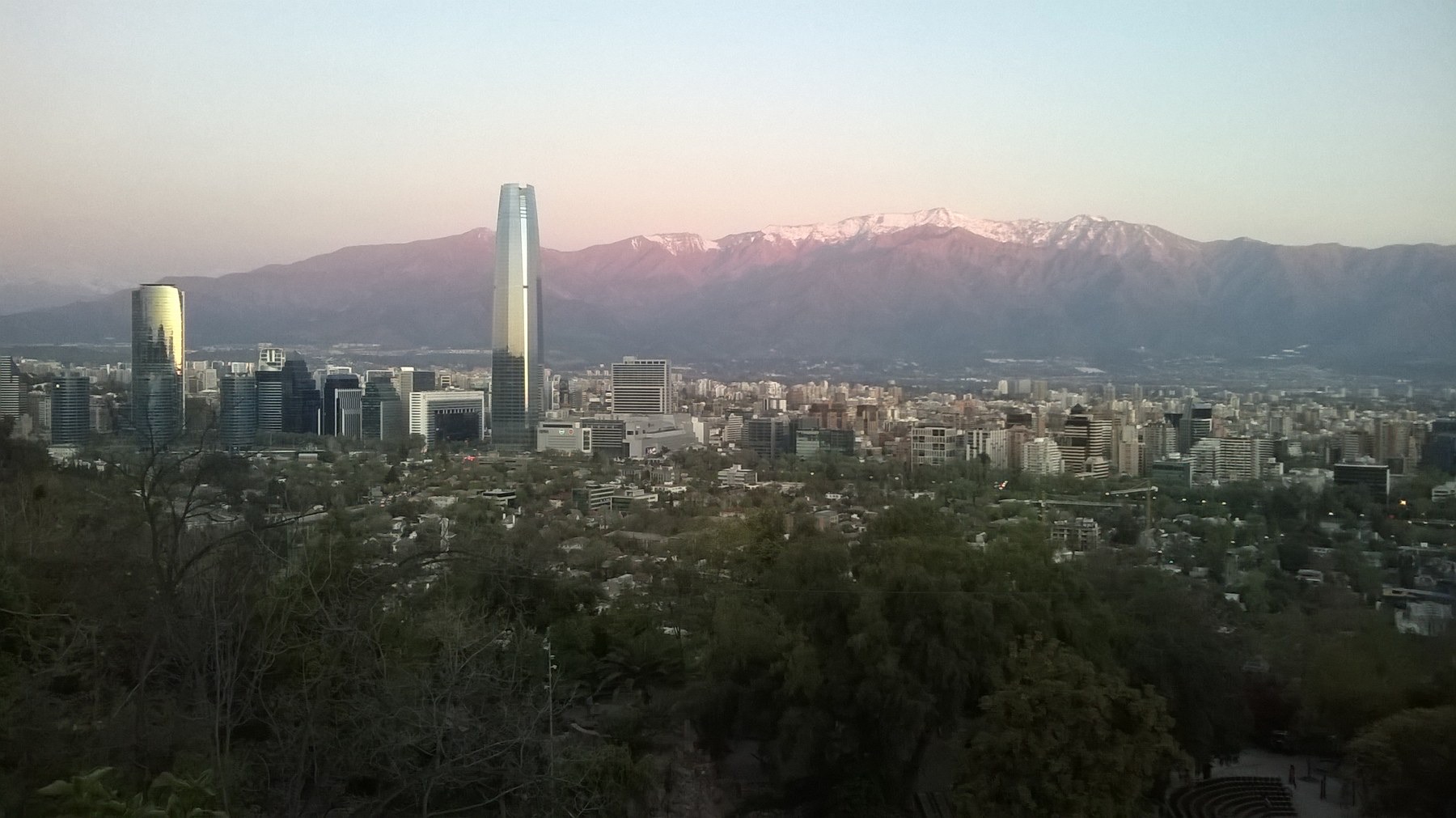 Thirsty Places: Santiago
A city of seven million at the foot of the Andes that has been in drought since 2010, in a country where water is private property, bought and sold apart from the land, and where a lake the size of a town dried up while the rights to its water were still being traded. Where Santiago's water comes from, what thirteen years without a normal winter have done to the snow that feeds it, how Chile's water code works and why it is being rewritten, what happened to Aculeo, and what a city announces when it draws up a plan to ration.
25 September 2026
Thirsty Places: Santiago
A city of seven million at the foot of the Andes that has been in drought since 2010, in a country where water is private property, bought and sold apart from the land, and where a lake the size of a town dried up while the rights to its water were still being traded. Where Santiago's water comes from, what thirteen years without a normal winter have done to the snow that feeds it, how Chile's water code works and why it is being rewritten, what happened to Aculeo, and what a city announces when it draws up a plan to ration.
25 September 2026
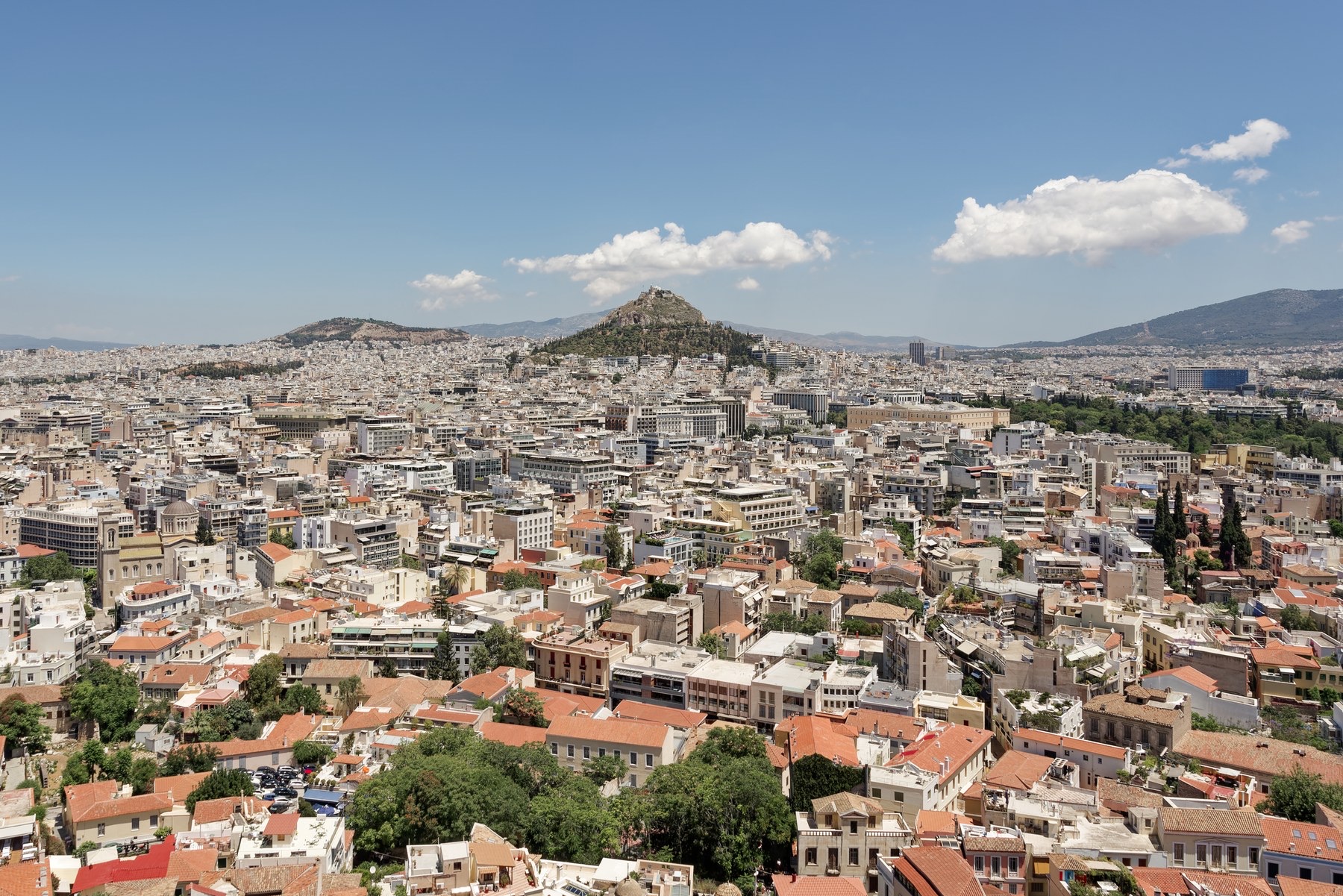 Thirsty Places: Athens
A city of four million on one of the driest coasts in Europe, which has always drunk from somewhere else: a Roman aqueduct for fifteen centuries, a lake and a dam in the twentieth, and now a reservoir two hundred kilometres away in the mountains. Where Athens's water comes from, what the aqueduct of Hadrian did and why the city is opening it again, what the droughts of 1990 and 2024 took, and why the largest water system in Greece is a set of pipes across a mountain range.
24 September 2026
Thirsty Places: Athens
A city of four million on one of the driest coasts in Europe, which has always drunk from somewhere else: a Roman aqueduct for fifteen centuries, a lake and a dam in the twentieth, and now a reservoir two hundred kilometres away in the mountains. Where Athens's water comes from, what the aqueduct of Hadrian did and why the city is opening it again, what the droughts of 1990 and 2024 took, and why the largest water system in Greece is a set of pipes across a mountain range.
24 September 2026
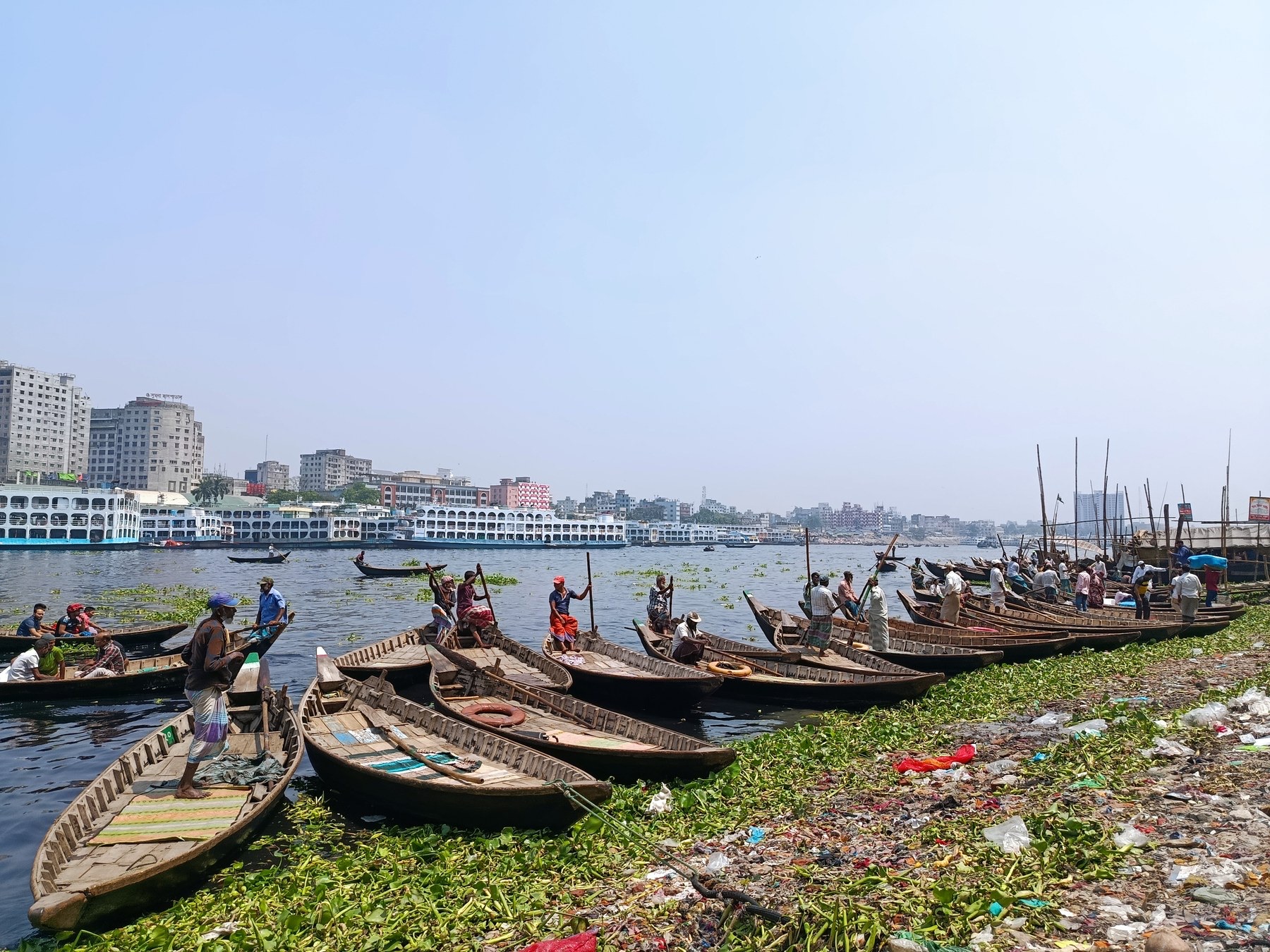 Thirsty Places: Dhaka
A city of twenty million on a river delta that drinks from wells, because its rivers are too foul to treat, and whose water table has been falling by two or three metres a year for decades. Where Dhaka's water comes from, why the wettest city on this site is short of water, what the dye houses and tanneries did to the rivers, how the utility is turning back to the surface, and what it takes to treat a river that carries a city's sewage and its factories' effluent.
24 September 2026
Thirsty Places: Dhaka
A city of twenty million on a river delta that drinks from wells, because its rivers are too foul to treat, and whose water table has been falling by two or three metres a year for decades. Where Dhaka's water comes from, why the wettest city on this site is short of water, what the dye houses and tanneries did to the rivers, how the utility is turning back to the surface, and what it takes to treat a river that carries a city's sewage and its factories' effluent.
24 September 2026
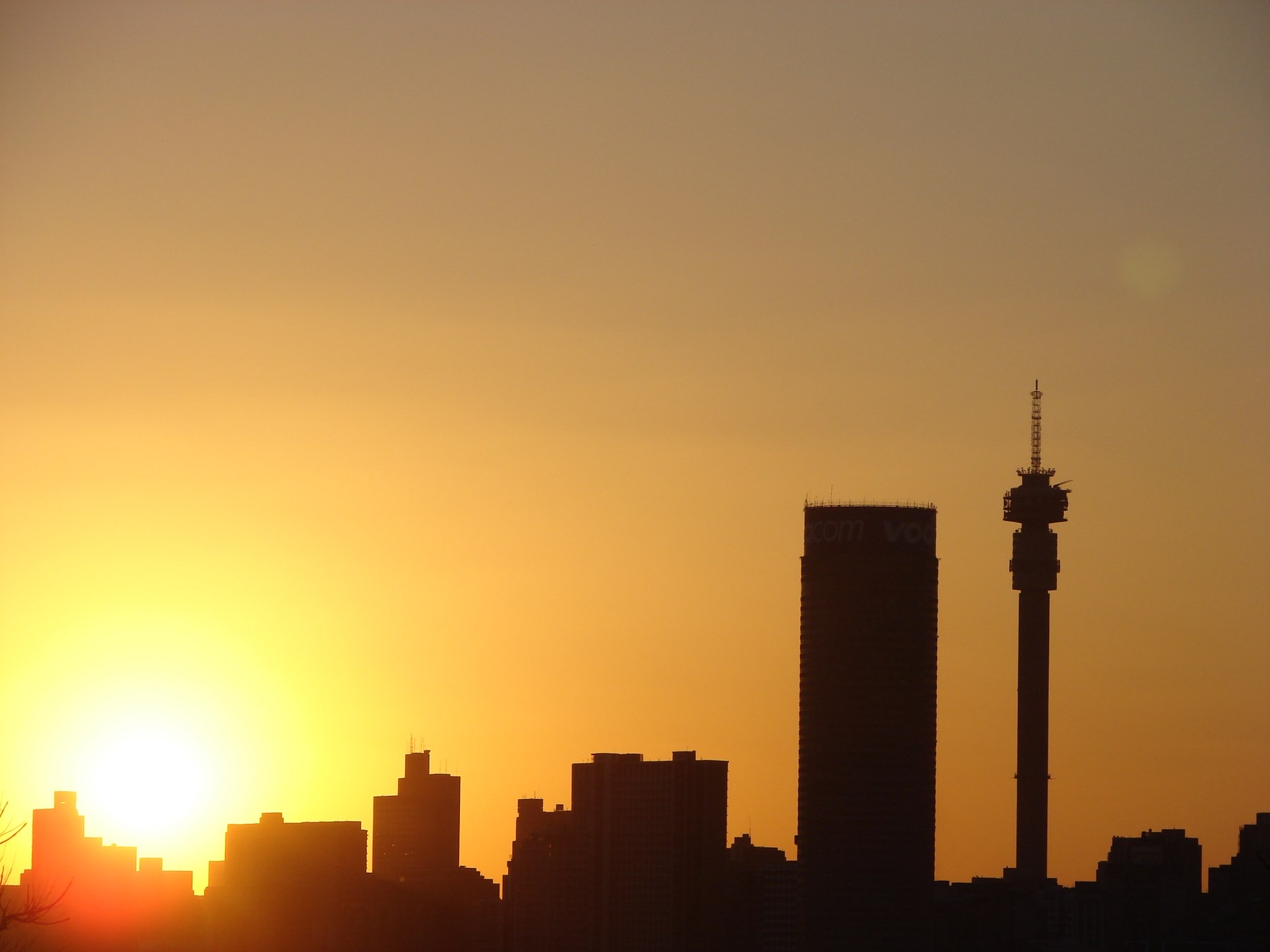 Thirsty Places: Johannesburg
A city of six million built on a ridge with no river, which drinks water pumped three hundred metres uphill from a dam fed by tunnels through the mountains of another country, and which in 2024 ran its reservoirs dry with the dam full. Where Johannesburg's water comes from, why the mountains of Lesotho are in it, what the gold mines left in the ground, why the taps failed in a year of ordinary rain, and what a city loses when it stops fixing its pipes.
24 September 2026
Thirsty Places: Johannesburg
A city of six million built on a ridge with no river, which drinks water pumped three hundred metres uphill from a dam fed by tunnels through the mountains of another country, and which in 2024 ran its reservoirs dry with the dam full. Where Johannesburg's water comes from, why the mountains of Lesotho are in it, what the gold mines left in the ground, why the taps failed in a year of ordinary rain, and what a city loses when it stops fixing its pipes.
24 September 2026
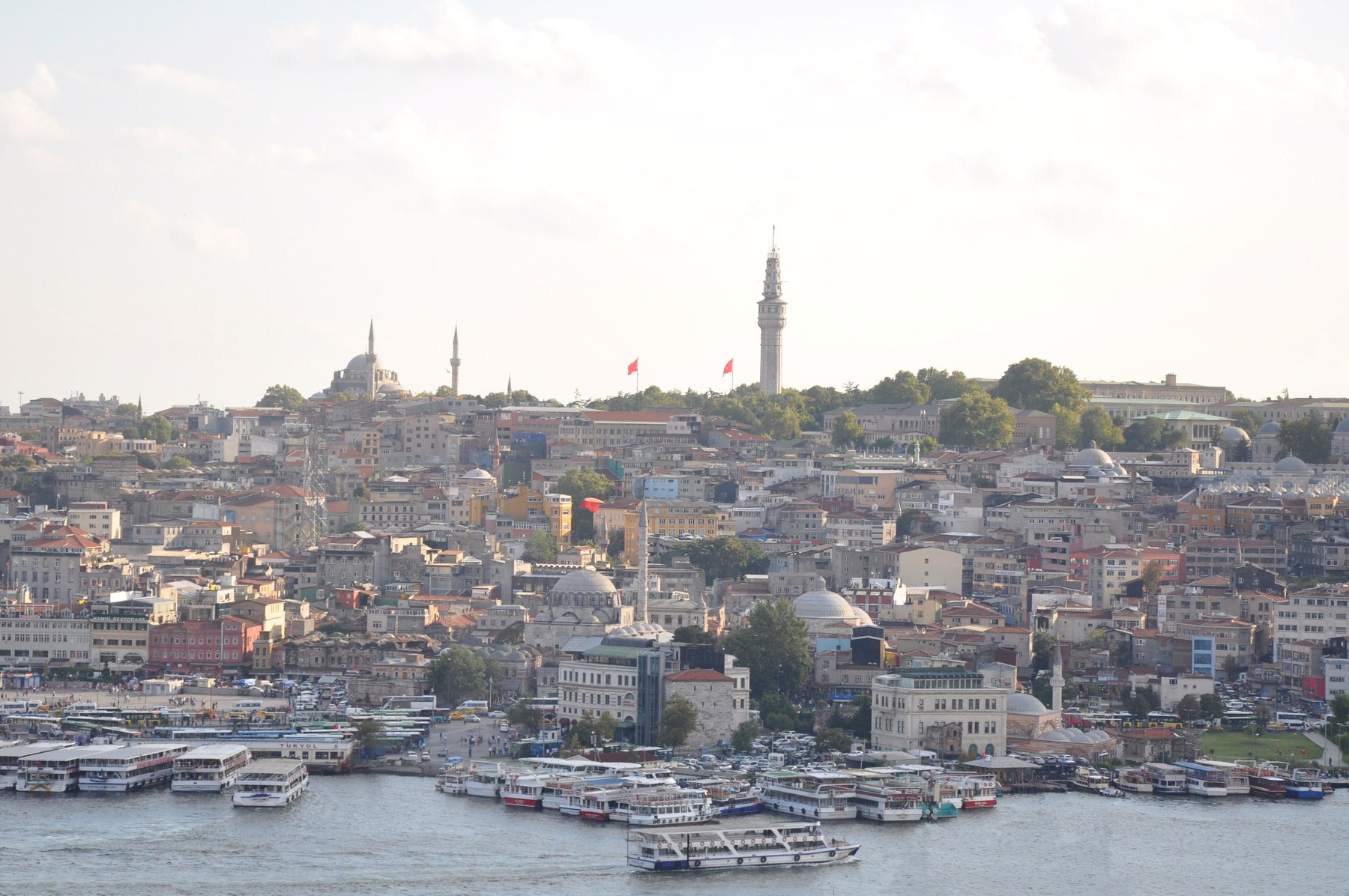 Thirsty Places: Istanbul
A city of sixteen million on two continents whose reservoirs fell to a fifth in the winter of 2021 and gave it, by the utility's own count, forty five days of water. Where Istanbul's water comes from, why a city on the sea and between two of them is short of it, what the pipe from the Melen river was for and why it took so long, and what the winter of 2021 showed about a city that has grown faster than any reservoir.
23 September 2026
Thirsty Places: Istanbul
A city of sixteen million on two continents whose reservoirs fell to a fifth in the winter of 2021 and gave it, by the utility's own count, forty five days of water. Where Istanbul's water comes from, why a city on the sea and between two of them is short of it, what the pipe from the Melen river was for and why it took so long, and what the winter of 2021 showed about a city that has grown faster than any reservoir.
23 September 2026
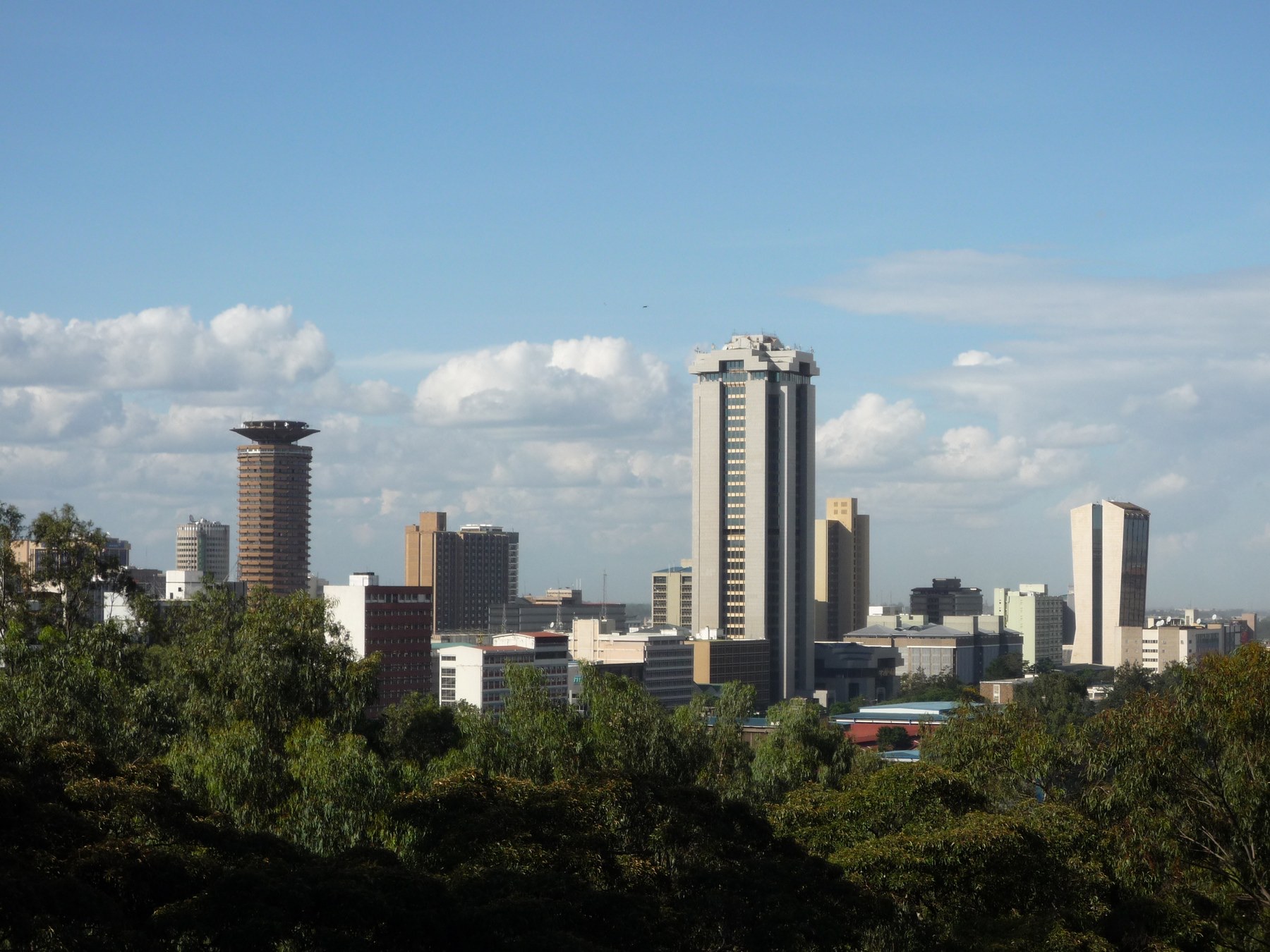 Thirsty Places: Nairobi
A city of five million that has been on permanent water rationing since 2017, where the utility supplies about two thirds of what the city needs, loses half of that on the way, and where the people in the poorest districts pay the most per litre of anyone in the country. Where Nairobi's water comes from, why the shortfall is structural, what the tunnel under the Aberdares was built to fix, and why a jerry can in Kibera costs more than a tap in Karen.
23 September 2026
Thirsty Places: Nairobi
A city of five million that has been on permanent water rationing since 2017, where the utility supplies about two thirds of what the city needs, loses half of that on the way, and where the people in the poorest districts pay the most per litre of anyone in the country. Where Nairobi's water comes from, why the shortfall is structural, what the tunnel under the Aberdares was built to fix, and why a jerry can in Kibera costs more than a tap in Karen.
23 September 2026
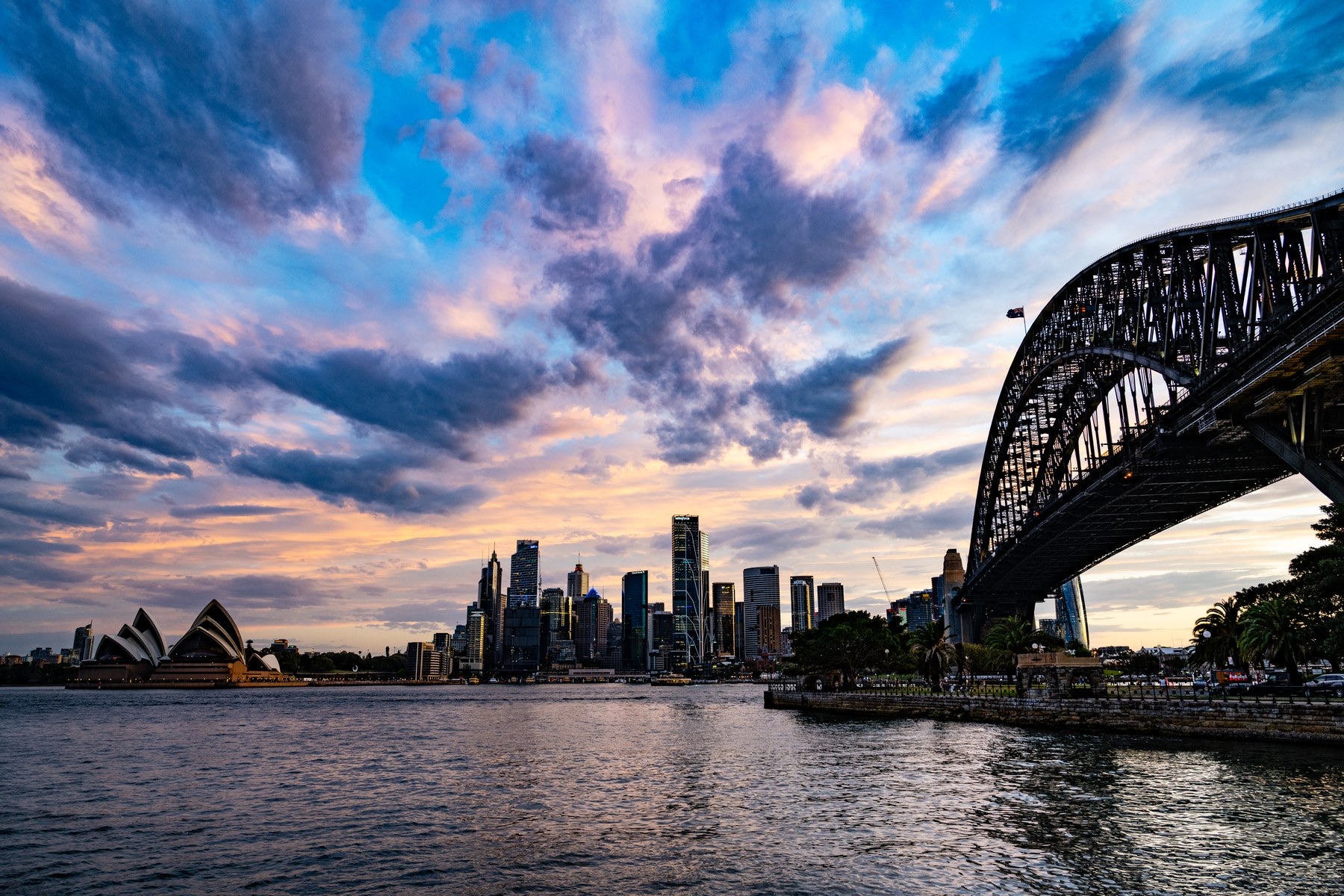 Thirsty Places: Sydney
A city of five million that drinks from one enormous dam, built a desalination plant in a drought, switched it off when the rain came and left it idle for seven years, then switched it on again in the next drought and is now doubling it. What Sydney's water is, why one dam holds four fifths of it, what the 2019 drought did to the plan, and why a plant that sits idle for years is doing exactly what it was built for.
23 September 2026
Thirsty Places: Sydney
A city of five million that drinks from one enormous dam, built a desalination plant in a drought, switched it off when the rain came and left it idle for seven years, then switched it on again in the next drought and is now doubling it. What Sydney's water is, why one dam holds four fifths of it, what the 2019 drought did to the plan, and why a plant that sits idle for years is doing exactly what it was built for.
23 September 2026
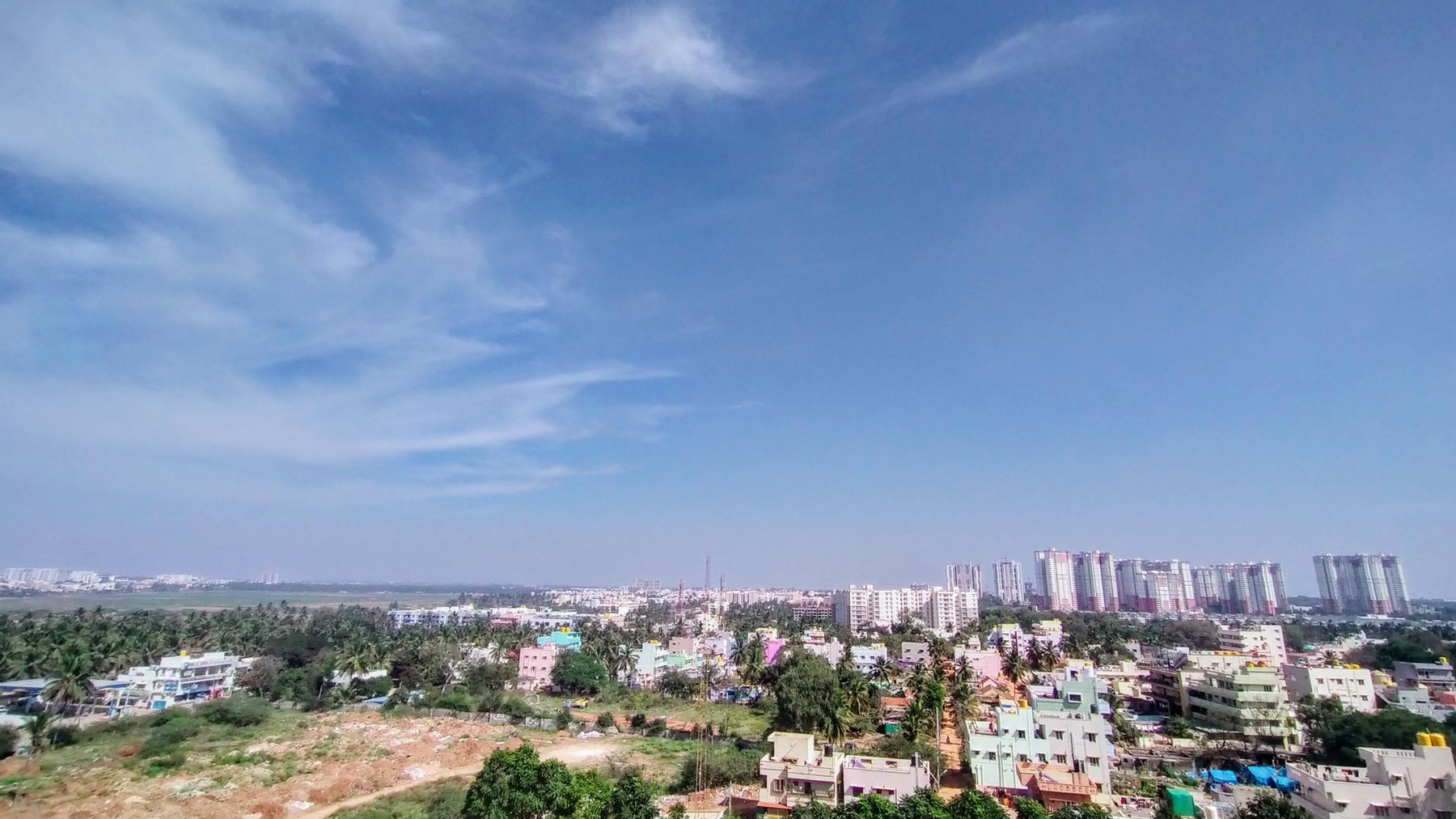 Thirsty Places: Bangalore
India's technology capital was built on a plateau of lakes, nine hundred metres above the sea and a hundred kilometres from a river, and it drained the lakes, built over them, and pumped the ground beneath until, in the summer of 2024, the wells of half the city ran dry and the technology companies told their staff to work from home. What Bangalore's water is, where the lakes went, what a lake fire looks like, and what the city is trying to get back.
22 September 2026
Thirsty Places: Bangalore
India's technology capital was built on a plateau of lakes, nine hundred metres above the sea and a hundred kilometres from a river, and it drained the lakes, built over them, and pumped the ground beneath until, in the summer of 2024, the wells of half the city ran dry and the technology companies told their staff to work from home. What Bangalore's water is, where the lakes went, what a lake fire looks like, and what the city is trying to get back.
22 September 2026
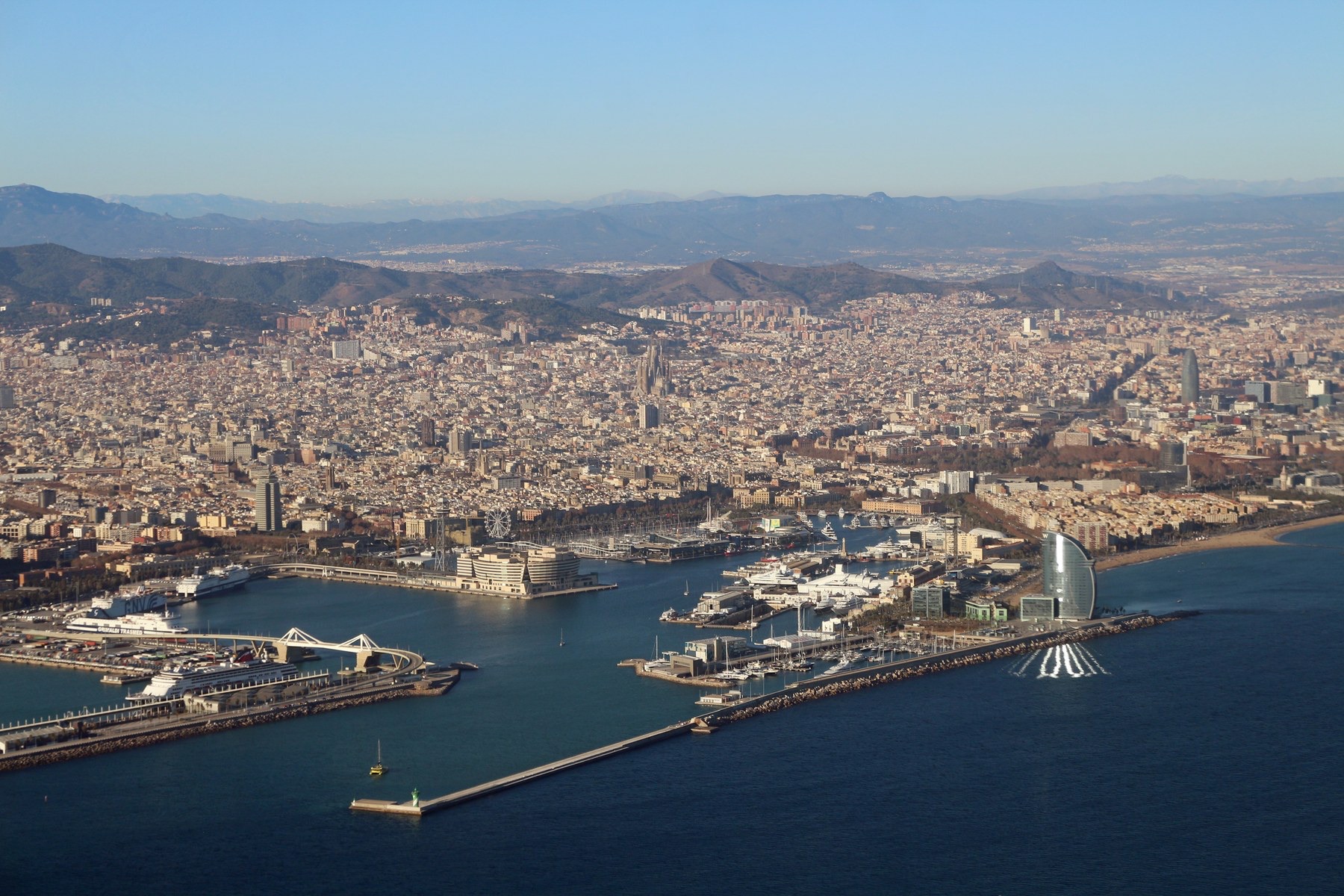 Thirsty Places: Barcelona
In the spring of 2008 a city of five million in one of the richest regions of Europe ran its reservoirs down to a fifth and brought drinking water in by ship from Marseille. It built the largest desalination plant on the continent in answer, and in 2024 it ran dry again, with the plant running flat out. What Barcelona's water is, what the tanker ships and the plant did, why the second drought was worse, and what a wet country's dry corner has learned twice.
22 September 2026
Thirsty Places: Barcelona
In the spring of 2008 a city of five million in one of the richest regions of Europe ran its reservoirs down to a fifth and brought drinking water in by ship from Marseille. It built the largest desalination plant on the continent in answer, and in 2024 it ran dry again, with the plant running flat out. What Barcelona's water is, what the tanker ships and the plant did, why the second drought was worse, and what a wet country's dry corner has learned twice.
22 September 2026
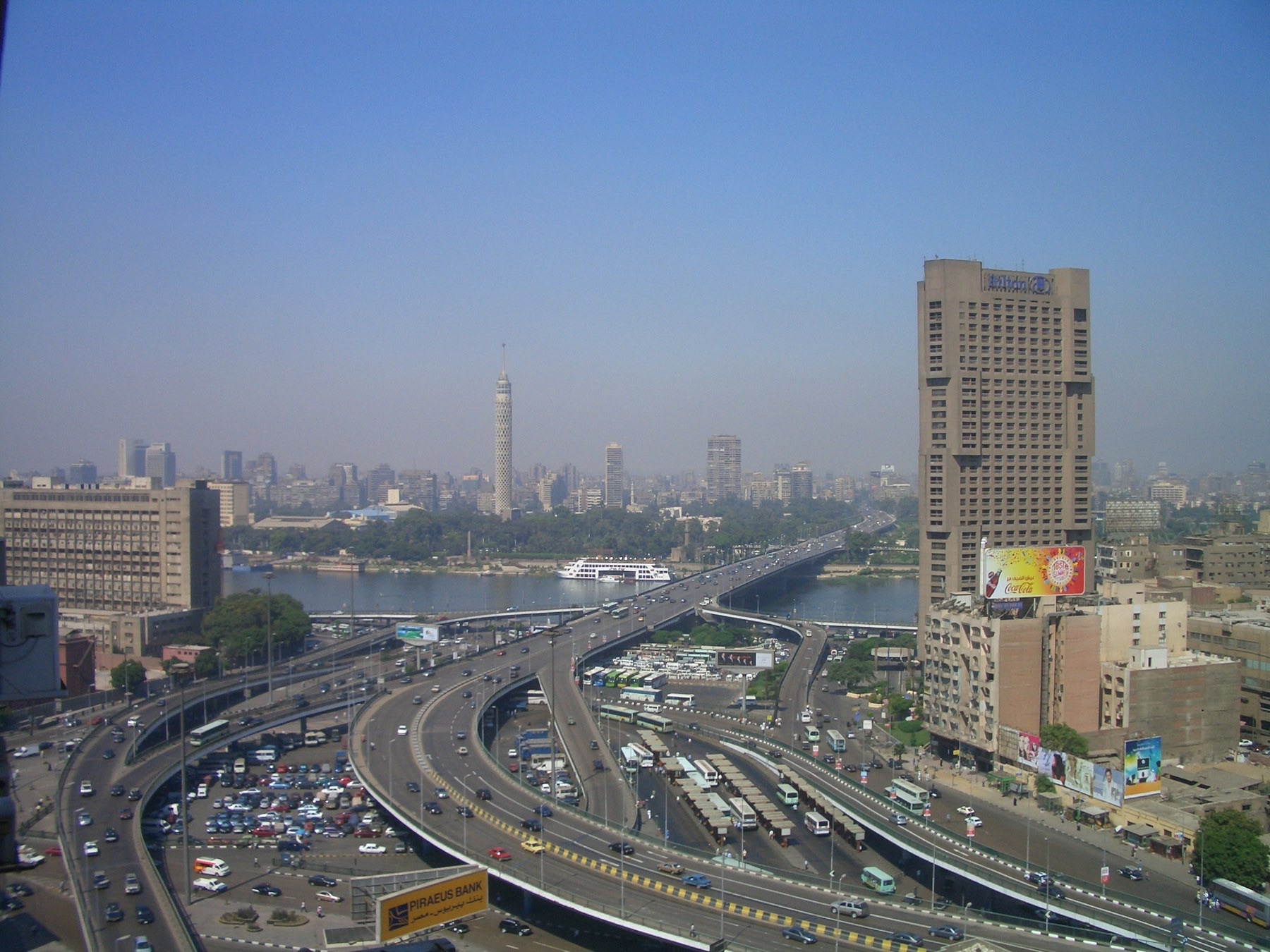 Thirsty Places: Cairo
A country of a hundred and ten million people, almost all of them living on a strip of river valley that is three percent of its land, drinking a river that starts in another country, which has just finished the largest dam in Africa across it. What the Nile is to Egypt, what the Grand Ethiopian Renaissance Dam changes, why the delta is salting and sinking, and what a city of twenty million does when the only river is spoken for.
22 September 2026
Thirsty Places: Cairo
A country of a hundred and ten million people, almost all of them living on a strip of river valley that is three percent of its land, drinking a river that starts in another country, which has just finished the largest dam in Africa across it. What the Nile is to Egypt, what the Grand Ethiopian Renaissance Dam changes, why the delta is salting and sinking, and what a city of twenty million does when the only river is spoken for.
22 September 2026
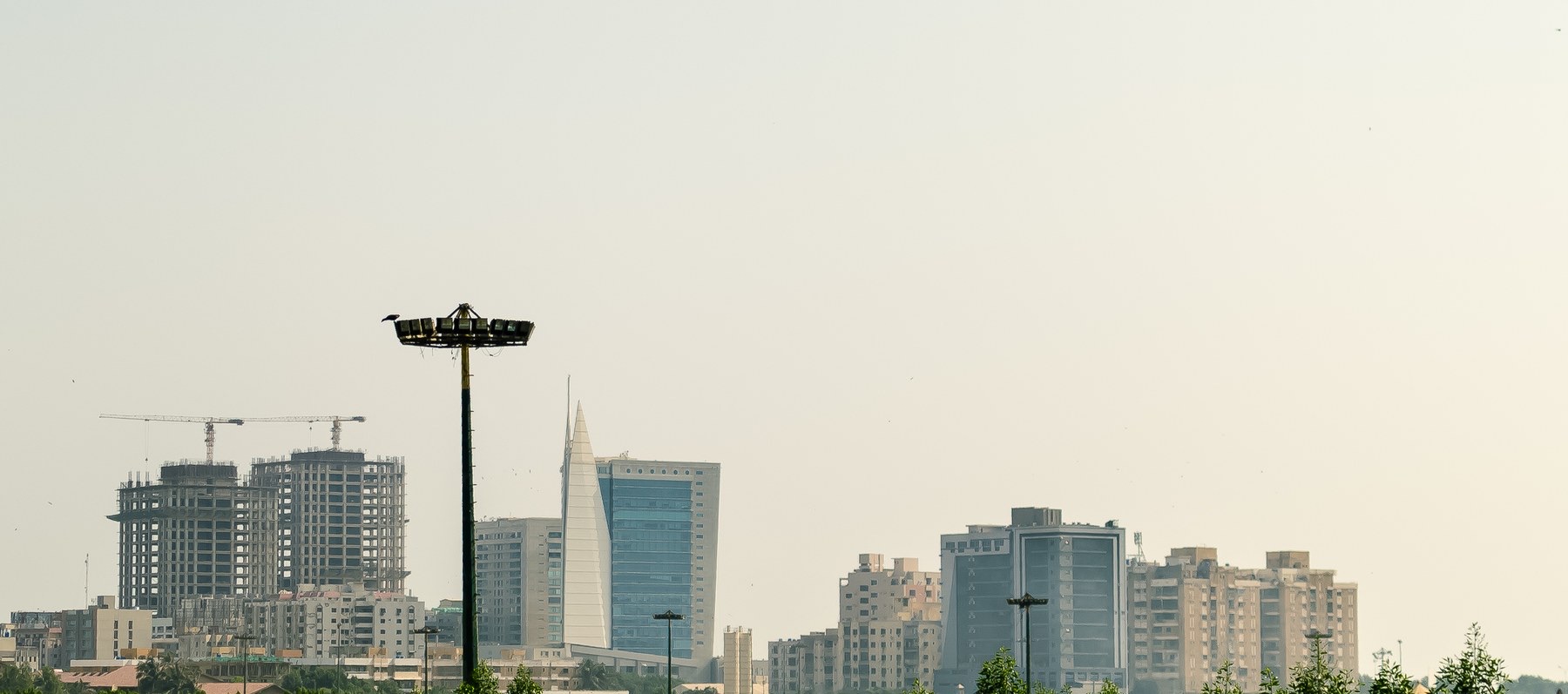 Thirsty Places: Karachi
The largest city in Pakistan gets about half the water it needs through pipes, and the other half through a business of tankers, some of them licensed and many of them not, that draws on the same supply and sells it back to the city at ten times the price. What Karachi's water is, why the pipes never caught up, how the tanker economy works, and why the fix that every engineer can draw has been on paper for thirty years.
22 September 2026
Thirsty Places: Karachi
The largest city in Pakistan gets about half the water it needs through pipes, and the other half through a business of tankers, some of them licensed and many of them not, that draws on the same supply and sells it back to the city at ten times the price. What Karachi's water is, why the pipes never caught up, how the tanker economy works, and why the fix that every engineer can draw has been on paper for thirty years.
22 September 2026
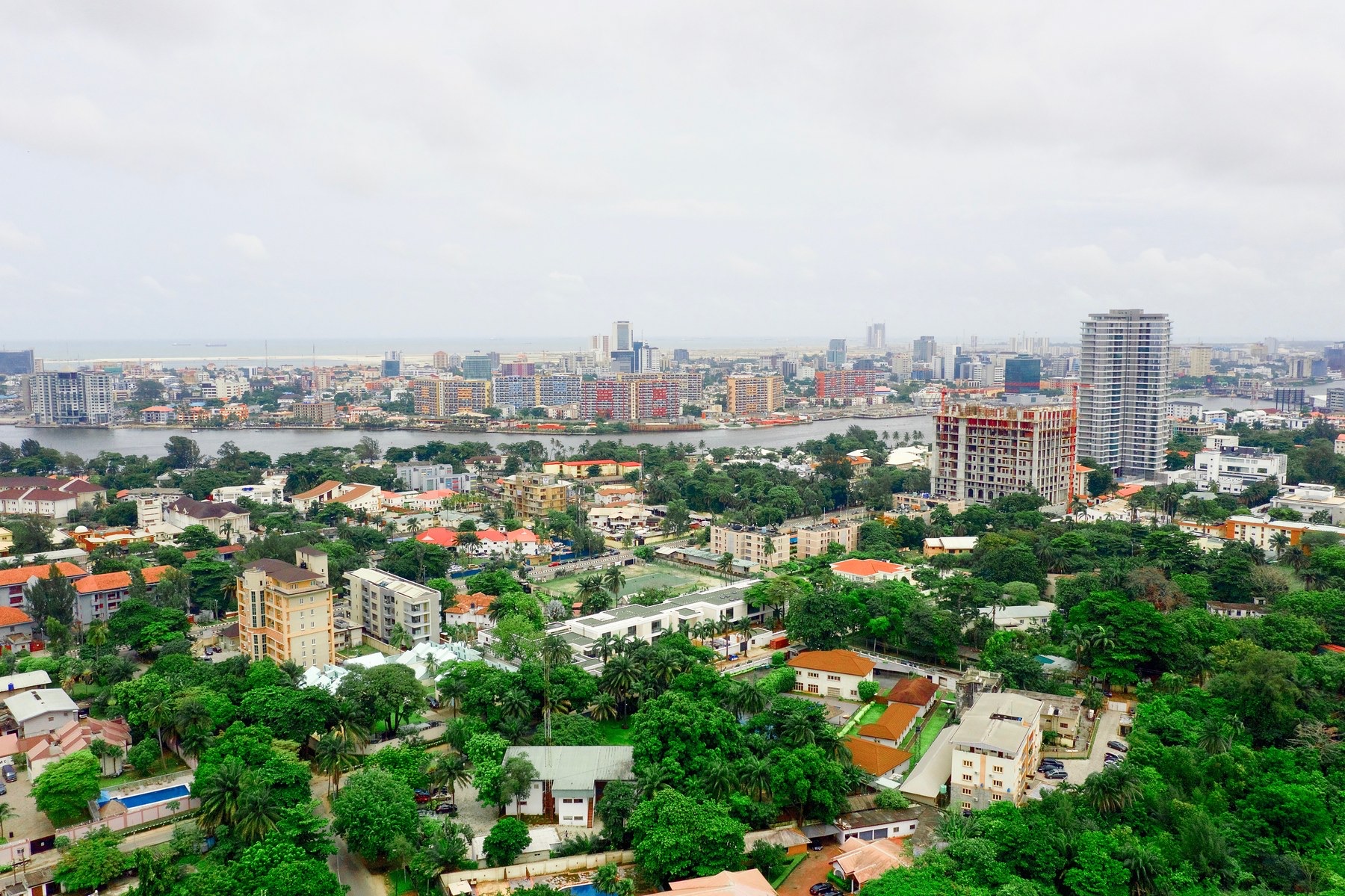 Thirsty Places: Lagos
The largest city in Africa sits on a lagoon, gets two metres of rain a year, floods every wet season, and delivers piped water to about one household in ten. The rest buy from boreholes, vendors and sachets, and the sachet, half a litre of water in a plastic bag, is how most of Lagos drinks. What the city's water is, why the utility built for a million serves twenty, what a sachet costs, and why a wet city can be a thirsty one.
22 September 2026
Thirsty Places: Lagos
The largest city in Africa sits on a lagoon, gets two metres of rain a year, floods every wet season, and delivers piped water to about one household in ten. The rest buy from boreholes, vendors and sachets, and the sachet, half a litre of water in a plastic bag, is how most of Lagos drinks. What the city's water is, why the utility built for a million serves twenty, what a sachet costs, and why a wet city can be a thirsty one.
22 September 2026
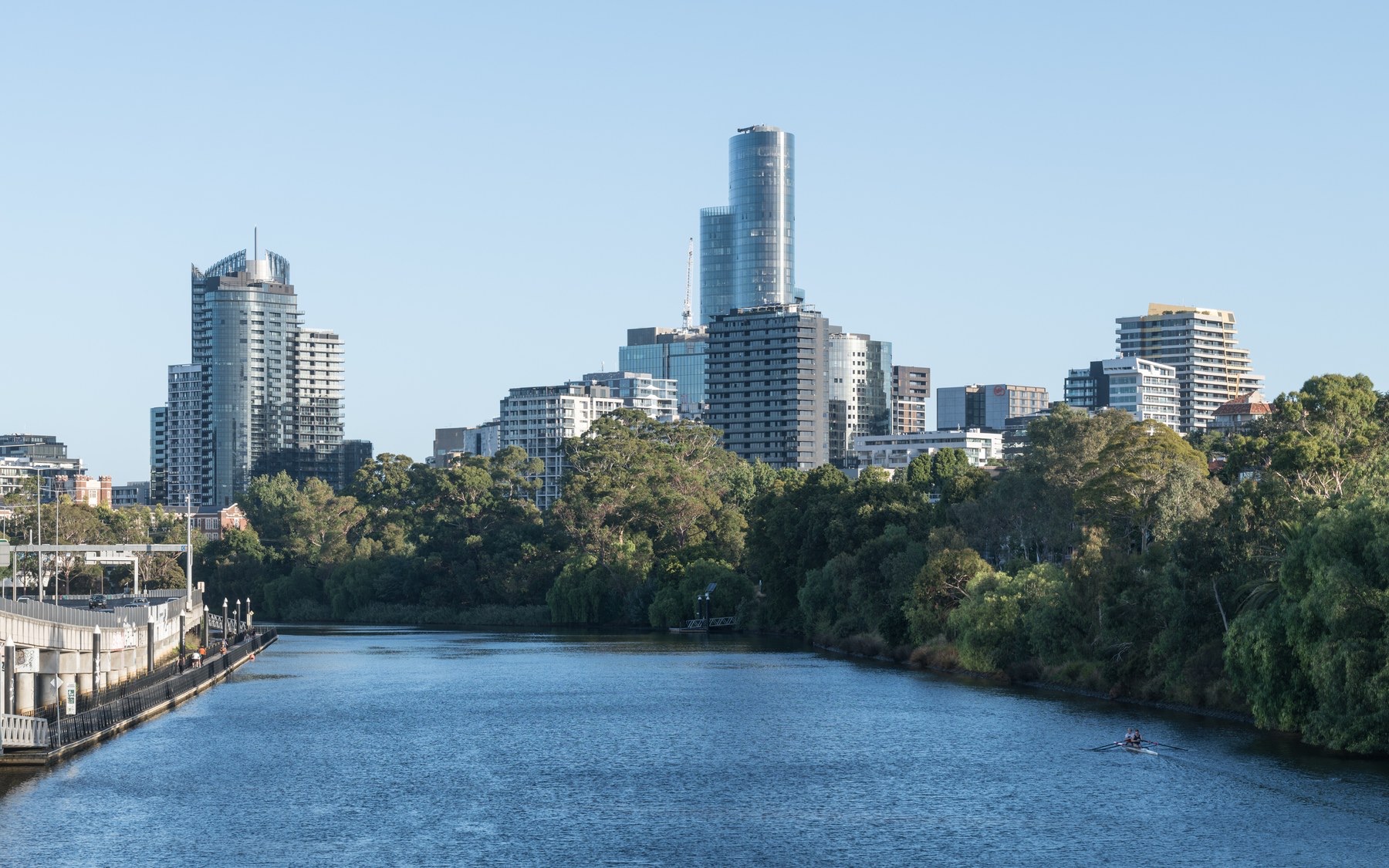 Thirsty Places: Melbourne
A city of five million that drinks from forests it has closed to the public for a century, that came within two years of empty in a drought that lasted thirteen, and that cut its use by half without a single day of rationing by rota. What Melbourne's water is, what the Millennium Drought did, what the campaign that asked for four minute showers achieved, and what a desalination plant that sat idle for a decade was for.
22 September 2026
Thirsty Places: Melbourne
A city of five million that drinks from forests it has closed to the public for a century, that came within two years of empty in a drought that lasted thirteen, and that cut its use by half without a single day of rationing by rota. What Melbourne's water is, what the Millennium Drought did, what the campaign that asked for four minute showers achieved, and what a desalination plant that sat idle for a decade was for.
22 September 2026
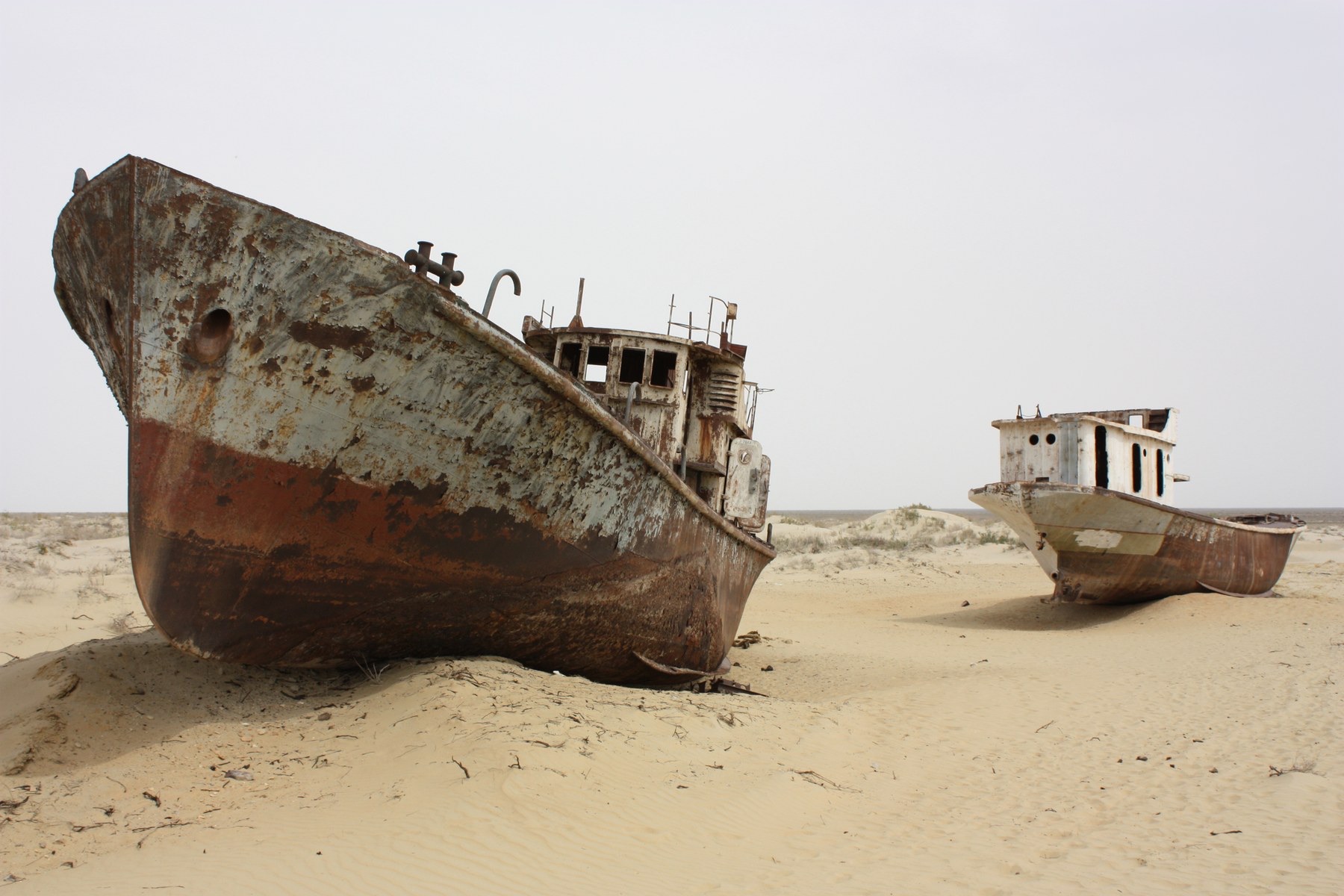 Thirsty Places: The Aral Sea
The fourth largest lake on Earth was drained in forty years to grow cotton, and the fishing boats of its ports lie in the sand a hundred kilometres from the water. What happened, what it did to the people who lived there, what a dam built in 2005 brought back, and what the largest man made water disaster in history teaches every irrigated valley since.
21 September 2026
Thirsty Places: The Aral Sea
The fourth largest lake on Earth was drained in forty years to grow cotton, and the fishing boats of its ports lie in the sand a hundred kilometres from the water. What happened, what it did to the people who lived there, what a dam built in 2005 brought back, and what the largest man made water disaster in history teaches every irrigated valley since.
21 September 2026
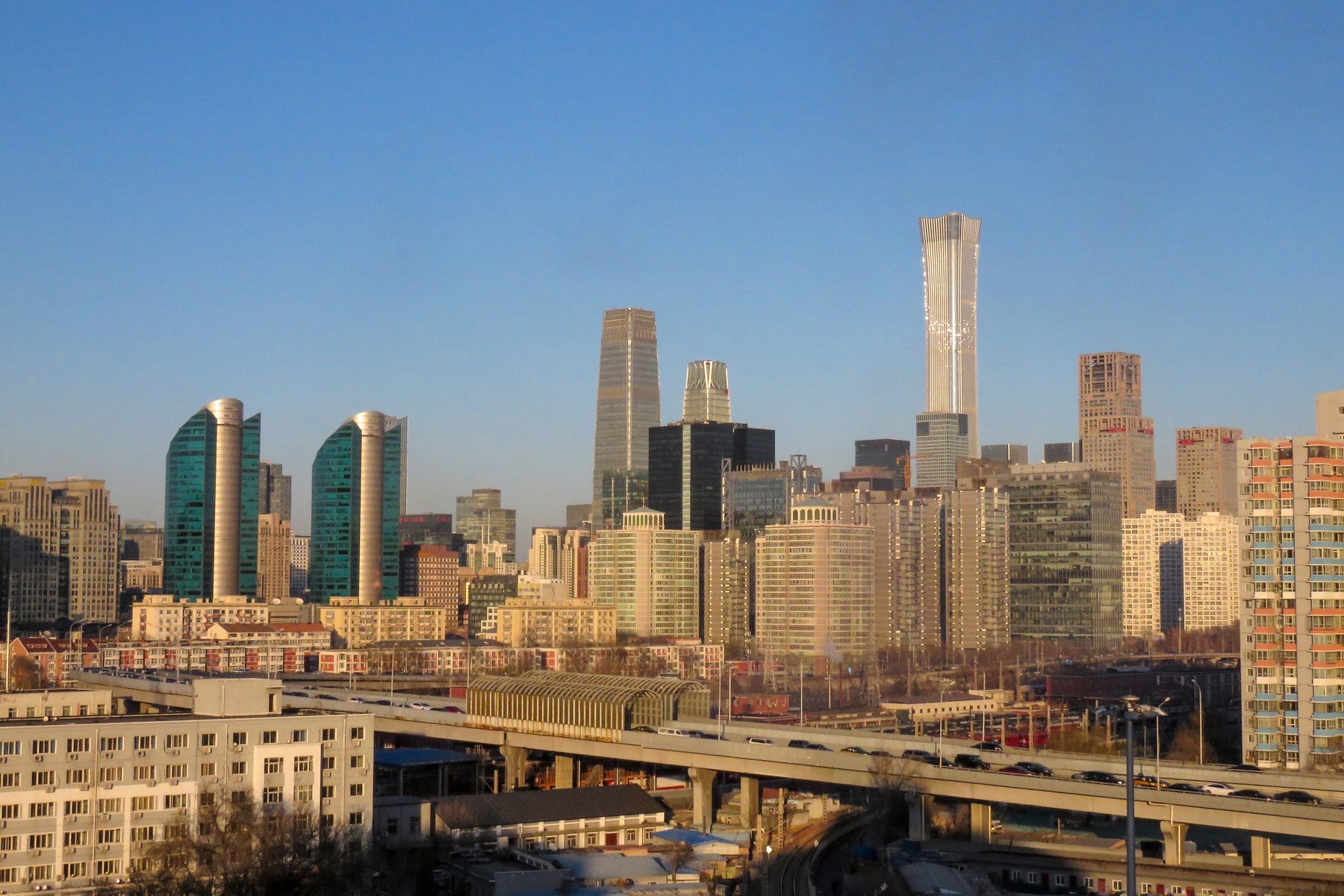 Thirsty Places: Beijing
The capital of China has less water per person than Saudi Arabia, and for forty years it drank the aquifer beneath it until the ground sank and the wells ran dry. The answer was the largest water transfer ever built, a canal fourteen hundred kilometres long that carries a river from the south to the north. What Beijing's water is, what the transfer cost and delivered, and why a city can be saved by a canal and still be running out.
21 September 2026
Thirsty Places: Beijing
The capital of China has less water per person than Saudi Arabia, and for forty years it drank the aquifer beneath it until the ground sank and the wells ran dry. The answer was the largest water transfer ever built, a canal fourteen hundred kilometres long that carries a river from the south to the north. What Beijing's water is, what the transfer cost and delivered, and why a city can be saved by a canal and still be running out.
21 September 2026
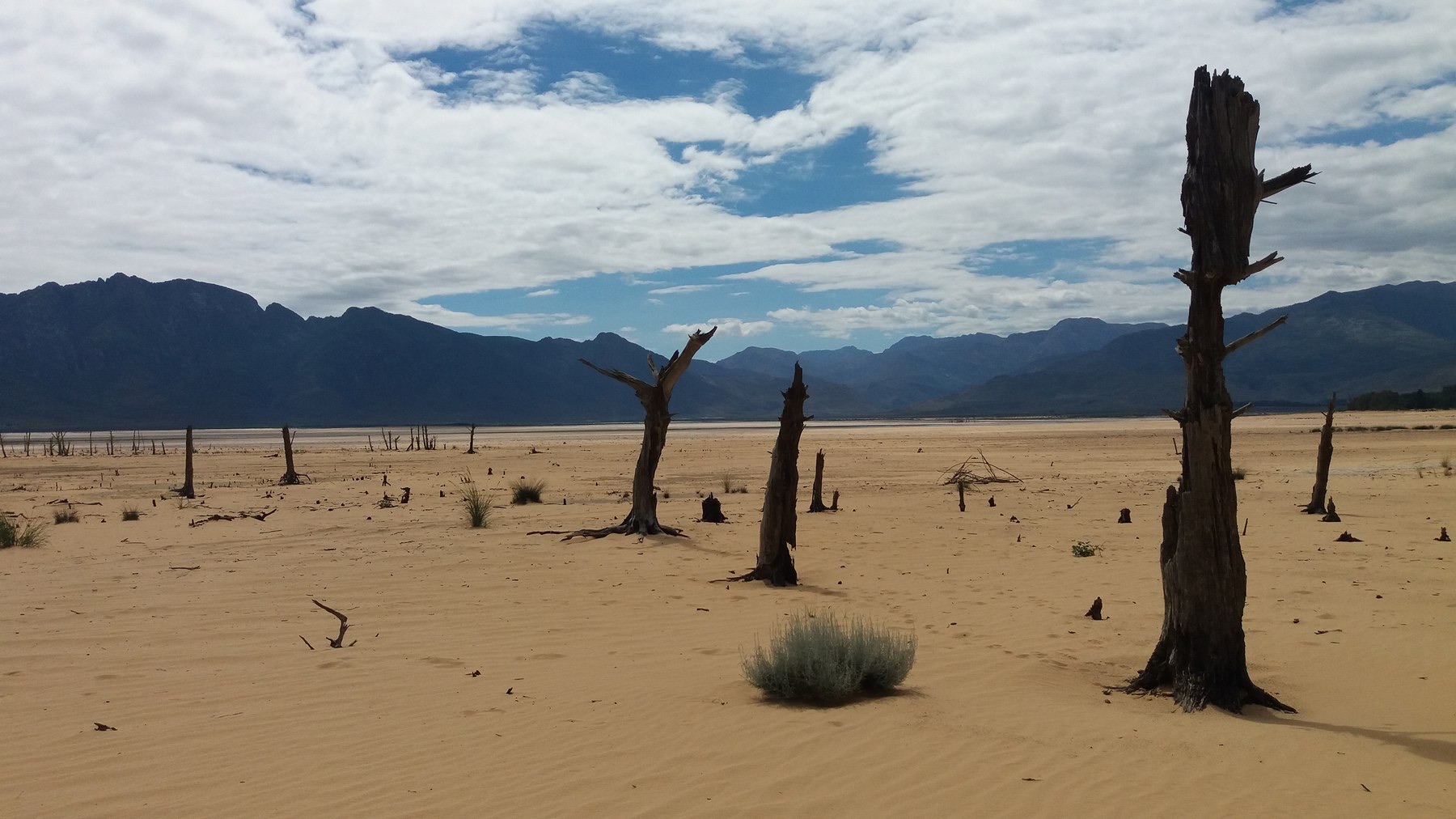 Thirsty Places: Cape Town
In 2018 a city of four million came within weeks of switching off its taps, and did not. How the drought arrived, what the city did in the last hundred days, what it has built since, and what a near miss taught every other city that watched.
21 September 2026
Thirsty Places: Cape Town
In 2018 a city of four million came within weeks of switching off its taps, and did not. How the drought arrived, what the city did in the last hundred days, what it has built since, and what a near miss taught every other city that watched.
21 September 2026
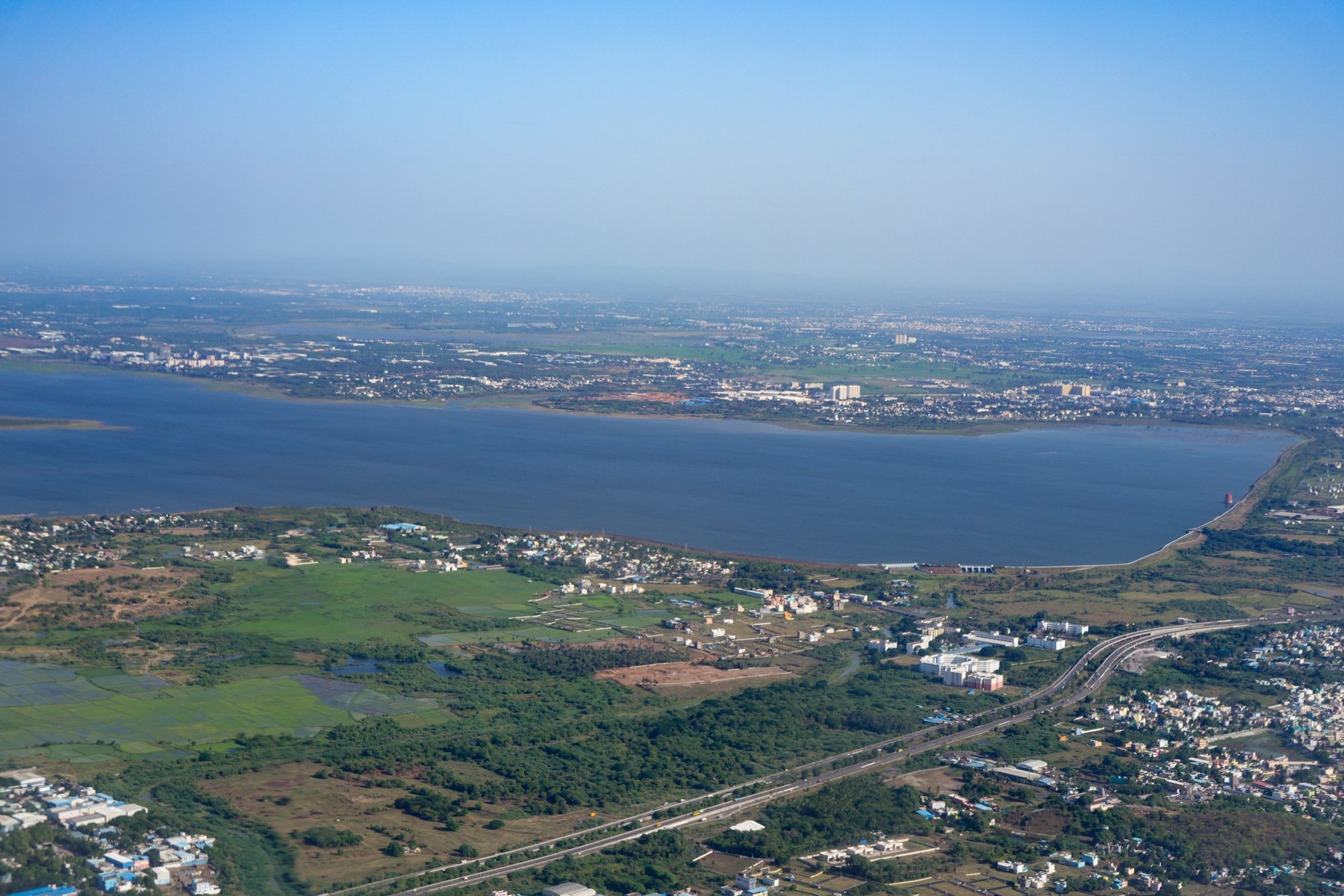 Thirsty Places: Chennai
In June 2019 the four reservoirs of India's sixth largest city held almost nothing, and water arrived by train from two hundred kilometres away. Four years earlier the same city had been under water. What happened to Chennai, why a city with a monsoon runs dry, what the rain barrels on every roof are for, and what the trains and the desalination plants did and did not solve.
21 September 2026
Thirsty Places: Chennai
In June 2019 the four reservoirs of India's sixth largest city held almost nothing, and water arrived by train from two hundred kilometres away. Four years earlier the same city had been under water. What happened to Chennai, why a city with a monsoon runs dry, what the rain barrels on every roof are for, and what the trains and the desalination plants did and did not solve.
21 September 2026
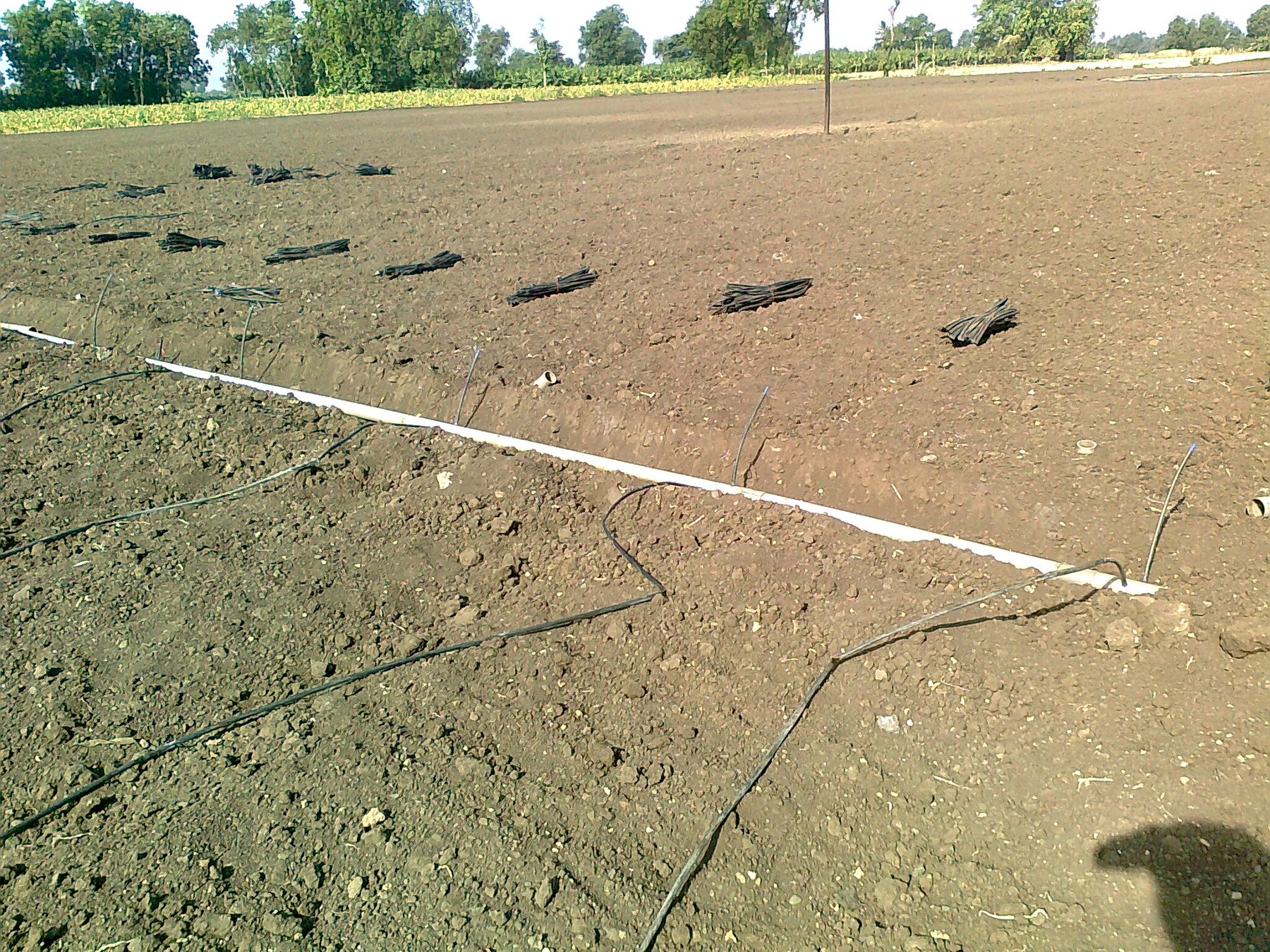 Thirsty Places: Israel
A country that is more than half desert grows its own food, exports fruit, and drinks the sea. Most of that comes down to two decisions made in the 1960s: to deliver water to plants a drop at a time, and to send a city's treated sewage to the farms of the Negev. What drip irrigation is, why it was invented where it was, and what a country built on it looks like.
21 September 2026
Thirsty Places: Israel
A country that is more than half desert grows its own food, exports fruit, and drinks the sea. Most of that comes down to two decisions made in the 1960s: to deliver water to plants a drop at a time, and to send a city's treated sewage to the farms of the Negev. What drip irrigation is, why it was invented where it was, and what a country built on it looks like.
21 September 2026
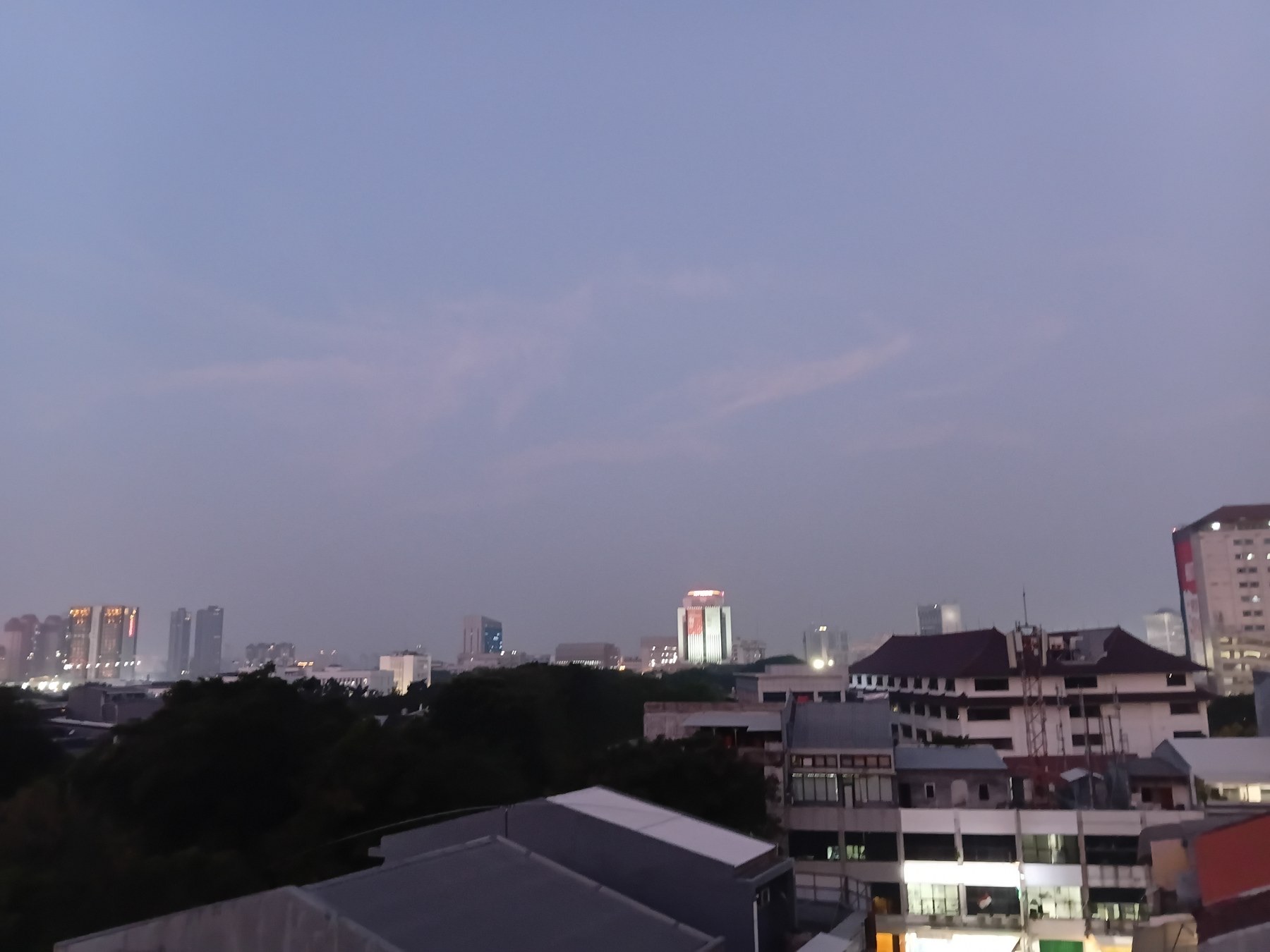 Thirsty Places: Jakarta
The capital of Indonesia is sinking faster than any large city on Earth, up to twenty five centimetres a year in its northern districts, because ten million people pump the ground beneath them for water the pipes do not deliver. Two fifths of the city is already below sea level, a wall is being built along the coast, and the government is moving the capital to another island. What Jakarta's water is, why the pipes failed, and whether a city can stop sinking.
21 September 2026
Thirsty Places: Jakarta
The capital of Indonesia is sinking faster than any large city on Earth, up to twenty five centimetres a year in its northern districts, because ten million people pump the ground beneath them for water the pipes do not deliver. Two fifths of the city is already below sea level, a wall is being built along the coast, and the government is moving the capital to another island. What Jakarta's water is, why the pipes failed, and whether a city can stop sinking.
21 September 2026
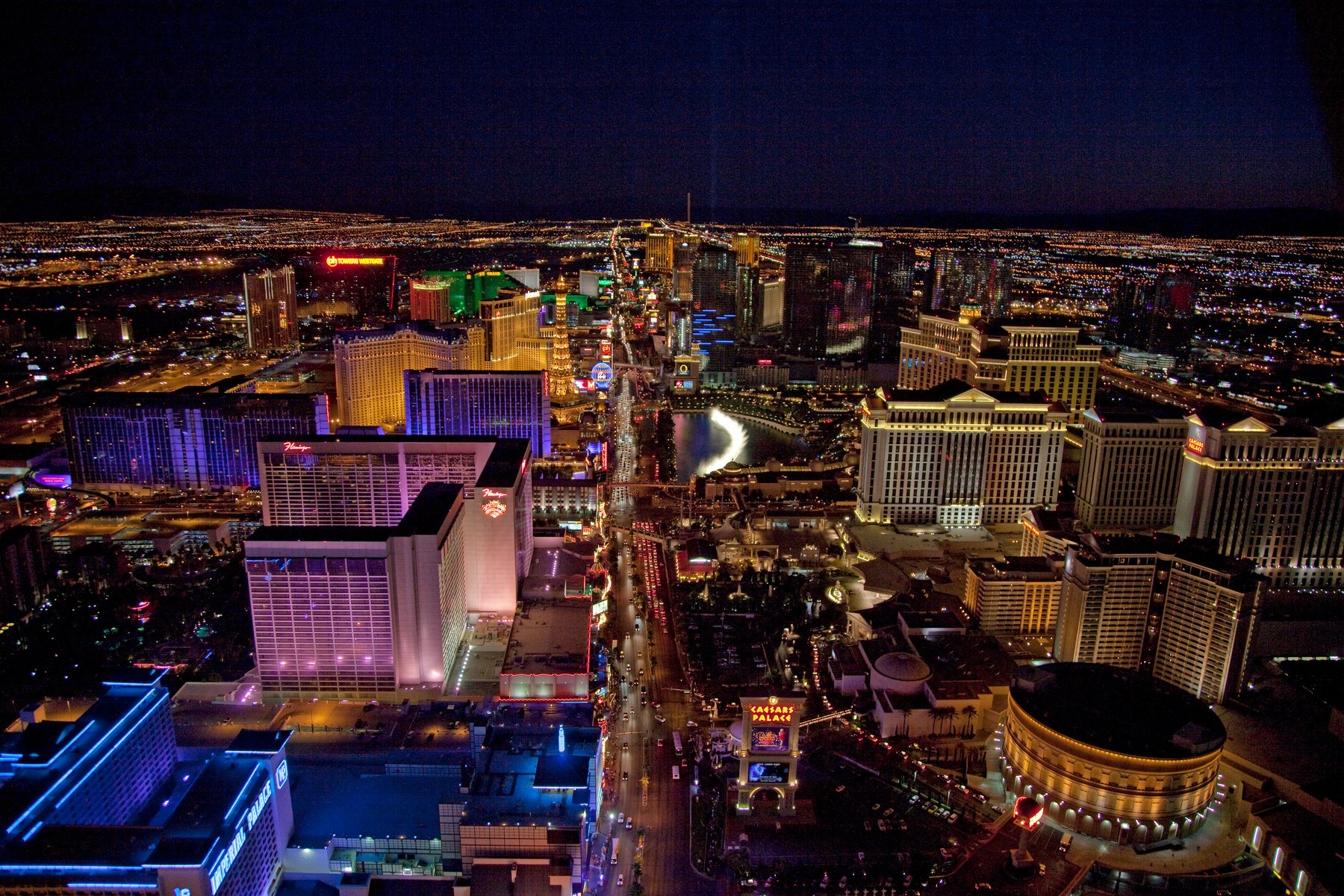 Thirsty Places: Las Vegas
A city of two million people in the driest desert in North America, with fountains on its main street, has cut its river water use by a quarter while its population grew by half. It did it by treating and returning nearly every drop used indoors, by paying people to dig up their lawns, and, in the end, by banning grass. What Las Vegas does with its water, and why it is a better model than its reputation.
21 September 2026
Thirsty Places: Las Vegas
A city of two million people in the driest desert in North America, with fountains on its main street, has cut its river water use by a quarter while its population grew by half. It did it by treating and returning nearly every drop used indoors, by paying people to dig up their lawns, and, in the end, by banning grass. What Las Vegas does with its water, and why it is a better model than its reputation.
21 September 2026
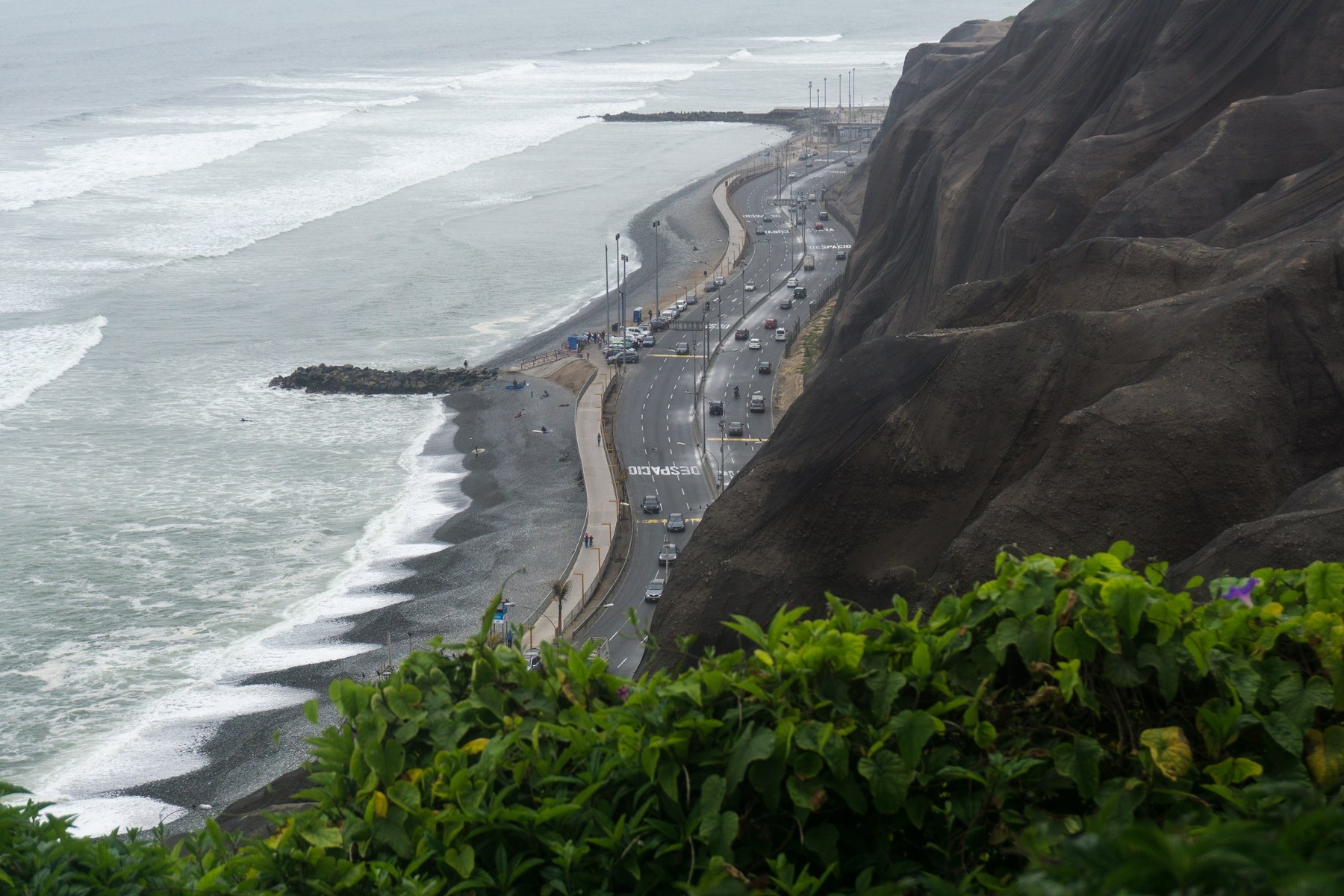 Thirsty Places: Lima
Ten million people live in a city where it almost never rains, on a coastal desert between the Pacific and the Andes, drinking a river that is fed by glaciers that are melting away. A million and a half of them have no pipe and buy water from trucks at ten times the price the wealthy pay for theirs. What Lima's water is, where it comes from, what the fog on the hills has to do with it, and why the poorest city district in this series pays the most per litre.
21 September 2026
Thirsty Places: Lima
Ten million people live in a city where it almost never rains, on a coastal desert between the Pacific and the Andes, drinking a river that is fed by glaciers that are melting away. A million and a half of them have no pipe and buy water from trucks at ten times the price the wealthy pay for theirs. What Lima's water is, where it comes from, what the fog on the hills has to do with it, and why the poorest city district in this series pays the most per litre.
21 September 2026
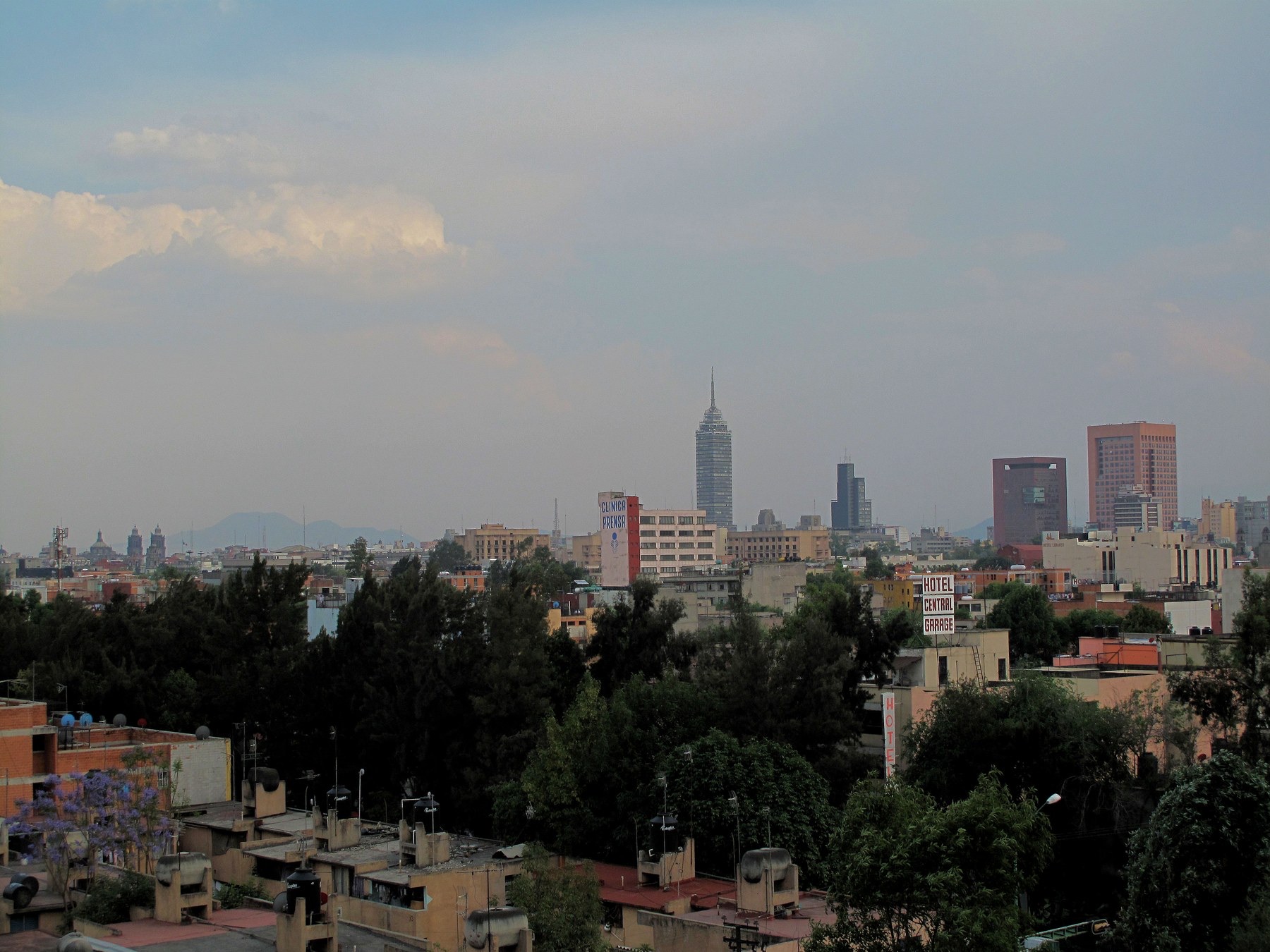 Thirsty Places: Mexico City
A city of twenty two million people built on a drained lake, sinking by up to half a metre a year because it drinks the ground beneath it, and pumping the rest of its water over a mountain range from a hundred kilometres away. What Mexico City's water is, why the pipes leak a third of it, why the wealthy have water and the poor have tankers, and what a city does when the ground itself is the reservoir it is emptying.
21 September 2026
Thirsty Places: Mexico City
A city of twenty two million people built on a drained lake, sinking by up to half a metre a year because it drinks the ground beneath it, and pumping the rest of its water over a mountain range from a hundred kilometres away. What Mexico City's water is, why the pipes leak a third of it, why the wealthy have water and the poor have tankers, and what a city does when the ground itself is the reservoir it is emptying.
21 September 2026
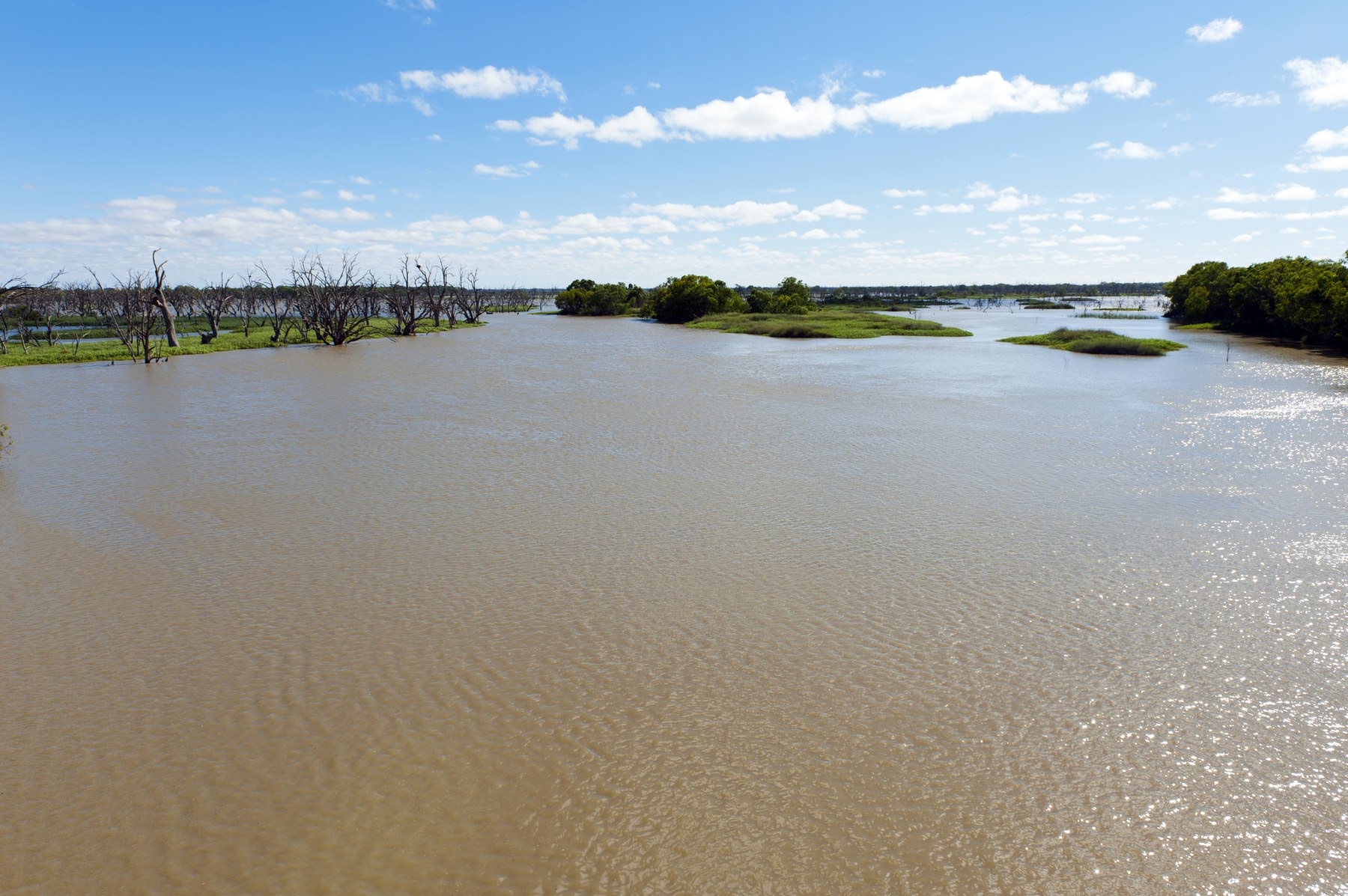 Thirsty Places: The Murray Darling
Australia's largest river system grows most of the country's irrigated food, and for a century the states along it took more water than the rivers had. A drought that lasted a decade, a river mouth that had to be dredged to reach the sea, and a million dead fish forced the country to write a plan that buys water back from farmers and gives it to the river. What the Murray Darling Basin Plan is, why it is the world's largest experiment in water markets, and what it has and has not fixed.
21 September 2026
Thirsty Places: The Murray Darling
Australia's largest river system grows most of the country's irrigated food, and for a century the states along it took more water than the rivers had. A drought that lasted a decade, a river mouth that had to be dredged to reach the sea, and a million dead fish forced the country to write a plan that buys water back from farmers and gives it to the river. What the Murray Darling Basin Plan is, why it is the world's largest experiment in water markets, and what it has and has not fixed.
21 September 2026
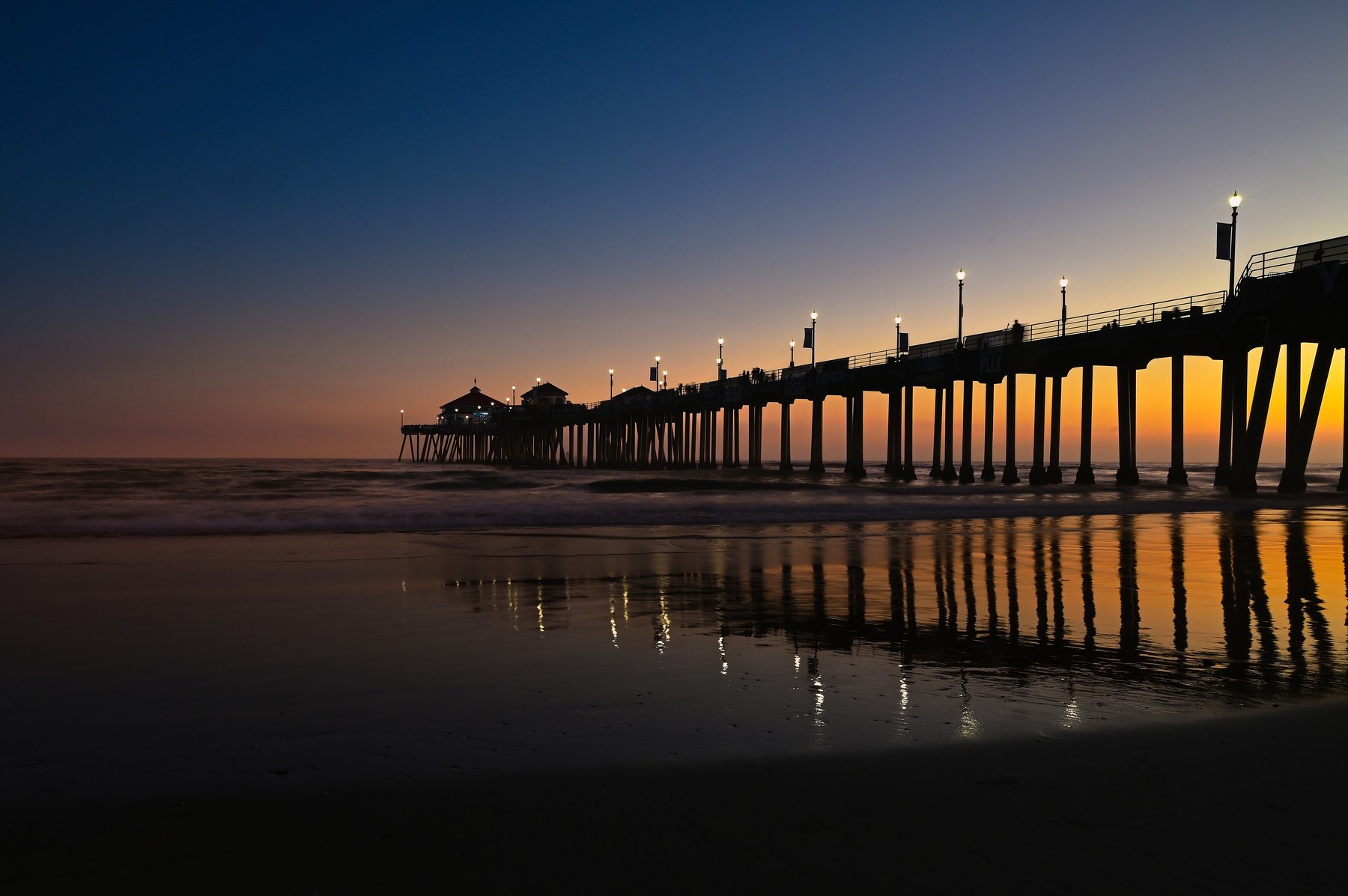 Thirsty Places: Orange County
The largest water reuse plant in the world sits in a suburb of Los Angeles and turns the sewage of two and a half million people into drinking water, by way of the ground. How Orange County got there, what the plant does, why the sea was the reason it was built, and what it learned from the city next door that failed.
21 September 2026
Thirsty Places: Orange County
The largest water reuse plant in the world sits in a suburb of Los Angeles and turns the sewage of two and a half million people into drinking water, by way of the ground. How Orange County got there, what the plant does, why the sea was the reason it was built, and what it learned from the city next door that failed.
21 September 2026
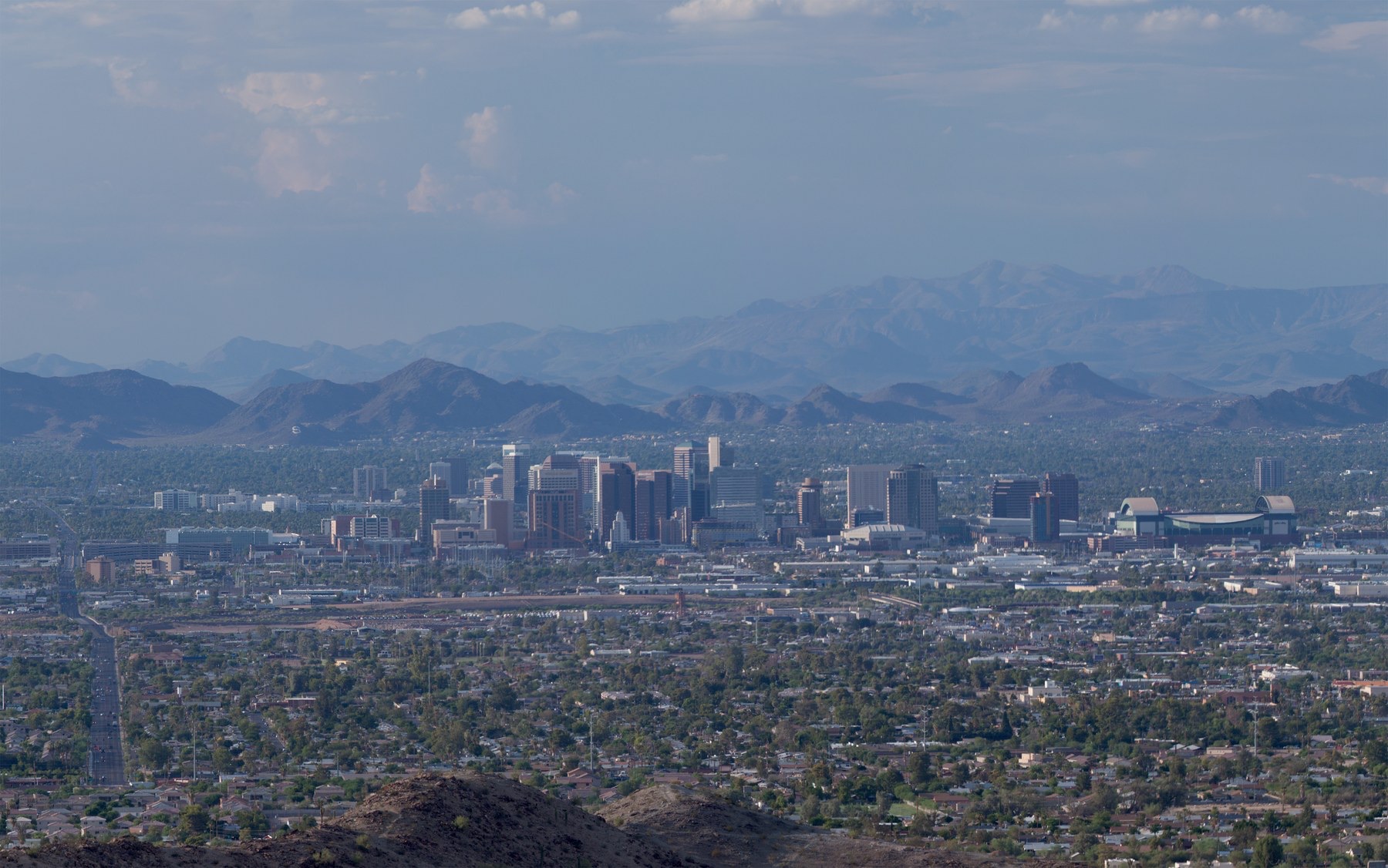 Thirsty Places: Phoenix
Five million people live in a desert valley that reaches fifty degrees in summer, on a river that stopped reaching the city a century ago, a canal from the Colorado five hundred kilometres long, and an aquifer they have been told, by law, they must not empty. In 2023 the state stopped approving new housing on groundwater in parts of the valley. What Phoenix's water is, why it is better managed than its reputation, and what the Colorado's decline means for the fastest growing city in America.
21 September 2026
Thirsty Places: Phoenix
Five million people live in a desert valley that reaches fifty degrees in summer, on a river that stopped reaching the city a century ago, a canal from the Colorado five hundred kilometres long, and an aquifer they have been told, by law, they must not empty. In 2023 the state stopped approving new housing on groundwater in parts of the valley. What Phoenix's water is, why it is better managed than its reputation, and what the Colorado's decline means for the fastest growing city in America.
21 September 2026
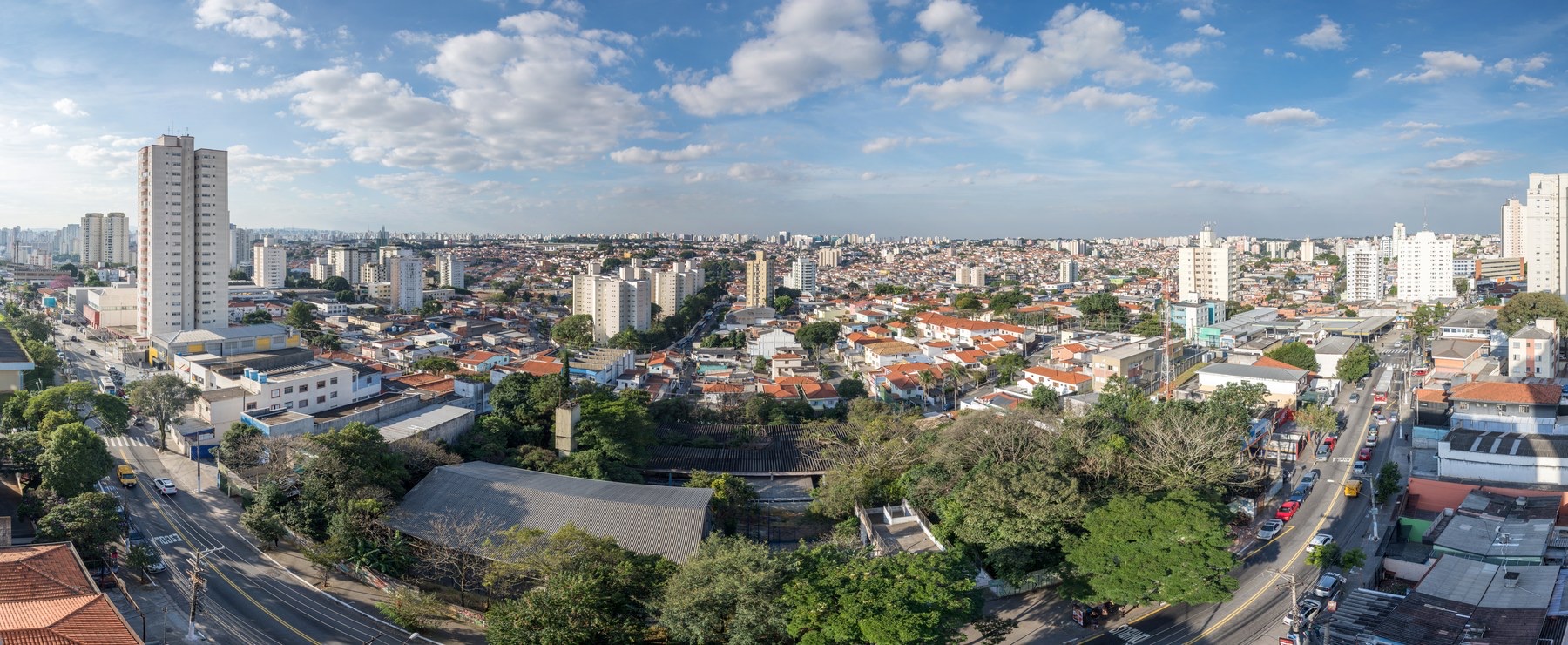 Thirsty Places: São Paulo
In 2014 the reservoirs of the largest city in the Americas fell so low that the utility pumped the dead water from beneath the intakes, and twenty million people came within weeks of rationing by rota. The rain had failed, and so had a plan. What happened to São Paulo, why a wet country's city ran dry, what the forest upstream had to do with it, and what was built afterwards.
21 September 2026
Thirsty Places: São Paulo
In 2014 the reservoirs of the largest city in the Americas fell so low that the utility pumped the dead water from beneath the intakes, and twenty million people came within weeks of rationing by rota. The rain had failed, and so had a plan. What happened to São Paulo, why a wet country's city ran dry, what the forest upstream had to do with it, and what was built afterwards.
21 September 2026
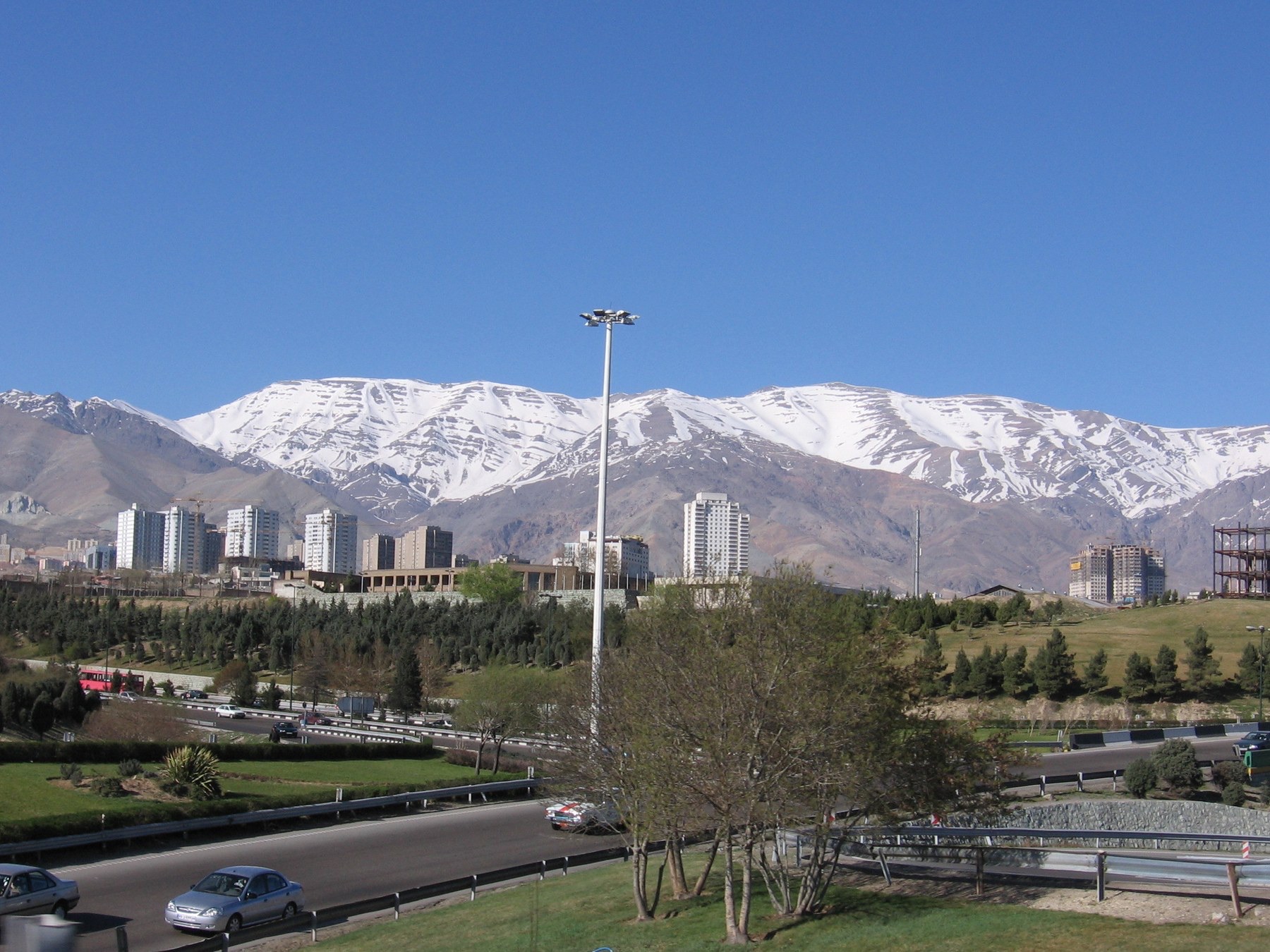 Thirsty Places: Tehran
A capital of nine million people at the foot of a mountain range, living on five dams and an aquifer, in a country that has spent its water on wheat in the desert. The dams fell to a fifth of their capacity, the ground under the southern suburbs is sinking faster than almost anywhere on Earth, and the government has spoken of rationing and of moving the capital. What Tehran's water is, why a country with the mountains ran dry, and what a decade of drought has done.
21 September 2026
Thirsty Places: Tehran
A capital of nine million people at the foot of a mountain range, living on five dams and an aquifer, in a country that has spent its water on wheat in the desert. The dams fell to a fifth of their capacity, the ground under the southern suburbs is sinking faster than almost anywhere on Earth, and the government has spoken of rationing and of moving the capital. What Tehran's water is, why a country with the mountains ran dry, and what a decade of drought has done.
21 September 2026
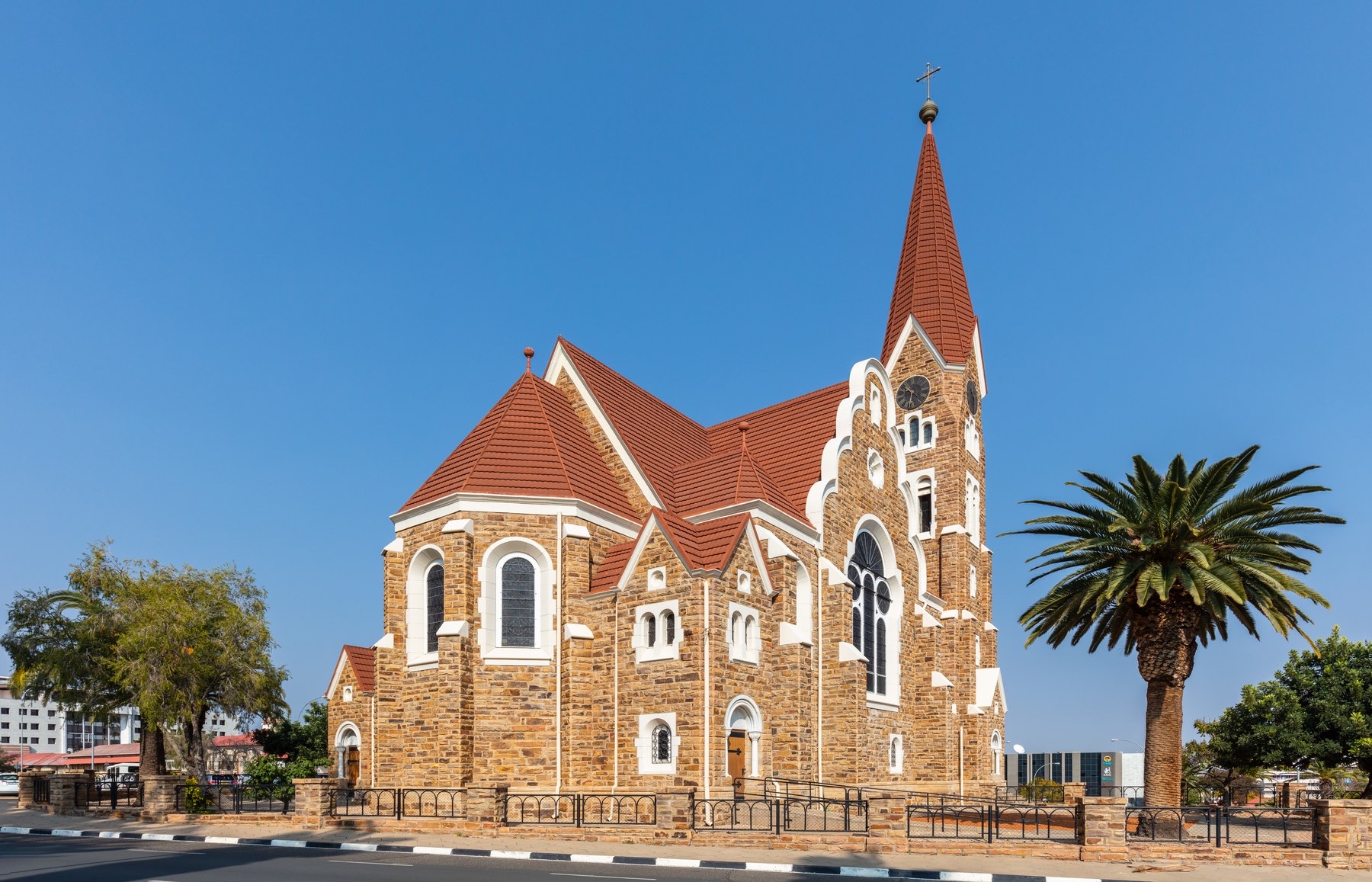 Thirsty Places: Windhoek
Long before Singapore, the capital of the driest country in sub Saharan Africa began sending its treated sewage straight back to its taps, and has done so since 1968 without a single recorded outbreak. How Windhoek did what no other city dared, what its plant looks like, and why it took the rest of the world fifty years to follow.
21 September 2026
Thirsty Places: Windhoek
Long before Singapore, the capital of the driest country in sub Saharan Africa began sending its treated sewage straight back to its taps, and has done so since 1968 without a single recorded outbreak. How Windhoek did what no other city dared, what its plant looks like, and why it took the rest of the world fifty years to follow.
21 September 2026
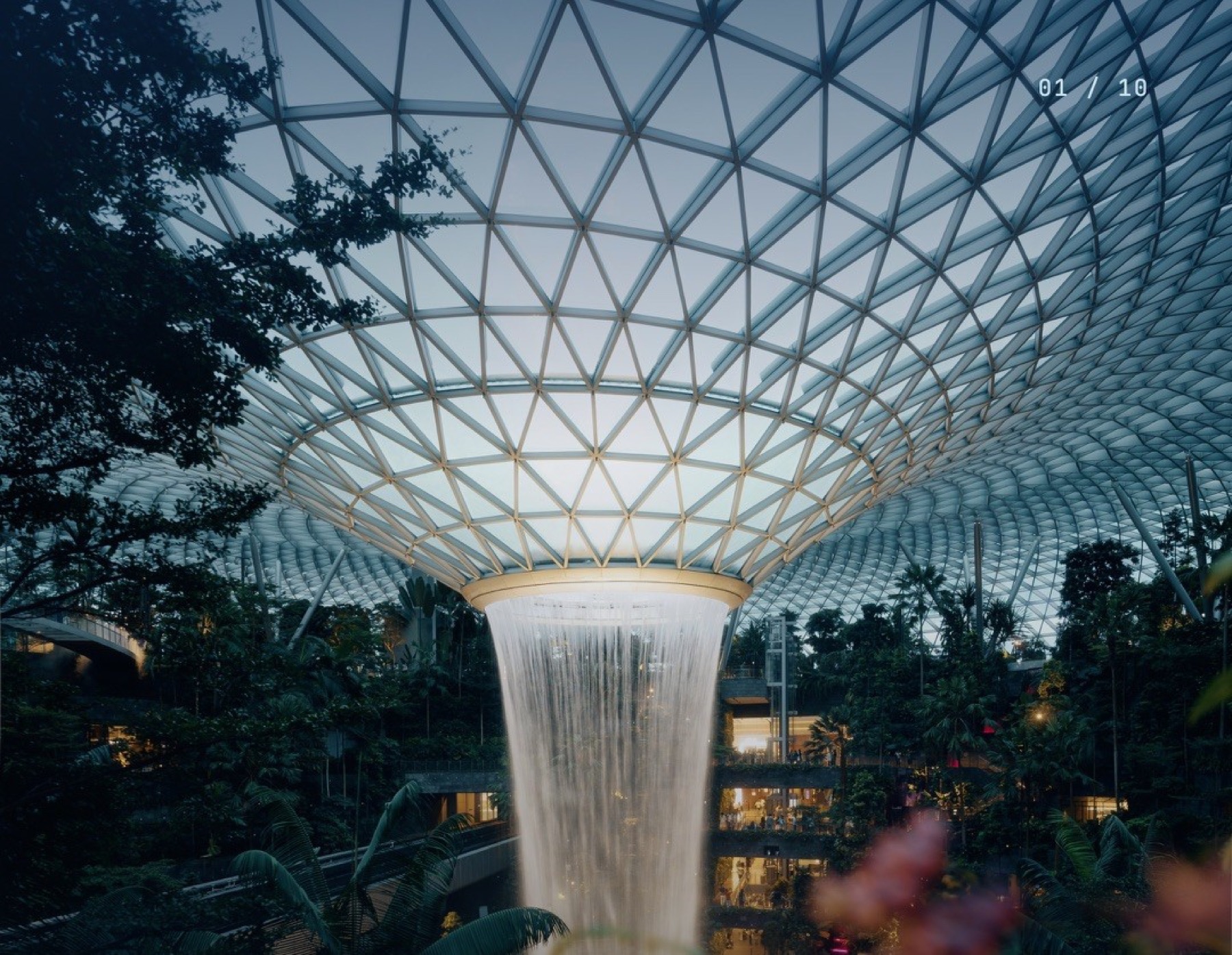 Thirsty Places: Singapore
A small island with no rivers, no aquifers and a water supply that arrived across a border decided to make its own. The equipment it chose was ordinary. Persuading a whole country to drink the result was the real engineering.
6 August 2026
Thirsty Places: Singapore
A small island with no rivers, no aquifers and a water supply that arrived across a border decided to make its own. The equipment it chose was ordinary. Persuading a whole country to drink the result was the real engineering.
6 August 2026