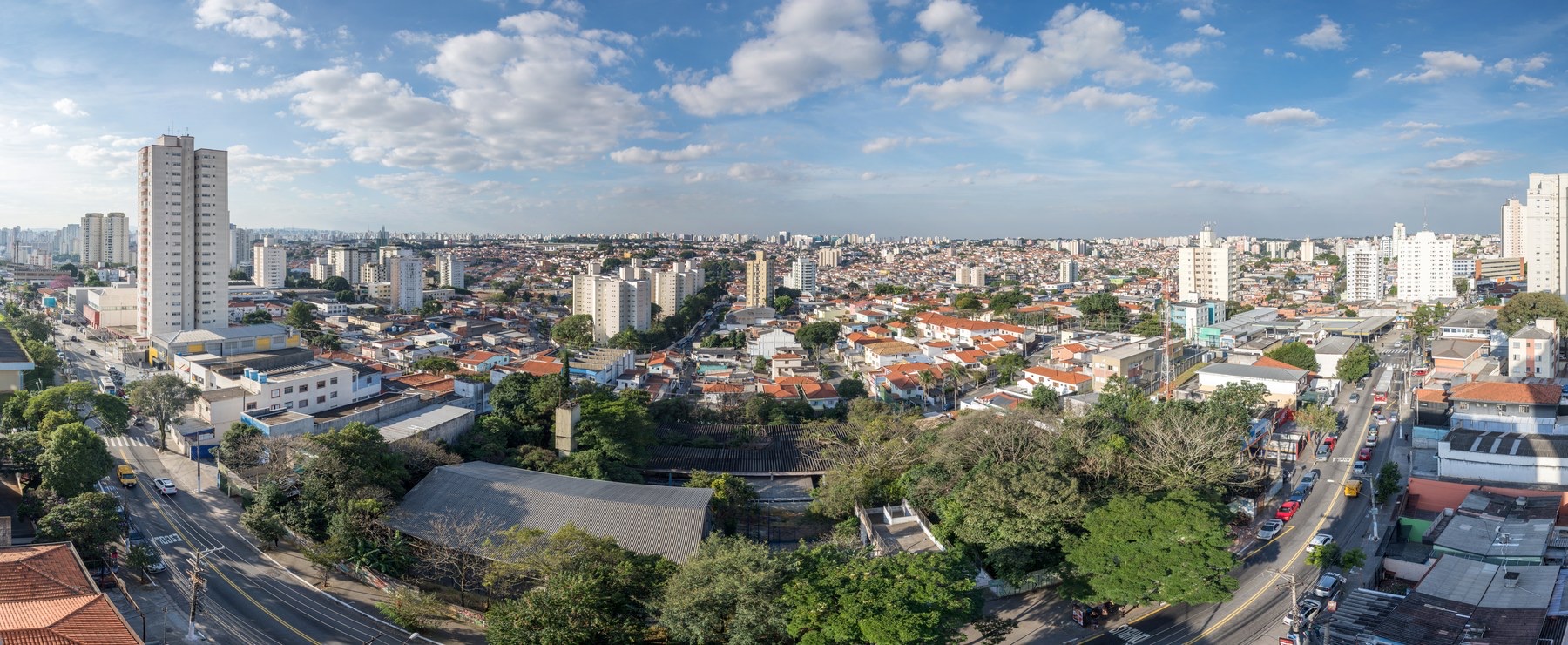
Thirsty Places: São Paulo
In 2014 the reservoirs of the largest city in the Americas fell so low that the utility pumped the dead water from beneath the intakes, and twenty million people came within weeks of rationing by rota. The rain had failed, and so had a plan. What happened to São Paulo, why a wet country's city ran dry, what the forest upstream had to do with it, and what was built afterwards.
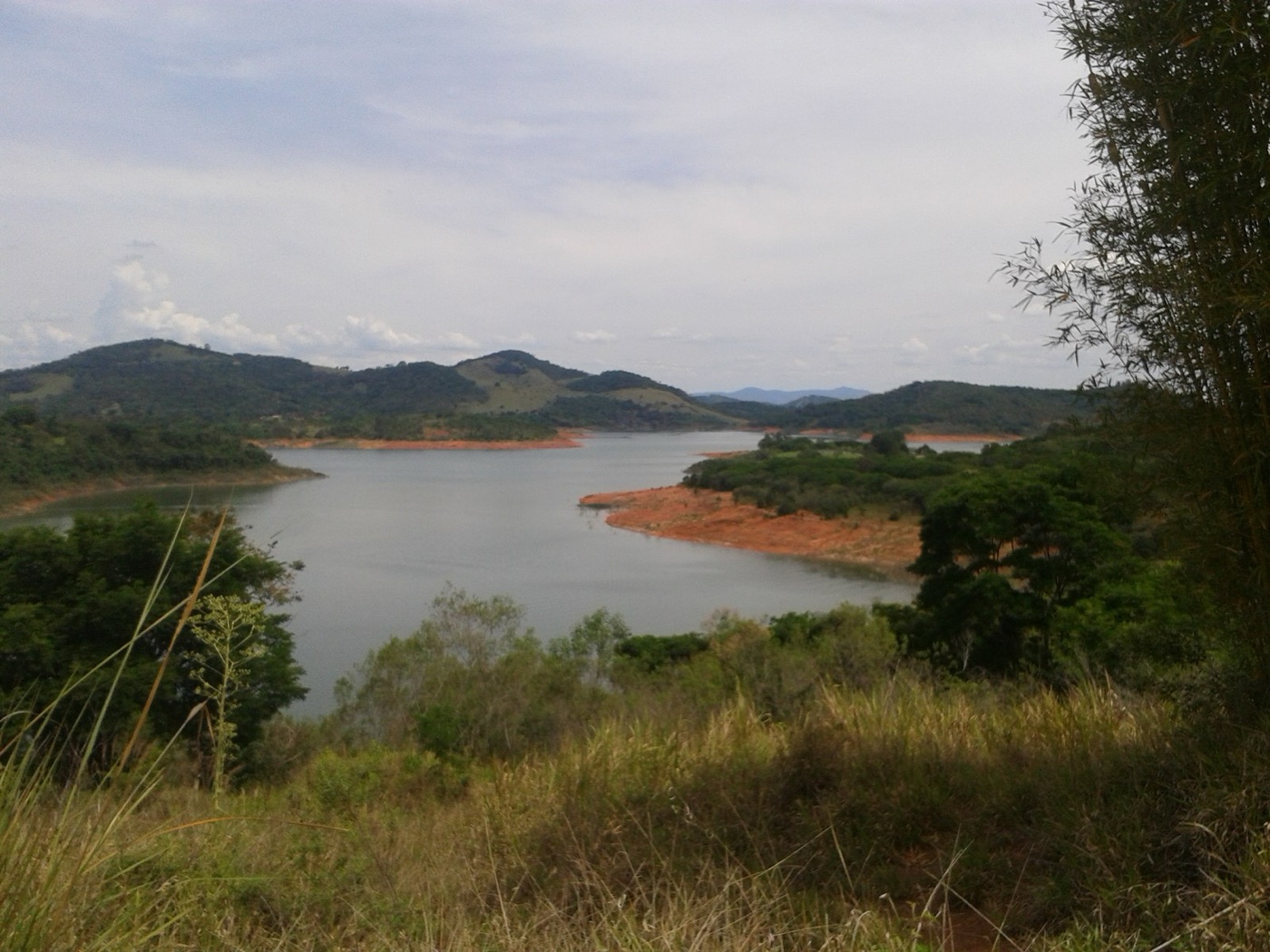
In the winter of 2014 the engineers of São Paulo's water company did something that no large utility wants to do. The Cantareira system, a chain of five reservoirs in the hills north of the city that supplied nearly half its twenty million people, had fallen below the level of the pipes that drew from it, and the company installed floating pumps to reach the water beneath. The industry has a name for that water, the dead volume, because it was never meant to be used: it is the layer at the bottom of a reservoir, below the intakes, full of silt and whatever settled there over decades. São Paulo drank it for a year and a half, and by the beginning of 2015, with the dead volume counted in, the system stood at about five percent.
Brazil holds about a fifth of the fresh water on Earth. This article is about how its largest city came within weeks of rationing by rota, and about what it built afterwards.
The city and its hills
São Paulo stands on a plateau eight hundred metres above the sea, at the head of a river that flows inland, away from the coast, and it has never had enough water of its own. The Tietê, which crosses the city, is a sewer through the metropolitan area and has been for a century. The city's drinking water comes from reservoirs in the hills around it, and the largest of those is the Cantareira, built in stages from the 1970s, which gathers the rain of a range of hills to the north and delivers it, through tunnels, to the northern and central districts. Other systems, the Guarapiranga and Billings to the south and the Alto Tietê to the east, serve the rest.
The Cantareira was built for a city of half its present size, and by 2013 it was running close to its capacity in a normal year, with little kept back. The utility's own plans had, for a decade, called for new sources and for reducing the quarter of the city's water that leaked from its pipes, and both had been slower than the city's growth.
| São Paulo's water | |
|---|---|
| Metropolitan population | About 20 million |
| Cantareira share of supply, before the crisis | Nearly half |
| Cantareira level, January 2014 | Around a quarter of capacity |
| Cantareira level, early 2015, dead volume included | About 5 percent |
| Network losses | Around a quarter to a third |
| Rainfall, summer 2013 to 2014 | The lowest recorded in the region |
The rain that did not come
The rains in south eastern Brazil fall in summer, from November to March, and they fill the reservoirs for the dry winter. In the summer of 2013 to 2014 they did not come. A ridge of high pressure sat over the region for weeks at a time and pushed the storms elsewhere, and the Cantareira catchment received less rain than in any summer since records began in 1930. The following summer was little better. Two failed wet seasons in a row, on a system with no margin, and the reservoirs fell through the year like a tank with the tap open.
The drought had a wider shape. It reached across Minas Gerais and Rio de Janeiro, cut the hydroelectric reservoirs that supply most of Brazil's power to their lowest in decades, and raised, in the scientific literature afterwards, a question about the forest. The Amazon, two thousand kilometres to the north, sends moisture south in the air, on what Brazilian scientists have called flying rivers, and a share of the rain that falls on São Paulo's hills in summer was evaporated from the rainforest weeks before. The Amazon had been losing forest for forty years. Whether that changed the rain over São Paulo in 2014 remains argued. That it will, if the clearing continues, is less argued.
The crisis
What the city did through 2014 is a lesson in what not to do, and the utility, to its credit, has since said so.
The company cut the pressure in its mains at night, which reduced the leaks and also emptied the pipes in the hilly districts, so that whole neighbourhoods on high ground had no water from evening to morning. It called this pressure management. Residents called it rationing, and by the end of the year some districts on the edge of the city were going without water for days. The company offered a discount on the bill to households that cut their use by a fifth, and most did, which reduced demand by a fifth and was the single most effective measure taken. It drilled wells, laid emergency pipes from the other reservoir systems to the Cantareira's districts, and pumped the dead volume, twice, as the level fell past the first pumps and a second set was lowered further.
What it did not do, for most of the year, was admit what was happening. The state was in an election year, the governor said there would be no rationing, and the plan for rotating supply by district, which the utility had drawn up and which would have cut the city to two days on and five off, was denied until the newspapers published it. The rains of early 2015, which arrived late but heavily, made the plan unnecessary by a few weeks. The reservoirs recovered through 2015 and 2016, the dead volume was left behind, and the city returned to its normal, which is a supply that runs close to its limit in a good year.
| The 2014 to 2015 crisis | |
|---|---|
| Rain | Two failed summers, the driest on record |
| Dead volume | Pumped from mid 2014, in two stages, for about eighteen months |
| Demand cut | About a fifth, through a bill discount |
| Supply cuts | Night time pressure reduction; days without water in high districts |
| Rotation plan | Drawn up, denied, never used; the rain came first |
| Power | Hydroelectric reservoirs at record lows; thermal plants ran instead |
The neighbourhoods
The averages hide who went without. A city on hills that cuts its pressure at night cuts off the top of every hill first, and the top of the hill in São Paulo is where the poorer districts stand, on the periphery, at the end of long mains. Through the second half of 2014 residents of the eastern and northern edges of the city reported taps that ran for a few hours a day or not for days, while the central districts, on the lower ground and the newer mains, noticed little beyond the campaign to save. Households that could afford them installed larger roof tanks and pumps to fill them in the hours the water came, which drew the mains down further for the neighbours who could not. Hospitals and schools brought in tankers. It is the pattern the Mexico City article describes in its steady state, arriving in São Paulo as a crisis, and it is the reason the utility's insistence that there was no rationing angered the city as much as the shortage did.
The hills
The most interesting part of São Paulo's story is upstream. The Cantareira's catchment was, two centuries ago, Atlantic forest, one of the richest on Earth. By 2014 most of it was pasture, cleared for cattle, with the forest surviving in strips along the streams and on the steepest slopes. A forested hillside takes in a summer storm, holds it in the soil and the roots, and releases it to the streams over weeks. A grazed one sheds it in hours, into a muddy flood that carries the topsoil into the reservoir, and then gives nothing until the next storm. The reservoirs of a cleared catchment fill faster in a wet year and empty faster in a dry one, and they silt.
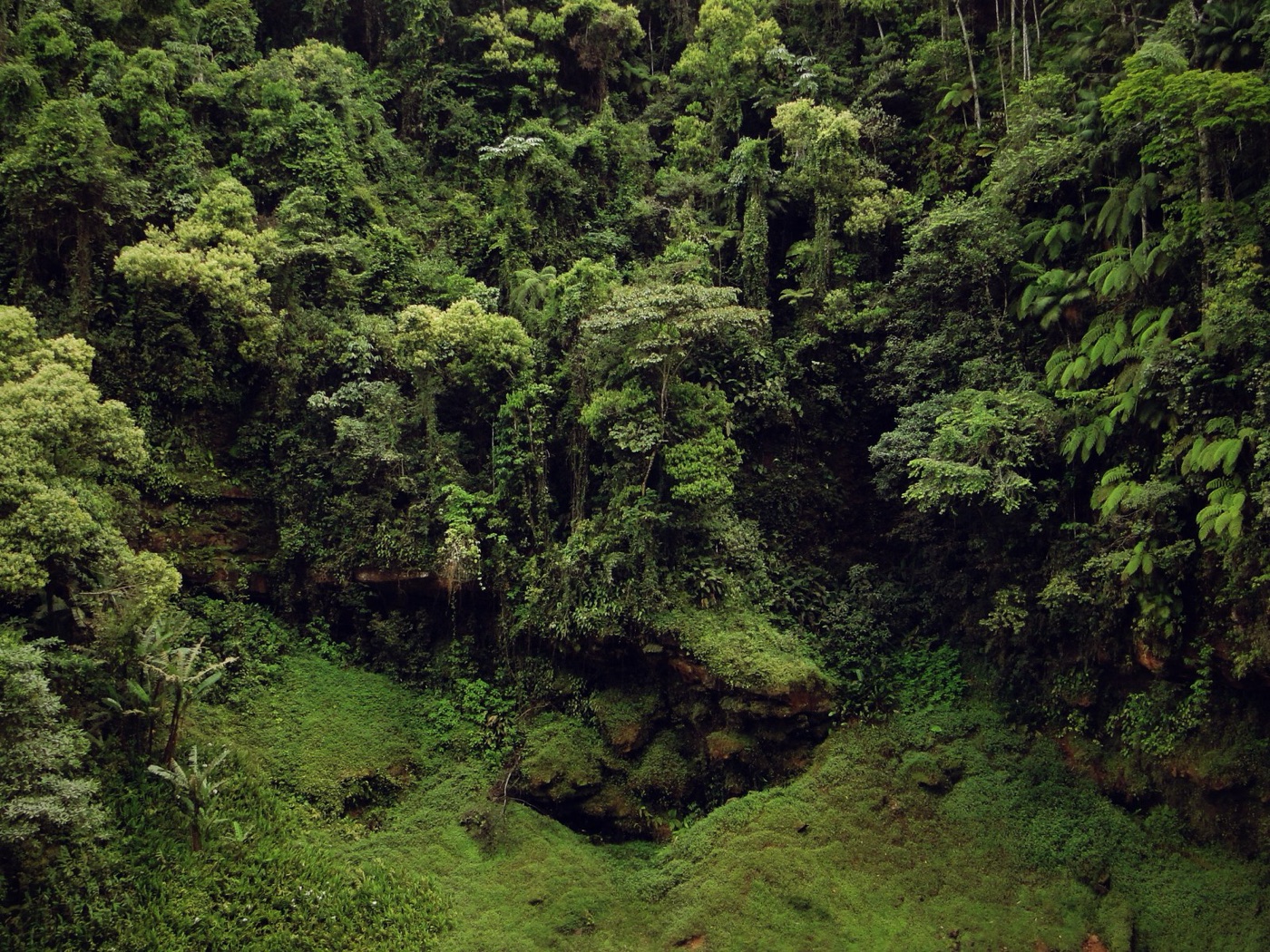
The answer, which the city has begun to pay for, is to plant the hills back. A programme run by the state and a conservation group pays farmers in the Cantareira catchment to fence their streams, replant the banks and the slopes, and manage their pasture, in exchange for a payment per hectare from the water utility, whose customers are, in the end, buying a slower hillside. Similar schemes exist for New York's Catskill watershed and Quito's páramo, and they rest on the same arithmetic: a forest that holds the rain is a reservoir that costs less than a dam.
What was built
The crisis produced the works the city had put off. A new system, the São Lourenço, draws from a reservoir to the west and was finished in 2018. A link from the Jaguari reservoir on the Paraíba river, which supplies Rio de Janeiro's region, to the Cantareira's Atibainha reservoir was finished the same year, after an argument between the two states about whose water it was. The leak programme, which had been a line in the plan, became a funded works order, and the network's losses have fallen by several points since. And the discount that cut demand by a fifth taught the utility that its customers would save water when asked, which it has since asked more often.
The next drought will find a city with more reservoirs, more links between them, fewer leaks and a plan that has been published. It will also find a city of more people, on hills that are still mostly pasture, in a climate that the drought of 2014 suggested is changing. The margin is larger than it was. It is a margin, still.
What it teaches
São Paulo is the clearest case on this site of a wet country's city running dry, and its lesson is about the difference between a country's water and a city's. Brazil's fifth of the world's fresh water is in the Amazon, two thousand kilometres from the tap. The city's water is in five reservoirs in a set of grazed hills, and it was managed, until 2014, as if the rain could be counted on. The rain cannot. What can be counted on is storage, in reservoirs and in forests, links between the systems, pipes that hold what they carry, and a public that is told the truth in time to help. São Paulo had, in 2014, only the last, and the rain came first.
Five percent, pumped from the dead volume, in a country with a fifth of the world's water.
Sources
- SABESP (Companhia de Saneamento Básico do Estado de São Paulo), Cantareira system daily levels 2014 to 2016, and reports on the use of the reserva técnica, the dead volume.
- Agência Nacional de Águas and the São Paulo state water agency, drought declarations and Cantareira abstraction limits, 2014 to 2015.
- Nobre, C.A. et al. (2016). Some characteristics and impacts of the drought and water crisis in southeastern Brazil during 2014 and 2015. Journal of Water Resource and Protection 8.
- The Nature Conservancy and the São Paulo Water Producer programme, payments for forest restoration in the Cantareira watershed.
- Reporting by Folha de S.Paulo and Reuters on neighbourhood supply cuts and the São Lourenço and Jaguari to Atibainha works.
- Photographs: opener: Panorama of Sao Paulo from Avenida Santa Catarina by Wilfredor (CC BY-SA) via Wikimedia Commons; inline: Represa de Nazaré by SANI_WOLFF (CC BY-SA) via Wikimedia Commons; inline: Mata atlântica (6919398719) by Vinicius Depizzol from San Francisco, Ca (CC BY-SA) via Wikimedia Commons.