Thirsty Places: Santiago
A city of seven million at the foot of the Andes that has been in drought since 2010, in a country where water is private property, bought and sold apart from the land, and where a lake the size of a town dried up while the rights to its water were still being traded. Where Santiago's water comes from, what thirteen years without a normal winter have done to the snow that feeds it, how Chile's water code works and why it is being rewritten, what happened to Aculeo, and what a city announces when it draws up a plan to ration.
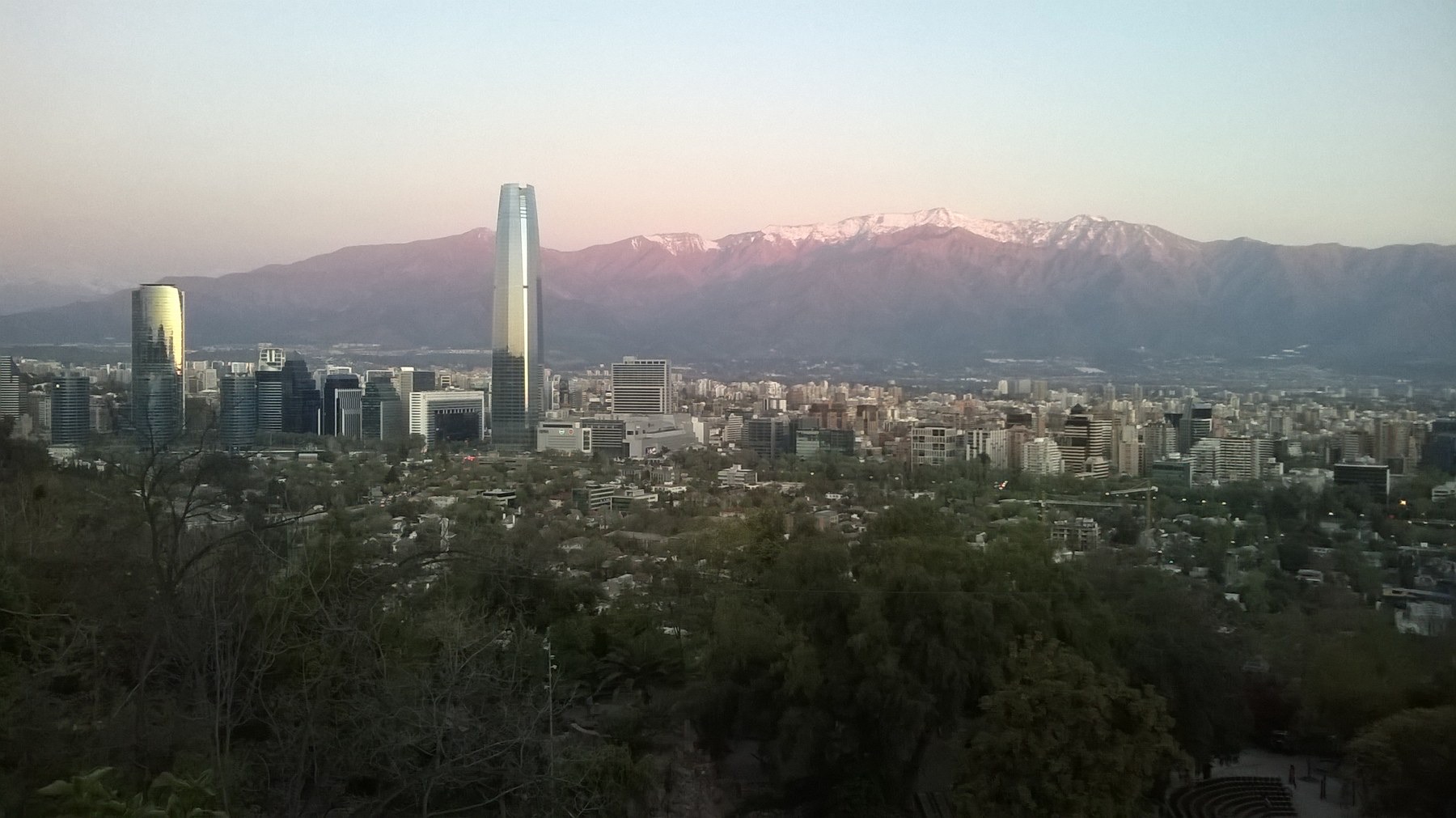
Santiago sits in a bowl at the foot of the Andes, seven million people between the mountains and the coast range, and its water comes down from the snow. The Maipo river, which drains the high Andes to the south east of the city, supplies about eighty percent of what the city drinks, from a reservoir at El Yeso and from the river itself, and the Maipo runs on the melt of the winter snowpack through the long dry summer. Since 2010 central Chile has had a run of dry winters longer than anything in its record, the snowpack has shrunk to a fraction of its former depth, and the river that the city was built beside has carried, in the worst years, less than half of what it did.
This article is about what thirteen years of drought have done to the city's water, how Chile came to treat water as private property and what that has meant when there is less of it, what happened to a lake that dried up with its water rights intact, and what it means when a city of seven million writes a plan to ration.
The snow
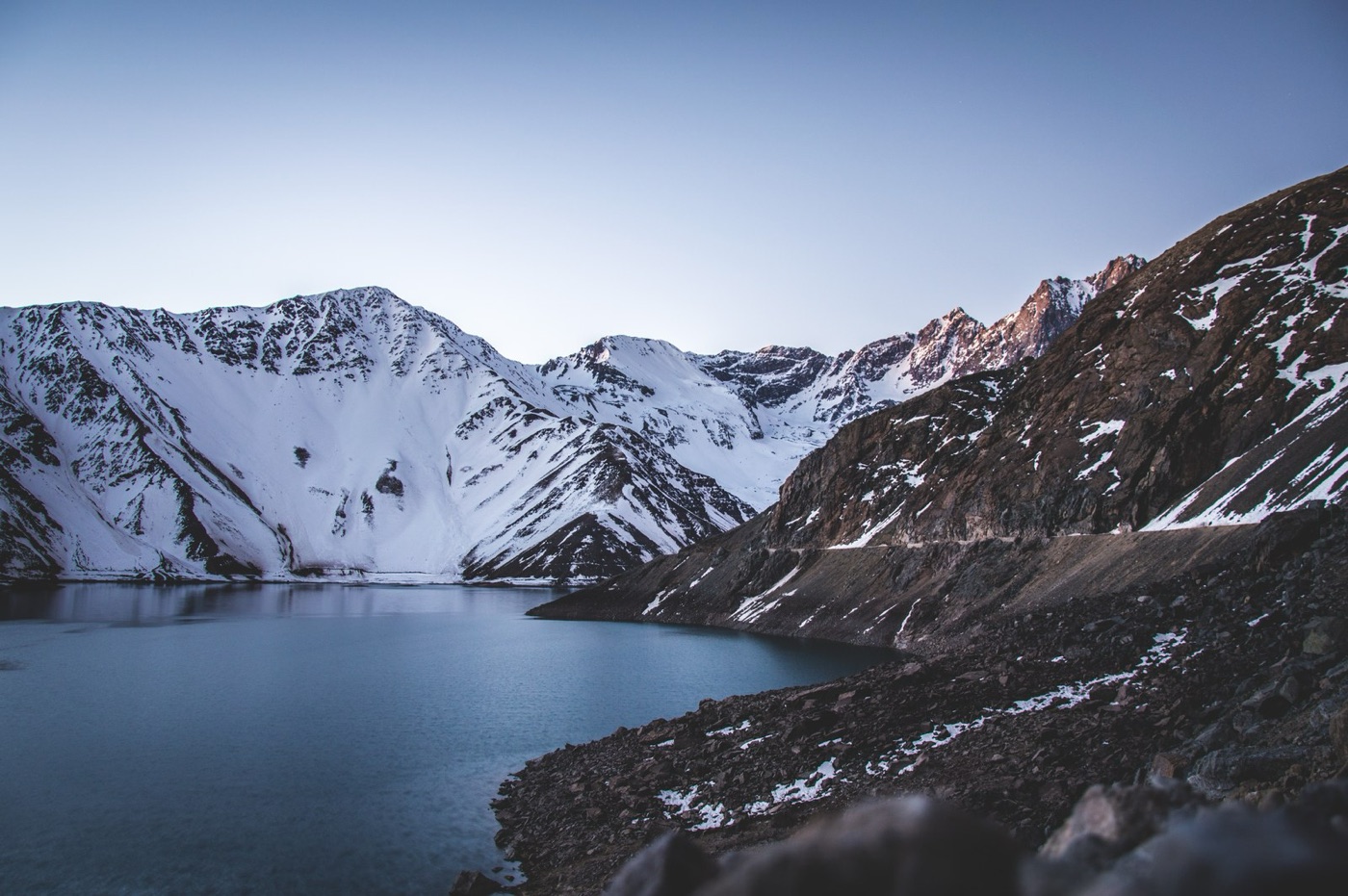
Santiago's rain falls in winter, from May to August, on a Mediterranean pattern like California's, and most of it falls as snow in the Andes above the city, where it lies until spring and melts through the summer into the rivers. The Maipo and the Mapocho, which runs through the city itself, are snowmelt rivers, and the city's summer, when its gardens and its fruit farms need water most, is when the snow supplies it. The water company draws from the Maipo above the city, holds a reserve at El Yeso, a reservoir at 2,500 metres in the mountains, and pumps the rest from wells in the valley floor, which are fed, in the end, by the same rivers.
The drought that began in 2010 has cut the winter rain by a third on average and, in the worst years, by more than half, and the snow by more, because the winters have been warmer as well as drier and the snow line has risen. The river's summer flow has fallen with it, El Yeso has been drawn down to the levels the company keeps as a last reserve, and the wells in the valley have deepened.
| Santiago's water | |
|---|---|
| People | About 7 million |
| Source | The Maipo river, about 80 percent; the Mapocho and wells the rest |
| Reserve | El Yeso reservoir, in the Andes at 2,500 metres |
| Rain since 2010 | About a third below the 20th century average |
| Snowpack | Well below normal in most years; the snow line higher |
| 2022 | The city's first rationing plan announced, in four stages |
Water as property
Chile's water law is the most market based in the world, and it was written in 1981, under the military government, by economists who held that water, like land, would be best used if it were owned. The code separated rights to water from rights to land, granted them in perpetuity and free of charge to whoever applied, and made them tradable, so that a farmer could sell his river allocation to a mine, a mine to a utility, and a utility to a fruit exporter, at whatever price they agreed. The state's water agency registered the rights and allocated new ones until the rivers were fully allocated, and in several basins, the Maipo among them, beyond that, on the flows of wet decades.
The theory was that the market would move water to its most valuable use. In practice it moved it to the users who could pay, which in central Chile has meant the avocado and fruit exporters, the mines and the city, and away from the small farmers and rural villages who sold or were never granted rights; and it left no mechanism for reducing everyone's draw when the river fell, because a right is a right, and the last user on the river is the one who finds it empty. The reform of 2022, passed after a decade of argument and the protests of 2019, made new rights temporary, put drinking water first in a shortage, and gave the state the power to cut allocations in a declared scarcity. The rights already granted, which are most of the water, were left as they were.
| Chile's water code | |
|---|---|
| 1981 | Rights separated from land, perpetual, free, tradable |
| Allocation | By application, until the rivers were fully and then over allocated |
| Who holds them | Farms and fruit exporters, mines, utilities; the largest holders in a few hands |
| In a drought | No mechanism to cut everyone; the last user finds the river dry |
| 2022 reform | New rights temporary; drinking water first; state may cut in a declared scarcity |
Aculeo
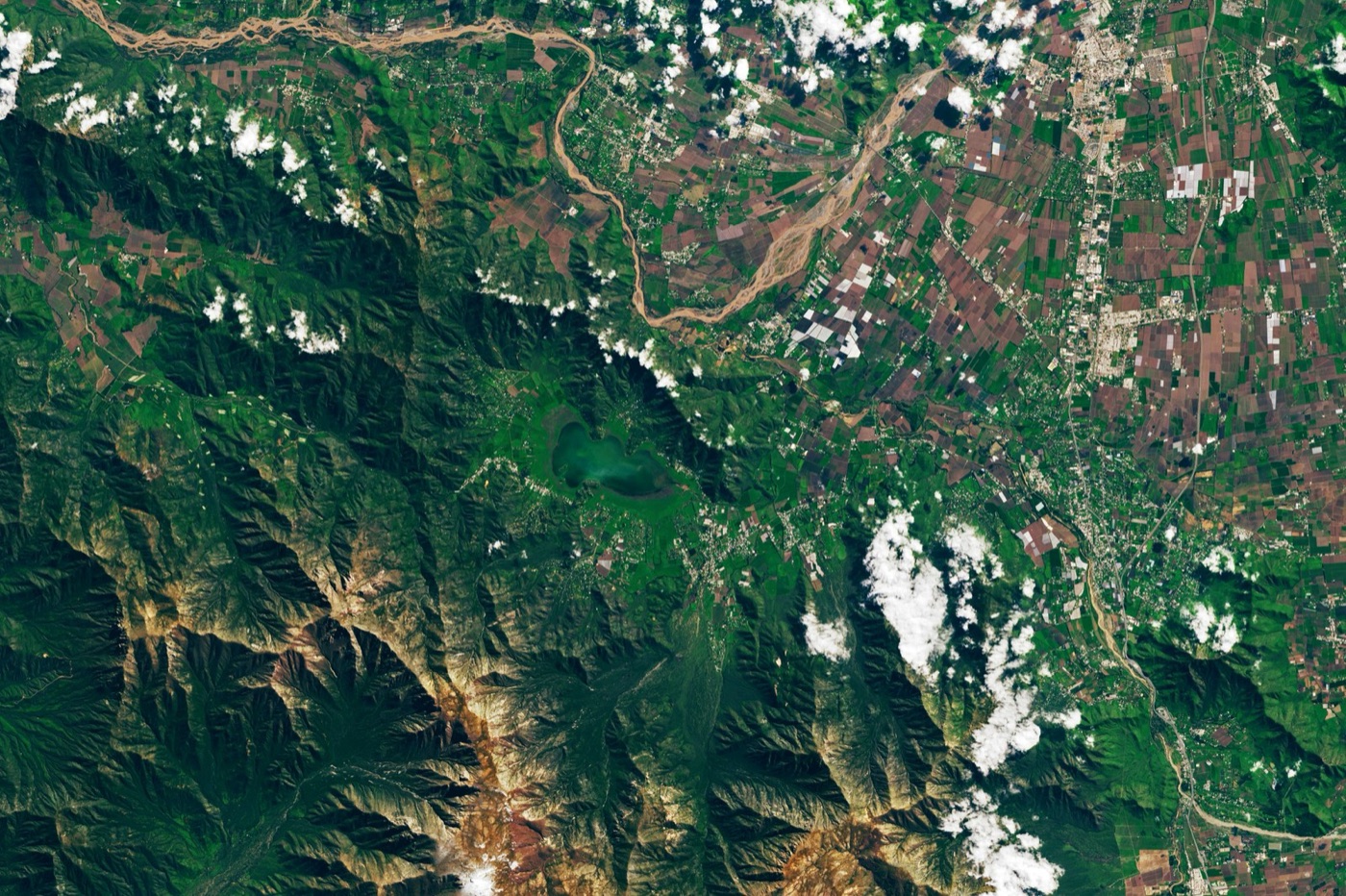
Laguna de Aculeo was a lake of twelve square kilometres in the coast range an hour south of the city, ringed by weekend houses, with boats on it and a fishery in it, and between 2010 and 2018 it dried completely. The drought took the rain that filled it; the streams that fed it were drawn down by the farms and the houses upstream, each exercising rights granted when the streams ran full; and the lake, which had no right of its own, went last. In the summer of 2018 the lakebed was dry mud with the boats sitting on it, and it has held water only briefly since. The lake is the image of the drought in Chile, and it is also the image of the code: every user upstream of it was within their rights.
The same arithmetic has run in Petorca, the valley north of the city where the avocado article on this site describes the orchards taking the river and the villages drinking from tankers, and in the Aconcagua, where the mines, the fruit farms and the towns hold, between them, rights to more water than the river has carried in any year since 2010.
The plan to ration
In April 2022, after the driest winter in the record, the governor of the Santiago region announced a rationing plan, the first in the city's history: four stages, from a public campaign to cuts in pressure to rotational cuts by district of up to twenty four hours, to be triggered by the Maipo's flow. The plan was published, the winter of 2022 was better than the ones before it, the river recovered enough to keep the plan at its first stage, and the plan stayed on the shelf, which is where a rationing plan should be. The company has since spent on the things the plan assumed: more storage in the valley, deeper wells, a reduction of leakage that runs at a third of the supply, and, in the long run, a study of desalination on the coast a hundred kilometres away, which is where Antofagasta and the mining cities of the north already drink from.
The city's use, per person, has fallen by a fifth through the drought, with campaigns and prices, and it is still among the highest in Latin America, because Santiago's wealthier districts have gardens and pools in a climate that has decided it is a desert.
The avocado and the mine
Two users of the Maipo's water are worth naming because they hold the rights. The fruit exporters, whose avocados and grapes go to Europe and China from orchards in the valleys around the city, hold rights bought over three decades from the small farms that could not compete, and they use them through the summer when the river is lowest; the avocado article on this site describes the same arithmetic in the Petorca valley to the north, where the river ran dry and the villages went onto tankers while the orchards stayed green. The mines, above the city in the Andes, hold rights to the headwaters, and the copper article on this site describes what a mine does with water and why the largest in Chile have moved to desalinated water piped up from the coast at a cost that only copper can pay. The city's water company holds the third block of rights and buys more when it can, and in a drought, the rights it holds are worth what the river carries, which is the point.
The coast
The answer that the mining cities of the north found twenty years ago is being studied for the capital. Antofagasta, in the Atacama, drinks desalinated water and has since 2003; the mines around it have built plants that pump seawater a hundred kilometres inland and three thousand metres up. Santiago is a hundred kilometres from the sea over a coast range, and a plant on the coast at Valparaíso with a pipe to the city would cost several billion dollars and the electricity of a small city, which is the price the desalination article on this site puts on the last resort. The company's plan puts it in the 2030s, after the wells, the leaks and the storage, and after the winters have shown whether the drought is a run of dry years or the climate.
What it teaches
Santiago is the city on this site where the water was allocated by a market and the river was allocated by the weather, and the two have not agreed for thirteen years. The snow that fed the city is shrinking, the rights to the rivers add up to more than the rivers carry, and the lake that had no rights dried up first. The reform of 2022 put drinking water at the head of the queue and left the queue as it was, and the city's first rationing plan waits on the next dry winter, which the climate models say is the ordinary kind now.
Thirteen years of drought, a river owned on paper by more people than it can supply, and a lake that dried while every right on it was exercised.
Sources
- Garreaud, R.D. et al. (2020). The Central Chile Mega Drought (2010 to 2018): a climate dynamics perspective. International Journal of Climatology 40. Precipitation deficits of 20 to 40 percent; snowpack decline.
- Aguas Andinas, annual reports: the Maipo river about 80 percent of Santiago's supply; El Yeso reservoir; the Mapocho and wells the rest.
- Dirección General de Aguas (DGA), Chile: water rights registry; over allocation of the Maipo and Aconcagua basins; the 2022 reform of the Water Code (Ley 21.435).
- Muñoz, A.A. et al. (2020). Water crisis in Petorca basin, Chile: the combined effects of a mega drought and water management. Water 12.
- Valdés Pineda, R. et al. (2021). Drying of Laguna de Aculeo. Regional Environmental Change; Gobierno de Santiago, Plan de racionamiento, April 2022.
- Photographs: opener: Sanhattan desde el Cerro San Cristóbal, Santiago de Chile by AlexVanHeusen (CC BY-SA) via Wikimedia Commons; inline: El Yeso Dam, Chile (Unsplash) by Pablo Acevedo (CC0) via Wikimedia Commons; inline: Aculeo oli2 2023250 lrg by NASA Earth Observatory (Public domain) via Wikimedia Commons.