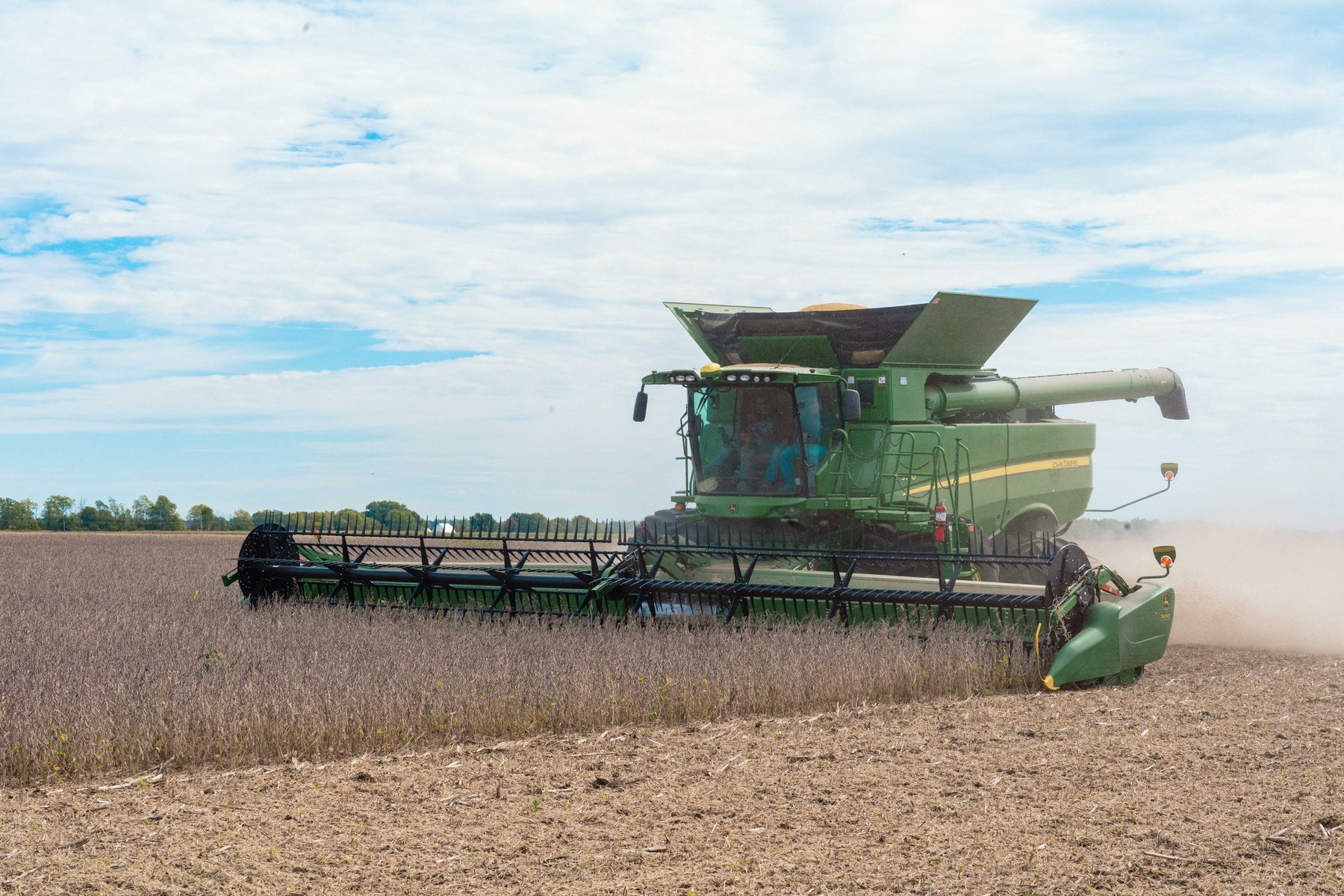
Thirsty: Soy
A kilogram of soybeans carries about two thousand litres of water, nearly all of it rain on the plains of Brazil, the United States and Argentina, and only a small share of the crop is eaten as tofu, soy milk or sauce. Where a soybean's water goes, why three quarters of the crop is fed to animals, what tofu and soy milk carry compared with the meat and milk they replace, what the Cerrado has to do with it, and why the crop that is blamed for the Amazon is mostly in a chicken.
A kilogram of soybeans carries about two thousand litres of water, which puts it with wheat and above rice, and most of that kilogram is never eaten as soy. The bean is crushed for its oil, which goes into cooking oil and margarine, and the protein rich meal that remains, which is most of the bean by weight, goes into the feed of pigs, chickens and farmed fish, so that the soy in the world's diet arrives, for the most part, as meat. Tofu, soy milk, tempeh and sauce, the foods that the word calls to mind, take about seven percent of the crop.
This article is about where a soybean's water goes, why the crop is the least irrigated of the great crops and the most argued over, what the foods made directly from it carry against the foods they replace, and what the spread of the crop across the savanna of Brazil has to do with the water it carries.
The crop
Soy is a legume, a plant that fixes its own nitrogen from the air with bacteria in its roots, which is why it needs little fertiliser and why it is grown in rotation with maize on the same fields. It is a summer crop, sown in spring and harvested in autumn, and it grows on rain: the corn belt of the American midwest, the plateau of central Brazil and the pampas of Argentina, which between them grow four fifths of the world's crop, all have wet summers, and irrigated soy is rare outside a few dry districts. The global footprint of about 2,100 litres a kilogram is ninety five percent green, with a small blue share from those districts and a small grey share from the fertiliser and the herbicide that a crop bred to tolerate herbicide receives.
A hectare yields about three tonnes, and the bean is about twenty percent oil and forty percent protein, which is the highest protein content of any major crop and the reason the world grows so much of it. The world's crop has quadrupled since 1990, faster than any other major crop, and almost all of the growth has been in South America and almost all of it for feed.
| Soy and the foods made from it | Litres per kilogram or litre |
|---|---|
| Soybeans | About 2,100 |
| Tofu | About 2,500 |
| Soy milk, per litre | About 300 |
| Chicken, for comparison | About 4,300 |
| Pork | About 6,000 |
| Beef | About 15,000 |
| Cow's milk, per litre | About 1,000 |
Where the soy goes
About three quarters of the world's crop is crushed, and the crushing gives about a fifth oil and four fifths meal. The oil is the second vegetable oil in the world after palm, and it goes into cooking oil, margarine, processed food and, increasingly, biodiesel. The meal is the world's largest source of feed protein, and it goes into the rations of chickens above all, then pigs, then dairy cattle and farmed fish, so that the chicken and pork articles on this site, which count the water in the feed, are counting soy. About seven percent of the crop is eaten directly by people, mostly in East Asia as tofu, soy milk, natto, tempeh and sauce, and a few percent goes to whole beans and edamame.
The consequence for the water arithmetic is that the water in a kilogram of soy is mostly in a kilogram of chicken, at a conversion of about two kilograms of feed per kilogram of bird, and the way to reduce the world's soy footprint is to eat less meat rather than less tofu.
| Where the world's soy goes | Share |
|---|---|
| Animal feed, as meal | About 77 percent |
| Oil, for food and fuel | About 13 percent by weight of the bean |
| Direct human food: tofu, milk, sauce, tempeh | About 7 percent |
| Whole beans, edamame, other | The rest |
Tofu and soy milk
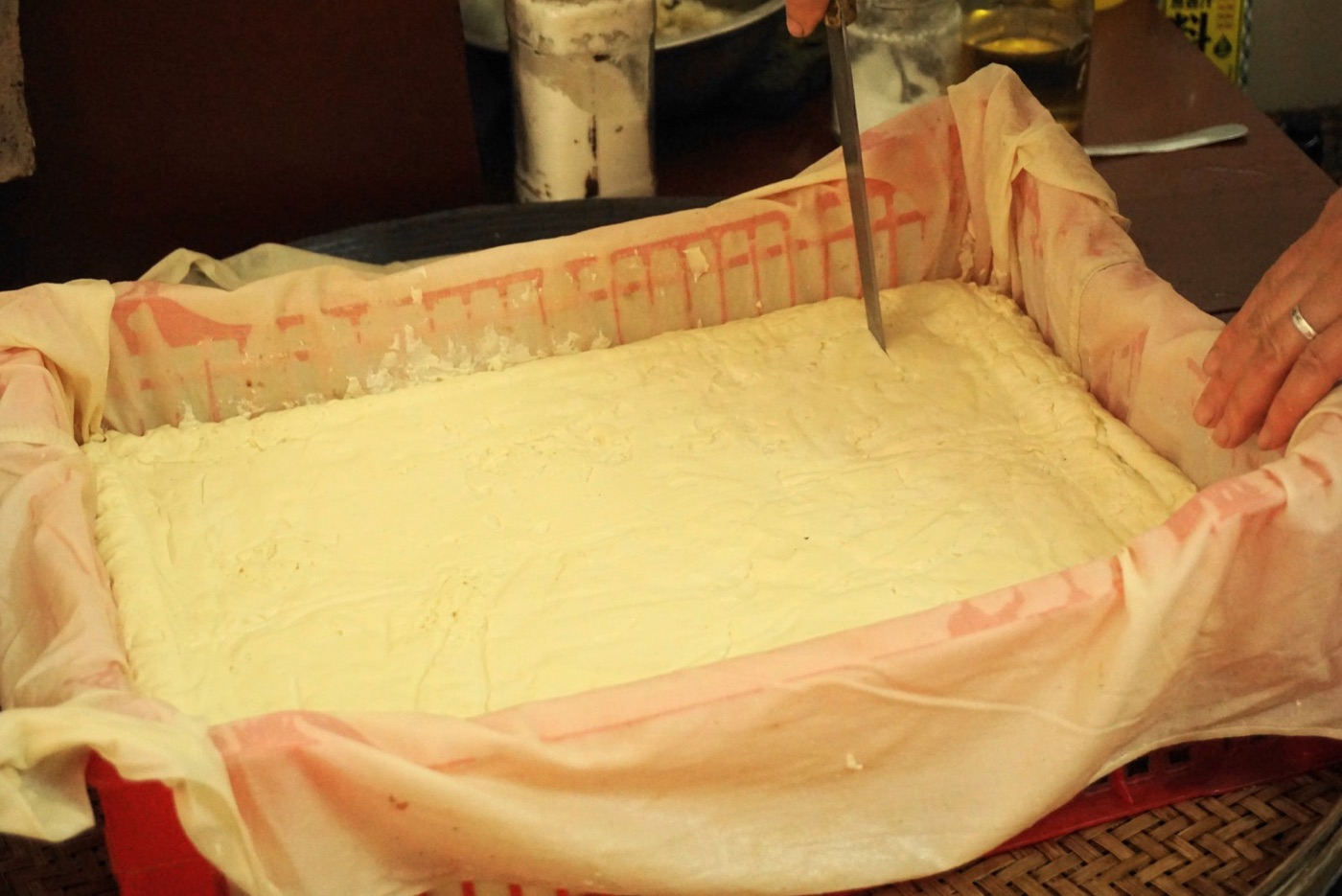
The foods made directly from soy carry the bean's water and a little more. Tofu is soy milk curdled with a salt and pressed, and it takes about half a kilogram of beans to make a kilogram, plus the water of the processing, so that it carries about 2,500 litres; soy milk is beans ground with water and strained, at a tenth of a kilogram of beans per litre, and carries about 300. Against the foods they replace the comparison is one sided: tofu against chicken by a factor of nearly two, against beef by six, and soy milk against cow's milk by three, on water, and by larger factors on land and on carbon. The processing plant that makes them is a small food factory with a mild effluent, the whey of the tofu press, which is high in sugar and goes to a digester or to pigs.
The soy in a European or American carton of soy milk is, by the brands' own accounts, almost always grown in Europe or North America rather than Brazil, because the buyers of tofu and soy milk are the buyers who ask. The soy in the chicken is not asked about.
The Cerrado
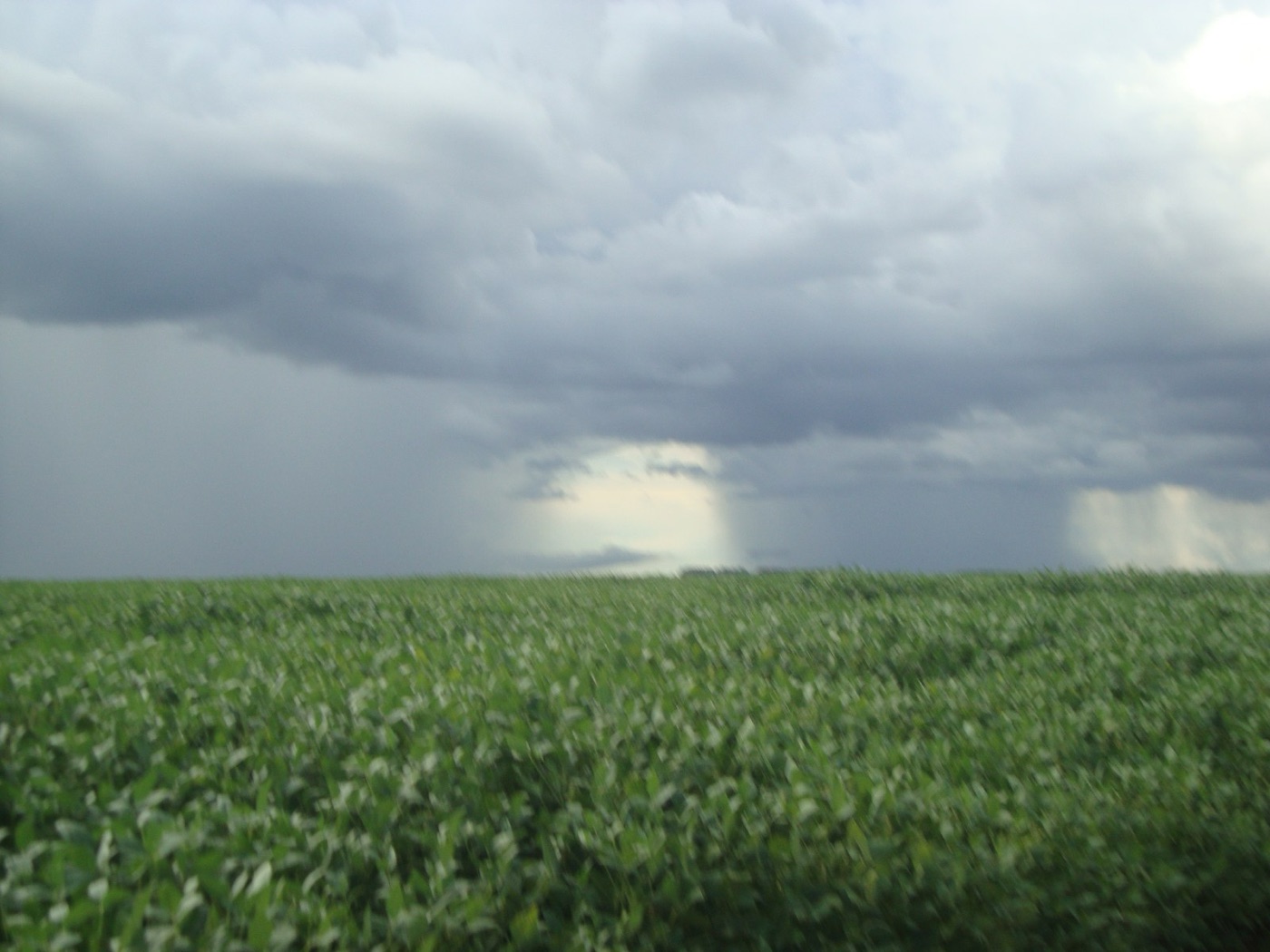
The argument about soy is about land, and the land is in Brazil. The crop spread across the Cerrado, the savanna of central Brazil, from the 1970s, when Brazilian scientists found how to lime its acid soils and breed varieties for its latitude, and it has since covered an area the size of Germany, most of it converted from native savanna and some of it, further north, from the Amazon forest. A moratorium agreed by the traders in 2006 stopped the purchase of soy from land cleared in the Amazon after that date, and the clearing of forest for soy fell sharply; the Cerrado, which is less famous, less protected and holds a third of Brazil's species and the headwaters of most of its rivers, was not covered, and the clearing moved there. The water in a Brazilian soybean is the rain that used to fall on a savanna whose deep roots held it and fed the rivers of the São Francisco and the Paraná, and the São Paulo article on this site is, at one remove, about that.
The Cerrado's rain is also changing. The clearing of the savanna and the forest north of it has reduced the moisture that the forest recycles into the air and that falls as rain on the fields, and the droughts of the 2010s and 2020s in central Brazil, which have cut soy yields and stopped the barges on the rivers that carry the crop to port, are, by the models, in part the crop's own doing.
The bean in the tank
A growing share of the oil is fuel. Brazil, Argentina and the United States blend biodiesel made from soy oil into their diesel by law, at ten to fifteen percent, and the water of the soy in a litre of that diesel is about two thousand litres, for a fuel whose climate benefit over the diesel it replaces is, once the land clearing is counted, small or negative. The hydrogen article on this site makes the same point about fuel made from water; the fuel made from a crop carries the crop's water and the crop's land, and the argument for it is that the crop was being grown anyway, which in the Cerrado is exactly the question.
The bean in Asia
The crop's home is East Asia, where it was domesticated three thousand years ago and where it is still eaten as itself. China was the world's largest producer until the 1990s and is now the largest importer, buying more than half of all the soy that crosses a border, almost all of it from Brazil and the United States, to feed the pigs and chickens that a richer diet demands; its own crop, which is smaller than its imports, goes to tofu, soy milk and sauce, on which the country does not want to depend on foreign beans. Japan and Korea, which eat more soy per person than anywhere, import nearly all of it. The water arithmetic of that trade is the virtual water article's: China imports, in its soybeans, more water than any country imports in any commodity, and the water is rain on the Cerrado and the corn belt, shipped as protein at a fraction of the cost of the water it would take to grow it on the North China Plain, which the groundwater article on this site describes as running out of water for the crops it already has. The bean crosses the Pacific at about a fortieth of the cost of the water it carries, which is why it moves and the water does not, and why a drought on the Brazilian plateau is now a matter for the pig farmers of Sichuan.
What it teaches
Soy is the crop on this site that carries a modest amount of water and a great deal of argument, and the argument is mostly about the crop's other consumers. Its water is rain on farmland; three quarters of it goes into animals, so that the water in the world's soy is mostly in the world's chicken; and the foods made from it directly carry less water, land and carbon than any animal food they replace. The Cerrado, which the crop has covered, is where the rain that grows it used to feed the rivers, and that is where the footprint of a soybean actually lands.
2,100 litres a kilogram, three quarters of it in a chicken, and a savanna the size of Germany under the crop.
Sources
- Mekonnen, M.M. and Hoekstra, A.Y. (2011). The green, blue and grey water footprint of crops and derived crop products. Soybeans about 2,145 litres per kilogram; tofu about 2,500; soy milk about 300 per litre.
- Ritchie, H. (2021). Is our appetite for soy driving deforestation in the Amazon? Our World in Data. About 77 percent of soy to animal feed; about 7 percent to direct human food.
- USDA Foreign Agricultural Service, Oilseeds: World Markets and Trade. Brazil, the United States and Argentina about 80 percent of production.
- Soterroni, A.C. et al. (2019). Expanding the Soy Moratorium to Brazil's Cerrado. Science Advances 5.
- Poore, J. and Nemecek, T. (2018). Reducing food's environmental impacts through producers and consumers. Science 360. Footprints of tofu, soy milk, and the animal products they substitute.
- Photographs: opener: Mike Starkey Soybean Harvest (52490323767) by US Department of Agriculture (Public domain) via Wikimedia Commons; inline: Making Tofu - 20170206 - Spliting by DragonSamYU (CC BY-SA) via Wikimedia Commons; inline: PLANTAÇÃO DE SOJA SAFRA 2013 - DOM OSORIO - panoramio by Paulo Roberto (CC BY-SA) via Wikimedia Commons.