Myth: Water from the Hot Tap Is Fine to Drink
Filling the kettle or the pasta pot from the hot tap saves a minute, and every water utility and every plumbing code says not to do it. Why the water from the hot tap is different from the water from the cold, what a hot water tank does to what sits in it, why hot water pulls more lead and copper out of a pipe, where the advice comes from and where it is out of date, and what the two taps in a kitchen are actually for.
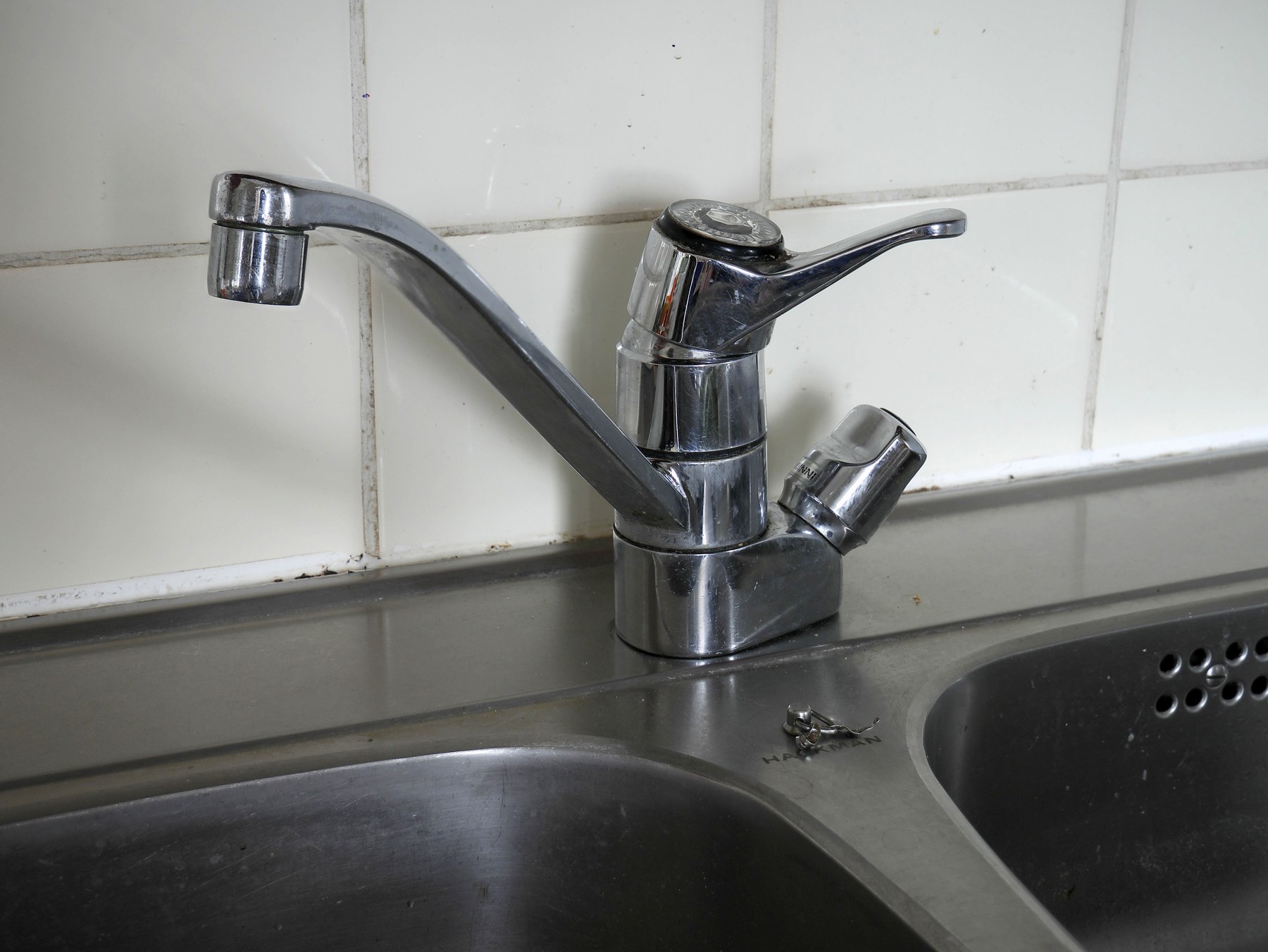
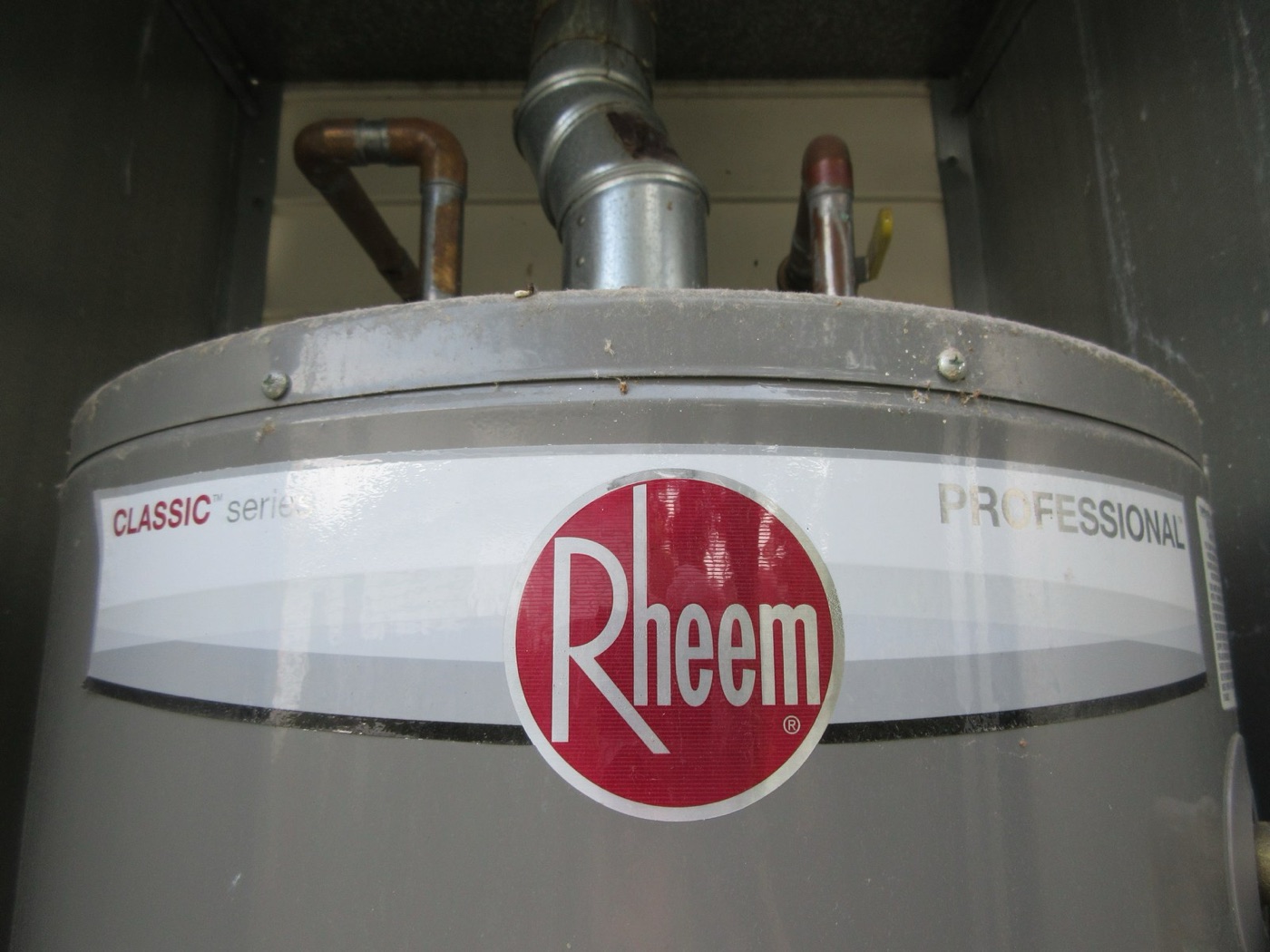
The two taps in a kitchen are connected to different things. The cold one is connected, in most houses, to the main in the street, and the water that comes out of it is the water the utility treated and tested, with the residual chlorine still in it and a few hours old. The hot one is connected to a tank or a heater inside the house, and the water in it has been drawn from the same main and then held, at fifty or sixty degrees, in a steel or copper vessel, for hours or days, in contact with the vessel's lining, the sediment at its bottom, the anode that protects it from corrosion and every metre of pipe between the tank and the tap. The utilities and the plumbing codes of every country say the same thing: drink and cook from the cold tap. The myth is that it does not matter, and the reason it matters is the pipe rather than the heat.
This article is about what the hot water in a house has been through, why it carries more of the plumbing than the cold, what the tank grows if it is too cool, where the advice comes from and where it is out of date.
What hot water dissolves
Metal dissolves into water faster when the water is hot. That is the whole of the chemistry, and it applies to every metal a domestic system is made of: the copper of the pipes, the zinc and lead in brass fittings, the lead of old service pipes and old solder, the nickel of chrome plating. The lead article on this site describes how lead gets from a pipe into a glass, and the rate at which it does so roughly doubles for every ten to fifteen degrees of temperature, so that water at sixty degrees standing in a lead soldered copper system for a night picks up several times what cold water in the same pipe would. Copper behaves the same way, and a hot tap that runs blue green or leaves a green stain in the basin is a system dissolving itself into the water.
The tank adds its own. A steel tank is lined with glass or protected by a magnesium or aluminium anode that is designed to corrode instead of the steel, and the anode dissolves into the water as it does its job; the sediment at the bottom, which is the scale of the hard water article and whatever the mains delivered over the years, is stirred into the hot water when the tank is drawn; and an old tank with a failing lining sheds rust. None of it is dangerous at the concentrations an ordinary system produces. All of it is in the hot water and none of it is in the cold.
| The two taps | Cold | Hot |
|---|---|---|
| Connected to | The main, or a cold cistern in older British houses | A tank or a heater in the house |
| Age of the water | Hours | Hours to days, in the tank |
| Temperature | Ambient | 50 to 60 degrees |
| Metal from pipes | The baseline | Several times more, from the same pipes |
| Anode, sediment, lining | None | Present |
| Chlorine residual | Present | Mostly gone |
Where the advice comes from
The rule to drink from the cold tap is a century old, and its origin explains its force. In the houses of the early twentieth century, in Britain above all, the cold kitchen tap was fed directly from the main and everything else in the house, including the hot system, was fed from a cistern in the roof: an open tank, often uncovered, in which the water sat for days, collected dust, insects and, in the stories every plumber tells, dead birds, and from which the hot tank was filled. The kitchen cold tap was the one tap in the house connected to clean water, and the rule was to drink from it and nothing else. That system is still in millions of British houses, and where it is, the hot water has been through a loft tank before it was heated.
The American version of the rule comes from lead. The service pipes of the older cities, which the lead article describes, were lead, the solder was lead until the 1980s, and the federal agency's advice since the 1990s has been to run the cold tap before drinking and never to use hot water for drinking, cooking or, above all, making up a baby's bottle, because a baby's small body takes lead hardest and a bottle made with hot tap water is the easiest way to give it some.
The tank and Legionella
The second reason is alive. Legionella, which the article on it describes, grows in still water between about twenty five and forty five degrees, and a hot water tank is a vessel designed to hold still water at a temperature that, if the thermostat is turned down to save energy, sits in that range. The plumbing codes that specify sixty degrees for storage and fifty at the tap do so for that reason: sixty kills the bacterium in minutes. A household that has turned its tank down to forty five to save on the bill, and a system with long dead legs of pipe where water sits warm, are the conditions that the outbreak investigations find. The bacterium is a hazard in the shower, where it is breathed in as mist, rather than in the glass, and the advice to keep the tank hot is about the shower. The advice to drink cold is about the pipe. The two together are the reason the codes were written.
Where the advice is out of date
A new house with plastic pipe, lead free brass, a combination boiler that heats water as it passes and no tank at all produces hot water that is a few seconds old and has touched almost nothing. In that house the hot tap is, in practice, the cold tap with a heater on it, and filling the kettle from it is harmless, if wasteful of the energy the boiler spent. The problem is that the tap gives no sign of which house it is in, the plumbing of a house changes with every owner, and the rule that works everywhere is the one that assumes the worst. Utilities, which cannot inspect every house, write the rule for the house with the loft cistern and the lead solder, and it costs the new house a minute at the kettle.
There is also the boil. Water boils faster from the hot tap, which is the myth's whole appeal, and the saving is the energy the tank already spent heating it, which is usually more than the kettle's, because the tank kept the water hot while nobody used it. The fast boil is a slow one that started an hour ago.
| Drinking from the hot tap | |
|---|---|
| Old house, tank, cistern, lead solder | Several times the metal of the cold tap; possibly a loft cistern; the reason for the rule |
| Old house, tank, copper and modern brass | More copper and anode metal than cold; harmless for most; still not advised |
| New house, combination boiler, plastic pipe | Little difference from cold; the energy was spent anyway |
| A baby's bottle | Cold tap, boiled, always |
| A tank turned down below 50 degrees | The Legionella risk, in the shower rather than the glass |
What the taps are for
The kitchen has two taps because the water in them is for different things. The cold is for drinking, cooking and anything that goes into a body, from the pipe that leads most directly to the treated supply; the hot is for washing, from a system that is designed to be hot and clean enough for that and is not tested for anything else. A kettle filled from the cold takes a minute longer and carries whatever the utility tested for. A kettle filled from the hot carries the tank.
The rest of the house
The same reasoning sorts the other taps. The bathroom cold tap, in a British house with a loft cistern, is fed from the cistern and carries what the cistern holds, which is why the old rule named the kitchen tap and no other; in a house plumbed since the 1990s, with every cold tap on the main, the bathroom cold is as good as the kitchen's. The garden tap is on the main and is fine to drink from, if the hose is not, because a garden hose lying in the sun grows what a warm pipe grows and sheds what its plastic is made of. A water cooler or a fridge dispenser is a small tank with a filter, and it is the filter jug article's story in a colder box. The rule, everywhere, is the same one: the shortest path from the treated supply to the glass, through the fewest things and the least standing time, and the hot system is the longest path in the house.
What it teaches
The hot tap myth is the smallest on this site and it turns on the same point as the largest: the water in a glass is the pipe it came through. The utility's responsibility ends at the meter and the house's plumbing begins, and the hot system is the part of the house's plumbing that has had the longest and warmest contact with the water. The rule to drink cold was written for lead pipes and loft cisterns and it still fits millions of houses, and the house that it does not fit cannot be told from the tap.
Sixty degrees in the tank, several times the metal from the same pipe, and a rule a century old that still holds.
Sources
- US EPA, Basic Information about Lead in Drinking Water: use only cold water for drinking, cooking and making baby formula; hot water dissolves lead more quickly.
- UK Drinking Water Inspectorate and Water UK, advice on drinking from the cold kitchen tap; stored hot water and cistern fed systems.
- Schock, M.R. and Lytle, D.A. (2011). Internal corrosion and deposition control. In Water Quality and Treatment, 6th edition. Temperature and metal release.
- Health and Safety Executive (UK), HSG274 Part 2: Legionella in hot and cold water systems; storage at 60 degrees, distribution above 50.
- Building codes: UK Water Supply (Water Fittings) Regulations 1999; US Uniform Plumbing Code on potable water and water heater temperatures.
- Photographs: opener: Kitchen water tap 20190408 by Santeri Viinamäki (CC BY-SA) via Wikimedia Commons; inline: Rheem home gas water heater tank - top of tank by Infrogmation (CC BY-SA) via Wikimedia Commons; inline: Water running out of a faucet by Pixelmaniac (CC0) via Wikimedia Commons.