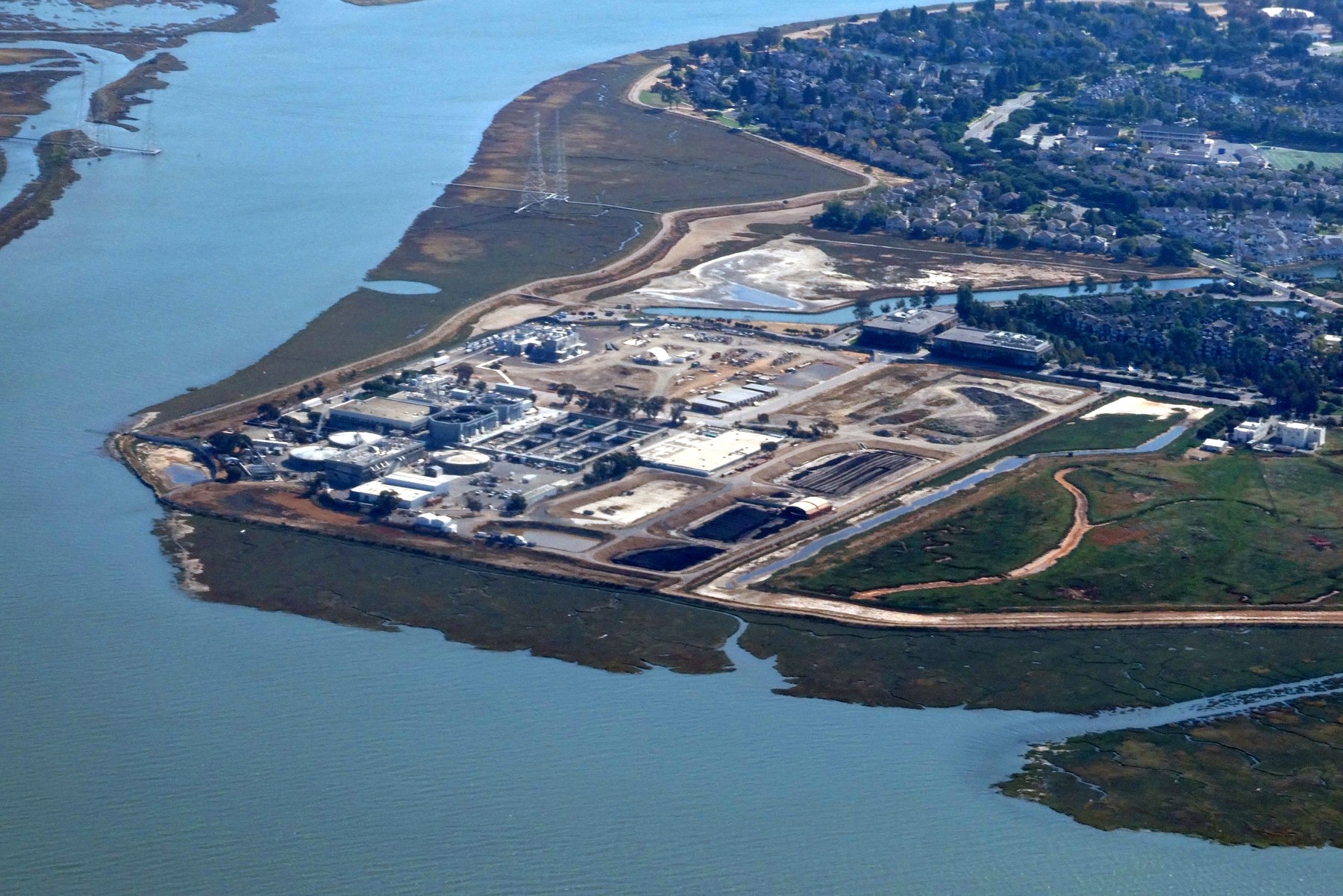
Plain Water: Chlorine Byproducts
The chlorine that has kept drinking water safe for a century reacts with the traces of leaves and soil in it to make a family of compounds that were discovered in tap water in 1974 and have been regulated since, at a limit of a hundred micrograms a litre. What trihalomethanes are, how a water works makes them without meaning to, what the studies of bladder cancer found, why the answer is to take out the organic matter and not the chlorine, and why the trade between a small risk and cholera has only one right side.
In 1974 a chemist at the Rotterdam water works, Johannes Rook, found chloroform in the city's tap water and, after ruling out every other source, worked out that the works was making it: the chlorine added to disinfect the water was reacting with the faint tea colour of the river Rhine, the dissolved remains of leaves and soil that every surface water carries, and turning a little of it into chloroform. An American team at the federal environment agency found the same thing in the same year in the water of several American cities. Every chlorinated supply in the world had it, and had had since the first chlorination of a public supply in 1908, at levels of tens of micrograms a litre that nobody had looked for because nobody had the instrument to see it.
This article is about what those compounds are, how a water works makes them without meaning to, what the health studies have found in fifty years of looking, how the works have reduced them, and why the answer was never to stop adding chlorine.
What they are
Chlorine in water is a strong oxidant, and it reacts with whatever it meets. What it meets, in a river or a reservoir, is natural organic matter: humic and fulvic acids, the brown dissolved residue of dead vegetation that gives a moorland stream its colour and a reservoir its faint tint, at a few milligrams a litre. Chlorine breaks those large molecules and attaches to the fragments, and among the products are a family of small compounds with a carbon atom carrying three halogens, which is what trihalomethane means: chloroform is the commonest, and where the water carries bromide, from the sea or from rock, the bromine versions form too. Alongside them form the haloacetic acids, and a longer list of compounds at lower concentrations that the chemists are still cataloguing.
The amount depends on how much organic matter there was, how much chlorine was added, how warm the water is and how long the two have been together; a supply from a peaty upland reservoir in a warm summer, chlorinated hard and held for days in a long pipe network, makes the most. A supply from a deep well with almost no organic matter makes almost none.
| Chlorine byproducts | |
|---|---|
| What forms them | Chlorine reacting with natural organic matter in the water |
| The main ones | Trihalomethanes: chloroform and its bromine cousins; haloacetic acids |
| Typical levels, chlorinated surface water | 20 to 80 micrograms a litre; higher in peaty, warm supplies |
| Limit, European Union | 100 micrograms a litre, total trihalomethanes |
| Limit, United States | 80 micrograms a litre; 60 for haloacetic acids |
| Discovered | 1974, in Rotterdam and in the United States |
What the studies found
Chloroform causes cancer in rats given large doses, which was known in the 1970s, and the question since has been what tens of micrograms a litre over a lifetime do to people. The answer has come from epidemiology, above all from studies of bladder cancer, which is the cancer most consistently linked. A pooled analysis of several studies in 2004 found that people who had drunk chlorinated water with high trihalomethane levels for decades had a risk of bladder cancer somewhat higher than those who had not, by a factor around one and a half at the highest exposures, with the risk also tracking showering and swimming, because the compounds are breathed in and absorbed through the skin as well as drunk. A study across the European Union in 2020 estimated that a few percent of the bladder cancers in the Union might be attributable to the byproducts, concentrated in the countries with the highest levels, and that bringing every supply down to the levels of the best would prevent most of them.
The effect is small and real, of the order that the regulators write limits for. The studies of reproductive outcomes, of other cancers and of the wider list of compounds have been less consistent, and the research goes on. The limit of eighty or a hundred micrograms a litre is set, as such limits are, to hold the lifetime risk at a level the regulator judges acceptable against the alternative.
How the works reduce them
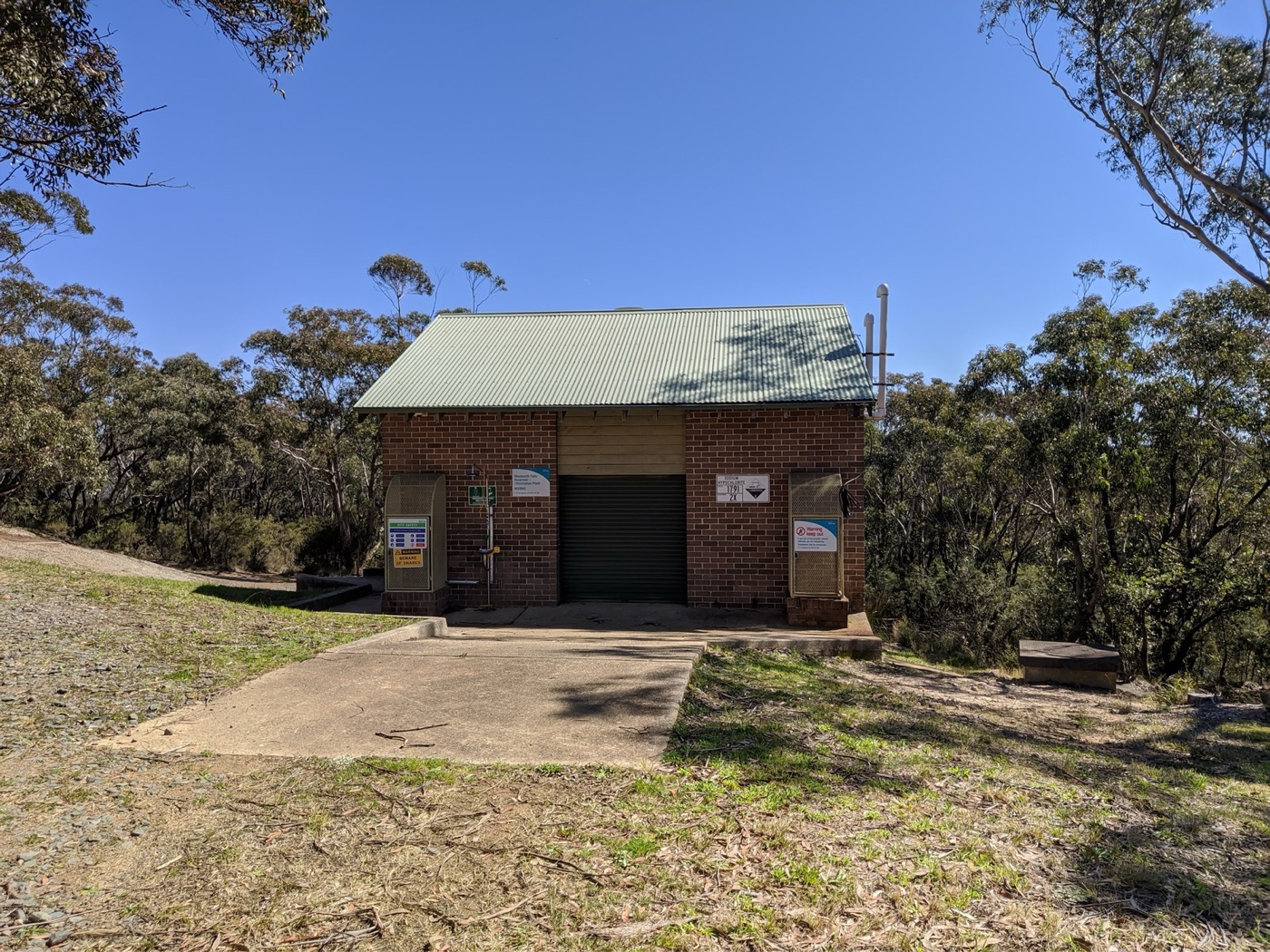
The lesson the works drew from 1974 was to attack the organic matter rather than the chlorine. The coagulation and filtration that the plain water articles on this site describe were tuned to remove more of the colour: a slightly lower pH, a higher dose of the coagulant, and the dissolved humic material comes out with the floc, so that there is less for the chlorine to react with. Activated carbon, granular beds that adsorb organic matter, was added at the works that needed it. Ozone or ultraviolet light was used for the first, heavy disinfection and chlorine kept for the last, light dose that has to hold through the pipes, which is the residual the disinfection article describes. And in the United States, where pipe networks are long and warm, many works switched the residual to chloramine, chlorine bound to ammonia, which is a weaker disinfectant and forms far fewer trihalomethanes, at the cost of a different set of byproducts and, in Washington in the early 2000s, the release of lead from old pipes that the lead article on this site describes.
The result is that the levels in most regulated supplies have fallen by half or more since the 1980s, and the supplies that remain high are the ones with peaty water, small works and long networks, which are the ones the European study pointed to.
| Reducing the byproducts | |
|---|---|
| Remove the organic matter first | Enhanced coagulation; activated carbon |
| Disinfect first with something else | Ozone or ultraviolet, then a small chlorine residual |
| Change the residual | Chloramine, fewer trihalomethanes, other byproducts, and the lead lesson of Washington |
| Shorten the contact | Less chlorine, less time in the pipes, cooler water where possible |
| Result | Levels in most supplies down by half since the 1980s |
The trade
The discovery of 1974 produced, in some places, the wrong response, and the water profession has told the story since as a warning. Chlorine stopped typhoid and cholera in the cities that adopted it, in the space of a decade, and the death rates from waterborne disease in the industrial world fell to nearly nothing by the 1930s because of it; the plain water articles on cholera and disinfection give the figures. A byproduct that raises the risk of one cancer by a fraction over a lifetime, at the levels of the 1970s, is a small harm set against the largest public health gain of the twentieth century, and the regulators of the 1970s and 1980s said so and set limits that kept the chlorine and cut the byproducts. Where the balance has been lost, in supplies that cut disinfection to reduce the byproducts or to save money, the disease has come back, which the Legionella and cholera articles on this site both record.
The rule the profession settled on, and that the World Health Organization writes at the head of its guidance, is that microbial safety comes first and byproducts second, and that a works must never reduce disinfection to reduce byproducts. The way to have both is to take the organic matter out. The way to have neither is to stop chlorinating, and that way is the one that kills.
The shower and the pool
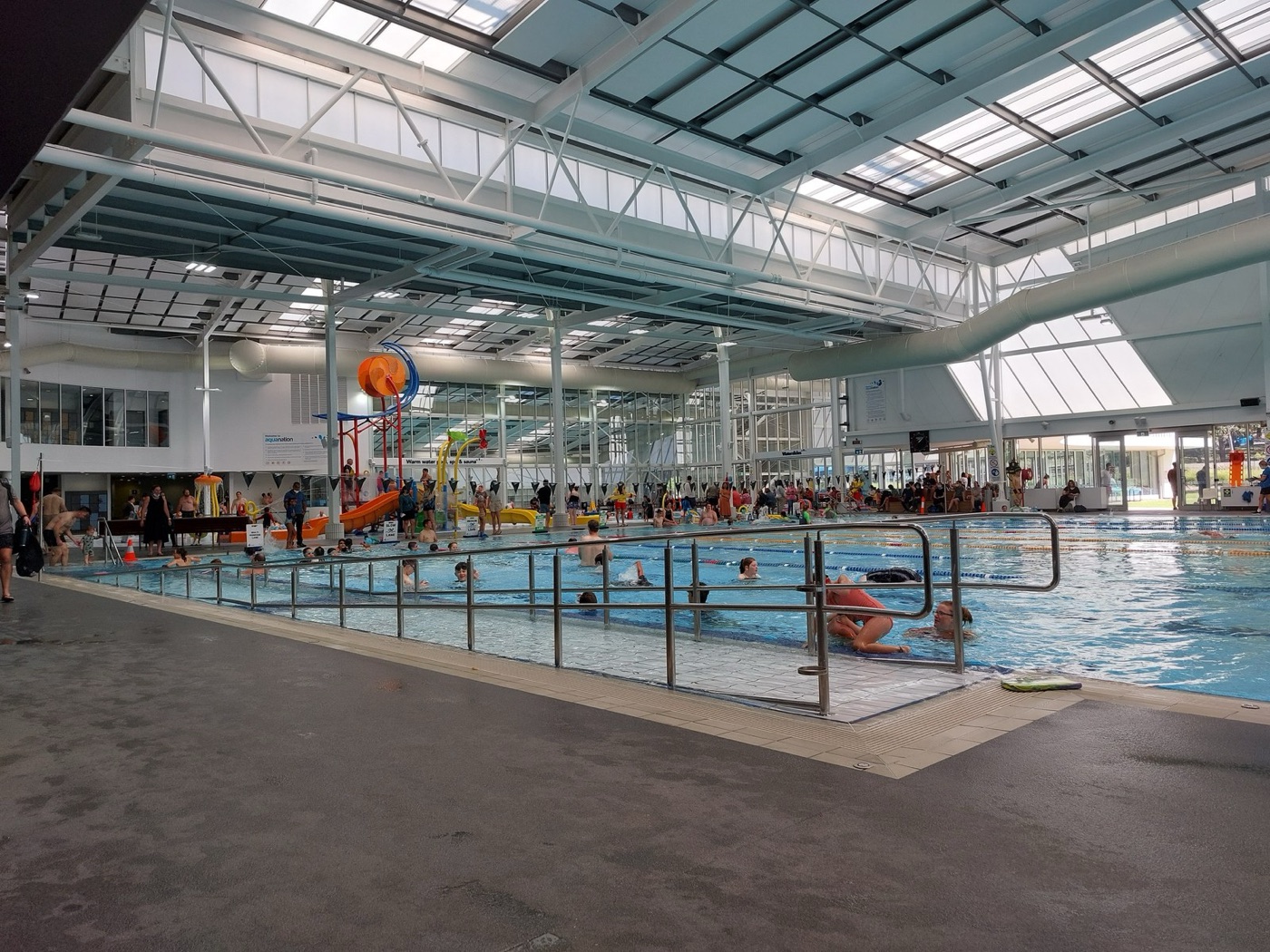
The byproducts are not only drunk. Chloroform and its cousins are volatile, and a hot shower in a house with high levels releases them into the steam, where they are breathed in, and a study of exposure routes found that a ten minute shower could deliver as much as a day's drinking. The swimming pool is the extreme case: chlorine at pool doses reacting with the sweat, urine, skin and sunscreen of the swimmers makes the compounds at levels many times a tap's, along with the chloramines that give an indoor pool its smell and the swimmers their red eyes, and the studies of competitive swimmers and of pool attendants find the exposures, and some of the effects, that the drinking water studies find at lower levels. None of this argues for less chlorine in the pool, which is where the microbial risk is highest and most immediate; it argues for ventilation, for showering before swimming, and for the same principle as at the works, which is to give the chlorine less to react with.
Other disinfectants, other byproducts
Every disinfectant makes something. Ozone, which many European works use, reacts with bromide in the water to make bromate, which is regulated at ten micrograms a litre and is harder to remove than the trihalomethanes it avoids. Chloramine makes fewer trihalomethanes and more of a class of nitrogen containing compounds that the chemists rank as more potent by weight, at lower concentrations. Chlorine dioxide leaves chlorite. Ultraviolet light makes almost nothing and leaves no residual, which is why it is used at the works and cannot be used alone in a network. The choice a works makes is between byproduct families, on the chemistry of its own water, and the works that has removed the organic matter first has the least of any of them to worry about.
What it teaches
The chlorine byproducts are the plain water story about a fix that had a cost, found sixty six years after the fix, and managed since without giving up the fix. The chlorine reacts with the leaves in the river to make a compound that raises a small risk over a lifetime; the works answer by taking the leaves out first and adding the chlorine last; and the limit is set where the risk is small and the disinfection is whole. The tap water in a regulated supply carries a few tens of micrograms a litre of chloroform and no cholera, and that is the right side of the trade.
A hundred micrograms a litre, found in 1974, and a century of chlorine that was never the thing to give up.
Sources
- Rook, J.J. (1974). Formation of haloforms during chlorination of natural waters. Water Treatment and Examination 23; Bellar, T.A., Lichtenberg, J.J. and Kroner, R.C. (1974). The occurrence of organohalides in chlorinated drinking waters. Journal AWWA 66.
- US EPA, Stage 1 and Stage 2 Disinfectants and Disinfection Byproducts Rules: total trihalomethanes 80 micrograms per litre; five haloacetic acids 60.
- European Union, Drinking Water Directive 2020/2184: trihalomethanes total 100 micrograms per litre; haloacetic acids 60.
- Villanueva, C.M. et al. (2004). Disinfection byproducts and bladder cancer: a pooled analysis. Epidemiology 15; Villanueva, C.M. et al. (2020). Bladder cancer attributable to trihalomethanes in the European Union. Environmental Health Perspectives 128.
- WHO (2022). Guidelines for Drinking Water Quality, 4th edition with addenda: chapter on disinfection byproducts and the priority of microbial safety.
- Photographs: opener: Aerial view of Silicon Valley Clean Water treatment plant, September 2023 by Pi.1415926535 (CC BY-SA) via Wikimedia Commons; inline: Wentworth Falls water chlorination plant by 2hu4u (CC BY-SA) via Wikimedia Commons; inline: Indoor Swimming Pool in Melbourne VIC Australia by KeepActive Australia (CC BY-SA) via Wikimedia Commons.