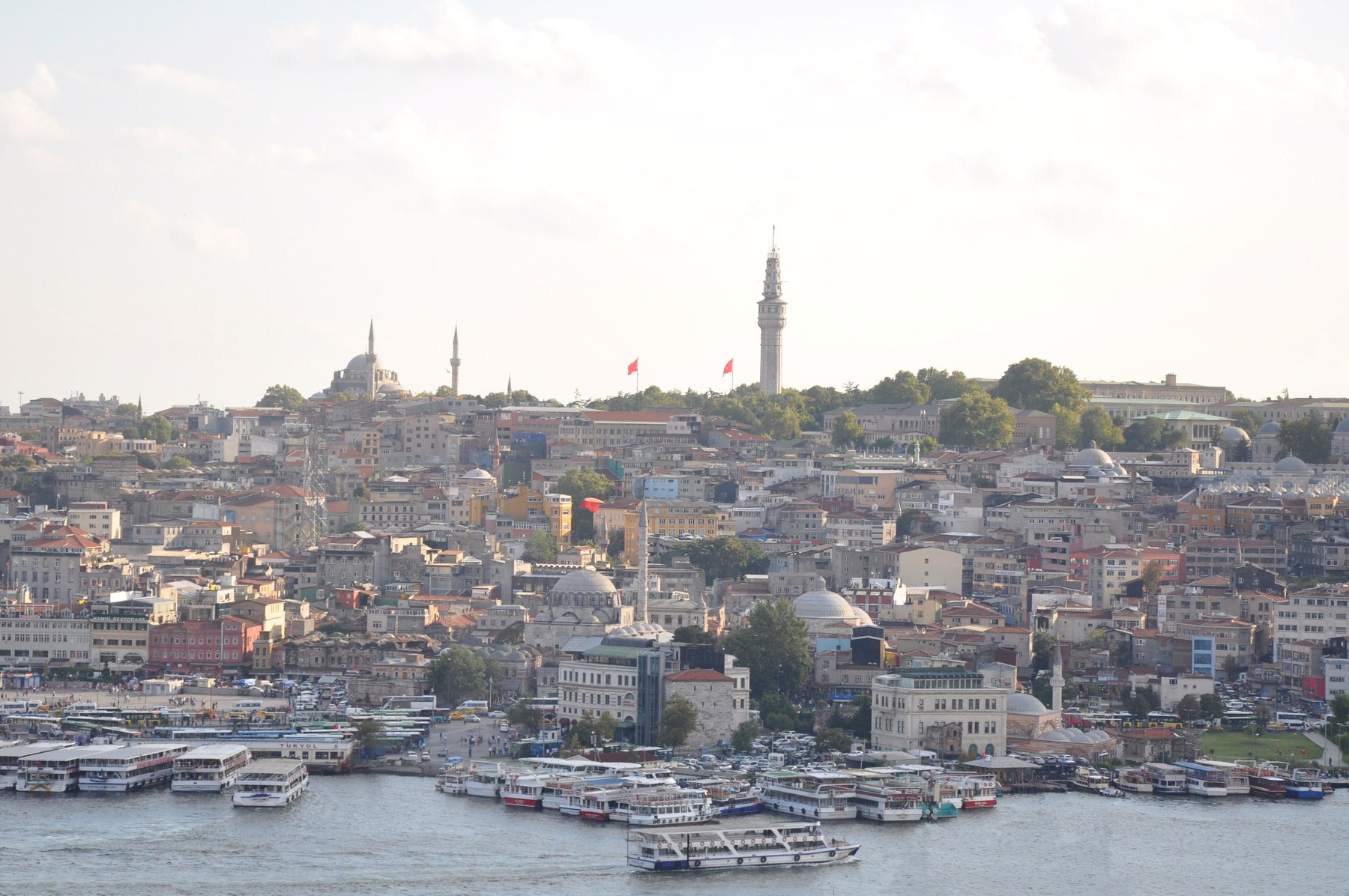
Thirsty Places: Istanbul
A city of sixteen million on two continents whose reservoirs fell to a fifth in the winter of 2021 and gave it, by the utility's own count, forty five days of water. Where Istanbul's water comes from, why a city on the sea and between two of them is short of it, what the pipe from the Melen river was for and why it took so long, and what the winter of 2021 showed about a city that has grown faster than any reservoir.
Istanbul is a city of sixteen million people built on the strait between two seas, and in the second week of January 2021 its water utility said, in public, that the reservoirs held about forty five days of supply. They were at 19.7 percent, the lowest level in fifteen years, after a year in which the winter rain had barely come. The imams were asked to pray for rain at Friday prayers, and the mayor asked the city to shower for less time, and a city that had never in living memory run dry looked at its taps. Then, in February and March, it rained hard for weeks, the reservoirs rose past half, and the story ended, for that year.
This article is about why a city on the sea, between two more, is short of fresh water, and why the answer has been the same for a hundred and fifty years: another reservoir, further away.
A city that outgrew its water
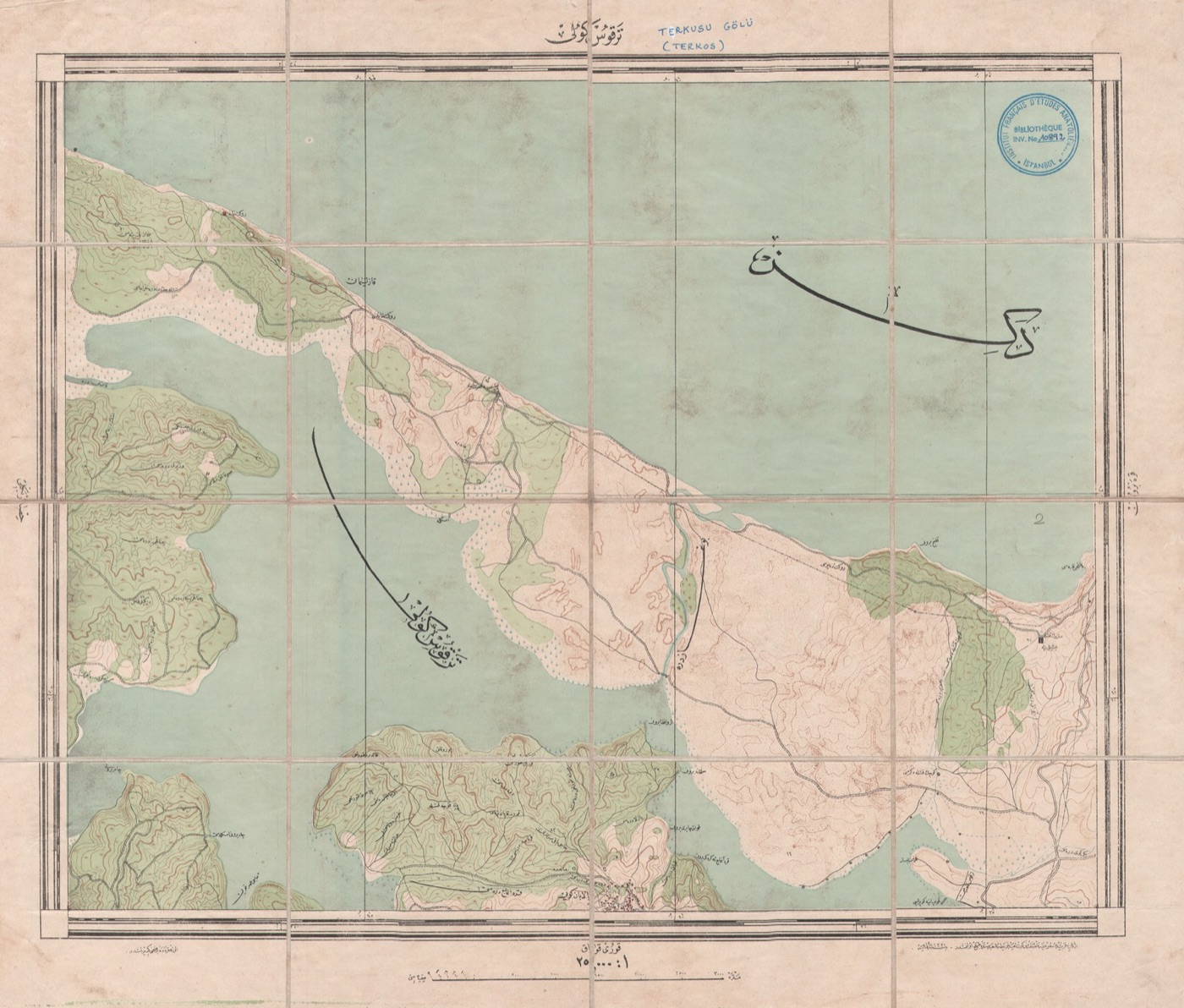
Istanbul had about a million people in 1950. It has sixteen million now, more than any city in Europe, spread along both shores of the Bosphorus and forty kilometres into the hills on either side, and almost all of that growth happened in the sixty years after the reservoirs that were meant to supply it were built. The Ottoman city drank from aqueducts and cisterns, some Roman, that brought water from the forests to the north; the republic built Terkos, a lake on the Black Sea coast, into a reservoir in the 1880s, and Ömerli, on the Asian side, in the 1970s, and a ring of smaller dams on both sides through the 1980s and 1990s. Each was sized for the city as it then was, and the city doubled before each was finished.
The catchments are small, low hills of forest and scrub within an hour of the city, and the rain that falls on them falls in winter: Istanbul's summer is long and dry, and from June to October the reservoirs only fall. A wet winter fills them. A dry one, of which there have been several since 2000, does not, and the city goes into summer with a deficit that the next winter has to make up. Two dry winters in a row, which the region's climate now produces more often than it did, leave the city with a deficit it cannot make up by rain at all, and that is what happened in 2020.
| Istanbul's water | |
|---|---|
| People | About 16 million |
| Reservoir capacity | About 868 million cubic metres, in a dozen reservoirs |
| Daily supply | About 3 million cubic metres |
| Melen system | From the Melen river, 190 kilometres east; the city's largest source |
| Winter rain | Most of the year's, between November and March |
| 14 January 2021 | Reservoirs at 19.7 percent |
The catchments under the city
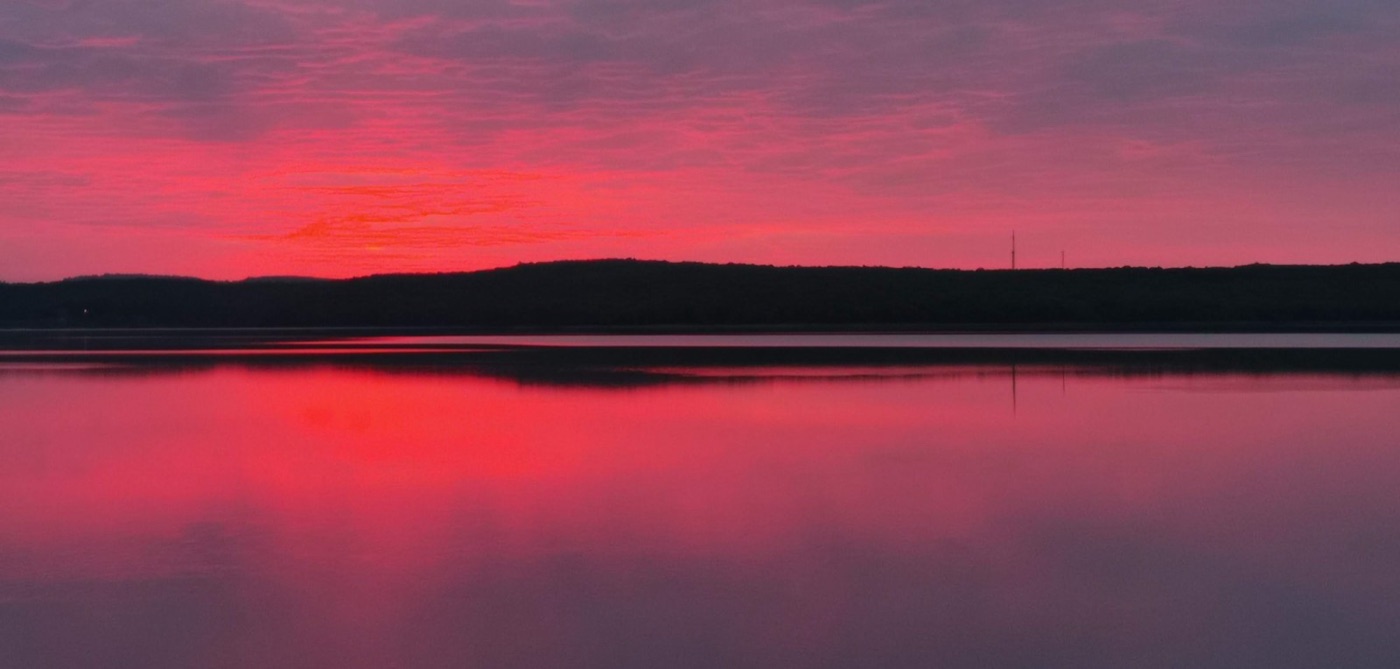
The reservoirs' other problem is that the city has grown over them. Ömerli's catchment on the Asian side was forest and farmland when the dam was built and is now suburb, with the roads, the sewers and the informal housing that follow sixteen million people, and the water that runs into the reservoir carries what a suburb sheds. The forests north of the city, which hold the Terkos and Alibeyköy catchments, have been cut by the third airport, the third bridge and the motorway that serves it, and the canal that the government proposes to dig from the Black Sea to the Marmara, parallel to the Bosphorus, would pass through the catchment of the Sazlıdere reservoir and take it out of use.
Every one of these is an argument the city has had, and lost, in the last twenty years. The reservoirs closest to the city, which are the cheapest water it has, are being spent on the city's growth, and the water is being brought from further away to replace them.
The pipe from the Melen
The answer, planned in the 1990s and built in stages since, is the Melen. The Büyük Melen is a river in the hills east of the city, two hundred kilometres away in the province of Düzce, and the plan was to take its water through a pipe and tunnel under the Bosphorus to both sides of Istanbul, at first from a weir on the river and then, when a dam was finished, from a reservoir behind it that would hold more than all the city's existing reservoirs together. The first stage opened in 2010 and the Melen became the city's largest single source, carrying, in a dry year, more than a third of what it drinks.
The dam was the problem. Built as a large rockfill structure in the 2010s, it cracked in its clay core before it was finished and the water behind it had to be drawn down while the core was rebuilt, and the completion date slid, year by year, through the second half of the decade and past the crisis of 2021. Without the dam the Melen system depends on the river's flow, which is high in winter and low in summer, and gives the city what the river has rather than what it needs. With the dam, the system is the insurance a city of sixteen million needs against a dry winter. The dam is now being finished, late, and it is the reason the utility says the next dry winter will be different.
| Istanbul's sources | |
|---|---|
| Terkos, Alibeyköy, Sazlıdere | European side, 1880s to 1990s; catchments under pressure from roads, airport, canal plan |
| Ömerli, Darlık, Elmalı | Asian side, 1970s to 1990s; Ömerli's catchment now suburb |
| Yeşilçay and Melen | From the east, 1990s and 2010; the Melen now the largest source |
| Melen dam | Cracked during construction; completion delayed past 2021 |
The winter of 2021
The crisis of 2021 was a dry autumn after a dry year. The winter rain of 2019 and 2020 had been below average, the summer of 2020 had been hot, and by November 2020 the reservoirs were at a third and falling, with the rain that should have started in October still absent. Through December and into January the level fell by a fraction of a percent a day, and the utility, which publishes the figure every morning, watched it go through thirty, twenty five and twenty. The mayor said in early January that the city had about forty five days of water at the rate of use, and the calculation was straightforward: the reservoirs held about 170 million cubic metres and the city was drawing about three million a day, with the Melen river's winter flow keeping the figure from being worse.
What the city did was mostly ask. Use fell a little. There was no rationing by district, because the utility judged that the rain would come before it was needed, and it did: a wet February and a wetter March lifted the reservoirs past fifty percent by April, and by summer the crisis was a memory. The city had come closer than it had ever come, and the reason it did not run dry was the weather. The utility has since said that the forty five day figure was conservative, because the Melen river could have been drawn harder and the wells around the city brought in, and that the real margin was perhaps twice that. Ninety days of water for sixteen million people is the margin of a city that has no margin.
What comes next
Istanbul's plan for the next dry winter is the same as its plan for the last one: finish the Melen dam, connect more of the rivers to the east, and cut the leakage, which the utility puts at around a fifth of what it supplies and which is worth, on its own, a reservoir. Desalination has been discussed and set aside, because the city sits between two seas but has no shortage of rivers within two hundred kilometres, and a pipe is cheaper than a membrane. Demand is the harder half. A city that adds a quarter of a million people a year, most of them in apartments with modern fittings, uses more each year regardless of what each person does, and the utility's forecast is that the Melen, at full development, buys the city about two decades.
The catchments are the part of the plan no one controls. A canal through one, an airport in another and a suburb over a third are decisions made for other reasons, and each takes a piece of the cheap water the city had. The reservoirs will be refilled by the winters that are wet enough. The question, in a warming eastern Mediterranean where the dry winters are becoming more frequent, is how many of those there will be.
What it teaches
Istanbul is the city on this site that shows what growth does to a water supply. Every reservoir built for it was the right size for a city that had already been left behind, and the response, each time, has been a longer pipe to a further river. The winter of 2021 was the arithmetic catching up: sixteen million people, a dozen shallow reservoirs, and a dry season that lasted three months longer than the storage did. The rain came. The city is finishing a dam that should have been finished before the rain was needed.
19.7 percent, forty five days, and a dam two hundred kilometres away that was not yet ready.
Sources
- İSKİ (Istanbul Water and Sewerage Administration), daily reservoir occupancy data: 19.7 percent on 14 January 2021; capacity about 868 million cubic metres.
- İSKİ, annual reports: daily supply about 3 million cubic metres; the Melen system's share; non revenue water.
- Turkish State Hydraulic Works (DSİ), Greater Melen project documents: 190 kilometre transmission line, capacity 1.18 billion cubic metres a year at full development.
- Turkish State Meteorological Service, precipitation records for Istanbul 2020 and 2021.
- World Bank and OECD reviews of Istanbul's water supply and urban growth.
- Photographs: opener: Istanbul as seen from the Galata Tower (8396801424) by Jorge Láscar (CC BY) via Wikimedia Commons; inline: Ömerli Barajı ve Gün Batımı by Emregaznevi (CC BY-SA) via Wikimedia Commons; inline: Terkusu Gölü (Terkos) - btv1b10100798w by Bibliothèque nationale de France (Public domain) via Wikimedia Commons.