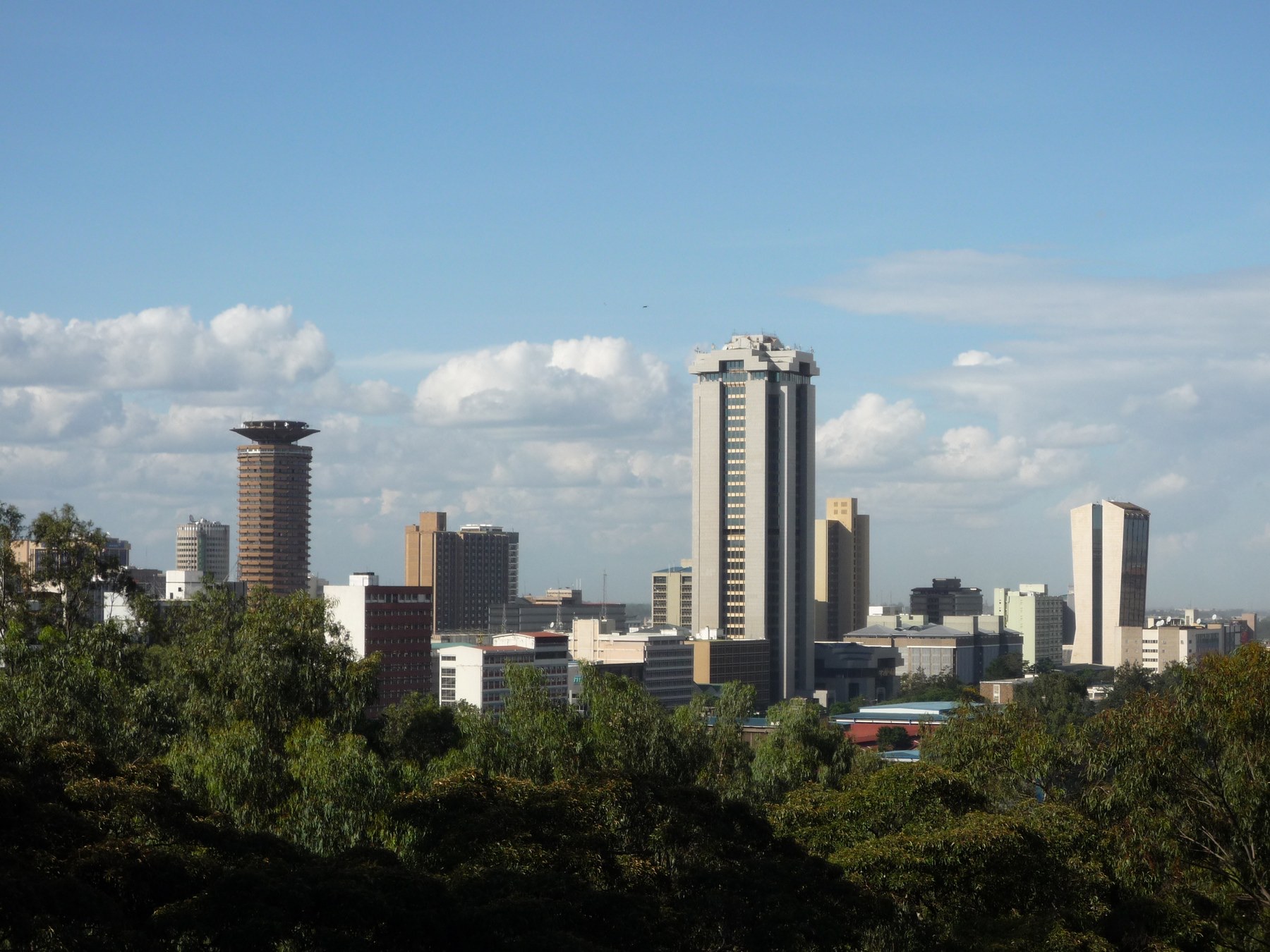
Thirsty Places: Nairobi
A city of five million that has been on permanent water rationing since 2017, where the utility supplies about two thirds of what the city needs, loses half of that on the way, and where the people in the poorest districts pay the most per litre of anyone in the country. Where Nairobi's water comes from, why the shortfall is structural, what the tunnel under the Aberdares was built to fix, and why a jerry can in Kibera costs more than a tap in Karen.
Nairobi has been on water rationing since 2017. Every part of the city, from the tower blocks of Upper Hill to the tin roofed lanes of Kibera, has its supply turned off by rota for one or more days a week, and the schedule, which was announced as a drought measure when the city's main dam fell to a fifth, was never lifted, because the drought was only the occasion. The city needs about 800,000 cubic metres of water a day and the utility can supply about 500,000, and the rota is how the difference is shared.
This article is about why a city at the foot of some of the wettest hills in East Africa is short of water, where the shortfall goes, what the tunnel under the Aberdares was built to fix, and why the people who pay most per litre are the ones with no pipe.
Where the water comes from
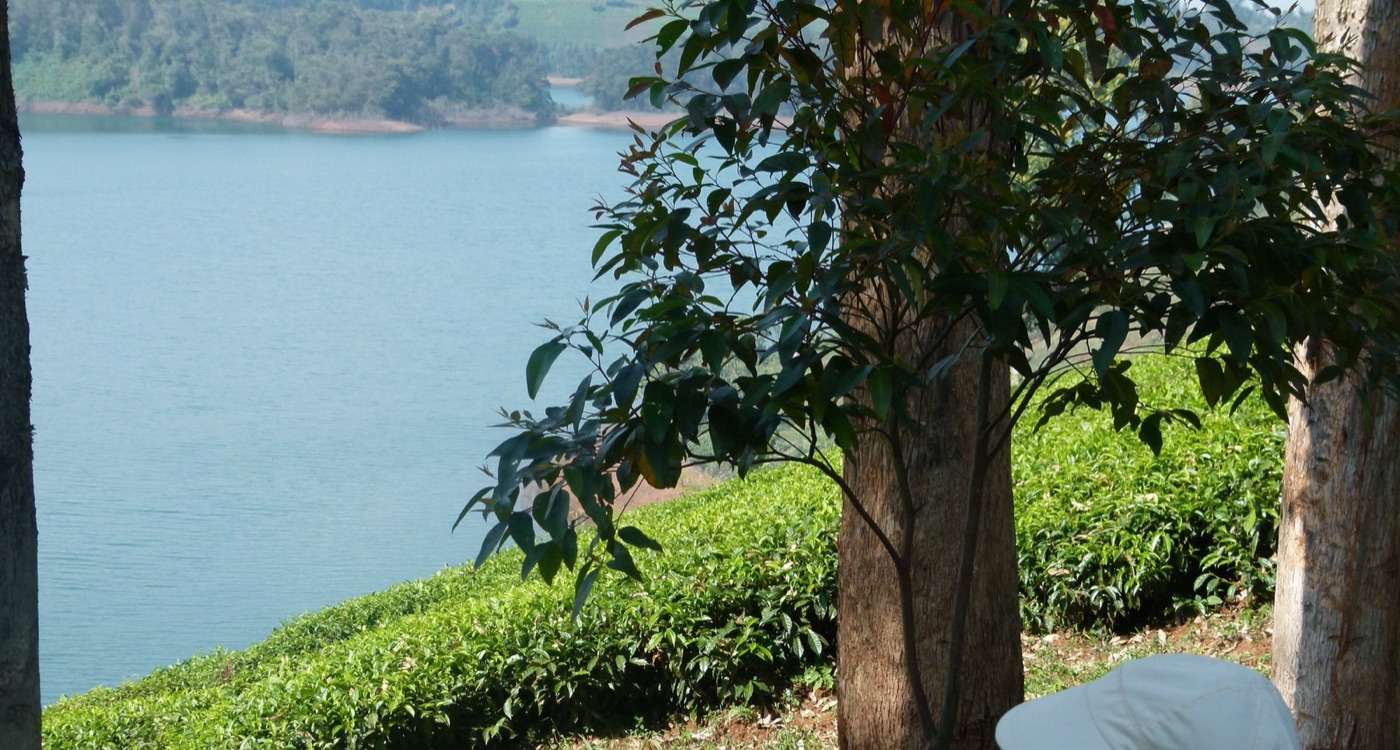
Nairobi's water is not from Nairobi. The city sits on a dry plateau at 1,700 metres, with a river through it that was never large enough to drink from and is now an open sewer, and its water comes from the Aberdare range, sixty kilometres to the north, where the rain that the plateau does not get falls on forested hills. The Ndakaini dam on the Thika river, finished in 1994, holds about seventy million cubic metres and supplies about five sixths of the city; an older dam at Sasumua and a few boreholes and springs supply the rest. The water is treated at Ng'ethu, on the way down, and carried to the city by pipe.
The dam was built for a city of two million. Nairobi County has four and a half million people and the metropolitan area has more, and the growth has been fastest in exactly the districts the pipe network reaches least.
| Nairobi's water | |
|---|---|
| People | About 4.5 million in the county; more in the metropolitan area |
| Demand | About 800,000 cubic metres a day |
| Supply | About 500,000 cubic metres a day |
| Main source | Ndakaini dam on the Thika river, about 84 percent |
| Non revenue water | About 45 to 50 percent of what enters the pipes |
| Rationing | By district rota, continuous since 2017 |
Where it goes
Of the 500,000 cubic metres that enter the city's pipes each day, close to half is never sold. Some of it leaks from a network that is older than the dam, some is taken through illegal connections, some is delivered to customers whose meters do not work, and the regulator's reports have put the figure at between forty five and fifty percent for a decade. The leaks article on this site describes what non revenue water is and why it is hard to cut; Nairobi's is at the high end, and cutting it to thirty percent would give the city a fifth more water without a new dam. The utility knows this. The money to do it, which is money to dig up the pipes of a city that cannot stop for the work, has not been there.

The rest reaches taps, and the taps are unevenly placed. The suburbs of the west and north, where the city's wealth is, have piped water in every house and storage tanks on every roof, so that a day off the rota is a day the tank covers. The informal settlements of the south and east, where a third of the city lives on a few percent of its land, have a handful of standpipes and kiosks fed from the mains, and when the rota turns the mains off, the kiosks close.
The price of a jerry can
The person in Kibera buys water in twenty litre jerry cans from a kiosk or a vendor with a handcart, at a few shillings a can in an ordinary week and several times that when the rota has closed the kiosks and the vendors are the only supply. Worked out per litre, that price is five to ten times what a household in Karen or Muthaiga pays for metered water from its own tap, and it is paid by the people with the least. The pattern is the one Lagos and Karachi show on this site, and it is the same arithmetic: piped water is cheap because the pipe was paid for long ago, and the people without the pipe pay for the truck, the cart and the middleman instead.
The utility has tried to fix this from the middle. Prepaid dispensers, where a card is charged and water is drawn at the mains price, have been installed in some settlements and have cut the price where they work; the vendors, who lose their trade, have broken some of them. Kiosks run by community groups on a bulk tariff work where the mains reach and fail where they do not. The fix that works everywhere is the pipe, and the pipe is what the settlements were built without.
| What water costs in Nairobi | |
|---|---|
| Metered household, wealthy suburb | The utility tariff, from a tap in the house, with a roof tank for the rota |
| Kiosk in a settlement | Several times the tariff per litre, and closed on rota days |
| Vendor with a cart, rota day | Five to ten times the tariff per litre |
| Prepaid dispenser | Near the tariff, where installed and not broken |
The tunnel
The supply side answer, planned since the 1990s and built through the 2010s, is the Northern Collector Tunnel: nearly twelve kilometres bored under the Aberdare foothills to take water from three rivers, the Maragua, the Gikigie and the Irati, and deliver it into the Thika river above Ndakaini, so that the dam refills in a dry season from catchments it was never connected to. The first phase, finished in stages from 2022, adds about 140,000 cubic metres a day, roughly a quarter more than the city had, with a new treatment plant to match. It was late, over budget and opposed by the farmers downstream of the three rivers, who argued, with reason, that water taken from their rivers to Nairobi's dam is water they no longer have.
It is also, on the arithmetic above, about a decade of growth. The city adds around a hundred thousand people a year, the demand rises with them, and the second phase of the tunnel, which would take more rivers, is not yet funded. Nairobi has built the largest water project in its history and closed perhaps half the gap the rota was created to manage.
What the rain does
The Aberdares are wet and the plateau is dry, and both are becoming less predictable. The long rains of March to May and the short rains of October to December fill the dam in a normal year, and the years since 2000 have included several in which one or both failed: 2017, when Ndakaini fell to about twenty percent and the rota began, and the drought of 2021 to 2023, the worst in the Horn of Africa in forty years, which the dam survived only because the tunnel's first water had arrived. In a wet year the dam spills and the city, with its pipes and its rota, cannot use the surplus. Storage is the missing piece, and the next dam, on the Thika's neighbour, has been at the planning stage since before the tunnel was dug.
The river through the city
Nairobi is named for its river, and the river is the other half of the water story. The Nairobi river and its tributaries run through the city from the Ngong hills to the Athi, and for most of their length they carry the sewage of the districts that have no sewer, the runoff of the industrial area and the waste of the markets on their banks, so that by the time the water leaves the city it is the kind the wastewater articles on this site describe as raw. About half the city is connected to a sewer, and the two treatment works at Dandora and Kariobangi were built for a smaller city and receive more than they can treat; the other half uses pit latrines, which fill and are emptied, when they are, into the same river. A city that brings in half a million cubic metres a day sends most of it out again, and the river is where it goes. The government has cleared the banks and planted them more than once, and the plan for the sewers, like the plan for the pipes into the settlements, is the part of the city's water that has waited longest.
What it teaches
Nairobi is the city on this site where the gap between demand and supply has been made permanent and administered, and where the cost of it has been shifted onto the people least able to pay. The rota is honest in a way that a leaking network pretending to be adequate is not, and it is also a decision to manage scarcity rather than end it. The tunnel closes half the gap for a decade. The leaks, if fixed, would close most of the rest. The pipe into the settlements, which is the only thing that would end the jerry can price, is the part of the plan that has waited longest.
500,000 cubic metres a day against 800,000, half of it lost, and a jerry can that costs the most where the pipe never came.
Sources
- Nairobi City Water and Sewerage Company, water supply and rationing programme (2017 onward): production about 525,000 cubic metres a day against demand of about 810,000; Ndakaini (Thika) dam supplies about 84 percent.
- Athi Water Works Development Agency, Northern Collector Tunnel Phase 1: 11.8 kilometres, 140,000 cubic metres a day, from the Maragua, Gikigie and Irati rivers.
- Kenya Water Services Regulatory Board (WASREB), Impact Reports: non revenue water in Nairobi about 45 to 50 percent.
- Water and Sanitation Program (World Bank), pricing of water from kiosks and vendors in Nairobi's informal settlements.
- Kenya National Bureau of Statistics, 2019 census: Nairobi County 4.4 million; metropolitan area larger.
- Photographs: opener: Nairobi skyline P1000021 by Lmwangi (CC BY-SA) via Wikimedia Commons; inline: Water in Kibera Slum by Mutungadavid (CC BY-SA) via Wikimedia Commons; inline: Ndakaini Dam 02 by Ahero dala (CC BY-SA) via Wikimedia Commons.