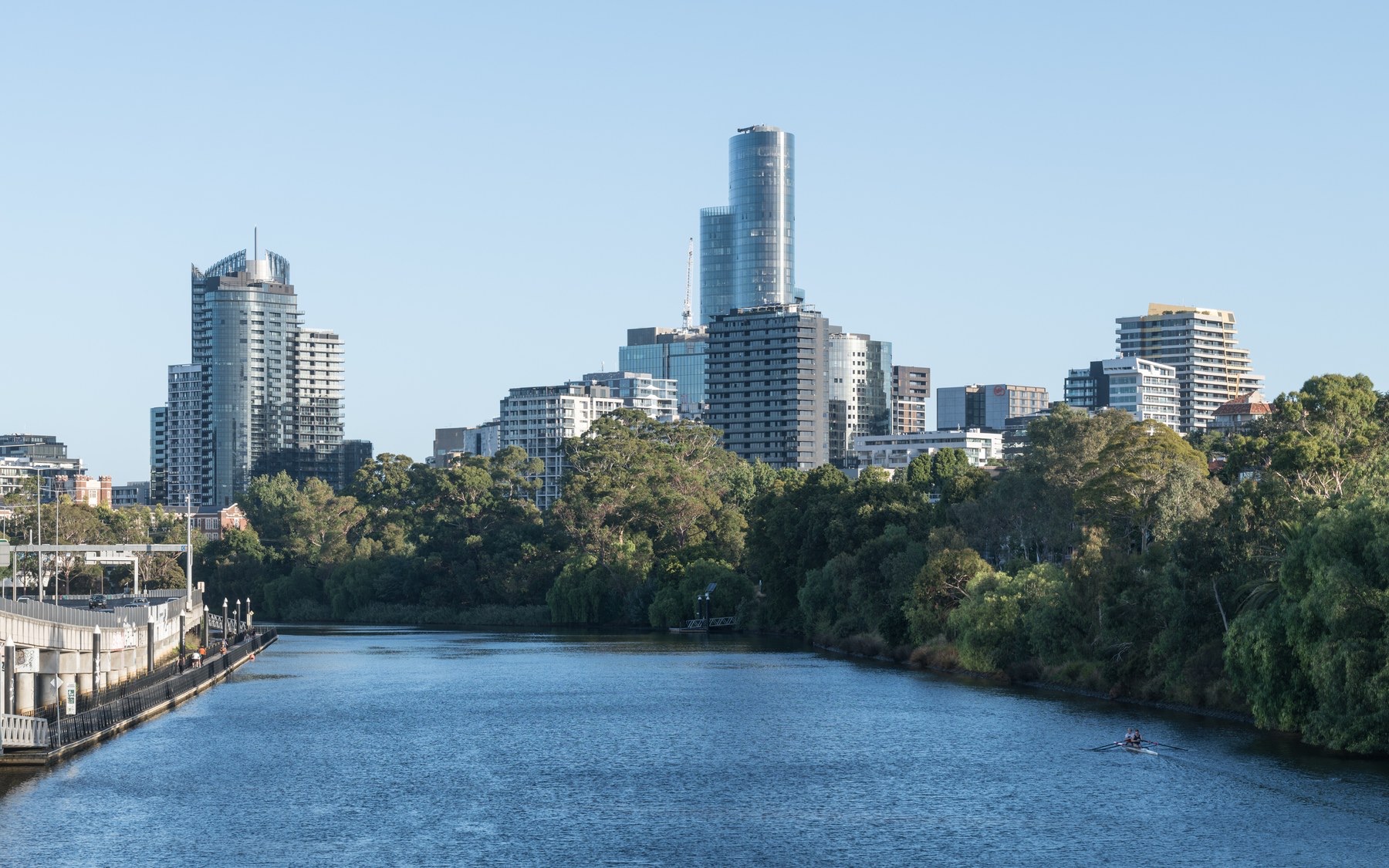
Thirsty Places: Melbourne
A city of five million that drinks from forests it has closed to the public for a century, that came within two years of empty in a drought that lasted thirteen, and that cut its use by half without a single day of rationing by rota. What Melbourne's water is, what the Millennium Drought did, what the campaign that asked for four minute showers achieved, and what a desalination plant that sat idle for a decade was for.
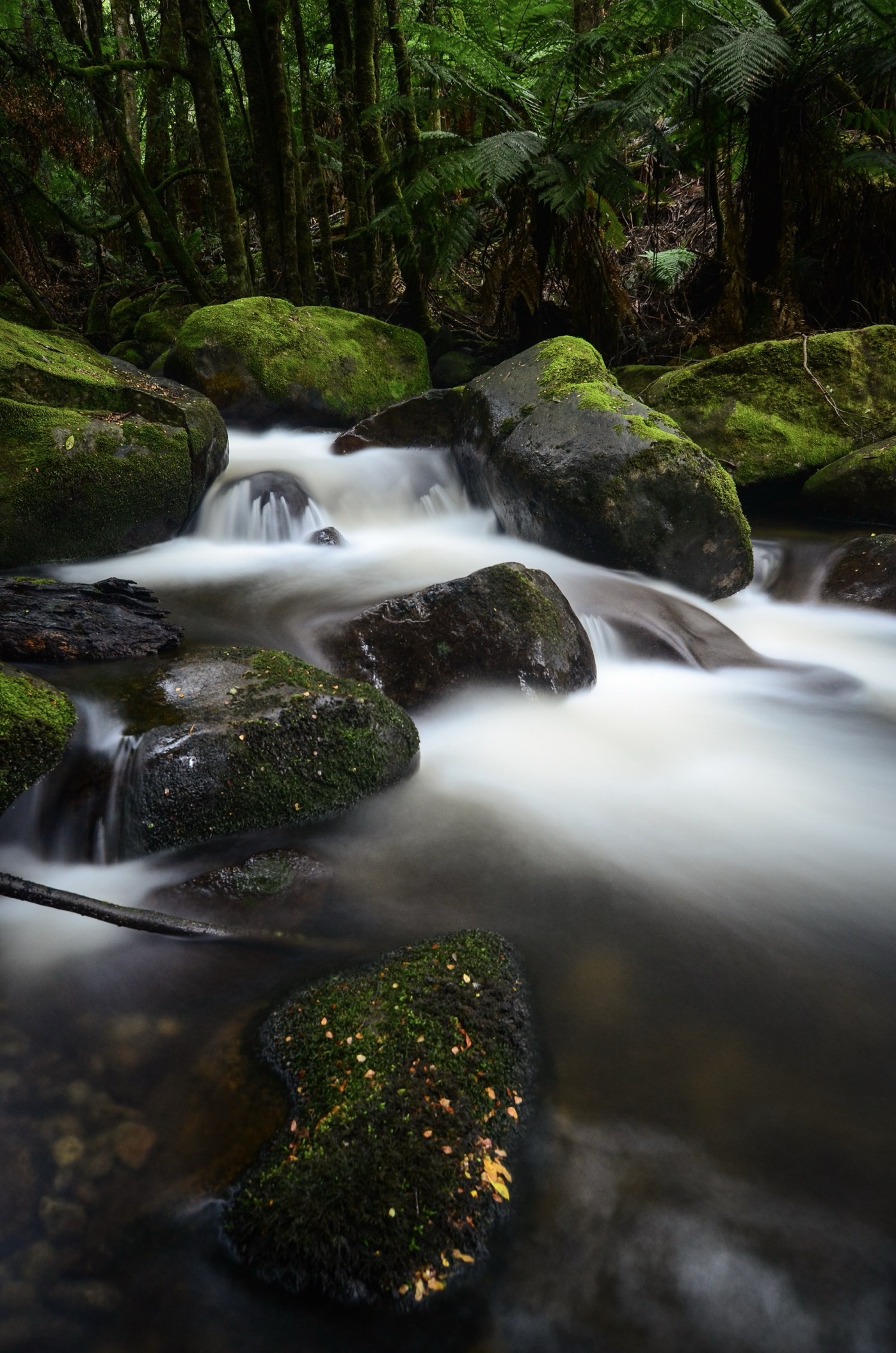
East of Melbourne, in the hills of the Yarra Ranges, there are forests that nobody is allowed to enter. They have been closed since the 1890s, on a rule the city's engineers made when they built the first reservoirs: that the catchments of the city's water should be left as mountain ash and fern, unlogged, unfarmed, and unvisited, so that the rain that fell on them would run into the dams through undisturbed forest and need almost nothing done to it. The rule held for a century, and it gave Melbourne one of the cleanest supplies in the world, delivered to five million people with little more than chlorination. Then it stopped raining.
This article is about the Millennium Drought, the thirteen years in which one of the best supplied cities in this series came within a couple of years of empty, and about what the city did, which was to halve its use without a single day of rationing by rota.
The closed catchments
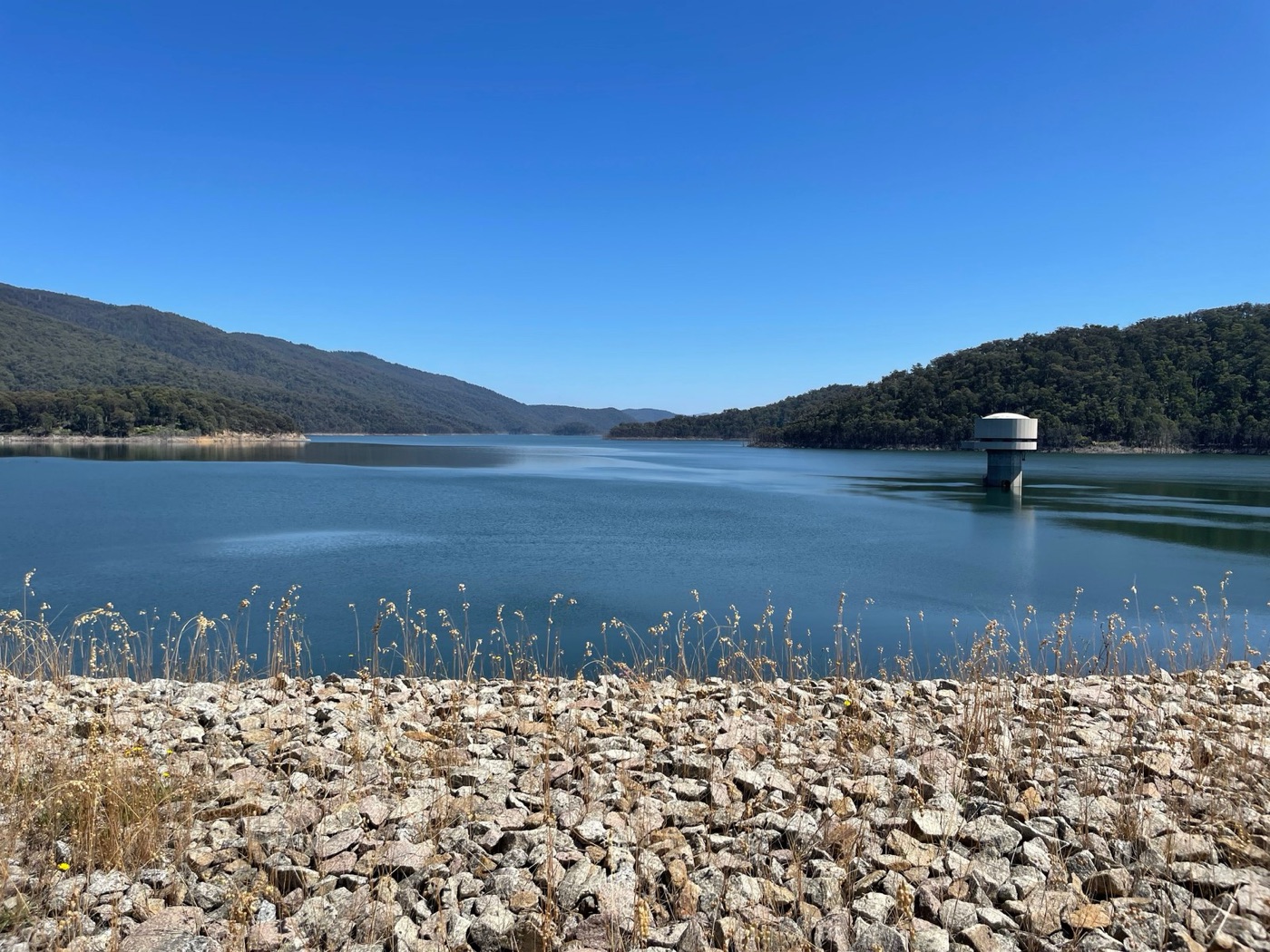
Melbourne's water comes from a set of reservoirs in the hills east and north of the city, the largest of them the Thomson, which holds more than half the system's capacity, fed by catchments that the city's water authority owns and keeps closed. The forest does the treatment: rain soaks through soil and roots, runs clear into the streams, and arrives in the reservoirs low in sediment and organic matter, so that most of the city's water is disinfected and sent out without the coagulation and filtration that the plain water articles describe for nearly every other city. The system holds, when full, about four years of the city's use, which is generous by the standard of this series, and it depends entirely on rain falling on those hills.
| Melbourne's water | |
|---|---|
| Population served | About 5 million |
| Sources | Reservoirs in closed forest catchments east and north of the city |
| Storage capacity | About 1,800 gigalitres, roughly four years of use |
| Storage low, 2009 | About 25 percent |
| Per person use, 1990s | About 250 litres a day |
| Per person use, 2010 and since | About 150 litres a day |
| Desalination capacity, from 2012 | 150 gigalitres a year, about a third of use |
The drought
The Millennium Drought began in 1997 and did not properly end until 2010. Rain fell, in most years, at two thirds of the long term average, and the runoff into the reservoirs, which falls faster than the rain because dry soil absorbs what would have run off, fell by more than half. The storages declined through the 2000s at a rate that, projected forward, gave the city two or three years, and by 2009 they stood at about a quarter. The whole of south east Australia was in the same drought; the Murray Darling article describes what it did to the river and the farms.
The city's response came in stages, and the stages are the reason the drought belongs in this series as a success. Restrictions on outdoor water, from 2002, banned sprinklers, then hoses, then limited garden watering to two mornings a week by bucket and, at the peak, to nothing. Rebates paid households to fit rainwater tanks, efficient shower heads, dual flush toilets and greywater systems, and to replace lawns, and a large share of the city's houses took them up. The tariff rose in blocks, so that a household using more than its neighbours paid a steeper rate for the extra. And in 2008 the state launched a campaign called Target 155, asking every person in the city to use no more than 155 litres a day, with four minute shower timers handed out by the hundred thousand, the reservoir level published in the newspapers every day, and the target repeated on the radio until it was a figure everyone knew.
It worked to a degree this series has not seen elsewhere. Melbourne's use fell from about 250 litres a person a day in the 1990s to under 150 by 2010, a cut of forty percent, with no rota rationing, no tanker economy, and no day on which the city's taps ran dry. When the drought ended the restrictions were relaxed, and the use rose a little and stayed near the target, because the tanks, the fittings and the habit remained.
| What Melbourne did | |
|---|---|
| Outdoor restrictions, staged from 2002 | Sprinklers, then hoses, then garden watering limited to two mornings a week |
| Rebates | Rainwater tanks, efficient fittings, greywater systems, lawn removal |
| Tariff | Rising blocks, steeper above a household's normal use |
| Target 155, from 2008 | A per person daily target, shower timers, daily reservoir levels in the news |
| Result | Use down 40 percent, from about 250 to under 150 litres a day; the habit held |
Where the water went in the house
The city's own studies of what happened inside a household during the drought are the most detailed of any in this series, and they show where the cut came from. The garden took the largest share: the ban on sprinklers and hoses, and then the two mornings a week by bucket, cut outdoor use, which had been a third of the total in summer, by more than half, and the front lawns of the eastern suburbs went brown for years. The shower took the next, through the four minute timers and the replacement of old heads with efficient ones that halved the flow, and the toilet the next, through the dual flush cisterns that the rebates paid for. The washing machine, the kitchen and the leaks made up the rest. The tanks were the surprise: a quarter of Melbourne's houses had a rainwater tank by the end of the drought, plumbed to the garden or the toilet, and a tank on a roof in a city with six hundred millimetres of rain supplies a household's garden for most of a year. The city's use fell because the water it saved was the water it had been spraying on grass and running down a shower drain, and neither was missed.
The plant
The state also built. In 2007, with the reservoirs falling and no end in sight, Victoria ordered a desalination plant at Wonthaggi on the coast south east of the city, of 150 gigalitres a year, about a third of the city's use, with a pipeline eighty kilometres long to the reservoirs. It was the largest in Australia, it cost several billion dollars under a contract that paid the operator whether or not water was ordered, and it opened in December 2012, two years after the drought had ended and the reservoirs had refilled.
For five years the state ordered no water from it. The plant was kept in condition, the availability payments were made, and it became the country's best known white elephant, the subject of every argument about drought planning. Then the dry years of 2017 to 2019 arrived, the storages fell towards half, and the state began ordering, at first fifteen gigalitres and then the full hundred and fifty, and the plant supplied a third of the city's water through 2019 and 2020 while the reservoirs held. The argument changed. The plant is now ordered from in most years, at a level that keeps the reservoirs from falling, and the state has begun planning its expansion. Perth, Sydney and Adelaide built plants in the same drought and went through the same decade of argument to the same conclusion.
The forests, again
The closed catchments have a second story, and it is the one the next drought will be about. Mountain ash, the tallest flowering tree on Earth and the dominant tree of Melbourne's catchments, regenerates after fire, and the catchments burned in the bushfires of 1939, 1983 and 2009, the last of which killed 173 people in the hills and burned a third of one of the city's catchments. A regrowing ash forest uses more water than a mature one, for decades, because young trees transpire more, so that a catchment that burns delivers less runoff to the reservoirs for half a century afterwards. The city's supply, which depends on the forest, depends on the forest not burning, in a climate that is making fire more likely. The desalination plant is, in that light, insurance against the forest as much as against the rain.
What it teaches
Melbourne is the city in this series that cut its demand hardest and kept it cut, and it did so with the least drama: restrictions that people accepted because the reservoir level was on the news every day, rebates that put a tank in the garden and a timer in the shower, and a target that everyone could remember. The desalination plant, built late and used late, was the other half, and the ten years it sat idle were the price of having it when the storages fell again. The lesson the city has drawn, and that Barcelona drew in the same years, is that a supply built for the driest year has to be paid for in the wet ones, and that the cheapest water in a drought is the water a city has learned not to use.
155 litres a day, from 250, without a rota, and a plant that waited five years to be needed.
Sources
- Melbourne Water, water storage levels 1997 to 2010, and the closed catchment policy for the Yarra Ranges.
- Victorian Government, Target 155 campaign (2008) and Melbourne's per capita consumption, about 247 litres a day in the 1990s to about 150 in 2010.
- Low, K.G. et al. (2015). Fighting drought with innovation: Melbourne's response to the Millennium Drought in Southeast Australia. WIREs Water 2.
- Victorian Desalination Project, Wonthaggi: 150 gigalitres a year capacity, opened 2012, first water order 2017.
- Grant, S.B. et al. (2013). Adapting urban water systems to a changing climate: lessons from the Millennium Drought in Southeast Australia. Environmental Science and Technology 47.
- Photographs: opener: Northwest view of South Yarra skyline 20230221 1 by DXR (CC BY-SA) via Wikimedia Commons; inline: Thomson River Dam, Victoria by Quincepaste (CC BY-SA) via Wikimedia Commons; inline: Upper Taggerty Cascade, Yarra Ranges National Park, Victoria, Australia 01 by Zoey Daws (CC BY-SA) via Wikimedia Commons.