Thirsty Industries: Leather and tanning
The tanning district is where the water industry's hardest problems arrive in one pipe: salt, lime, sulphide, chromium and a heavy organic load, from an ancient process that has changed less than any other in this series. What happens inside a tannery, what its water carries, and how the districts that poisoned their rivers are being made to stop.
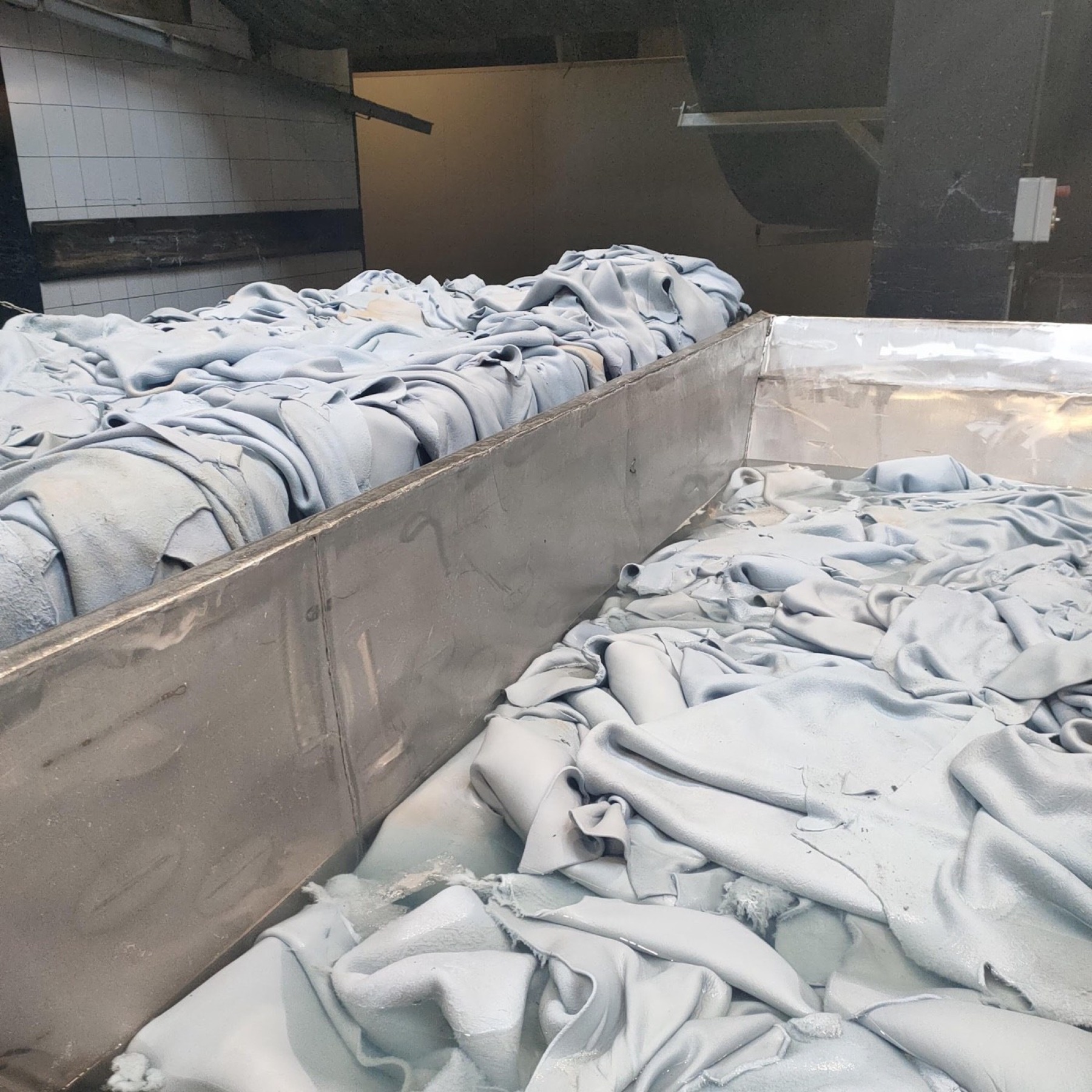
The smell reaches you before the district does. It is sulphide, the rotten egg smell of the liming baths, and it hangs over every tanning quarter in the world, from the medieval vats of Fez to the sheds of Kanpur. Inside, the hides lie in pits and drums of milky, greenish liquid, men in boots and no gloves haul them from one bath to the next, and channels in the floor carry the liquid out through the wall to whatever is on the other side of it. In Hazaribagh, in Dhaka, for forty years, what was on the other side was a river.
Tanning is the oldest industry in this series and the one that has changed least. It is also the one whose water frightens treatment engineers most, because everything the water industry finds hard arrives in a tannery's pipe at once. This article goes inside.
What a tannery does
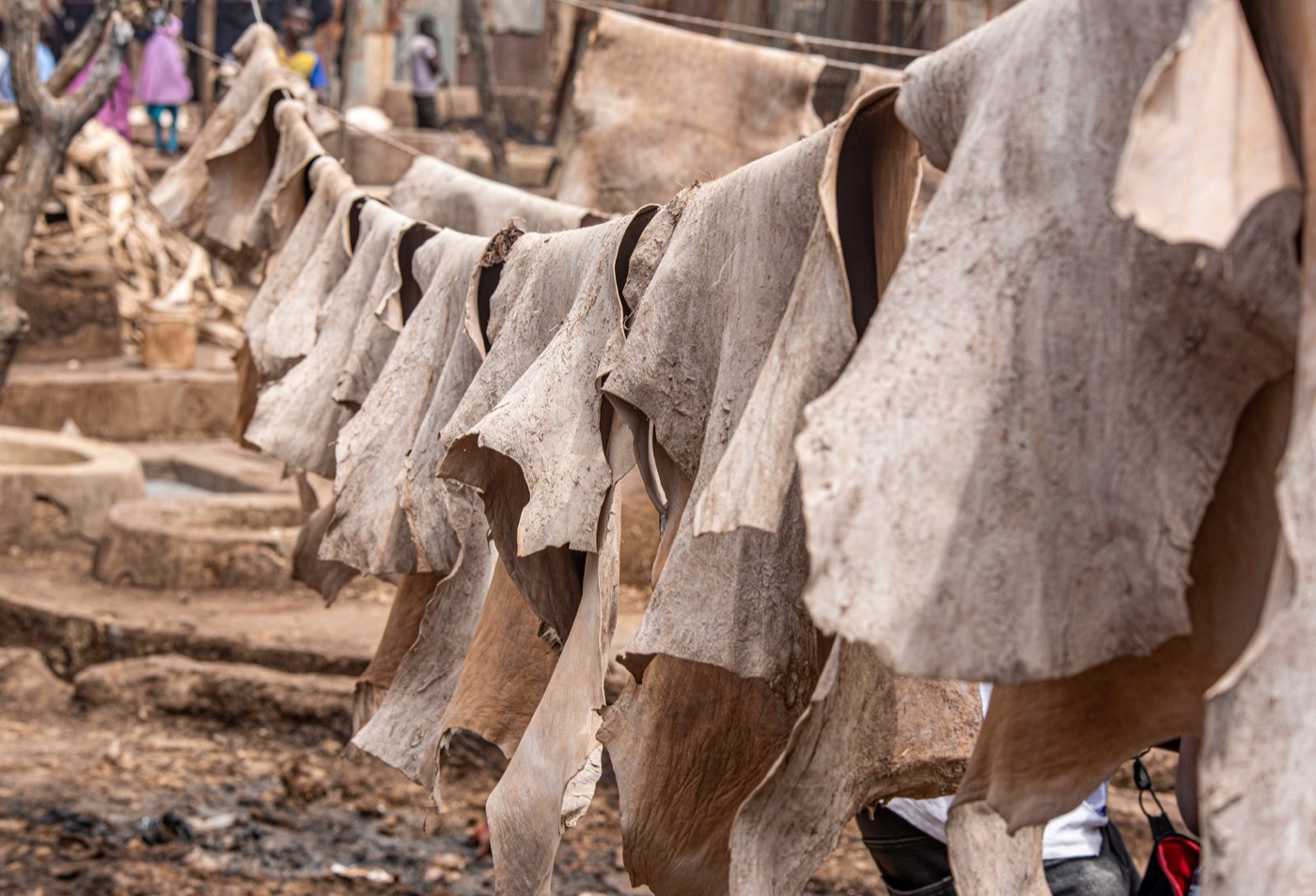
A raw hide is a skin: collagen fibres in a web, with hair on one side and flesh on the other, and it will rot in days. Tanning is the chemistry that stops it rotting, by binding a tanning agent to the collagen so that the fibres no longer break down, and it has been done with tree bark for several thousand years and with chromium salts for about a hundred and fifty.
The hide arrives salted, because salt is how it was kept between the slaughterhouse and the tannery, and it goes through a chain of baths that each remove something or add something.
| Stage | What it does | Water and chemicals |
|---|---|---|
| Soaking | Rehydrates the hide, removes the preserving salt | Water, and the salt goes out with it |
| Liming | Dissolves hair and loosens flesh | Lime and sodium sulphide; the sulphide smell |
| Fleshing and splitting | Mechanical removal of flesh, and splitting to thickness | Solid waste, rich in protein and fat |
| Deliming and bating | Removes the lime, softens the hide with enzymes | Ammonium salts |
| Pickling | Lowers the pH for tanning | Acid and salt |
| Tanning | Binds chromium, or vegetable tannin, to the collagen | Chromium sulphate, for most leather |
| Retanning, dyeing, fatliquoring | Colour, softness, feel | Dyes, oils, resins |
| Drying and finishing | Surface coats | Pigments, solvents, polymers |
Every wet stage is a drum or a pit full of liquid that is emptied to the drain when the stage is done. A tannery uses 15 to 40 cubic metres of water for every tonne of raw hide it takes in, with the best modern plants at the low end, and a tonne of hides yields around 250 kilograms of leather. The rest, half the weight of the hide, leaves as solid waste, and the water leaves carrying everything the baths dissolved.
What the water carries
The effluent of a tannery is the textile effluent of the earlier industry article with three things added, and each one is a separate problem for the plant that receives it.
| In the effluent | From | The problem |
|---|---|---|
| Salt | The preserving salt, soaked out | Dissolved, and nothing removes it cheaply |
| Sulphide | The liming bath | Toxic, and releases hydrogen sulphide gas if the water turns acid |
| Lime and high pH | Liming | Alkaline at the pipe |
| Chromium | The tanning bath | A metal that must be precipitated and removed as hazardous sludge |
| Organic load, hair, flesh, blood, fat | Soaking, liming, fleshing | COD many times that of sewage |
| Ammonia | Deliming | Toxic to fish, and consumes oxygen |
| Suspended solids | Everywhere | Hair and lime, in quantity |
Sulphide is the one that kills people. The liming bath is alkaline, and sulphide in alkaline water stays dissolved and relatively safe; the pickling bath is acid, and if the two drains meet, the sulphide comes out of solution as hydrogen sulphide gas, which is lethal at concentrations that cannot be smelled because it deadens the nose first. Tannery workers and drain cleaners have died of it in every tanning district on Earth, and the first rule of a tannery's drainage is that the liming water and the pickling water never meet before the sulphide has been oxidised.
Chromium is the one that lasts. Trivalent chromium, the form used in tanning, is far less toxic than the hexavalent form that made Erin Brockovich's name, and most of it stays in the leather. The share that does not, in the spent tanning bath and in the shavings and trimmings, has to be precipitated out of the water with lime and removed as a sludge that is hazardous waste, and in districts without treatment it goes to the river and the groundwater, where it is found for decades afterwards. Chromium in the wells of Kanpur and Ranipet is the tanning industry's lasting mark.
Where the tanneries went
For most of the twentieth century the world's leather was tanned in Europe and North America, in districts like Northampton, the Vale of Arno and Wisconsin's Fox River, and the effluent went to rivers that were, by the 1970s, dead below the tanneries. Regulation arrived, treatment was built, and much of the industry moved instead, to the countries that had the hides, the labour and, for a time, no rules.
The districts it moved to became, one after another, among the most polluted places in the world. Kanpur, on the Ganges in Uttar Pradesh, with several hundred tanneries discharging into the river that a billion people regard as sacred. Hazaribagh in Dhaka, where around two hundred tanneries in a crowded neighbourhood sent their raw effluent through open drains into the Buriganga river, and which a 2013 survey placed among the ten most polluted sites on Earth. Ranipet in Tamil Nadu, where decades of chromium waste left a plume in the groundwater. Fez in Morocco, whose medieval tanning vats are a tourist attraction and whose river is not.
The plant, and whether it runs
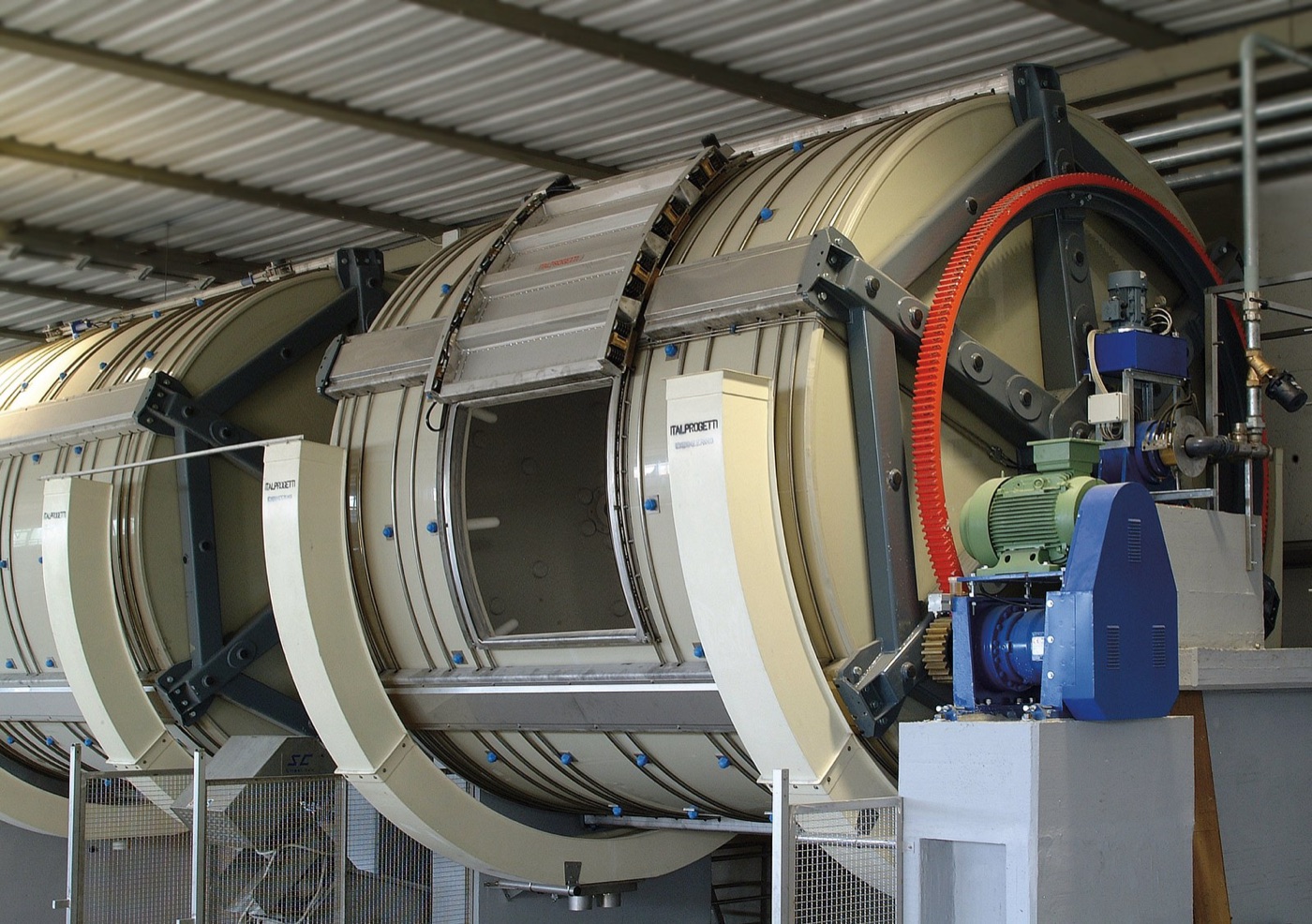
The technology to treat tannery effluent is well understood, and it is a sequence of the steps described across the Plain Water series, in a particular order. Sulphide is oxidised first, by aeration or chemicals, so that the gas can never form. The alkaline and acid streams are then balanced, chromium is precipitated with lime and settled out as sludge, the organic load is fed to bacteria in an aeration tank, and the water is settled and, if it is to be reused, passed through membranes that leave the salt in a brine. Tanneries are mostly small and clustered, so the usual arrangement is a common effluent treatment plant, a CETP, serving a whole district, fed by a network of drains and paid for by the tanneries it serves.
Whether the plant runs is the question, and it is the same question the ETP article asked of every industry. A tannery's treatment produces nothing to sell, costs money every hour, and in a district of two hundred small firms the incentive for any one of them to pay its share is weak. Kanpur has had a common plant since the 1990s, chronically overloaded and intermittently operating, and the Ganges below the city has been the measure of it. India's courts have closed the Kanpur tanneries repeatedly, most recently for months at a time during the river's festivals.
Bangladesh tried the largest experiment. In 2017, after years of orders from its courts, the government forced the entire Hazaribagh tanning district to move, some thirty kilometres, to a new industrial estate at Savar with a central effluent treatment plant built for it. The move happened; the tanneries closed in Hazaribagh and reopened in Savar. The plant, by the accounts of the environmental audits that have followed, has struggled to treat the load it receives, and the river beside the new estate has shown it. It is a case where the technology, the estate and the regulation all exist, and the running of the plant is the part still being worked out, which is the pattern of this whole series.
| The tanning districts | The problem | The response |
|---|---|---|
| Kanpur, India | Raw and part treated effluent to the Ganges | A common plant since the 1990s; repeated court closures |
| Hazaribagh, Dhaka | Open drains to the Buriganga; among the world's worst sites | The whole district moved to Savar in 2017, with a central plant |
| Ranipet, India | Chromium in the groundwater | Remediation, and a common plant |
| Vale of Arno, Italy | The same problems, fifty years earlier | Common plants, regulation, and a modern industry |
Cleaner production
A tannery can cut its effluent before it builds a plant, and the industry's own guidance lists the changes, most of which are old and a few of which are spreading.
Hides can be preserved by chilling rather than salting, which removes the largest single source of salt from the effluent, where the cold chain exists to do it. Hair can be removed without dissolving it, by a process that loosens the root and lets the hair be filtered out as a solid, which cuts the sulphide and the organic load of the liming bath by half. Spent chrome liquor can be collected, treated and reused for the next batch, so that most of the chromium goes round rather than out. Baths can be run at lower volumes, floats in the industry's term, and rinses counted, as in every wet industry on this site. A tannery that does all of these uses half the water and sends a fraction of the load of one that does none, and the audits that the brands require score exactly these things.
What the brands changed
The pressure that has moved the industry furthest has come from its customers rather than its regulators. The shoe and handbag brands whose names are on the finished product audit their tanneries through an industry scheme, the Leather Working Group, whose protocol scores a tannery on its water use, its effluent, its chromium handling and its energy, and which the brands increasingly require of their suppliers. A tannery that wants the orders of a European or American brand shows its treatment plant's results before it shows its prices, and the districts that have improved fastest are the ones that supply those brands. It is the same mechanism the textile article described, and it works for the same reason: the plant's electricity bill is harder to fake than its certificate.
Where the water in a pair of shoes went
The article on leather shoes gave the footprint of a pair as about 8,000 litres and found that 97 percent of it was the animal's feed, mostly rain, and 2 percent was the tannery. This article is about the 2 percent, because that small share is where the water is damaged rather than merely used. A pair of shoes from a tannery whose plant runs carries a small, treated effluent and a bag of chromium sludge sent to a licensed site. A pair from a district whose plant does not carries a share of a river. The number does not distinguish them. The smell, on the day I first walked into Hazaribagh, did.
Sources
- UNIDO (2011). Introduction to treatment of tannery effluents. Process description, water use of 15 to 40 cubic metres per tonne, effluent composition, cleaner production options.
- Blacksmith Institute and Green Cross (2013). The World's Worst 2013: the top ten toxic threats. Hazaribagh, Dhaka, among the most polluted places on Earth.
- Central Pollution Control Board (India) and the Ganga Action Plan: Kanpur tannery cluster and its common effluent treatment plant.
- Reporting on the 2017 relocation of Dhaka's tanneries from Hazaribagh to the Savar tannery estate and its central effluent treatment plant.
- Leather Working Group audit protocol: water use, effluent and chromium management standards for tanneries.
- Photographs: Cesar Chu Ortega, from tanneries in Bangladesh and India; inline: PPH Drum by Tickettofly (CC BY-SA) via Wikimedia Commons; inline: LOCAL TANNERIES- The process of making animal skins that have been stripped and then taken through the tanning process to the leather then it can be used to make items like footwear, handbags, furniture, etc1 by SMMIMAGES (CC BY-SA) via Wikimedia Commons.