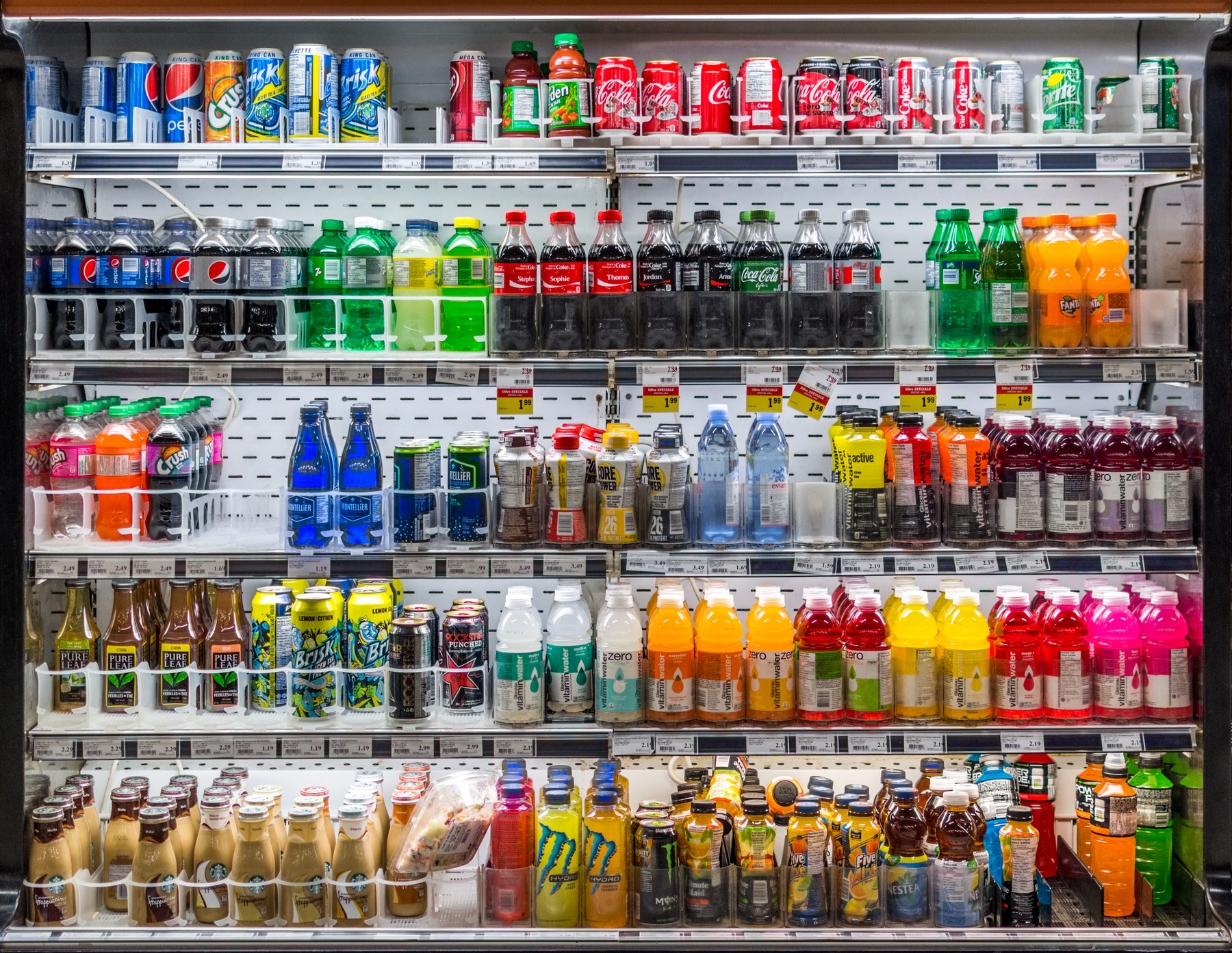
Thirsty Industries: Food and beverage
Europe's largest manufacturing sector is also one of its heaviest industrial users of water, and most of that water never touches the food. It goes on cleaning. How a food factory uses water, why it cannot simply use less, and how the washing up ended up heating the building.
Cook one dinner and look at the sink afterwards. The colander, the pans, the board covered in peel, the water going brown in the bowl. Almost none of that water went into the food. It washed the food, and then it washed everything the food had touched. A food factory is the same sink, except that it never stops, it handles tonnes an hour, and the hygiene rules are written by law.
Food and beverage is a bigger industry than most people picture, and its water is stranger than most people expect. This article is about where it goes.
Bigger than it looks
The industry is made of things that do not seem to belong together: dairies, breweries, bottling plants, bakeries, meat plants, canneries, sugar mills, crisp factories, coffee roasters, juice pressers. Added up, in Europe, they are the largest manufacturing sector there is, larger than cars or chemicals, by turnover and by the number of people employed. They are also, together, one of the heaviest industrial users of water anywhere, because nearly everything they do is wet.
| What the water actually does in a food plant | |
|---|---|
| Washes the raw food as it arrives | Soil, leaves, blood, the field |
| Cleans the machines between batches and shifts | The largest share |
| Cools things down | Condensers, chillers, cooling tunnels |
| Raises steam | Cooking, peeling, sterilising |
| Becomes part of the product | A small share, in drinks and little else |
Only a small part of the water a food plant takes in ends up in something anyone eats or drinks. A one litre bottle of soft drink typically takes about two litres of water to produce, and most of the second litre went on the line rather than into the bottle. In a dairy, the cleaning can use more water than the volume of milk that passed through.
The machines wash themselves
Somewhere between half and two thirds of a food plant's water goes on cleaning, and the way it is done has a name that everyone in the industry knows and almost nobody outside it does: cleaning in place, or CIP.
A dairy, a brewery or a juice plant is a closed system of tanks, pipes, pumps and fillers, and taking it apart to wash it after every batch would be impossible. Instead the system washes itself. Between batches, an automated sequence pumps rinse water through every tank and line, then hot caustic to strip fat and protein, then a rinse, then acid to remove mineral scale, then a rinse, then a sterilant, then a final rinse, each cycle timed and logged. The plant runs the sequence several times a day, and each run sends hundreds or thousands of litres of water through pipework that never sees the product. It is the single largest use of water in most of the industry.
One potato, on its way to becoming crisps
The journey of a single vegetable through a factory shows the pattern.
| Stage | Water |
|---|---|
| Arrives covered in field soil | First wash |
| Peeled with steam | Condensate |
| Sliced, then rinsed for starch | Second wash |
| Fried, cooled, and the line cleaned at the end of the shift | Final wash |
A crisp factory receives potatoes still wearing the field, so the first thing that happens is a wash. Then they are peeled with steam, which condenses to water. Then they are sliced, and the slices are rinsed to take off the loose starch that would otherwise make them stick and brown unevenly. Then they are fried, in oil, and cooled, and at the end of the shift the whole line, slicers, fryer, conveyors and floor, is washed down. The potato met water four times, and only the frying was about the potato.
Nobody can simply wash less
The constraint that makes this industry different from textiles or paper is that its water cannot be cut by washing less. When the product is food, hygiene is not a place to economise, and the rules that govern it, from national food safety law to the standards that supermarkets impose on their suppliers, are not negotiable. A dye house can decide to rinse fewer times and accept a small loss of quality. A dairy cannot.
So the industry got clever in another direction, and the cleverest trick is the simplest one. Water is used in order of cleanliness. The final rinse of a clean tank, which is barely dirty, is captured and used as the first rinse of the next dirty one. The water that washed the sliced potatoes, carrying a little starch, goes on to wash the soil off the incoming potatoes, which do not mind. Cooling water that never touched anything is used again for the first wash. A well designed plant cascades its water from the cleanest job to the dirtiest, so that each litre does two or three jobs before it leaves, and the savings come from sequencing rather than from washing less.
The bottling plant
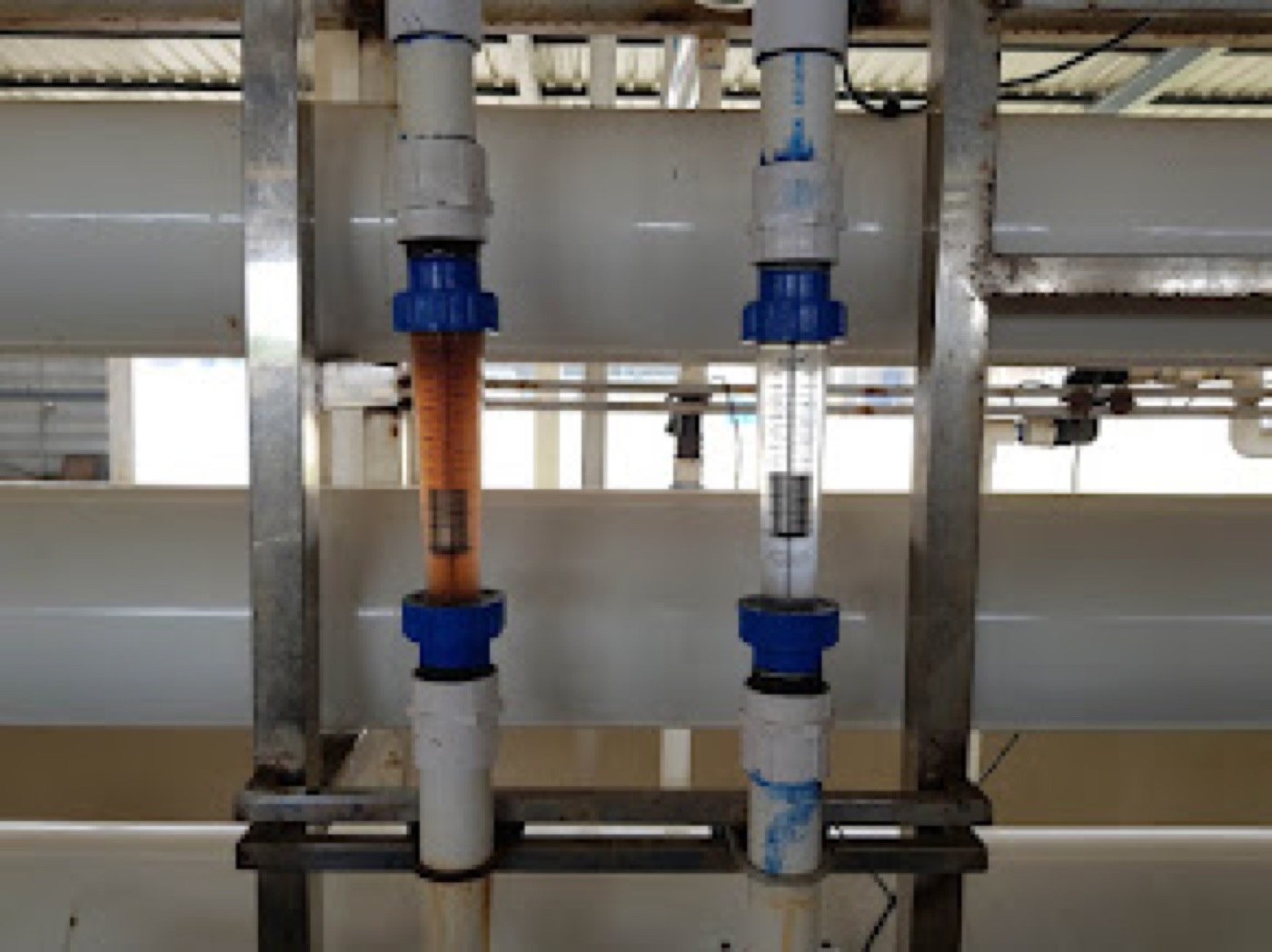
The beverage side of the industry is the part that reports its water most publicly, and it has a simple ratio to report: litres of water taken in per litre of drink sent out. For a soft drink bottler the ratio is typically around two, and the large companies publish theirs annually and compete to lower it. The drink itself is one litre of the two. The rest rinses the bottles or cans before filling, washes the returnable ones, cleans the syrup tanks and filling lines between flavours, cools the product, and feeds the boilers.
The bottlers have driven the ratio down for a decade by the same means as everyone else in this article: sequencing the rinses, recovering the last rinse for the first, and treating and reusing the water from the bottle washers. What they cannot change is the litre inside the bottle, and where the plant is in a dry region that litre is a political question, since a bottling plant in a water short town takes from the same aquifer as the town. Several plants in India have been closed by local protest for exactly that reason. The ratio is the industry's answer, and the location is the argument it has not settled.
The slaughterhouse and the dairy
Two corners of the industry produce the hardest water of all.
A meat plant uses water everywhere: to wash carcasses, to scald and rinse, to sterilise knives and saws between animals in hot water at eighty degrees, to wash down floors that are hosed several times a shift. Its effluent carries blood, fat and fragments of tissue, and it is among the strongest and most unpleasant in the sector, treated first by skimming the fat, then by biology at a scale that the plant's size rarely suggests.
A dairy's water is cleaner and its problem is volume. Milk arrives in tankers, is pumped through pasteurisers and separators and into silos, and every metre of that pipework is cleaned in place, several times a day. The effluent is dilute milk, which sounds harmless and is not: it is food for bacteria, and a dairy that lets one percent of its milk go down the drain sends a load to its treatment plant many times that of a town of the same size. The whey from cheesemaking, once poured into rivers and responsible for some of the worst pollution in dairying regions, is now dried into protein or digested for gas, which is the clearest single example in the industry of a waste turned into a product.
The insider number
The water that leaves a food plant is, by the industry's own measure, some of the dirtiest water there is, and it is dirty in the way that food is: full of things that bacteria want to eat.
The measure is chemical oxygen demand, the figure explained in the Plain Water series, which counts how much oxygen it would take a river to break down what is in the water. Raw sewage sits around 500 milligrams per litre. The spent wash from a distillery, the liquid left after the alcohol has been distilled off, can reach 100,000. Dairy effluent, brewery effluent and the water from a fruit processor all sit far above sewage, because milk, sugar and juice are concentrated food and sewage is mostly water.
| Effluent | COD, mg/L |
|---|---|
| Raw sewage | about 500 |
| Brewery, dairy, fruit processing | Thousands |
| Distillery spent wash | Up to 100,000 |
A food plant's treatment works is therefore sized like a small town's, and for decades that made the industry an expensive customer of the local sewage system, paying by the kilogram of load it sent.
Food waste is fuel
The strange thing about a nourishing effluent is that it is also a fuel, and the industry has learned to treat it as one.
Sugar, starch, milk and yeast, fed into a sealed tank with no oxygen, are eaten by a different set of bacteria from those in an aerated treatment plant, and what those bacteria give off is biogas, roughly two thirds methane. Breweries, dairies, sugar mills and distilleries increasingly run their own anaerobic digesters for exactly this purpose, burning the gas in their boilers to raise the steam that cooks and cleans. The dirtier the water, by the industry's measure, the more gas it gives, and a distillery's spent wash, the strongest effluent in the table above, is also the richest fuel. The washing up ends up heating the kitchen.
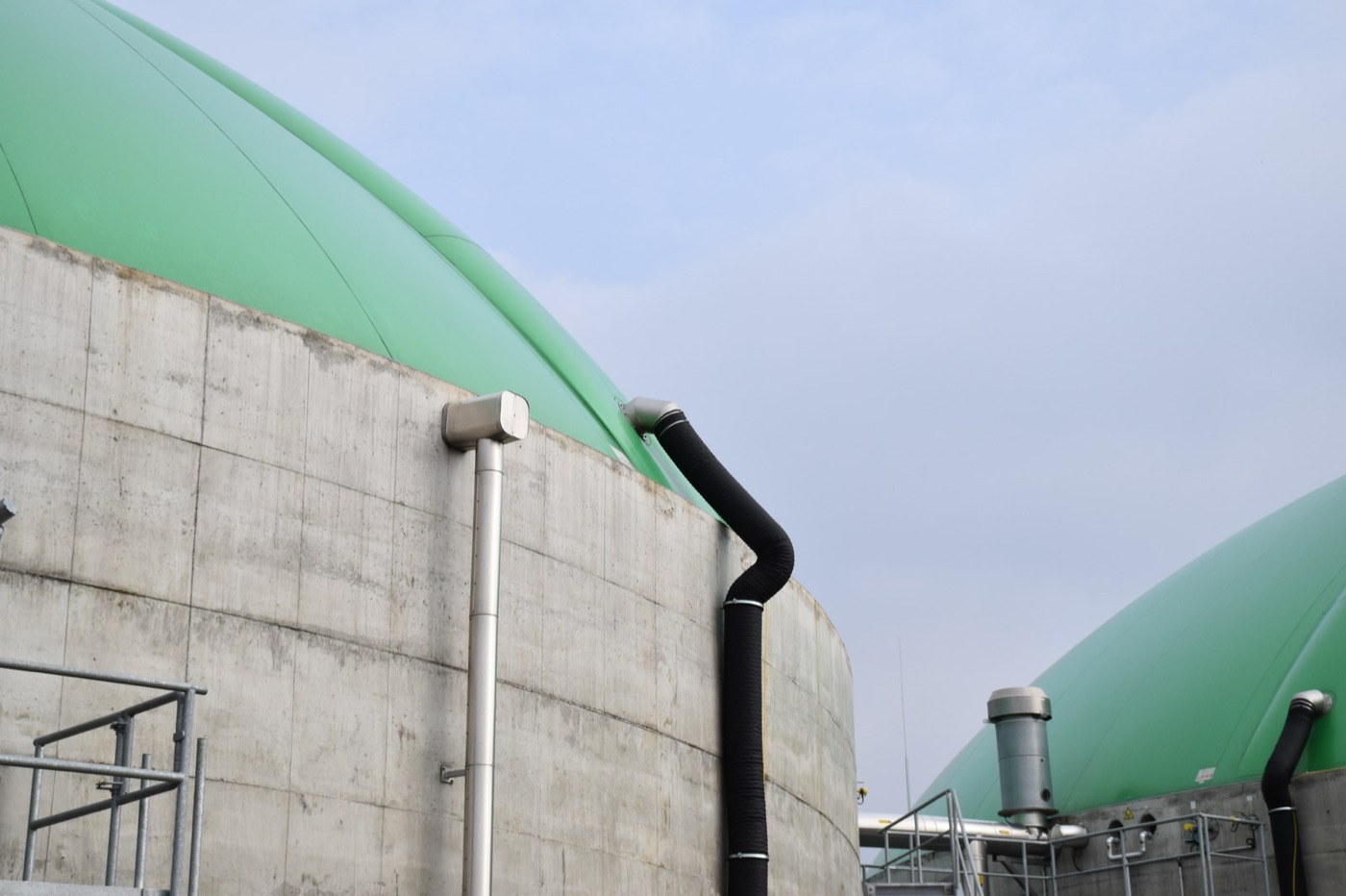
What comes out of the digester still has to be finished in a conventional aerated stage before it can go to a river, and the sludge from both has to go somewhere, as it does at every plant. But the arithmetic has changed. An effluent that was a cost is now, in part, an energy supply, and the food industry, which cannot wash less, has found its savings at the far end of the pipe.
The sink, again
Every food plant is the kitchen sink at industrial scale, and the water in it is doing what water in a kitchen does: washing what arrives, washing what cooked it, and carrying away what was left. The difference is that the factory counts every litre, sequences every rinse, and burns what it washed off to heat the next shift. It is one of the more ingenious corners of the water industry, and the ordinariness of the product, a bag of crisps, a bottle of milk, is why nobody sees it.
Sources
- FoodDrinkEurope, Data and Trends of the EU Food and Drink Industry. The largest manufacturing sector in the EU by turnover and employment.
- Published facility water studies and the European Commission BREF for the food, drink and milk industries: cleaning typically 50 to 70 percent of plant water use; soft drink production around 2 litres of water per litre of product.
- Typical effluent characterisation: distillery spent wash COD up to 100,000 mg/L; raw sewage around 500 mg/L.
- Photographs: opener: IGA store in Quebec, Limoilou 13 by Wilfredor (CC BY-SA) via Wikimedia Commons; Cesar Chu Ortega, from food and beverage plants and their treatment works; inline: GASAG Biogas plant in Schwedt (069) by Vasyatka1 (CC BY-SA) via Wikimedia Commons.