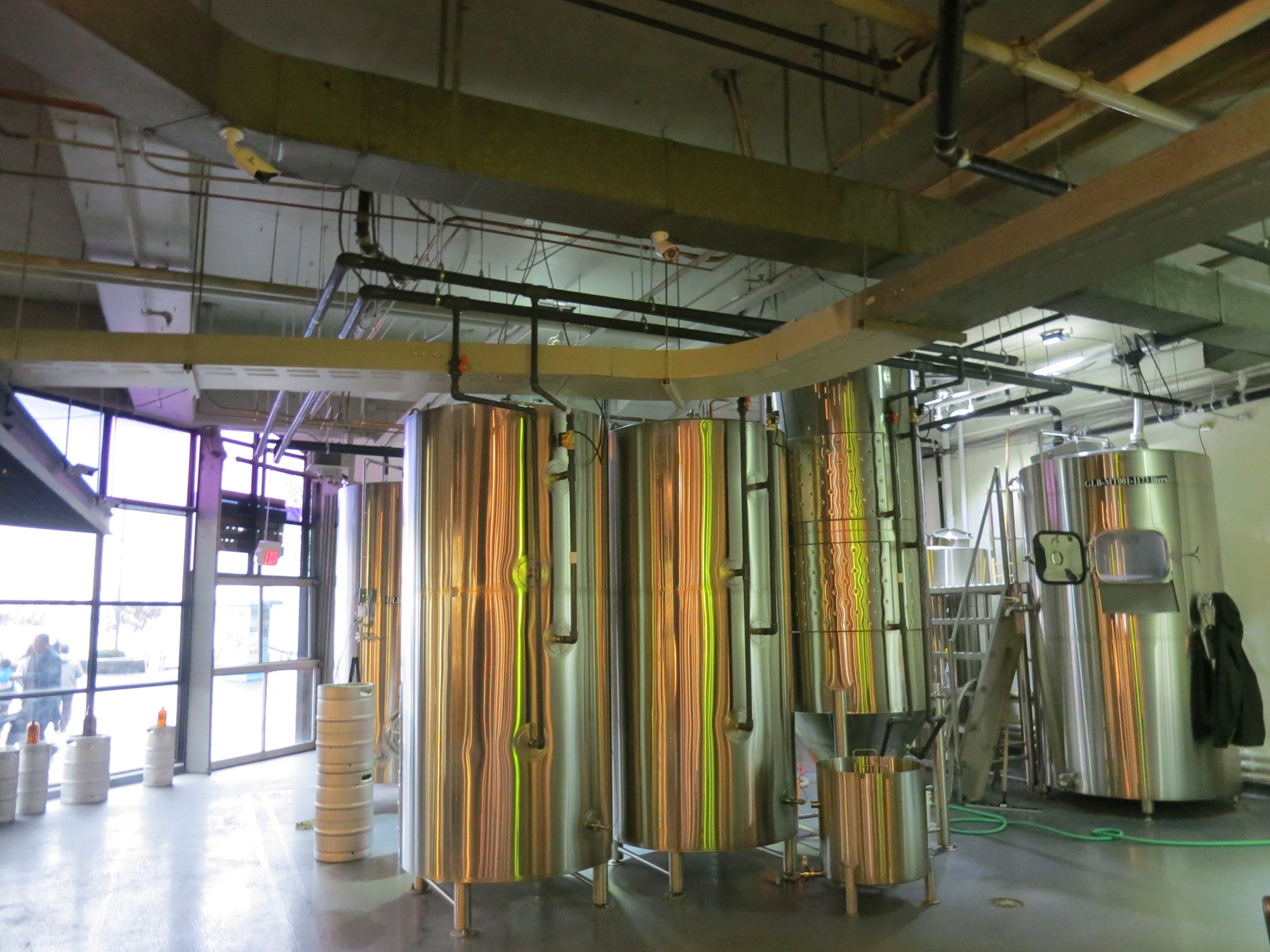
Thirsty Industries: Breweries
A brewery uses about three litres of water for every litre of beer it makes, down from six a generation ago, and the barley in the beer carries a hundred times that. What a brewery does with water, where the three litres go, what leaves the plant and why a treatment works dislikes it, why the world's largest brewers have set water targets before anyone asked, and what happened when a city in the Mexican desert voted on whether a brewery could have its water.
The beer article on this site counts the water in a glass and finds it in the barley field: about three hundred litres for a litre of beer, almost all of it rain on a cereal crop in Europe, Canada or Australia. This article is about the building where the beer is made, which uses about three litres of water for every litre it sends out, and which is on this site for the reason every industry article is: the three litres are the water a town notices, and the water that leaves the plant is the kind a river notices most.
A brewery is a food factory that makes a sugar solution from grain, ferments it, and cleans everything, and its water goes into those three things in roughly equal measure.
Where the three litres go
About one litre of the three is in the beer, or was. Malted barley is mashed in hot water to dissolve its sugars, the sweet liquid is drained off, boiled with hops, cooled and fermented, and the water that went into the mash is the water in the glass, plus what evaporated in the kettle and what stayed in the spent grain. Another litre, roughly, is cleaning: every tank, pipe, filler and floor in the plant is washed between batches with hot water, caustic and acid, in the cleaning in place cycles that the pharmaceutical and food articles on this site describe, because beer is a growth medium for anything that reaches it and a brewery's enemy is a bacterium. The third litre is cooling and the rest: the wort has to be cooled from boiling to fermenting temperature in minutes, the fermenters and the cellars are chilled, the bottles and cans are pasteurised in hot water sprays and rinsed, and the boilers that make the plant's steam need feed water and blow down.
A generation ago the total was six or seven litres, and the fall to three came from the plain measures every industry article on this site lists: reusing the last rinse of one cycle as the first rinse of the next, recovering the cooling water, catching the pasteuriser's overflow, and metering every line so that the losses could be seen. The best plants in the world, in Europe, Latin America and Africa, are at two and a half or below, and the arithmetic below that gets hard, because a litre of beer needs a litre of water and the cleaning cannot be skipped.
| Water in a brewery, per litre of beer | Litres |
|---|---|
| In the beer and the process | About 1 |
| Cleaning | About 1 |
| Cooling, pasteurising, boilers, the rest | About 1 |
| Total, typical modern plant | About 3 |
| Best in class | About 2.5 |
| A generation ago | 6 to 7 |
| The barley and hops, for comparison | About 300 |
What leaves the plant
The effluent of a brewery is sweet. It carries the spent yeast, the last of the wort from every tank, the beer lost in filling, the caustic and acid of the cleaning, and the sugar and protein dissolved from the grain, and its oxygen demand, by the BOD measure the article of that name explains, is about a thousand to fifteen hundred milligrams a litre, three to four times raw sewage, in a warm stream whose pH swings from the caustic rinse to the acid one within the hour. A sewage works can take it, and charges by strength to do so, and a brewery that sends its effluent to the sewer pays for its BOD at a rate that makes a treatment plant of its own worth building above a certain size. The larger breweries run anaerobic digesters, which turn the sugar into methane that fires the boilers, and the largest run the full sequence the effluent article describes and discharge to a river.
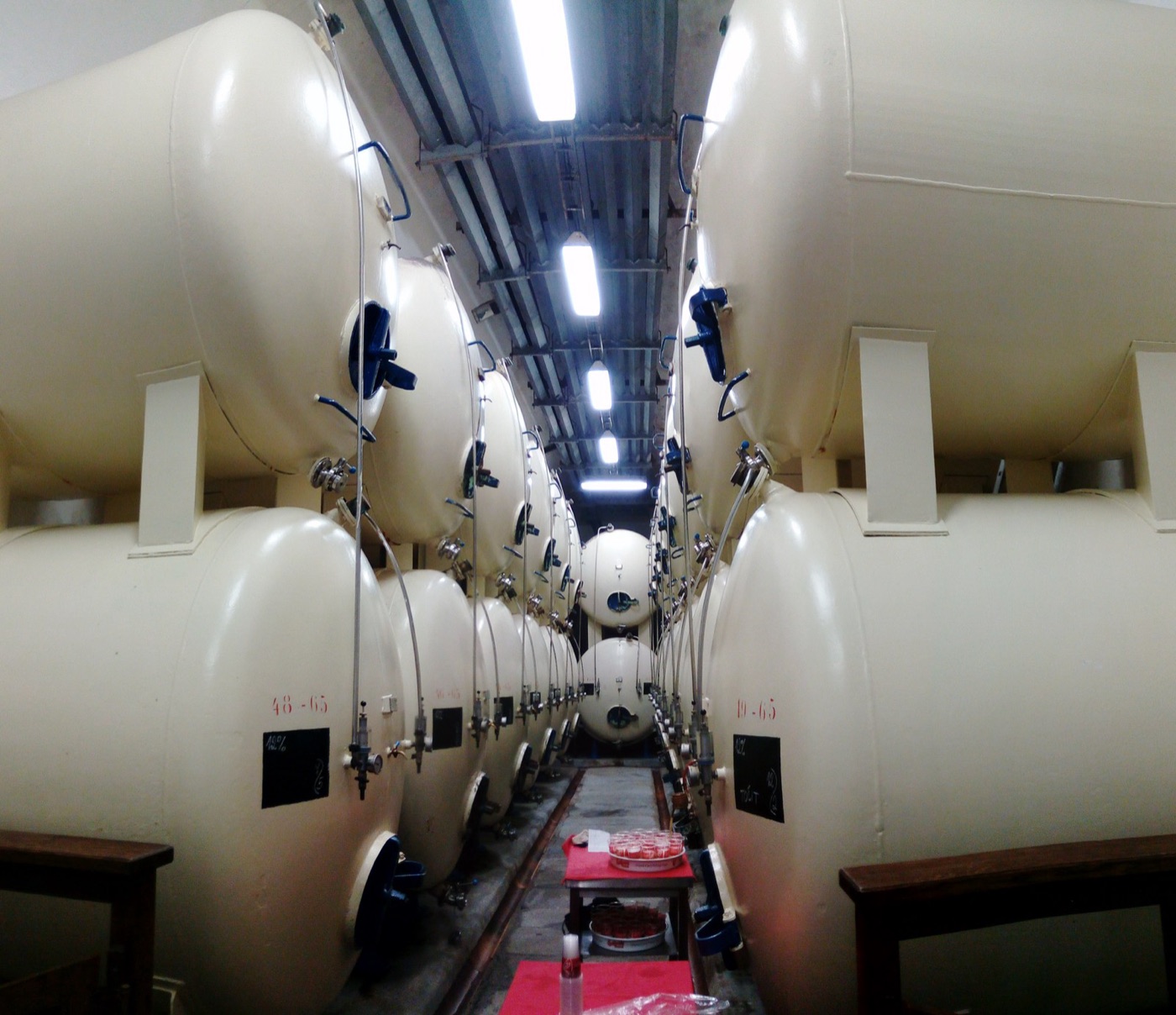
The solids are worth more than the water. Spent grain, the husks and protein left after the mash, is about twenty kilograms for every hundred litres of beer, and it goes to cattle feed wet or is dried for the same; the spent yeast goes to yeast extract, which is the flavour in a jar of savoury spread, and to animal feed; and the hop residue goes to compost. A brewery that sends its grain and yeast out as product rather than down the drain has removed most of the oxygen demand from its water before treating any of it.
| A brewery's effluent | |
|---|---|
| Oxygen demand | 1,000 to 1,500 mg/L, three to four times sewage |
| pH | Swinging from caustic to acid with the cleaning cycles |
| Temperature | Warm |
| Treatment | Anaerobic digestion at large plants; the sewer at small ones, charged by strength |
| Spent grain | About 20 kilograms per hectolitre; to cattle feed |
| Spent yeast | To yeast extract and feed |
Where breweries are
A brewery is built near its market, because beer is mostly water and water is heavy to ship, and the largest brewers have plants in every large city they sell in. That puts breweries in every dry city on this site: in Mexico's northern deserts, in Johannesburg, Nairobi and Lagos, in Chennai and Bangalore, in Phoenix and Las Vegas. A large plant uses a few million litres of water a day, which is the water of a town of twenty or thirty thousand people, and it draws it, in most of the world, from the town's supply or from its own wells in the same aquifer. In an ordinary year that is a large customer. In a drought it is a brewery making beer while the suburbs are rationed, which is a story a local newspaper writes in an afternoon.
The brewers know this, which is why the three largest in the world publish their water ratios plant by plant and set lower targets for the plants in stressed basins, and why they have paid, in Mexico, India and South Africa, for the watershed work, the leak repairs and the rainwater schemes that keep the town's supply and their licence intact. It is the cheapest insurance in the industry.
Mexicali
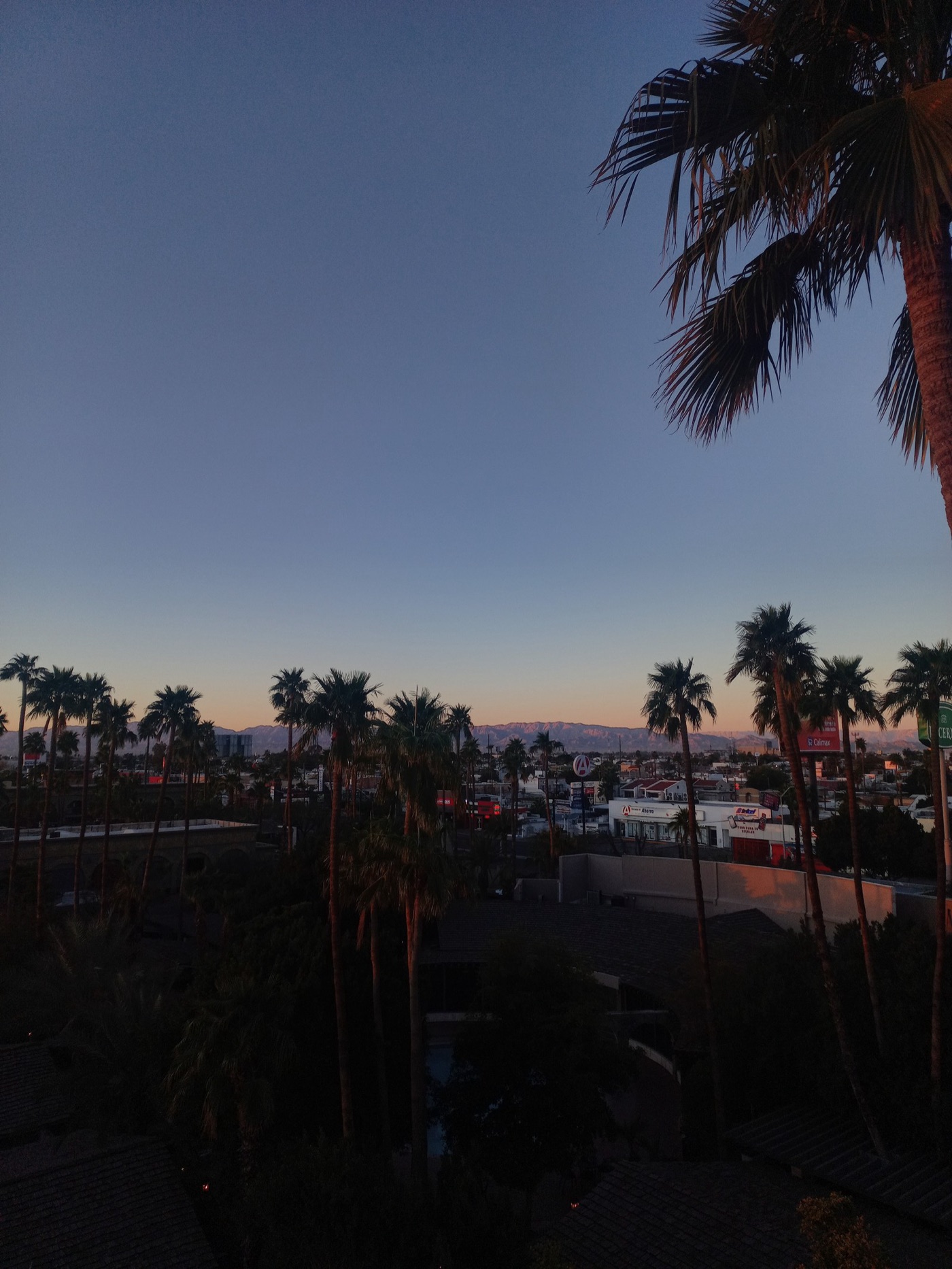
In 2016 an American drinks company began building a brewery at Mexicali, in the desert of Baja California on the United States border, to make beer for export north, with a permitted draw of about twenty million litres a day from the aquifer that the city and the irrigated farms of the Mexicali valley also use. The valley's water comes from the Colorado, which the Las Vegas and Phoenix articles on this site describe as a river already spoken for, and the farmers and the city's activists argued for four years that the brewery's water would come out of theirs. In March 2020, with the plant about seventy percent built, the federal government held a public vote, and seventy six percent of those who voted said no. The permits were cancelled, the company wrote off the plant and moved the project to a wetter state in the south, and the tanks stood in the desert.
The lesson the industry drew was the one this article is about. The brewery's water was three litres a litre, a modest figure by the standards of this site, and it was the figure that decided whether the plant could exist, because it was the town's water and the town could see it.
The craft brewery
The small brewery, which has multiplied across every rich country in the last twenty years, uses more water per litre than the large one, often five to ten, because the equipment is small, the cleaning is the same, the batches are short and the losses between them are a larger share. A brewery making a few thousand litres a week is a small user in a town and a large one in a village, and its effluent goes to the sewer at a strength the works notices, which is why the craft brewers' associations publish water guides and why the local utility, in a town with a dozen small breweries, has begun to charge them by strength. The best small brewers have learned the large ones' habits: the last rinse reused, the spent grain to a farmer, the yeast to a baker, and a meter on the incoming main so that the ratio is known. The ones that have not are at eight litres a litre and do not know it.
The water in the beer
The water that goes into the beer is chosen, and brewers have always known that the town's water made the town's beer: the hard, sulphate rich water of Burton made pale ale, the soft water of Pilsen made the lager that copied it, and the carbonate water of Dublin made stout. A modern brewery takes the town's water, strips it by reverse osmosis to almost nothing, and adds back the salts that the style needs, so that a lager brewed in Lagos can match the one brewed in Amsterdam, and the reverse osmosis rejects a quarter of what it takes in, which is part of the three litres. The water article that the beer is famous for, in other words, is now a recipe rather than a place.
What it teaches
Breweries are the industry on this site where the plant's water is a hundredth of the product's and the whole of the argument. The barley's three hundred litres are rain on a field somewhere else; the plant's three are the town's, drawn from its supply in the middle of it, and what leaves is a sweet warm stream that the town's works has to treat. The brewers have cut the three from six, count it plant by plant, and pay for the town's leaks, because Mexicali showed what happens to a plant that does not.
Three litres a litre, three hundred in the barley, and a vote in the desert that stopped a brewery three quarters built.
Sources
- Beverage Industry Environmental Roundtable (BIER), Water Use Benchmarking in the Beverage Industry, 2023: brewery water use ratio median about 3.0 litres per litre; best in class about 2.5.
- AB InBev, Heineken and Carlsberg sustainability reports 2023: water use ratios of 2.5 to 3.2 litres per litre; targets at water stressed sites.
- European Commission, Best Available Techniques for the food, drink and milk industries: brewery water use 3 to 10 hectolitres per hectolitre; effluent BOD 1,000 to 1,500 mg/L.
- Government of Mexico, Consulta ciudadana de Mexicali, March 2020: 76.1 percent against the Constellation Brands brewery; the plant's permitted draw about 20 million litres a day.
- Mekonnen, M.M. and Hoekstra, A.Y. (2011). Water footprint of crops and derived crop products: beer about 300 litres per litre, almost all in the barley.
- Photographs: opener: Tanks at Green Leaf brewery by Ruth Hartnup (CC BY) via Wikimedia Commons; inline: Budweiser Budvar brewery, tanks 03 by Czeva (CC BY-SA) via Wikimedia Commons; inline: Amanecer en Mexicali by B.jars (CC BY-SA) via Wikimedia Commons.