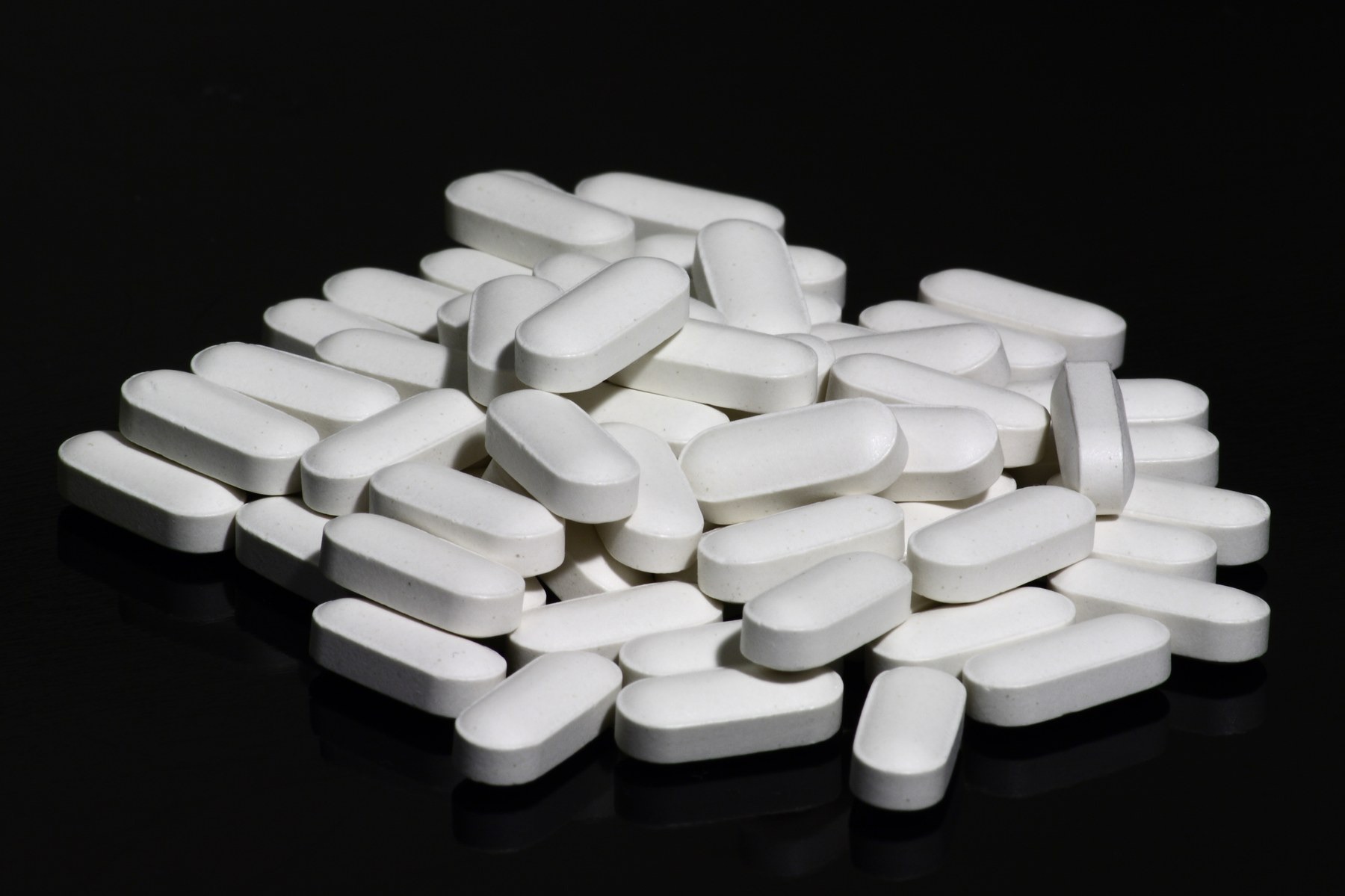
Thirsty Industries: Pharmaceuticals
A pharmaceutical plant makes two kinds of water before it makes anything else, one of them cleaner than anything a person will drink, and it sends out an effluent that carries the drug itself. What water for injection is, why a tablet factory in Hyderabad can put more antibiotic into a river than a hospital does, how the drugs get into rivers and taps everywhere, and what an industry built on purity does at its outfall.
Every pharmaceutical plant in the world begins with water. Before a tablet is pressed or a vial is filled, the plant has made, from the town supply or a well, a water that the pharmacopoeias define to the microgram: purified water, for the tablets and syrups, and water for injection, for anything that goes into a vein, which is distilled or passed through a chain of membranes until it carries almost nothing, and then held hot and moving in stainless steel loops so that no bacterium can settle in it. It is the ingredient that has to be perfect, and it is the largest thing the plant makes by weight.
This article is about the two ends of a pharmaceutical plant's water: the loop at the front, which is among the cleanest water on Earth, and the drain at the back, which in the districts where the world's antibiotics are made has bred the bacteria those antibiotics no longer kill.
Water as an ingredient
A pharmaceutical plant's water is graded, and the grades are law. Drinking water, which is the feed, is what a utility supplies and the plain water articles describe. Purified water is that, taken through softening, reverse osmosis and often electrodeionisation, to a conductivity near that of the ultrapure article's and a bacterial count near zero; it goes into tablets, creams, syrups and the cleaning of equipment. Water for injection is purer again, made by distillation or, since the pharmacopoeias allowed it in the 2010s, by a second membrane pass, and specified for endotoxin, the residue of dead bacteria that causes fever when injected, at a fraction of a unit per millilitre. It goes into every injectable and every vaccine, and into the final rinse of the vessels that make them.
The loop is the thing. Water for injection cannot sit; it is stored at over eighty degrees and circulated through the plant continuously, in polished steel pipe with no dead legs, sampled daily, and the plant's ability to prove that it did so is inspected, because a failure in the loop is a contaminated injection. The Legionella article describes what still water at forty degrees does; a pharmaceutical loop is the same physics turned the other way.
| A pharmaceutical plant's water | |
|---|---|
| Feed | Drinking water, from the utility or a well |
| Purified water | Softened, reverse osmosis, electrodeionisation; for tablets, syrups, cleaning |
| Water for injection | Distilled or double membrane; endotoxin controlled; for injectables and vaccines |
| The loop | Stored above 80 degrees, circulated continuously, no dead legs |
| Share of water used for cleaning | Often the largest, in cleaning in place between batches |
| Water per kilogram of active ingredient | Hundreds to thousands of litres, most of it cleaning |
Most of the water a plant uses, once the loops are made, goes into cleaning. Between batches every vessel, pipe and filler is washed with hot purified water and detergent, in a sequence called cleaning in place, and validated to prove that no trace of the last product remains. A plant making a dozen products a month cleans more than it makes, and the cleaning water is the effluent.
What is in the effluent
The drain of a pharmaceutical plant carries what the cleaning washed off: the residue of the last batch, which is the drug, along with solvents, detergents, the intermediates of the synthesis and, at a fermentation plant making antibiotics, the broth the organisms grew in. A plant that makes finished tablets from imported ingredient sends out a small stream of dilute drug. A plant that makes the active ingredient itself, by chemical synthesis or fermentation, sends out solvents, salts, a high organic load and a share of the product that, in the case of an antibiotic, is the problem of this article.
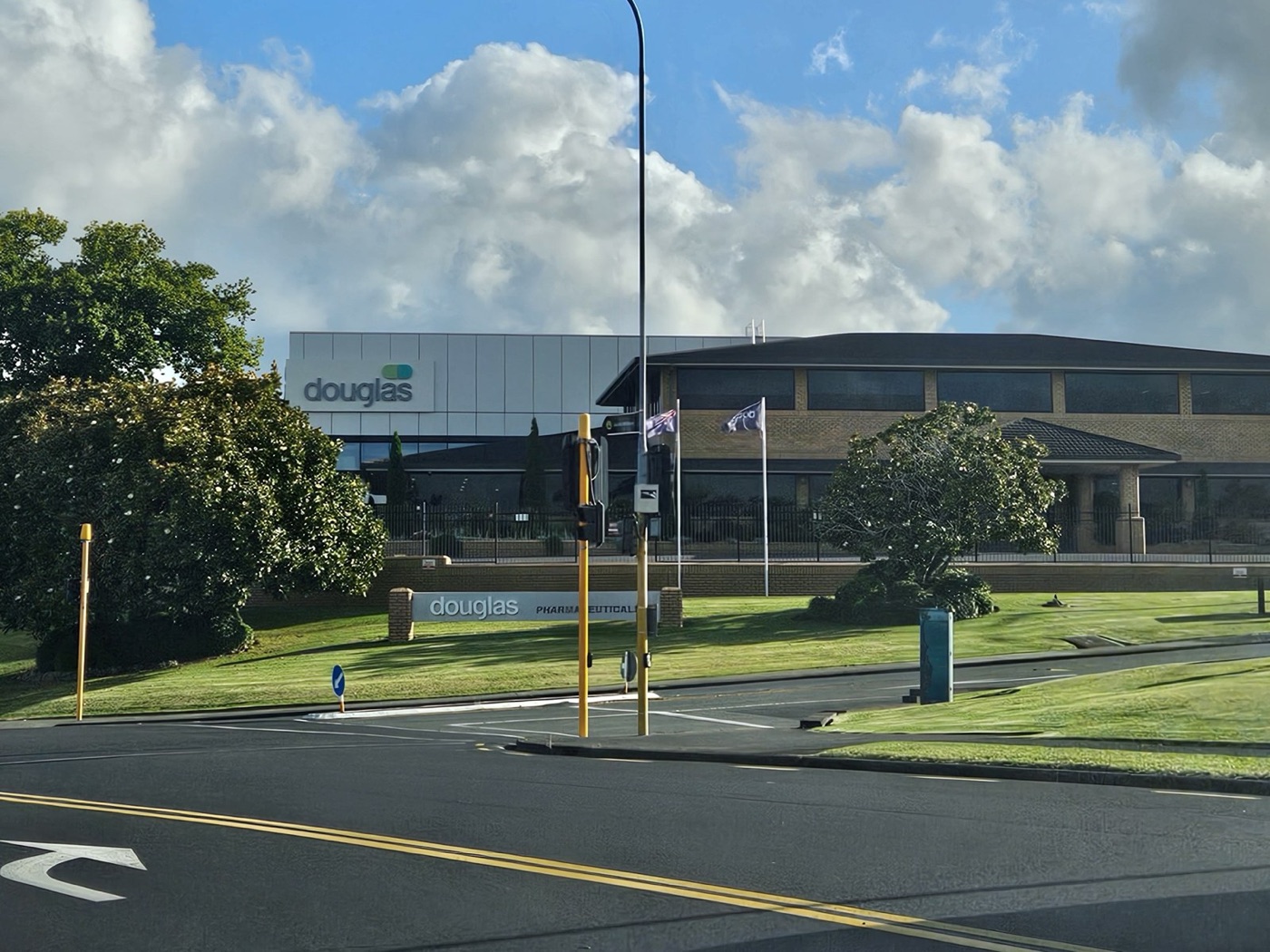
The world's bulk antibiotics are made, for the most part, in a few districts of India and China, and in 2007 a Swedish team sampled the effluent of a treatment plant serving ninety pharmaceutical factories at Patancheru, outside Hyderabad. They found ciprofloxacin, a common antibiotic, at 31 milligrams per litre in the treated effluent, which is a thousand times the concentration in the blood of a patient taking the drug, and a range of other antibiotics at levels no river had ever recorded. The lakes and wells around the plant carried it. The bacteria in them, sampled since, carry resistance genes at rates that have been traced, in later studies, into the clinics of the region and beyond.
The mechanism is the plain one. An antibiotic in water at a concentration too low to kill bacteria outright, which the later work put at a microgram or so per litre for many drugs, favours the bacteria that carry a gene for surviving it, and a river carrying the drug at a thousand times that level is a selection experiment run at the scale of a city. Resistance bred in a river below a factory does not stay in the river.
| Antibiotics in water | |
|---|---|
| Concentration in a patient's blood | Milligrams per litre |
| Below Patancheru, 2007, treated effluent | Up to 31 milligrams per litre of ciprofloxacin |
| Level at which resistance is selected, many drugs | Around 1 microgram per litre |
| Typical river below a sewage works, Europe | Nanograms to a microgram per litre |
| Industry discharge targets since 2018 | Around the selection level, plant by plant |
The drugs in everyone's river
The larger and quieter source is people. A drug taken as a tablet is excreted, in part unchanged, and goes to the sewage works, which was built for bacteria and organic matter and removes pharmaceuticals unevenly: some almost entirely, some barely at all. The largest survey to date, of 258 rivers in 104 countries published in 2022, found pharmaceuticals in every river sampled but two, with the highest levels in the rivers of cities with poor sewage treatment and in those below manufacturing, and painkillers, antibiotics, antidepressants and diabetes drugs among the commonest. Fish below sewage outfalls in Europe and North America carry the hormones of the contraceptive pill at levels that have feminised whole populations of males, which is the study that made the field.
The levels in a European tap are nanograms per litre, far below any dose, and the concern is chronic, on the fish and on the bacteria rather than on the person drinking. Switzerland became, in 2016, the first country to require its larger sewage works to add a stage, ozone or activated carbon, for exactly these compounds, and the European Union's revised urban wastewater directive of 2024 requires the same across the Union by the 2040s, paid for in part by the pharmaceutical and cosmetics industries under a producer responsibility rule that the industry contested and lost. It is the PFAS article's story in another chemistry: a treatment plant built for one century's contaminants retrofitted for the next's.
The water in the tablet
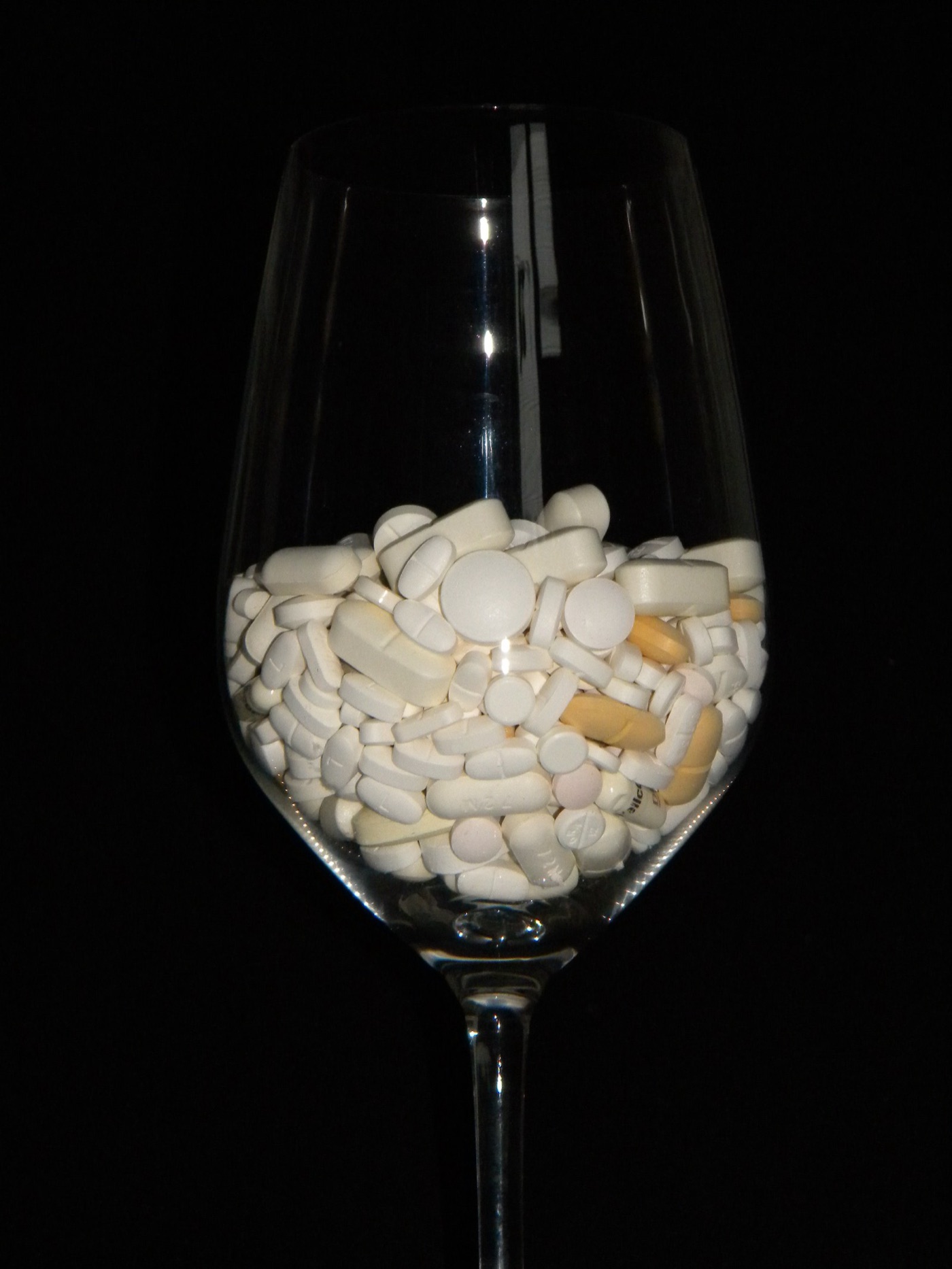
The footprint of a medicine, in the terms this site uses for a shirt or a steak, has rarely been counted and would be small. A tablet is a few hundred milligrams of active ingredient and filler, and the water to make it, purified water for the granulation and the cleaning of the press, is a few litres per thousand tablets at the plant, plus the water of the active ingredient's synthesis or fermentation, which for a fermented antibiotic is on the order of a few hundred litres per kilogram of drug, most of it the broth and the washing of the fermenters. A course of antibiotics carries, by that reckoning, a few litres of water, which is less than a cup of coffee. The pharmaceutical industry is on this site for what its water carries rather than for how much it uses, and the difference between a tonne of copper and a kilogram of ciprofloxacin is that the copper's water does its harm by volume and the drug's by concentration.
What the industry has done
Under the pressure of the Patancheru studies and the resistance argument, the antibiotic makers have moved faster than most industries on this site. An industry alliance published discharge targets in 2018, a concentration limit for each antibiotic at each plant's outfall set around the level that selects for resistance, and a manufacturing standard that requires the plants and their suppliers to treat to it, with audits. The better plants in India now run advanced oxidation and activated carbon on their effluent, and destroy their off specification product rather than draining it, and the buyers, the hospitals and health systems of Europe, have begun to write the standard into their tenders. The worse plants, and the effluent plants that serve clusters of them, have not, and the lakes of Patancheru are still what they were.
What it teaches
The pharmaceutical plant is the industry on this site with the largest gap between the water at its front and the water at its back. It makes, at enormous cost and under law, a water so pure that its purity is inspected, and it has sent out, at its drain, a water so laden with the drug it makes that the river became a breeding ground for the bacteria the drug was made to kill. The industry is closing that gap, plant by plant, under pressure from the people who buy its antibiotics. The sewage works that receive what the rest of us excrete are only now being asked to do the same.
One microgram a litre to breed resistance, and a river that carried a thousand times that below the plant.
Sources
- Larsson, D.G.J., de Pedro, C. and Paxeus, N. (2007). Effluent from drug manufactures contains extremely high levels of pharmaceuticals. Journal of Hazardous Materials 148. Ciprofloxacin up to 31 mg/L below Patancheru, Hyderabad.
- Bengtsson Palme, J. and Larsson, D.G.J. (2016). Concentrations of antibiotics predicted to select for resistant bacteria. Environment International 86.
- US Pharmacopeia, monographs for Purified Water and Water for Injection; European Pharmacopoeia 0169 and 0008.
- Wilkinson, J.L. et al. (2022). Pharmaceutical pollution of the world's rivers. PNAS 119. Sampling of 258 rivers in 104 countries.
- AMR Industry Alliance, Antibiotic manufacturing standard and discharge targets (2018, updated 2022).
- Photographs: opener: 500 mg calcium supplements with vitamin D by Ragesoss (CC BY-SA) via Wikimedia Commons; inline: Douglas Pharmaceuticals 20241230 183916 by Prosperosity (CC BY) via Wikimedia Commons; inline: Medicine cocktail tablets and pills in glass by Pöllö (CC BY) via Wikimedia Commons.