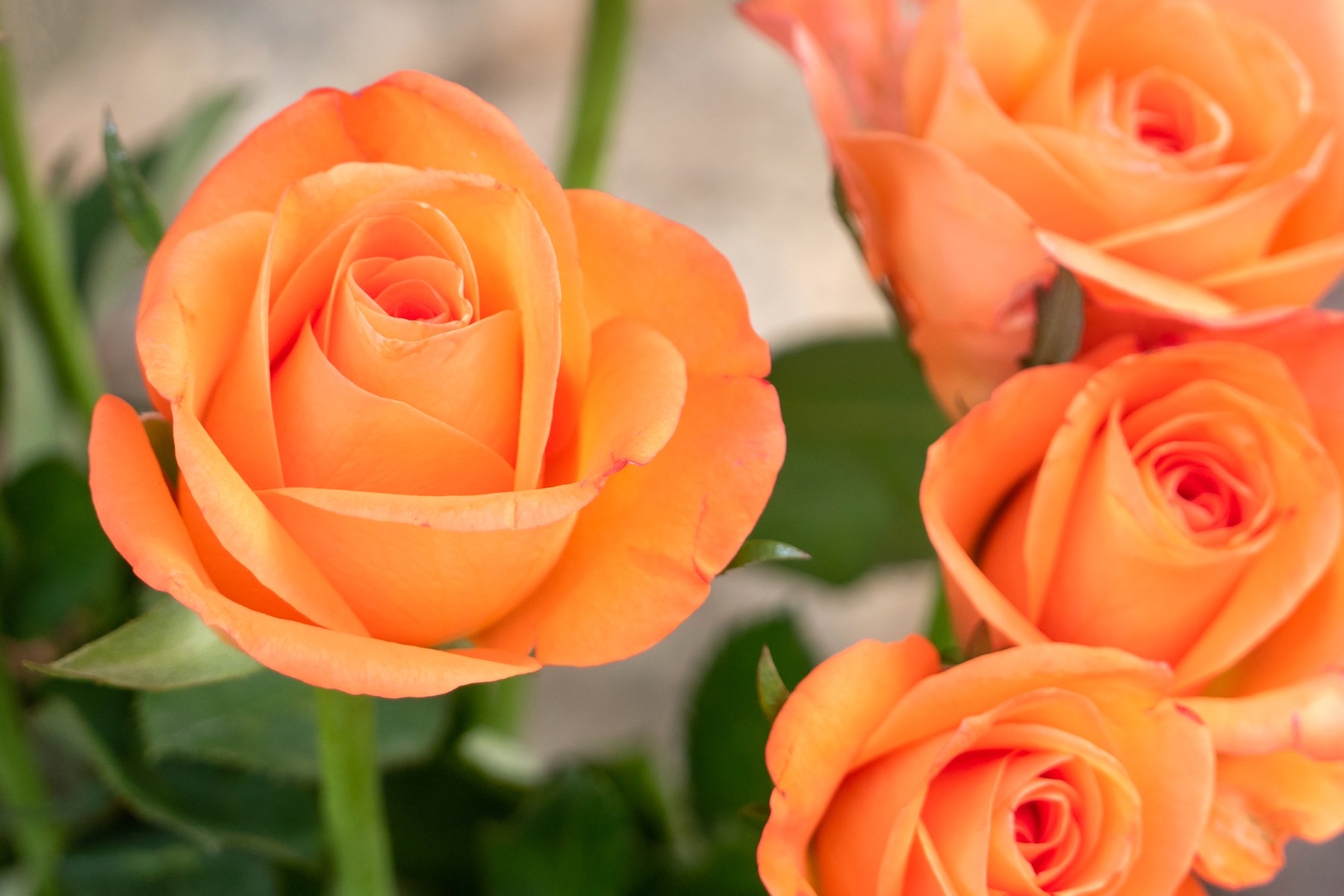
Thirsty: Roses
A rose bought in a European supermarket in February was cut two days earlier in a greenhouse on the shore of a lake in Kenya, flown overnight, and carries about ten litres of the lake's water in its stem. Where a cut flower's water goes, why the industry moved from Holland to the equator, what Lake Naivasha is and what it has lost, what a flower farm sends back into the lake, what the fair trade label does and does not cover, and why a flower is the product on this site that is nothing but water and air freight.
A rose bought in a supermarket in London or Berlin in February was, two days before, on a plant in a greenhouse on the shore of a lake in the Kenyan Rift Valley, and it carries, in the terms this site uses, about ten litres of the lake's water in its stem. Kenya grows about a third of the roses sold in Europe, most of them on a few dozen farms around Lake Naivasha, and the flower is the product on this site with the least substance and the most travel: water, a little sugar, air freight and a week in a vase. This article is about where a cut flower's water comes from, why the industry moved to the equator, what the lake has lost and recovered, what the farms send back, and what the labels on the wrapper cover.
The flower
A rose plant under glass or plastic produces flowers continuously, every stem cut at a few weeks old, and it is grown in beds or in bags of substrate under drip irrigation, with the water carrying the fertiliser to the root, in a greenhouse that holds the humidity and keeps the pests out. A hectare of roses gives about a million stems a year and uses, in the Naivasha studies, about ten thousand cubic metres of water, which is a swimming pool a week, and the arithmetic divides to seven to thirteen litres a stem. Most of that water leaves the greenhouse as vapour from the plant, the green and blue shares of the footprint method in a place where nearly all of it is blue, because the greenhouse keeps the rain out and the drip line brings the lake in. The grey share, the water needed to dilute the fertiliser and the pesticide that leave the beds, is about a third of the total in the older farms and much less in the ones that recycle their drainage.
A bunch of twenty carries two hundred litres, a Valentine's Day dozen a hundred and twenty, and the day itself, on which Europe buys a large share of its year's roses, moves a few billion litres of Rift Valley water in a week.
| A rose from Naivasha | |
|---|---|
| Water per stem | About 7 to 13 litres; 10 typical |
| Where | Lake water and boreholes, by drip, under plastic |
| Per hectare | About 10,000 cubic metres a year for a million stems |
| Grey share | About a third in older farms; small where drainage is recycled |
| Kenya's share of EU roses | About 38 percent |
| Naivasha's share of Kenya's flowers | About 70 percent |
Why the equator
The cut flower trade was, until the 1990s, Dutch: grown under glass in the Westland, heated with gas through the winter, lit with lamps in the short days, and sold through the auctions at Aalsmeer, which still set the world price. It moved to Kenya, Ethiopia, Colombia and Ecuador for the reasons every crop on this site moves: twelve hours of light every day of the year, a climate at altitude that needs no heating, land and water that cost a fraction of Holland's, and wages a tenth. A Kenyan rose, cut, chilled and flown to Amsterdam, carries less carbon than a Dutch one grown in February under lamps, by the studies that have compared them, because the flight is cheaper in carbon than the gas. The Dutch auctions still sell it; the Dutch greenhouses now grow the flowers that will not travel.
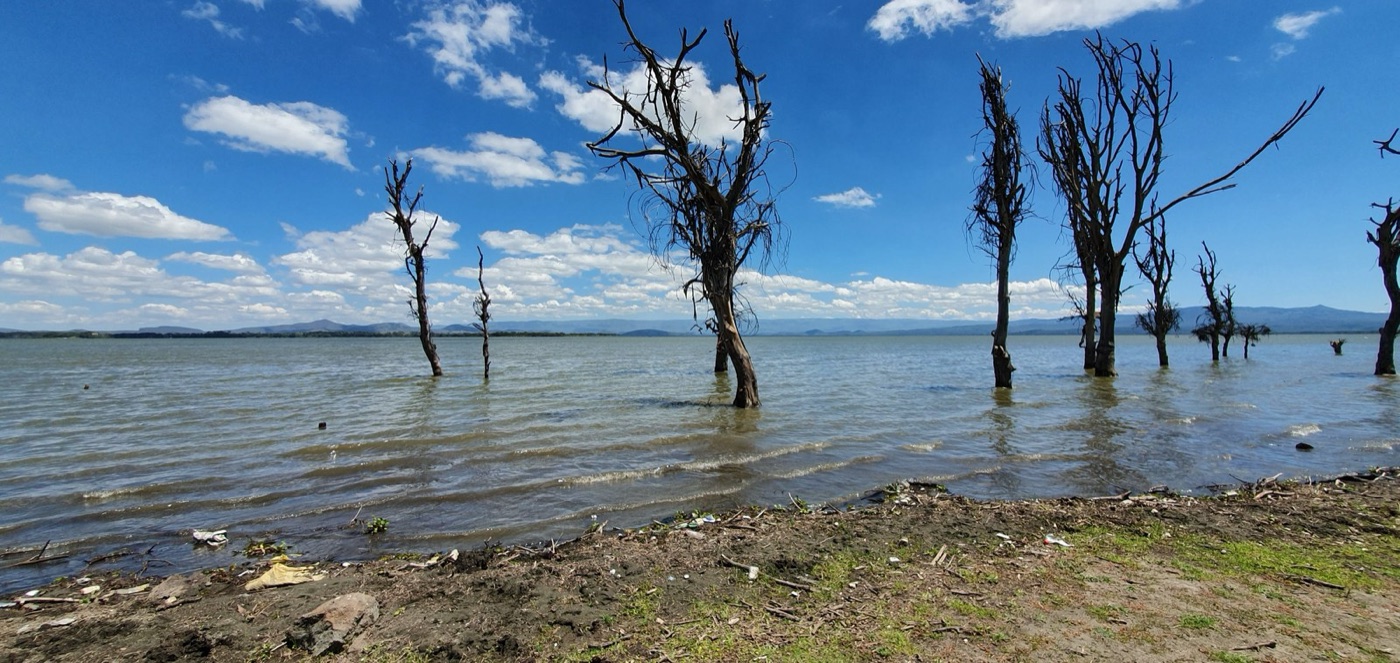
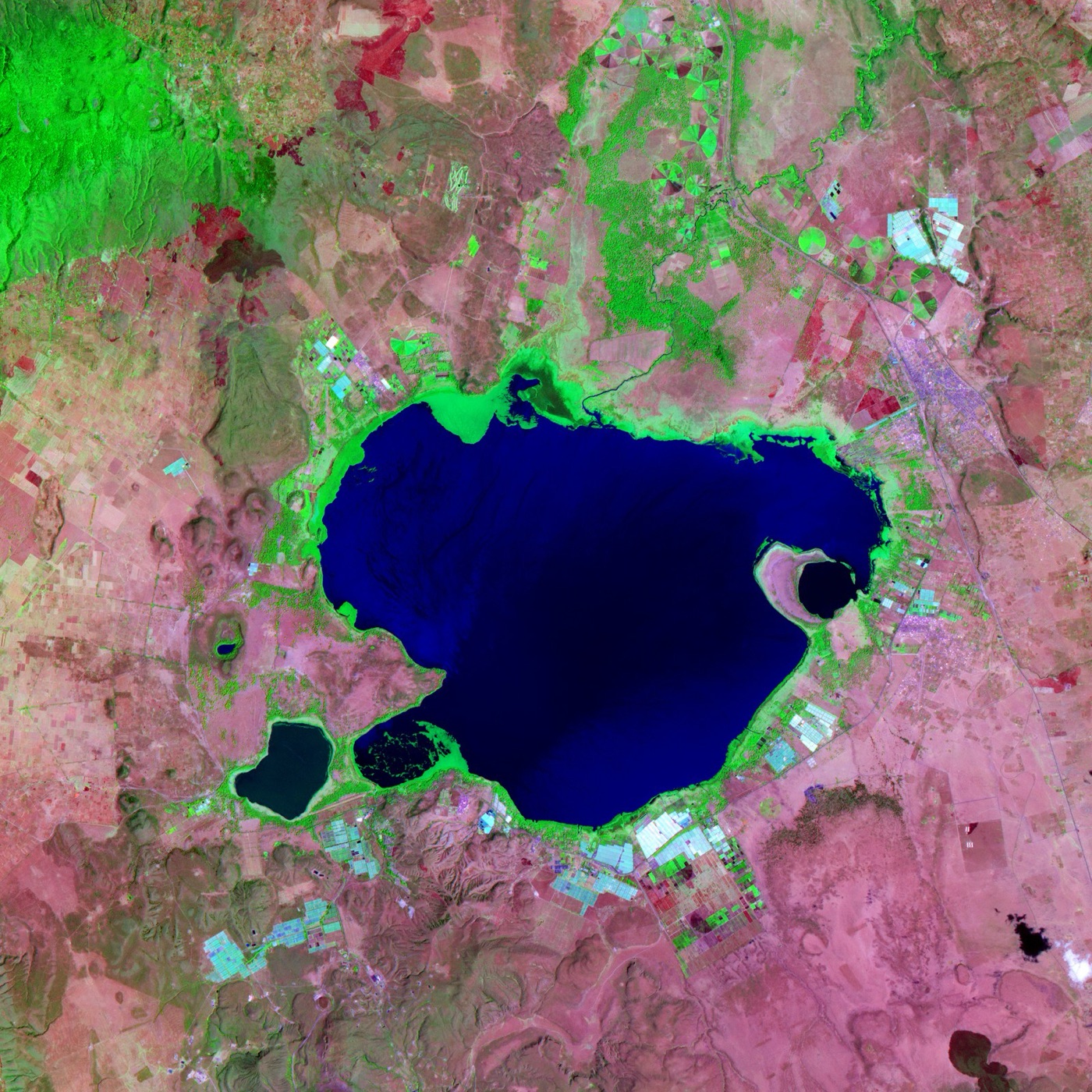
Naivasha was the place because it is a freshwater lake, one of the few in the Rift Valley, at 1,900 metres, two hours from an international airport with nightly flights to Europe, and because the land around it was ranches that could be bought. The first farms arrived in the 1980s. By 2010 there were about fifty, employing tens of thousands, and the town that had been a few thousand people was a few hundred thousand.
The lake
Lake Naivasha has no outlet on the surface; it is fed by two rivers from the Aberdare hills and the rain, and it loses water to evaporation and to seepage into the volcanic rock beneath, and its level has always swung by metres with the rains. In the 2000s it fell further than that. The farms drew from it directly and from boreholes in the shore aquifer that the lake feeds; the town drew for its people; the rivers that fed it were drawn down by the farms in the hills for the vegetables that go to the same supermarkets; and the rains failed in the middle of the decade. By 2009 the lake was at its lowest in a century, the shore had retreated a kilometre in places, the fishery had collapsed, the hippos were in the farms, and the flower industry, which the newspapers had found, was blamed for all of it. The studies that apportioned the loss put the farms at a share, the town and the upstream farms at shares, and the rain at most, which is the finding every lake on this site that has been blamed on one user has produced.
The rains of 2010 and after refilled it, and in 2020 it rose to its highest in decades and flooded the farms that had been built on the shore it had left. The farms, under the buyers' audits and the basin's new rules, have since moved to metered abstraction, drip on every bed, and the recycling of their drainage, and the lake's water level is a matter of the rain again.
| Lake Naivasha | |
|---|---|
| Type | Freshwater, closed basin, fed by two rivers and rain |
| Farms | About 50 around the shore; tens of thousands employed |
| 2009 | Lowest level in a century; fishery collapsed; farms blamed |
| Apportioned | Rain the largest cause; farms, town and upstream farming shares |
| 2020 | Highest level in decades; lakeside farms flooded |
| Since | Metered abstraction; drip; drainage recycled under buyer audits |
What goes back
The water that leaves a flower farm is the drainage from the beds and the wash water from the packhouse, and it carries the fertiliser, the pesticide and the fungicide that a crop grown in a humid greenhouse for its appearance receives more of than almost any food. In the older farms it ran to the lake, and the lake's fish carried the residues; the studies of the 2000s found the pesticides in the lake sediments and the water at levels that the fish and the birds registered. The farms that supply the European chains have since built wetlands and lined lagoons to treat the drainage, closed loops that catch and reuse it, and integrated pest management that swaps the sprays for predatory mites, because the chains' auditors and the labels on the wrapper require it, and the residues in the lake have fallen. The farms that supply the Middle East and the domestic market, with no auditor, have not all followed.
The label
The fair trade and the ethical labels on a bunch of Kenyan roses cover the workers first, their wages, their protective clothing, the crèche and the premium that goes to the estate's community, and they cover water and pesticide in the standard's criteria on abstraction, drainage and the list of chemicals a farm may not use. What they do not cover is the flight, which is the rose's carbon, or the arithmetic of the lake, which no label on a single farm can. A certified rose is a rose from a farm that meters its water and treats its drainage, which is what the buyer can ask for, and the basin's level is a matter of how many such farms there are and how much rain fell, which is what the buyer cannot.
Ethiopia and the rest
Kenya's neighbour has followed it. Ethiopia's flower farms, on the lakes and the highlands south of Addis Ababa, grew from nothing in 2000 to the second largest in Africa in a decade, on the same model: greenhouses on a lake shore, drip from the lake, night flights to Amsterdam, and a government that leased the land and built the cold store at the airport. The lakes of the Rift, Ziway above all, have shown the Naivasha pattern with fewer studies to apportion it. Colombia and Ecuador, which supply the American market from the savanna around Bogotá and the valleys under Cotopaxi, use less lake and more well, and the aquifer under the Bogotá savanna is falling. Every one of these is a place where a farm can grow a flower on cheap water and cheap labour under a constant sun and get it to a rich city by morning, and the water arithmetic is the same in all of them: ten litres a stem, from a source that the buyer never sees and the auditor has only recently begun to ask about.
What it teaches
The rose is the product on this site that has the least in it and travels furthest: ten litres of Rift Valley water, a gram of sugar, a flight to Amsterdam and a week on a table, for a thing that is thrown away when it wilts. The lake it comes from fell in a dry decade and was blamed on the farms, which were part of the reason, and rose again in a wet one, and the farms now meter, drip and recycle because the buyers in Europe asked them to, which is the only mechanism this site has found that works from the shelf back to the source. The water stays in Kenya. The flower does not.
Ten litres a stem, two hundred in a bunch, and a lake in the Rift Valley that fell and rose with the rain.
Sources
- Mekonnen, M.M., Hoekstra, A.Y. and Becht, R. (2012). Mitigating the water footprint of export cut flowers from the Lake Naivasha basin, Kenya. Water Resources Management 26. About 7 to 13 litres per stem; the basin's flower farms and their share of abstraction.
- Kenya Flower Council and Kenya National Bureau of Statistics, cut flower exports: about 200,000 tonnes a year; Kenya about 38 percent of EU rose imports; Naivasha about 70 percent of Kenya's flower production.
- Becht, R., Odada, E.O. and Higgins, S. (2006). Lake Naivasha: experience and lessons learned brief. International Lake Environment Committee. Lake level decline of the 2000s and abstraction by farms and the town.
- Williams, A. (2007). Comparative study of cut roses for the British market produced in Kenya and the Netherlands. Cranfield University. Carbon footprint of Kenyan versus Dutch roses.
- Fairtrade International, Flowers and Plants Standard; water and pesticide criteria on certified farms.
- Photographs: opener: Orange cut roses in Bro Church graveyard 2 by W.carter (CC BY-SA) via Wikimedia Commons; inline: Lake Naivasha Shoreline by Kenenock (CC BY-SA) via Wikimedia Commons; inline: Naivasha ast 2008033 lrg by NASA (Public domain) via Wikimedia Commons.