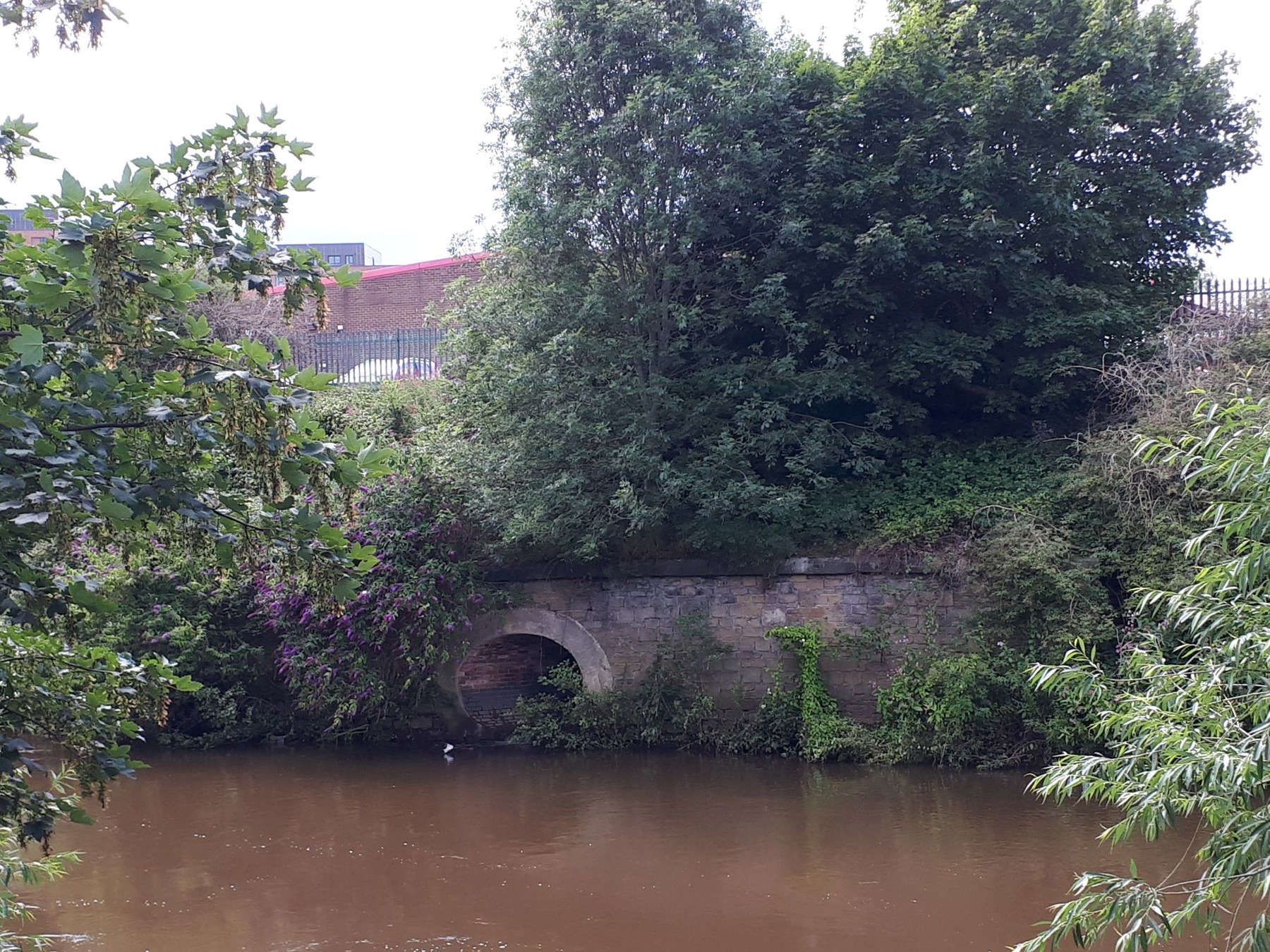
Plain Water: Storm Overflows
The sewers of most old cities carry rain and sewage in the same pipe, and when it rains hard enough the pipe cannot hold both, so the mixture is let out into the nearest river or sea through an overflow built for the purpose. England's overflows spilled for 3.6 million hours in 2023. What a combined sewer is, why it was built that way, what an overflow releases, how the monitoring turned a hidden practice into a public one, what London's twenty five kilometre tunnel does about it, and why the fix is slow.
In 2023 the storm overflows of England's sewers discharged into rivers, lakes and the sea for 3.6 million hours. That is the sum, across about fourteen thousand overflow points, of the time each one was letting out a mixture of rainwater and sewage, and it works out at more than four hundred years of continuous spilling in one calendar year. Every hour of it was legal, or nearly, because the overflows were built to do exactly that, and had been doing it since the sewers were laid. What was new was that someone had counted.
This article is about what a combined sewer is and why it was built, what an overflow lets out and where, how monitoring turned a hidden practice into a public one, what London has built to stop it, and why the rest of the fix will take decades.
One pipe
The sewers of London, Paris, New York, Manchester and every city that built its drains in the nineteenth century were built to carry two things: the rain that fell on the streets and roofs, and the sewage from the houses, which until then had gone to cesspits and the gutter. The engineers had one pipe to lay and they put both in it, and the pipe was sized for ordinary rain and ordinary sewage, taken together, down to the river or, after the treatment works came, to the works. The problem is a storm. A heavy rain puts more water into the pipe in an hour than the works can take in a day, and a pipe that cannot pass it fills and backs up into cellars and streets. The engineers' answer was an overflow: a weir in the sewer, set at a height, over which the excess spills into a channel that leads to the nearest river or the sea.
The overflow is a designed relief valve rather than a fault, and every combined sewer has them, at intervals, wherever there was a watercourse to spill into. The newer suburbs and the newer cities, built after the 1950s, have separate pipes for rain and sewage, and no overflows, and their problem is different. The old cities have the one pipe and the weirs, and in a country where it rains often, they spill often.
| Combined sewers | |
|---|---|
| What they carry | Rain and sewage in one pipe |
| Where | Cities built before about 1950; most of Britain, the old cities of Europe and the American northeast |
| The overflow | A weir in the sewer; excess spills to the river when the pipe is full |
| England | About 14,300 overflows; 3.6 million hours of spill in 2023 |
| United States | About 860 communities; about 850 billion gallons a year |
What comes out
What comes over the weir is the pipe's contents at that moment: rain, a lot of it, and sewage, diluted by the rain but not treated. It carries the things the wastewater article on this site lists, bacteria and viruses from every toilet upstream, the organic load that the BOD article describes, ammonia, the phosphorus that feeds algae, the wipes that the flushable wipes myth is about, and whatever the streets contributed, which is oil, metals and litter. In a heavy storm the dilution is large and the spill short; in a light rain on a pipe already near full, or from an overflow whose weir is set low, the mixture is close to sewage and the spill can last for days.
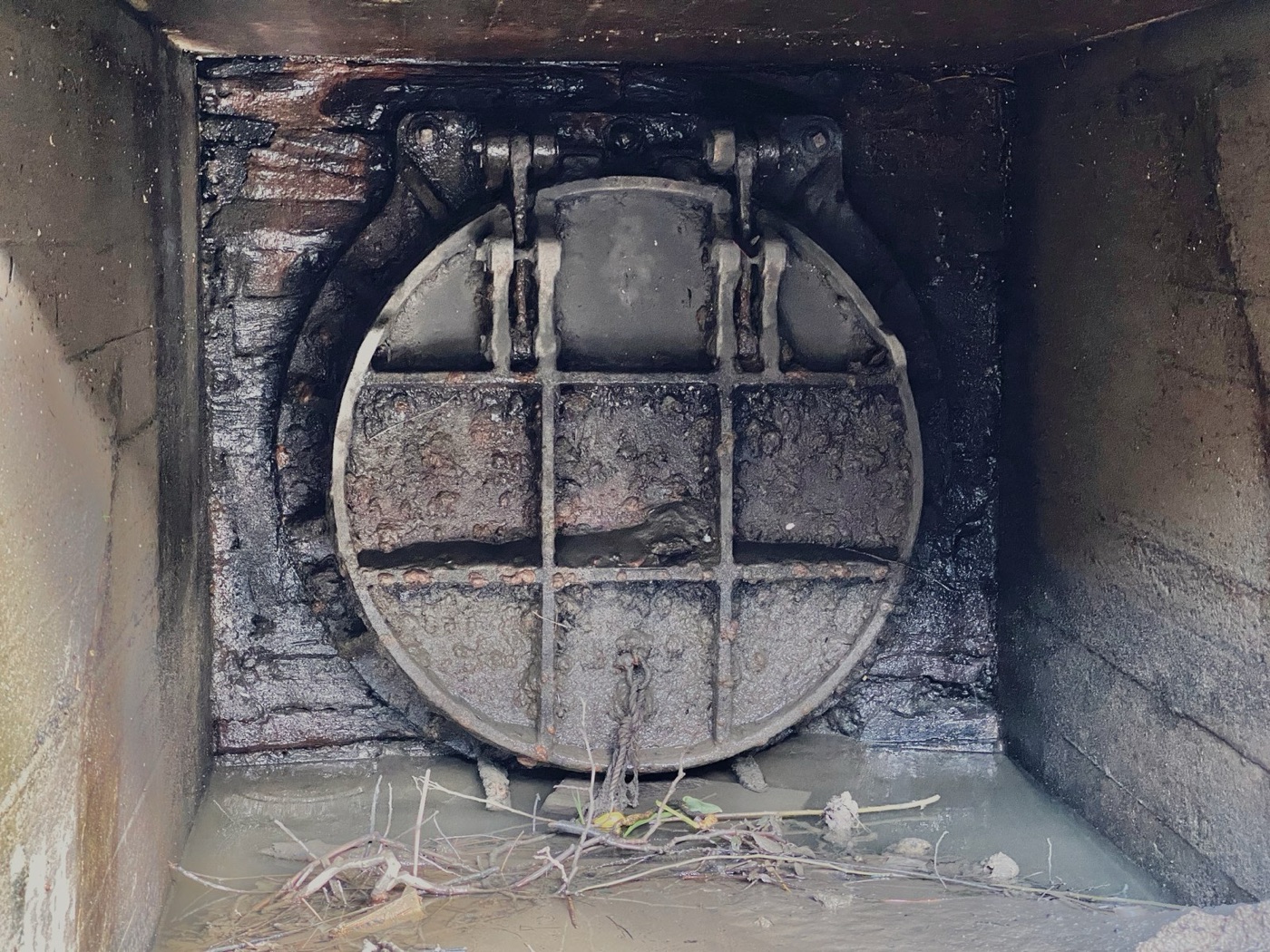
Where it goes matters. An overflow into a large tidal estuary is diluted quickly; one into a chalk stream in a dry summer, or onto a bathing beach on a weekend, is not, and the public argument in England has been about those: rivers with the highest bacterial counts in Europe, swimmers ill after a race, a beach closed on the hottest day of the year.
The count
For a century the overflows spilled unseen. A weir in a sewer has no dial, and the water companies, which own the sewers in England, reported what they chose to. From 2016 the regulator required monitors on each overflow that record when it is spilling and for how long, and the coverage rose from a few percent to nearly all by 2023. The numbers, published annually, are what made the story: hundreds of thousands of spills a year, millions of hours, some overflows spilling on dry days, which the design does not allow and which suggested pipes so full or works so undersized that any flow tipped over the weir. A regulator's investigation in 2024 found that the companies and the regulators had, for years, permitted what the law did not, and the fines and the plans followed.
The count did not change the sewers. It changed what was known, and knowing turned a plumbing detail into a national argument about whether the private companies that own the pipes had spent on them what they had charged for.
| Storm overflows in England, 2023 | |
|---|---|
| Spill events | 464,056 |
| Spill hours | 3.6 million |
| Overflows monitored | About 14,300; close to 100 percent |
| Spills on dry days | Recorded at several hundred overflows |
| Target | Reduce spills to an average of 10 a year per overflow by 2050 |
The tunnel
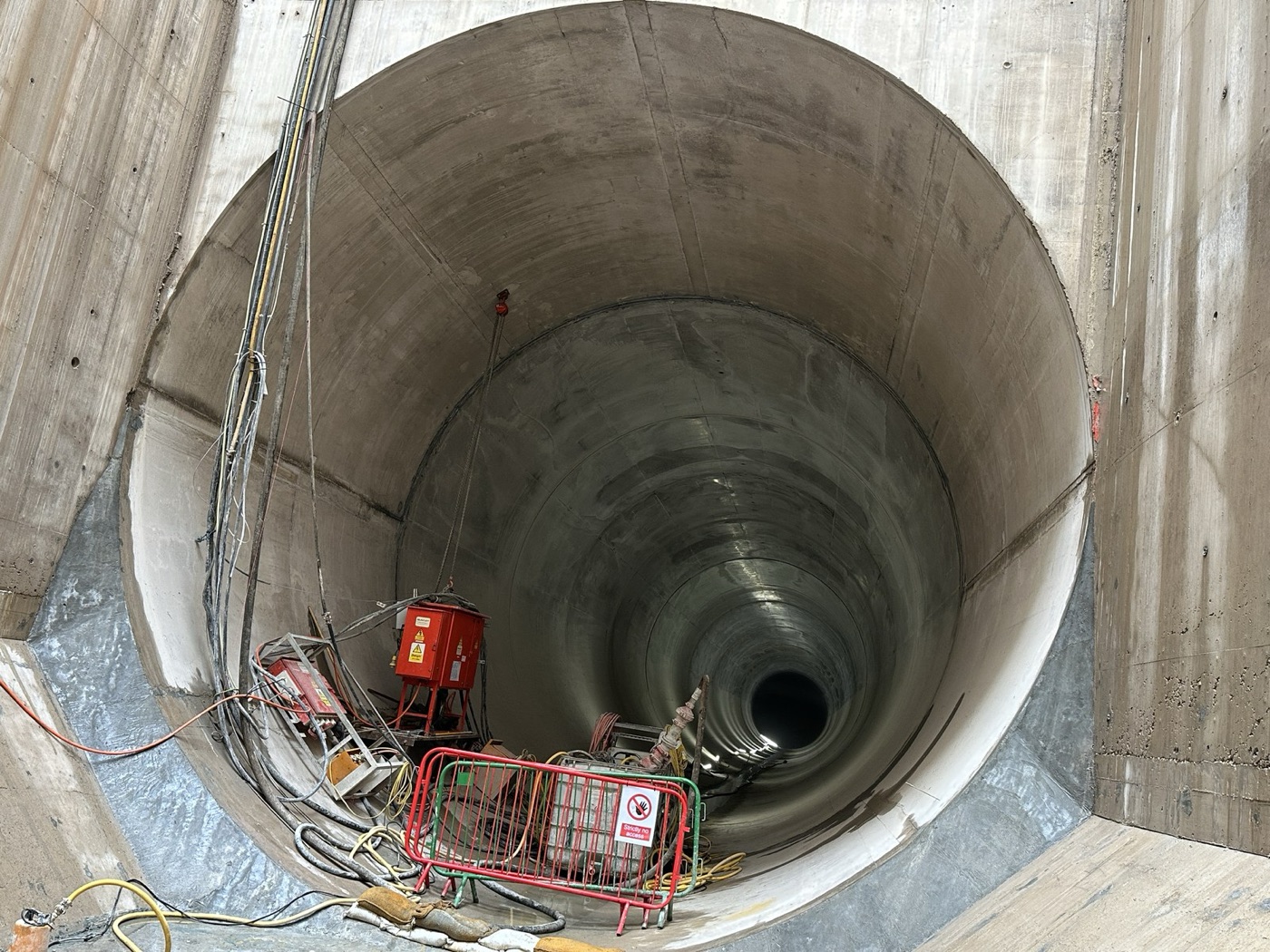
The fix for a combined sewer is storage: a place to hold the storm flow until the works can treat it. It can be a tank under a park, a larger pipe, or, in a city the size of London, a tunnel. The Thames Tideway Tunnel runs for twenty five kilometres beneath the river from west to east at a depth of up to sixty metres, is seven metres across, and intercepts the thirty or so overflows that put about forty million tonnes of sewage into the tidal Thames each year. When it rains, the overflows fill the tunnel instead of the river, and when the storm passes the tunnel is pumped out to the works at Beckton and treated. It cost about four and a half billion pounds, took eight years to dig, and connected in stages through 2024 and 2025; in its first storms it captured, by the project's count, nearly all of what would have gone into the river. Paris built a similar system for the Seine before the 2024 Olympics, so that the swimming events could be held in it, and the river was swimmable on most days that summer and not on the others.
Why the rest is slow
London had one river and one tunnel. England has fourteen thousand overflows on hundreds of rivers, and the plan to bring them to a standard runs to 2050 at a cost the government estimates in tens of billions of pounds, to be paid through water bills. The engineering is not difficult; it is a tank at each overflow, or a separate rain sewer, or the sustainable drainage that keeps rain out of the pipe in the first place by letting it soak into the ground, which is the cheapest fix and the slowest, because it means rebuilding the streets. The United States has been at the same task since the 1990s under consent decrees, city by city, at a similar pace.
The overflows will spill, in a country where it rains, until the storage is built. The argument is about how fast, and about who pays, and about whether the companies that owned the pipes for thirty years should have been building the storage during them.
Keeping the rain out of the pipe
The other fix works at the top of the system. Every square metre of roof, road and car park that drains into a combined sewer adds its rain to the pipe, and a city that has paved itself over since the sewers were laid sends them several times the storm water they were built for. Sustainable drainage, which is the name for letting the rain soak into the ground where it falls, takes the load off: permeable paving, rain gardens along the kerb, green roofs, ponds in the parks that fill in a storm and drain over days. Philadelphia, under a consent decree for its overflows, chose this route over a tunnel and has spent two decades turning streets and school yards into places where rain sinks, at a cost per litre kept out of the sewer well below the tunnel's. Copenhagen did the same after a cloudburst in 2011 flooded the city. It is slow, because it is a rebuilding of the surface of the city block by block, and it is the only fix that also cools the streets and refills the aquifer, which is why the plans that run to 2050 lean on it.
What it teaches
Storm overflows are the part of the plain water story that shows what a treatment works cannot do: it can only treat what reaches it, and a sewer built to let the rest out will let it out. The overflows were designed, they were legal, and they were unseen, and the monitors turned a century of quiet spilling into a number that could not be argued with. London built a tunnel. The rest of the old cities have the same pipes and the same weirs, and the same rain.
3.6 million hours in a year, fourteen thousand weirs, and a river that was clean only once the counting started.
Sources
- Environment Agency, Event Duration Monitoring data 2023: 464,056 spill events, 3,606,170 hours, from about 14,300 storm overflows, monitor coverage 100 percent.
- Thames Tideway Tunnel, project facts: 25 kilometres, 7.2 metre diameter, about £4.5 billion, connected 2024 to 2025, designed to capture about 95 percent of the sewage that entered the tidal Thames.
- US EPA (2004). Report to Congress on Impacts and Control of CSOs and SSOs: about 860 communities with combined sewers; about 850 billion gallons of overflow a year.
- Defra, Storm Overflows Discharge Reduction Plan (2022, updated 2023): targets to 2050 and estimated cost.
- Office for Environmental Protection, investigation into regulation of combined sewer overflows (2024).
- Photographs: opener: Sewer outfall to the river Aire - geograph.org.uk - 7550732 by Stephen Craven (CC BY-SA) via Wikimedia Commons; inline: Bell Wharf CSO outfall in London by Z22 (CC BY-SA) via Wikimedia Commons; inline: Thames Tideway Tunnel by Matt Brown (CC BY) via Wikimedia Commons.