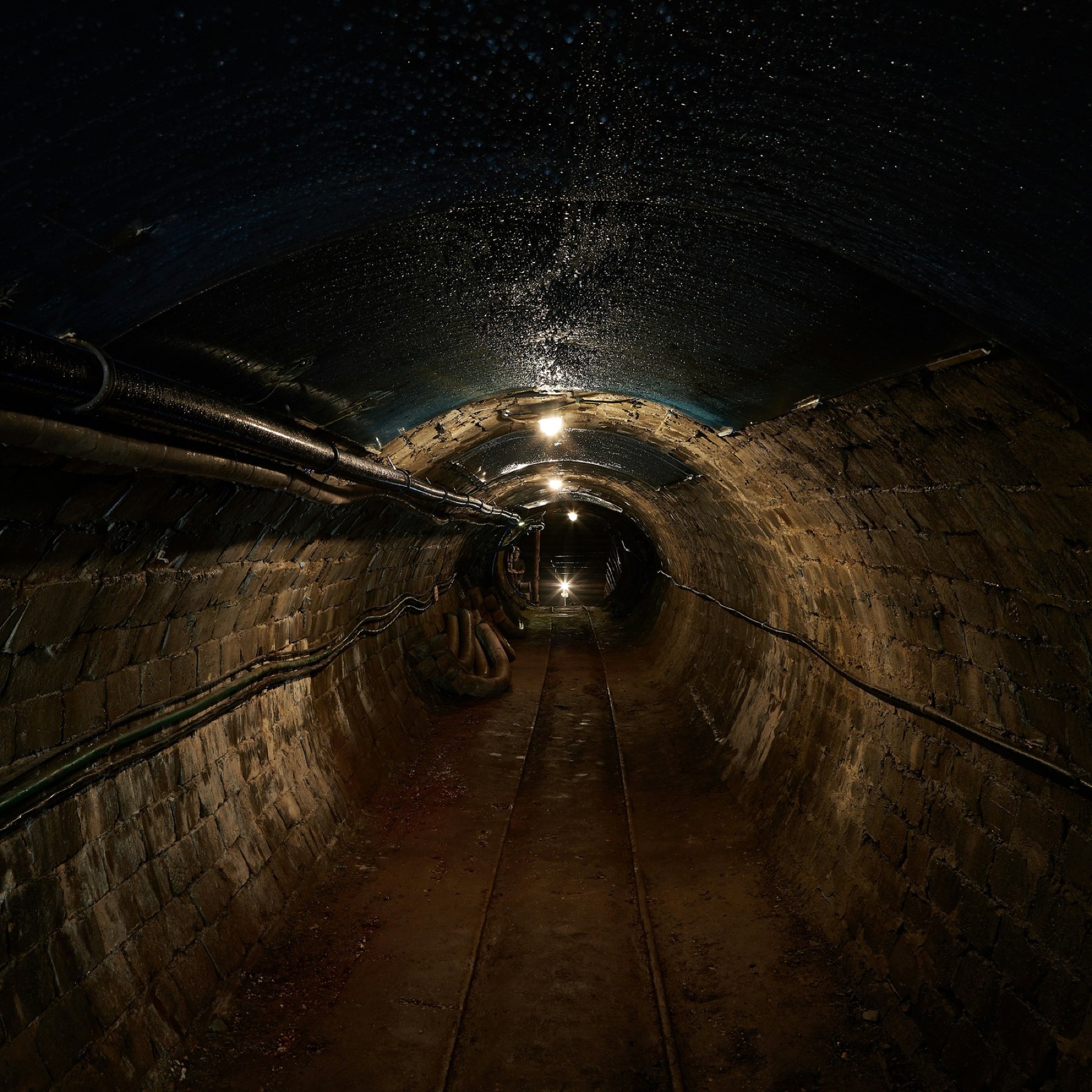
Myth: Flushable wipes are flushable
The word on the packet is legal, and the sewer disagrees with it. What a wet wipe is made of, what happens to it after the flush, how a fatberg is built, and why the water industry has spent a decade asking for one word to be taken off the label.
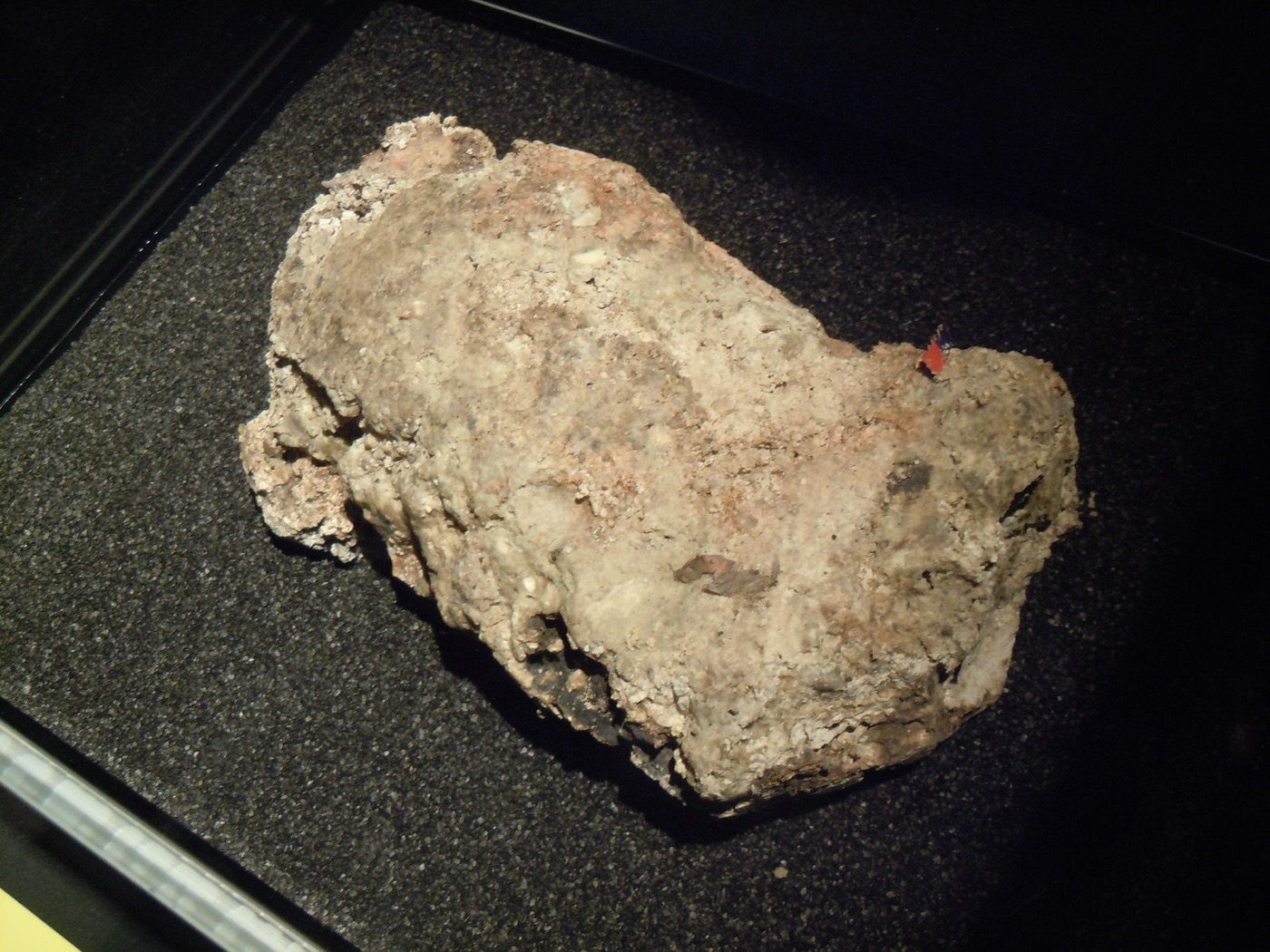
In September 2017 engineers from Thames Water opened a sewer under Whitechapel in east London and found it blocked, for most of its length, by a single object. It was 250 metres long, roughly the length of two football pitches, it weighed about 130 tonnes, and it was made of cooking fat, wet wipes, nappies and everything else the residents of a busy district had put down their drains. It took nine weeks to cut out with hand tools and high pressure jets. A piece of it went to the Museum of London, where it was displayed in a sealed case and, over the months, grew a visible mould.
The Whitechapel fatberg made the word famous, and it made a technical argument public that the water industry had been having with manufacturers for a decade. The argument is about one word on a packet.
The claim
Flushable wipes are flushable. The packet says so, sometimes with a certification mark, and the claim is, in one narrow sense, true: the wipe will leave the toilet bowl when the handle is pressed. So will a sock. Flushability, as the industry means it, is about what happens next, in a pipe, a pump and a plant, and on that question the water companies of every country that has looked at it have reached the same verdict.
What a wipe is
Toilet paper is designed to fail. It is short cellulose fibre, lightly pressed, and it loses its strength within seconds of getting wet, which is why it can be flushed in quantity without ever blocking anything. That fragility is a design feature, and it took the paper industry a long time to get it right.
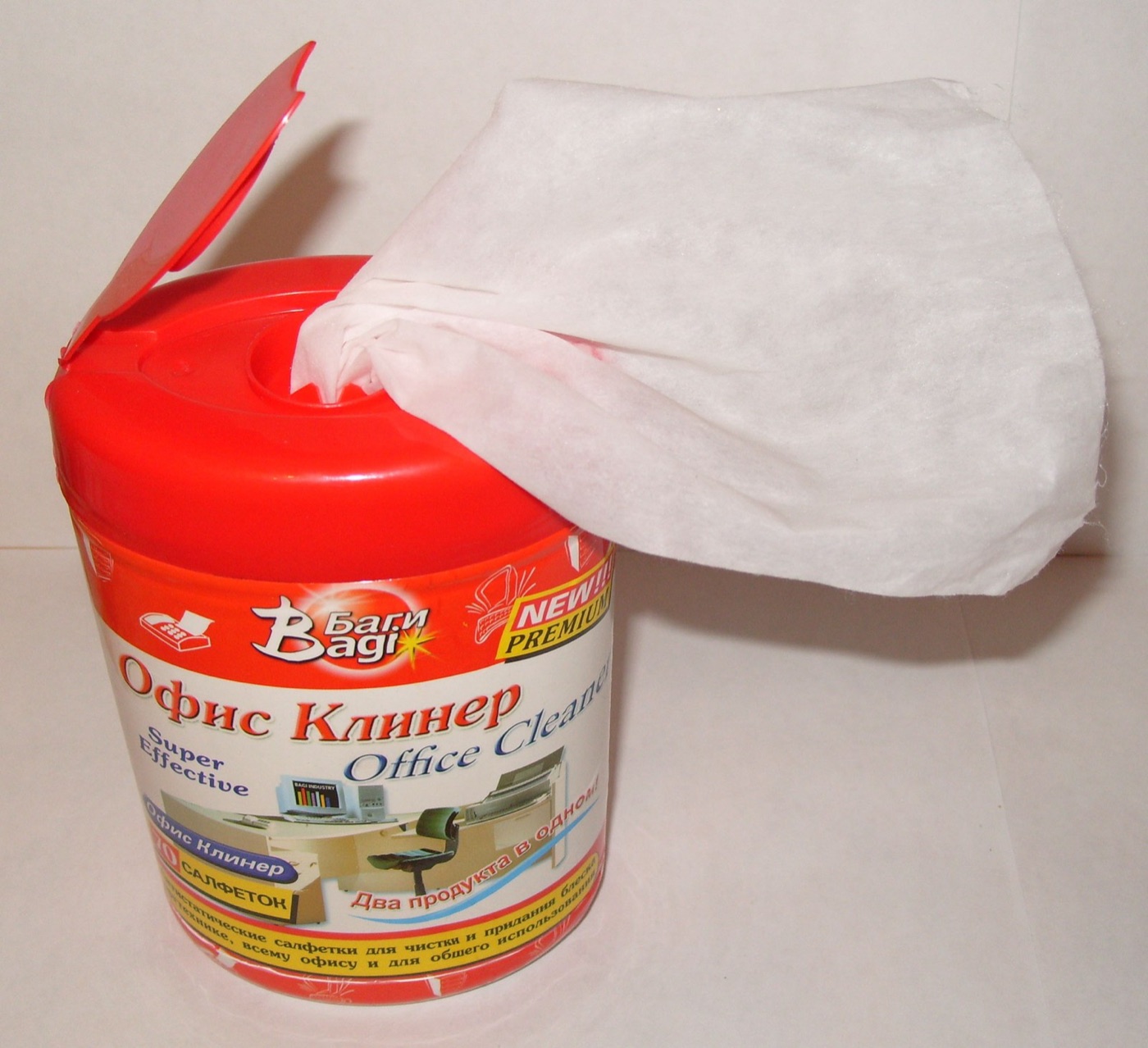
A wet wipe is designed to do the opposite. It has to stay in one piece while soaked in lotion for months in a packet and then survive being pulled, rubbed and wrung. It is a nonwoven fabric: fibres laid in a mat and bonded, by heat, by chemistry or by being entangled with jets of water, into a sheet that holds together wet. For most of the product's history the fibres included polyester or polypropylene, which are plastics, and which do not break down in water, in a sewer, or in a treatment plant. Wipes sold as flushable are usually made from cellulose only, regenerated or wood pulp, and are engineered to weaken over time in water, but they still hold together far longer than paper, and long enough to reach the pump.
| Toilet paper | A wet wipe | |
|---|---|---|
| Made to | Fall apart in water within seconds | Stay in one piece while wet |
| Fibres | Short cellulose | Long cellulose, often with plastic |
| Bonded by | Light pressing | Heat, chemistry or water jets |
| In the sewer | Gone | Intact for hours, days or longer |
What happens after the flush
The article on the journey after the flush described the sewer: a network of pipes laid on a slight slope, carrying water by gravity, with pumps where the ground rises. A sewer is designed for water carrying small, soft, dispersed solids. It is not designed for sheets of fabric, and a sheet of fabric in a pipe behaves the way a sheet of fabric behaves anywhere: it catches.
It catches on the joints between pipes, on roots that have grown in, on rough brickwork in old sewers, on the impellers of pumps. Each wipe that catches makes the next one more likely to. The mass grows, and then it meets fat. Cooking oil and grease poured down kitchen sinks cools in the sewer, and, in a piece of chemistry that surprised the engineers who first analysed a fatberg, it reacts with the calcium in hard water to form a soap, in the same way that soap has always been made from fat and alkali. The soap is hard, waxy and sticks to everything, and the wipes give it a skeleton to grow on. A fatberg is, chemically, a very large bar of soap reinforced with fabric.
The evidence
The evidence is the industry's own workload. Britain's water companies clear around 300,000 sewer blockages a year, at a cost of around 100 million pounds, and they report that wipes are found in the great majority of them. Thames Water alone removes tonnes of material from its screens every day. At the treatment plant, the first thing a flush meets is a set of bars and screens, and what they catch, described in an earlier article as a monument to what people put down drains, is above all wipes. Everything caught there goes to landfill, having achieved nothing but a journey.
In 2019 the UK water industry published its own standard, Fine to Flush, with a test designed to reproduce what a sewer actually does to a product, and tested the wipes on the market against it. Most of the products labelled flushable failed. A small number, made of cellulose only and engineered to break down, passed and were allowed to carry the industry's mark. The manufacturers' own test, agreed between industry associations in Europe and America, is less demanding, and the two sides have spent a decade disputing which test describes a real sewer. The people who unblock the sewers have not found the dispute difficult.
| The verdict | |
|---|---|
| Wipes containing plastic | Never flushable, and banned from sale in the UK from 2024 |
| Wipes labelled flushable, cellulose only | Most failed the water industry's own test |
| Wipes carrying the Fine to Flush mark | A small number, which the industry accepts |
| Toilet paper | The only thing designed for the job |
The other things that should not be there
Wipes are the largest cause of blockages, and they are not the only one. Every sewer engineer has a list.
Cooking fat, oil and grease, poured down the kitchen sink while warm, are the second half of every fatberg, and they would cause blockages on their own without a single wipe. The industry's advice, to let fat cool in the pan and scrape it into the bin, is repeated on every water bill and ignored in most kitchens. Cotton buds, with plastic stems, pass every screen and end up on beaches. Sanitary products and nappies, both made to absorb water and hold together, do exactly that in a sewer. Dental floss binds. Medicines flushed away pass the plant untreated and reach the river, which is why pharmacies take them back. Cat litter, sold as flushable in some countries, sets like cement.
The pattern across the list is the same. A sewer is designed for water carrying soft, dispersed, degradable solids, and everything that is strong, absorbent, fatty or made to last defeats it.
The plastic ban
The argument about the word flushable has been running for fifteen years, and the law has begun to move on the material rather than the label. In 2024 the British government confirmed a ban on the manufacture and sale of wet wipes containing plastic, following consultations in which the water industry, the beach cleaners and the wipe manufacturers all, for once, agreed on the fibres if not on the flush. Several other countries are following. A wipe without plastic still holds together in a pipe far longer than paper, and the water industry's advice about the bin has not changed. But the plastic that made wipes indestructible, and that broke down over years into the fragments found in every river sediment tested, is on its way out of the product.
The nuance
A myth tested honestly has to say where the claim holds, and there is a small space where it does.
A wipe that is made of cellulose only, that has been engineered to lose its strength in water, and that has passed a test which reproduces a real sewer, will most likely break down before it reaches a pump, and the water industry says so by putting its own mark on it. Such products exist. They are a minority of the market, they cost more, and the packet has to be read closely. Everything else, and in particular anything that says flushable without the mark, is a wipe that will hold together in the pipe.
There is also a question of scale. One wipe, once, in a modern sewer, will probably reach the plant and be caught on the screen. The blockages are made by households that flush them every day, in old sewers, in districts that also pour fat down the sink. The problem is a habit, and the habit is what the industry is asking people to change.
The rule
The system underneath a city asks one thing of the people above it, and it is the rule the sewer engineers repeat until they are tired of it: toilets are for the two things the body produces and for paper. Wipes, cotton buds, dental floss, nappies, sanitary products, cooking fat, all of it goes in the bin, and the word on the packet does not change what happens in the pipe.
The Whitechapel fatberg was cut out, carted away and, in the end, most of it was rendered into biodiesel, which is the kind of ending the water industry likes. The next one is being assembled now, under some other street, one flush at a time.
Sources
- Thames Water (2017). Whitechapel fatberg: 130 tonnes, about 250 metres, cleared over nine weeks.
- Water UK. Around 300,000 sewer blockages a year in the UK, costing about 100 million pounds; wipes implicated in the great majority; the Fine to Flush specification (2019) and the finding that most products labelled flushable failed it.
- UK Department for Environment, Food and Rural Affairs (2024). Ban on the manufacture and sale of wet wipes containing plastic.
- INDA and EDANA, Guidelines for Assessing the Flushability of Disposable Nonwoven Products, the manufacturers' test that the water industry disputes.
- Photographs: sewer tunnel by Martin Brechtl, Unsplash; Cesar Chu Ortega; inline: Fatberg at Museum of London by Lord Belbury (CC BY-SA) via Wikimedia Commons; inline: Антистатические салфетки by Anton Diaz (CC BY-SA) via Wikimedia Commons.