Plain Water: After you flush
The flush is the last most people see of their water. From there it starts a journey under every street in the city, powered mostly by gravity, to a plant that runs on bacteria and partly on its own gas. The trip takes about a day, and most of the world's water never makes it.
There is a moment, several times a day, when almost everyone in a city presses a lever and stops thinking. The water goes, the sound fades, and whatever happens next is somebody else's business. It is one of the great successes of modern engineering that this is possible. It is also the reason that almost nobody knows what happens next, and what happens next is one of the more interesting journeys a substance can take.
This article follows a flush from the bowl to the river. It takes about a day, it passes under every street in the city, and along the way it is fed to bacteria, squeezed, digested, turned partly into fuel, and disinfected. At the end of it, in a city with a good plant, the water leaving the outfall is cleaner than the river it enters.
What counts as sewage
Everything that leaves a home through a drain is sewage: toilets, showers, sinks, washing machines, dishwashers. Each person in a European city sends somewhere between 150 and 200 litres of it a day, and the toilet is a smaller part of that than most people assume. The shower and the washing machine between them account for more.
In older cities the rain goes into the same pipes. London, Paris, New York and most cities built before about 1900 have combined sewers, where the water off the streets and the water from the houses share one tunnel to the plant. This was sensible when the plant did not exist and everything went to the river anyway. It has consequences now, which come later in the story.
It is worth pausing on what sewage is, physically, because the answer shapes everything downstream. It is about 99.9 percent water. The solids, the organic matter, the bacteria, the detergent, the grit, everything that makes it sewage rather than water, amount to roughly a gram in every litre. The entire system exists to remove something the size of a sugar cube from every bucket.
The journey, in four steps
| Step | What happens |
|---|---|
| Sewers | Gravity moves the water downhill; pumps lift it where the ground will not cooperate |
| Screens | Bars and sieves catch wipes, grit and everything that should not be there |
| Biology | Tanks of bacteria eat the dissolved dirt, fed with air around the clock |
| Disinfection | The clear water is disinfected and returned to the river |
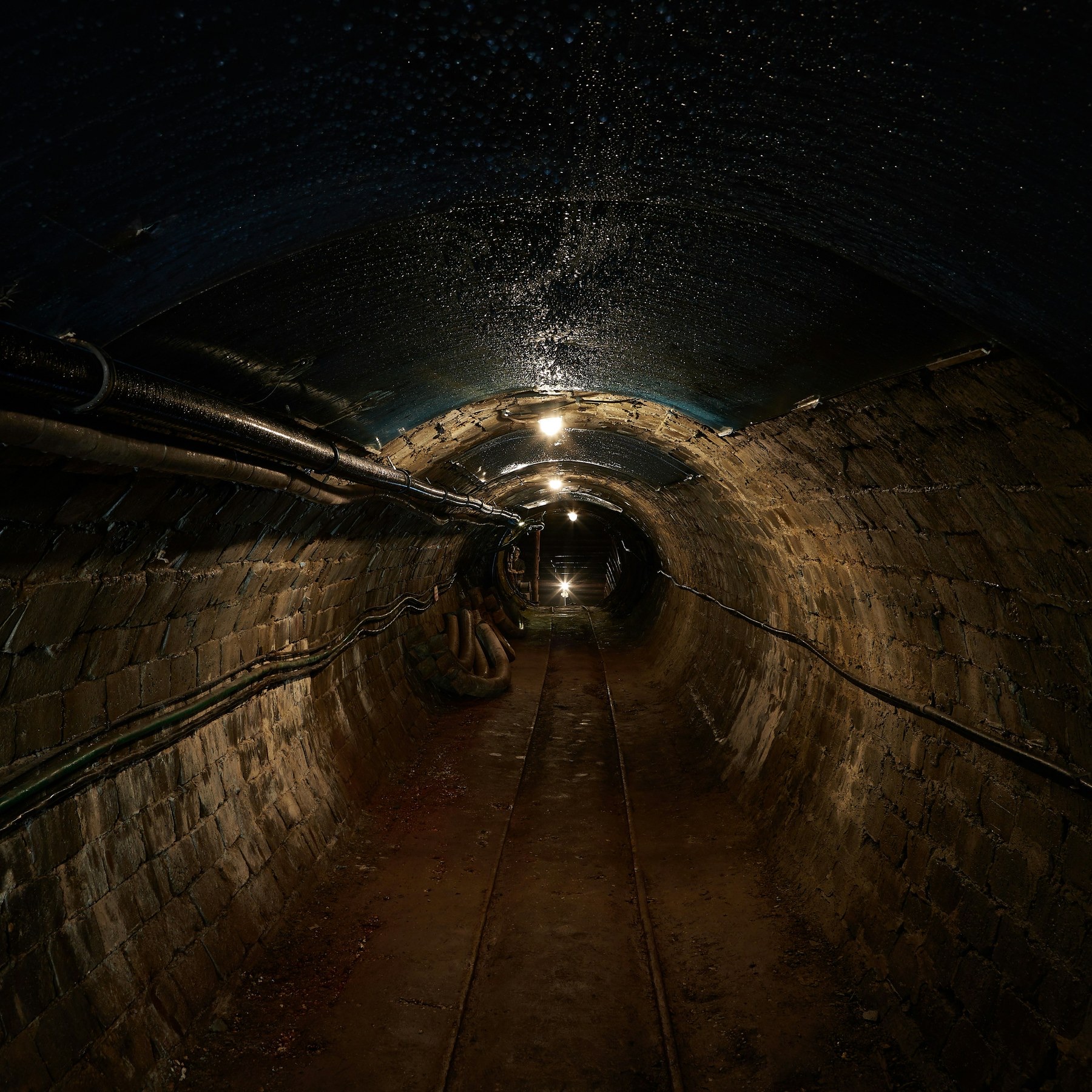
Sewers. The pipe under the house joins a larger pipe under the street, which joins a larger one still, and the whole network is laid on a slope so slight that it is invisible and so carefully surveyed that water flows the length of a city on gravity alone. Where the land rises in the wrong direction, a pumping station lifts the flow and gravity takes over again. The main sewers of a large city are tunnels a person can walk through, and in the oldest cities they are among the finest brickwork ever laid, because the Victorian engineers who built them expected them to last, and they have.
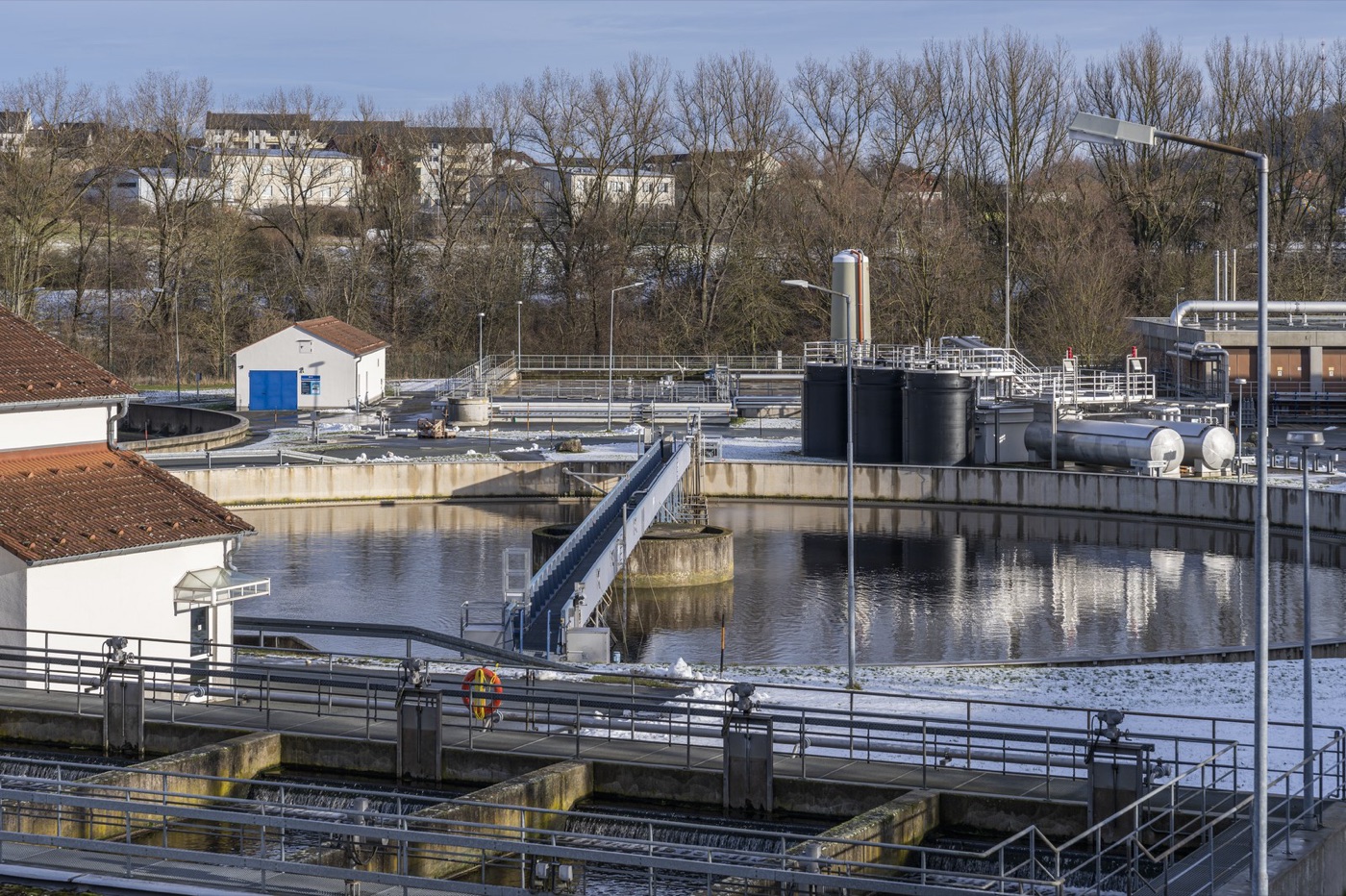
Screens. The plant is at the lowest point of the town, because that is where gravity delivers. The first thing the flow meets is a set of bars, then a finer screen, and what they catch is a monument to what people put down drains: wet wipes above all, then rags, plastic, grit, and objects that plant operators collect and photograph for one another. Everything caught here goes to landfill. It never should have been in the water.
Biology. The screened water slows in a settling tank, where heavier solids sink and grease floats, and both are removed. Then it enters the heart of the plant, a set of large basins in which billions of bacteria are suspended in the water and fed with air. This is the same process that cleans a factory's effluent, described in the article on the ETP: the bacteria eat the dissolved organic matter, breathe the oxygen the blowers supply, grow, and are then settled out of the water in a second tank. Cities and factories clean their water the same way, with biology, because biology is the cheapest thing that works.
Disinfection. The clear water leaving the settling tank still carries bacteria of its own, some of them harmful. Before it is discharged it is disinfected, with chlorine, with ultraviolet light, or with ozone, and then it goes to the river. In a plant meeting the European standard it leaves with a chemical oxygen demand below 125 milligrams per litre, from around 500 on arrival, and often far below that.
The twist: the dirt becomes fuel
Everything removed from the water in the two settling tanks, the sludge, is the part of the story that surprises people most.
The sludge is pumped into large sealed tanks, usually with domed roofs, where a different community of bacteria digests it in the absence of oxygen. Anaerobic digestion, as it is called, runs at roughly body temperature for about three weeks, and it does three things at once. It shrinks the pile. It kills most of the pathogens. And it gives off biogas, a mixture of about two thirds methane and one third carbon dioxide, which the plant burns in engines to make electricity and heat.
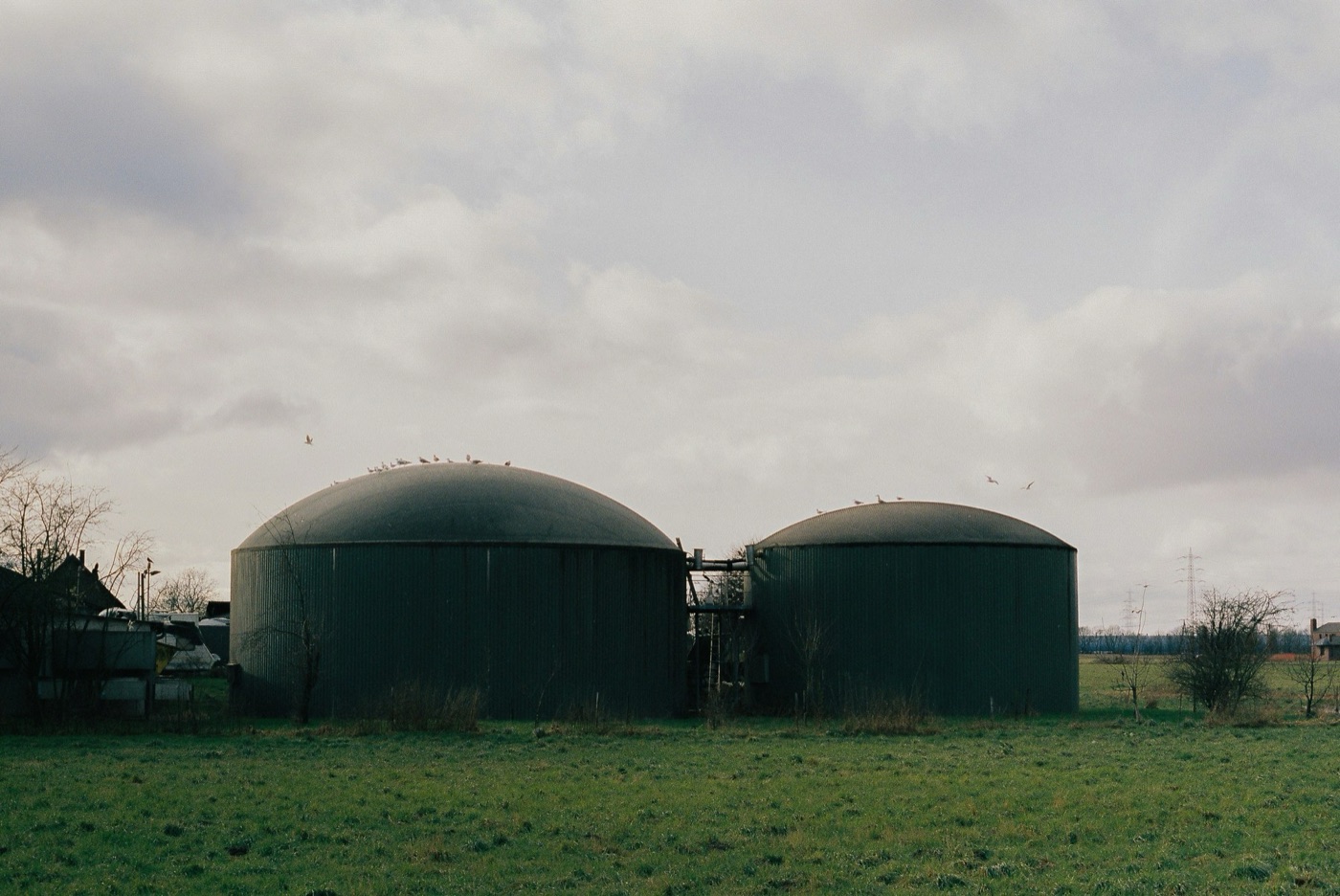
The better plants generate a large share of their own electricity this way, and a few generate more than they use. Since the biggest cost of a plant is the air pumped into the biology tanks, and the biogas comes from what the biology tanks removed, a flush partly funds its own cleanup. The pile has a name, sludge, and enough to say about it that it gets the next article to itself.
The insider number
From the inlet screens to the outfall, a flush spends between twelve and twenty four hours inside a treatment plant. A few hours in the first settling tank, six to eight in the biology basins, a couple more settling out, and the rest in pipes and channels between them. Add the time in the sewers, which can be hours in a large city, and the water that left a bathroom this morning is back in the river by tomorrow.
| Where the day goes | Hours, roughly |
|---|---|
| Sewers, from house to plant | 1 to 6, depending on the city |
| Primary settling | 2 to 3 |
| Biology basins | 6 to 8 |
| Final settling and disinfection | 2 to 4 |
That speed is the achievement. A river, left to do the same job, takes days and kilometres, and dies along the way if the load is heavy enough. The plant does it in a day, on a few hectares, without anything dying but bacteria.
What the river gets back
The water that leaves the outfall deserves a paragraph, because most people picture it wrong. It is clear. It has no smell. In a plant meeting the European standard it carries less than a quarter of the organic load it arrived with and usually far less, and in a well run plant it is measurably cleaner than the river it enters, which in a dry summer may be carrying the treated water of several towns upstream already. In parts of southern England, the flow of some rivers in August is largely treated effluent, and the rivers are healthier than they were fifty years ago because of it.
That is the standard against which everything else in this article is measured. A river is the destination rather than a drain, and the plant's whole purpose is to hand it back water it can live with.
When it does not work
Two failures, one local and one global, keep the story honest.
The local one is rain. In a city with combined sewers, a heavy storm sends more water down the pipes than the plant can take. The system is designed for this: overflow points along the network let the excess, sewage and all, go straight to the river rather than back up into streets and basements. In dry weather this never happens. In a wet year it can happen dozens of times, and the river receives untreated sewage, diluted by rain but untreated. Separating the two networks, so that rain has its own pipes, is the fix, and it costs more than most cities have been willing to spend. London's answer was a new tunnel under the Thames, decades in the making.
The global one is larger. By the United Nations' estimate, more than 80 percent of the world's wastewater is returned to the environment with no treatment at all. Not badly treated. Not treated. The technology in this article is a century old, and it works everywhere it is built and run. Most of humanity does not yet have the plant, and the rivers of the cities that lack it are what a European river was in 1850.
The one rule the system asks of you
A city's sewage system is a remarkable thing to have working underneath you, and it asks almost nothing in return. It asks one thing. Toilets are designed for three things: the two the body produces, and paper, which is made to fall apart in water. Everything else, and wet wipes above all, does not break down. It builds up. It wraps around pump impellers, it binds with cooking fat into masses that block main sewers, and it is what the screens at the plant exist to catch.
The wipes sold as flushable are the subject of a myth that this site will test on its own. For now, the manhole covers on the street outside are worth a second look. Beneath each one is a slope, surveyed to a fraction of a degree, carrying the city's water to the lowest point of town, where something is having dinner.
Sources
- Metcalf and Eddy, Wastewater Engineering, Treatment and Resource Recovery (5th edition). Domestic wastewater flows of 150 to 200 litres per person per day; typical hydraulic retention times through a conventional plant.
- United Nations World Water Development Report 2017, Wastewater: The Untapped Resource. Over 80 percent of the world's wastewater is released to the environment without treatment.
- Ardern, E. and Lockett, W.T. (1914), the origin of the activated sludge process, and standard practice on anaerobic digestion and biogas recovery at municipal plants.
- Photographs: Cesar Chu Ortega, from treatment plants in India and Bangladesh; inline: Verbandskläranlage Hof 20250106 HOF0602 RAW-Export by PantheraLeo1359531 (CC BY) via Wikimedia Commons.