
Plain Water: COD
The water industry has one number for how dirty water really is, and by that number a glass of milk is hundreds of times worse than raw sewage. What chemical oxygen demand measures, how it is measured, and why every discharge permit in the world is written around it.
In the water business there is a story that gets told to every new engineer in their first month, and it is about milk. A tanker overturns on a country road, the milk runs into a stream, and within a day the stream is dead for a kilometre downstream. No poison was involved. The milk was fresh and fit to drink. The story is told because it is true, it has happened many times, and it makes a point that takes most people a while to accept: the dirtiest thing in a river is not always something that looks dirty.
The number that explains the story is called COD, chemical oxygen demand, and it is the single figure the industry uses to say how polluted water really is. It is on every discharge permit. It is the measure by which every treatment plant is judged. And once it is understood, it changes the meaning of the word dirty for good.
The definition
COD is the amount of oxygen it would take to break down everything dissolved in a litre of water. It is expressed in milligrams of oxygen per litre. More dirt takes more oxygen to break down, so a bigger number means dirtier water.
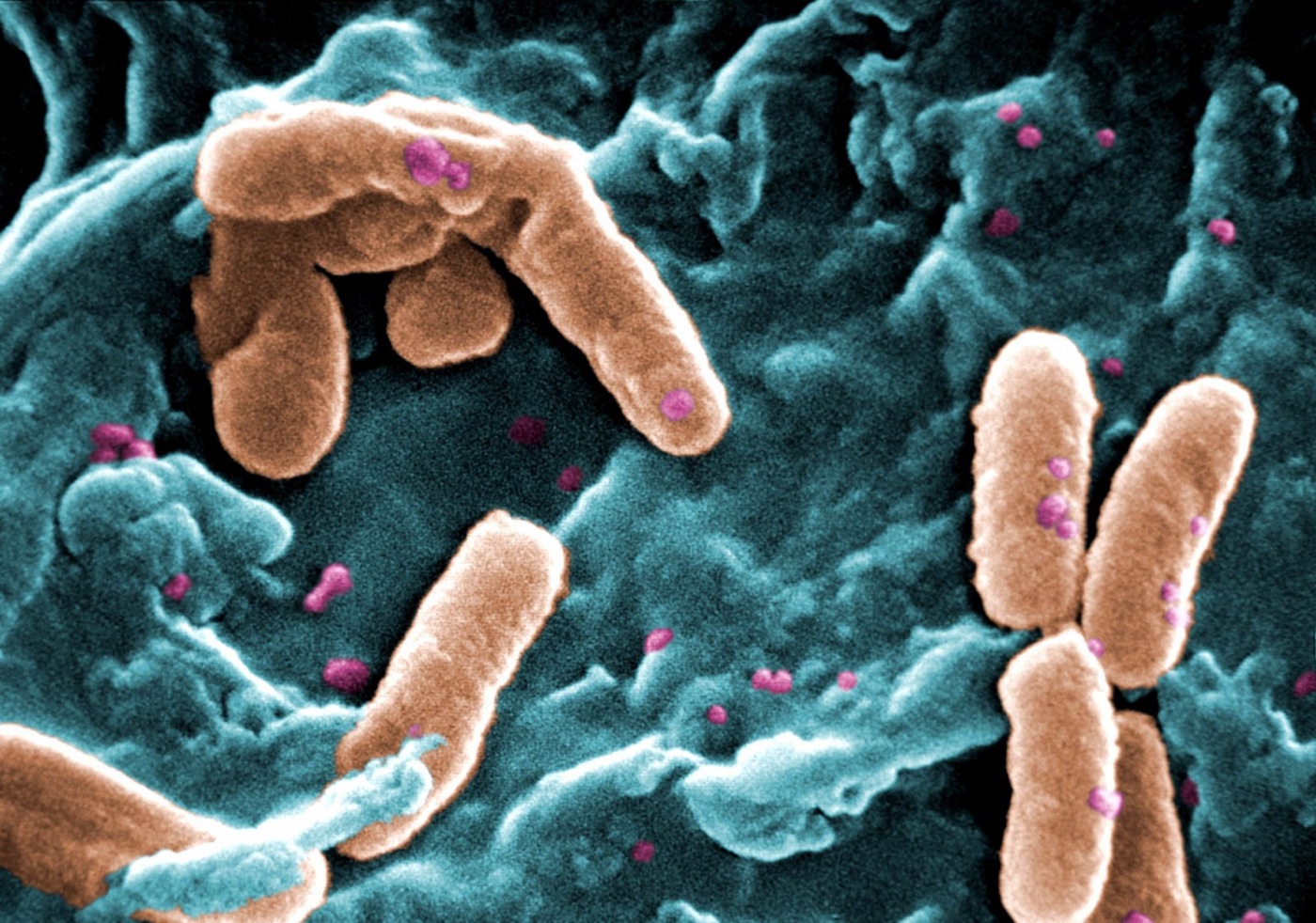
The logic behind it is the logic of the river. Organic matter in water is food. Bacteria eat it, and as they eat they breathe, drawing dissolved oxygen out of the water, the same oxygen that fish, insects and everything else in the river need. A litre of water with a lot of organic matter in it is a litre that, once bacteria get to work, will pull a lot of oxygen out of whatever river it enters. COD is the estimate of how much. It measures the dirt by the damage it could do.
That is why milk is dangerous. Milk is almost entirely food: fat, protein, sugar, all of it eagerly eaten by bacteria, all of it demanding oxygen as it is eaten. A tanker's worth in a small stream is a meal that consumes every trace of oxygen in the water for as far as it spreads, and everything that breathes in that stretch suffocates.
The scale
A number only means anything alongside other numbers, and the COD scale spans five orders of magnitude, which is part of why the industry finds it so useful.
| Water | COD, mg/L |
|---|---|
| Clean mountain stream | about 2 |
| Treated effluent, the EU discharge limit | 125 |
| Raw sewage | about 500 |
| Textile effluent | 1,000 to 3,000 |
| Plain milk | about 200,000 |
| Distillery waste | up to 100,000 |
Two things stand out. The first is how far apart the top and bottom of the scale are. A distillery's spent wash, the liquid left after alcohol has been distilled off, can carry a hundred thousand milligrams per litre, two hundred times the strength of raw sewage. The second is the position of milk, well above textile effluent, above a distillery, several hundred times raw sewage. Sewage, by this measure, is weak stuff. It is mostly water. Milk is concentrated food.
The European limit of 125 milligrams per litre for treated urban wastewater, set in the 1991 directive that still governs the sector, is the number a sewage works has to reach before it can discharge. Starting from 500 that means removing three quarters of the load, and a good plant removes far more.
How it is measured
The name gives away the method. Chemical oxygen demand is measured chemically, by forcing the breakdown that bacteria would do slowly to happen fast in a test tube.
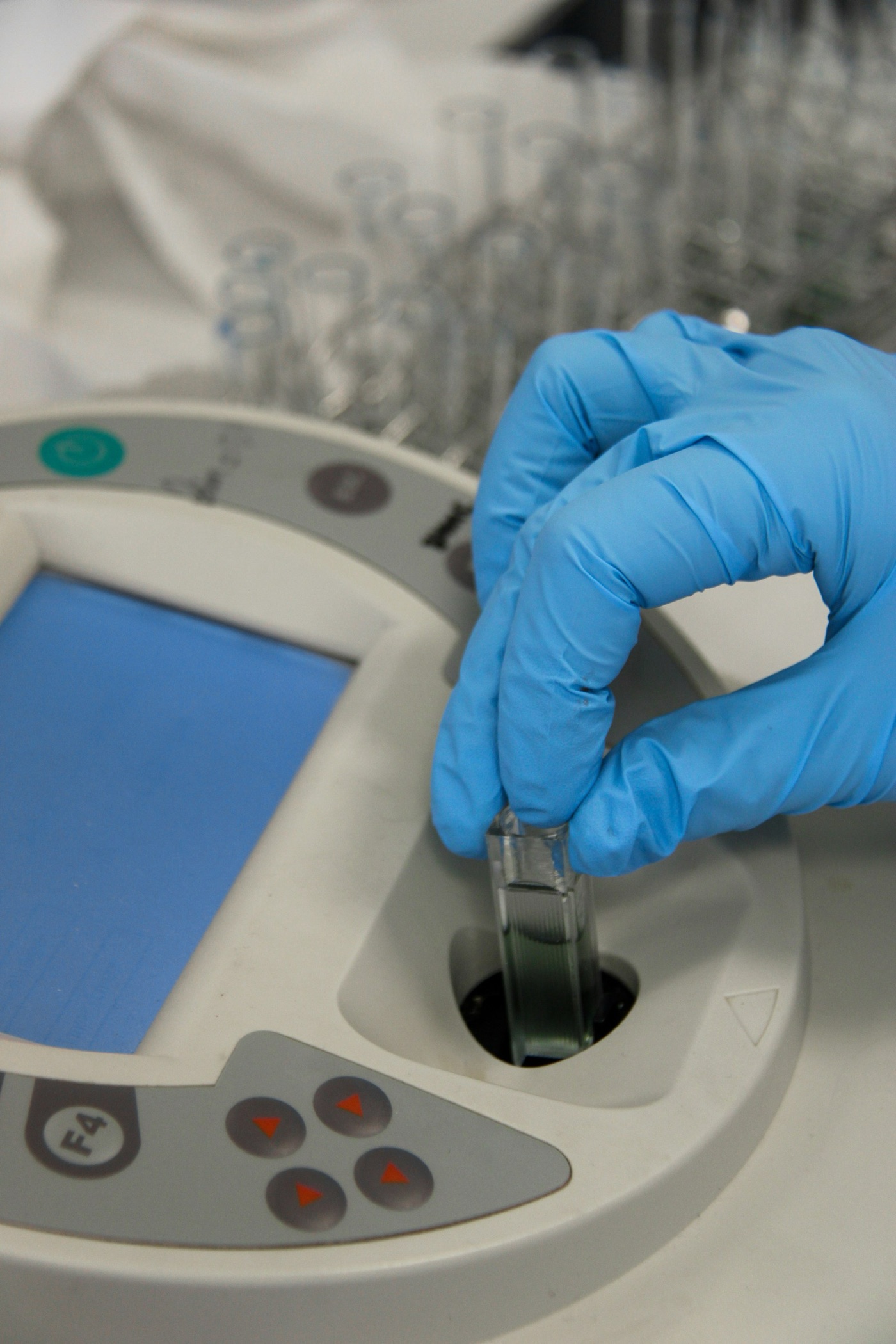
A small volume of the sample is sealed in a vial with a strong oxidising agent, potassium dichromate, and concentrated acid, and heated to 150 degrees for two hours. The dichromate attacks everything organic in the sample and is consumed in proportion to how much there was. Afterwards, the amount of dichromate left is measured, by colour or by titration, and the difference is converted into milligrams of oxygen per litre. The whole thing takes an afternoon, and a laboratory can run dozens of samples at once.
The test is blunt by design. It oxidises nearly everything, including things that no bacterium would ever eat, and it does so completely. That bluntness is a feature. It gives a fast, repeatable, worst case number, which is what a permit needs.
The sibling
COD has a sibling, BOD, and the two are always mentioned together because the comparison between them is one of the most useful things an engineer can know about a water.
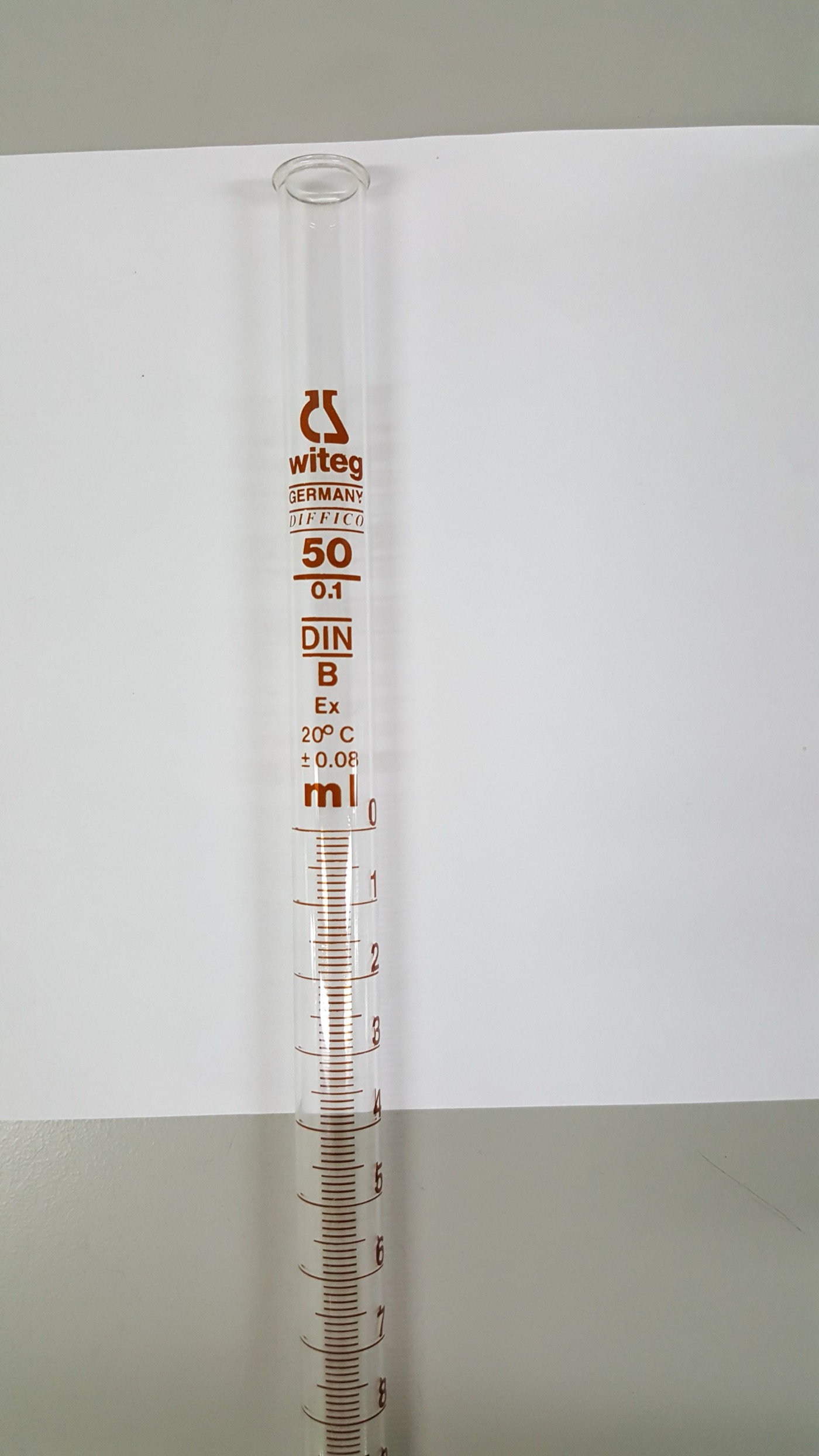
BOD, biochemical oxygen demand, measures the same thing by the slow route. A sample is seeded with bacteria, sealed in a dark bottle at 20 degrees, and left for five days. The oxygen in the bottle is measured at the start and at the end, and the difference is the BOD. It is the amount of oxygen that bacteria actually used, eating what they could actually eat, in the time a river might give them.
| COD | BOD | |
|---|---|---|
| Measures | Everything that can be oxidised | Only what bacteria can eat |
| Method | Strong chemicals, heat | Live bacteria, in the dark |
| Time | About two hours | Five days |
| Used for | Permits, plant control, daily monitoring | Checking what biology can do with a water |
The ratio between the two is the point. Sewage has a BOD of roughly half its COD: most of what is in it is food, and bacteria will eat it. A textile effluent might have a BOD a fifth or a tenth of its COD, because much of its load is dye and chemicals that bacteria cannot touch. That ratio tells an engineer, before a plant is designed, whether biology alone can clean the water or whether the expensive tertiary stage, the chemistry and the membranes, will be needed. A high COD with a low BOD is the signature of a hard effluent.
The insider number
Milk, again. The chemical oxygen demand of plain whole milk is in the region of 200,000 milligrams per litre, and the figure is worth remembering because it recalibrates everything. A single litre of milk carries the oxygen demand of four hundred litres of raw sewage. A dairy that lets a few percent of its milk go down the drain, through spills, washing and the first rinse of every tank, produces an effluent stronger than any sewage works ever sees, and a dairy's treatment plant is sized accordingly.
The same logic applies to breweries, to fruit processors, to anything that handles food. The water that leaves a food factory is, by the industry's measure, among the dirtiest water there is, not because it is foul but because it is nourishing. The industry's word for it, high strength, is a compliment to the food and a warning about the river.
A load meter, not a danger meter
Here the caveat, and it is an important one. COD measures load. It does not measure poison.
Sugar dissolved in water has an enormous COD and is entirely harmless in a glass. A drink of it does no harm; a tanker of it in a river does the same harm as milk, by the same route. Conversely, water laced with salt, or with metals, or with a persistent pesticide, can pass a COD test with a low number and still kill a river, because none of those things are organic matter and none of them show up in the test. COD tells you how much oxygen a water could take from a river. Other tests, for metals, for salt, for specific chemicals, tell you whether it is poisonous.
A well written permit carries all of them, and an experienced engineer reads the COD alongside the rest. On its own it is a measure of appetite, and appetite is what kills a river most often, but not always.
Reading a permit
A discharge permit is a short document, and most of it is a table. Down the left are the parameters, COD near the top, and across from each is a limit in milligrams per litre, a sampling frequency, and a method. The table is the contract between a plant and the river.
The limit is a concentration, which invites an obvious trick: dilute the effluent with clean water and the number falls. Regulators know this, which is why a permit also fixes the volume the plant may discharge, and why some express the limit as a load, kilograms of COD per day, which dilution cannot change. The sampling method matters as much as the limit. A grab sample, a single bottle filled at one moment, tells you about that moment. A composite sample, collected automatically in small portions over twenty four hours, tells you about the day, and it is what serious permits require, because an effluent that is clean at ten in the morning and foul at midnight is foul.
An operator's daily routine is built around this table. Sample the inlet, sample the outlet, run the COD on both, calculate the removal, log it. Over months the log becomes the plant's biography, and an experienced engineer can read a year of trouble or a year of good management from the shape of that one column of numbers.
The number that runs the industry
Every discharge permit for a treatment plant sets a COD limit. Every plant's performance is stated as the share of COD it removes. Consultants are paid by it, operators are judged by it, and regulators prosecute over it. It is, more than any other single figure, the number the wastewater industry runs on.
It also makes the earlier articles in this series read differently. The one percent of sewage that is not water is a COD of about 500. The bacteria in an ETP's aeration tank are eating COD, and the air pumped into the tank is the oxygen that COD demands. The next article is about what those bacteria become once they have eaten: the pile that every plant produces, and that nobody puts on the brochure.
Sources
- Standard Methods for the Examination of Water and Wastewater (APHA, AWWA, WEF), method 5220 (chemical oxygen demand, dichromate reflux) and method 5210 (five day biochemical oxygen demand).
- Council Directive 91/271/EEC concerning urban waste water treatment, Annex I. Discharge requirement of 125 mg/L COD (or 75% reduction).
- Typical effluent characterisation for raw sewage, textile and distillery effluent, and dairy waste, from Metcalf and Eddy, Wastewater Engineering, and published dairy effluent studies; whole milk COD in the range of 150,000 to 250,000 mg/L.
- Photographs: Cesar Chu Ortega, from water laboratories and treatment plants in India and Bangladesh; inline: Specification of burette by Chanunchida.suthi (CC BY-SA) via Wikimedia Commons; inline: Microscopic view of germ theory by Janice Carr (CC BY-SA) via Wikimedia Commons.