Plain Water: BOD
The water industry's second number for dirt is measured by sealing a bottle in the dark for five days and seeing how much oxygen disappears. Why five days, why the dark, what the number says that COD cannot, and how it decides whether biology can clean a water.
Somewhere in every water laboratory there is an incubator the size of a small fridge, set to twenty degrees, with its light off and a row of dark glass bottles inside. Nothing is done to the bottles for five days. Then they are opened, a probe is dipped in each, and a number is written down that will decide, more than any other, what a treatment plant is allowed to discharge. The number is BOD, biochemical oxygen demand, and the five days of waiting are the whole method.
This article is the companion to the one on COD, and it is best read after it. COD is the fast, blunt, chemical measure of how much oxygen a water could take from a river. BOD is the slow, living one, and the difference between them is where an engineer's judgement begins.
What the bottle measures
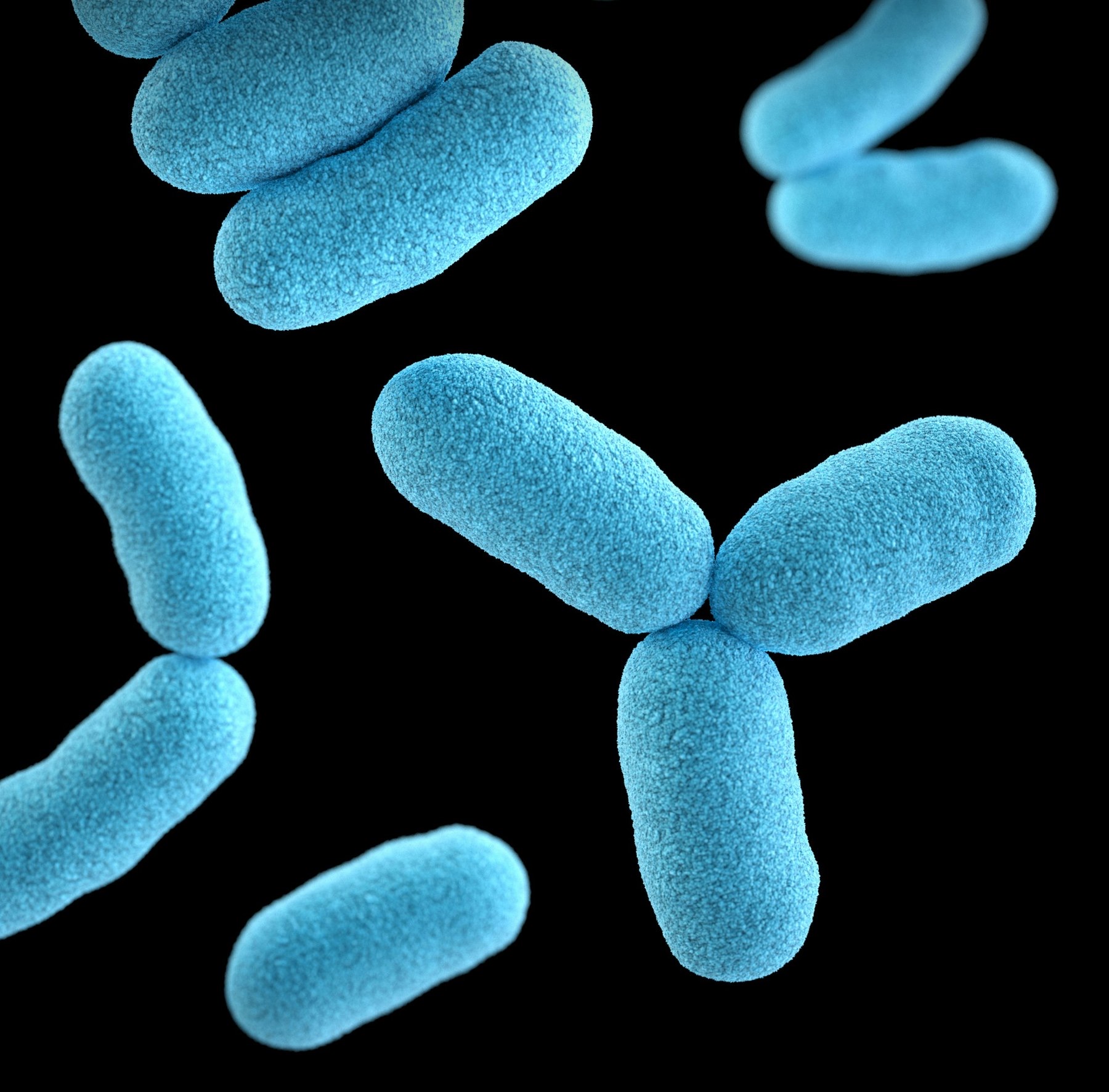
Dirt in water is food. Bacteria eat it, and as they eat they breathe, drawing dissolved oxygen out of the water. A river carries only a few milligrams of oxygen in every litre, and everything that lives in it depends on that small amount. The question the industry needs answered about any wastewater is how much of that oxygen the water will take when it reaches the river, and BOD answers it by letting the bacteria show you.
A sample of the water is diluted, seeded with a small dose of bacteria if it does not already carry its own, and sealed in a glass bottle with no air space. The dissolved oxygen in the bottle is measured. The bottle goes into the dark incubator at twenty degrees, and five days later the oxygen is measured again. The difference, scaled for the dilution, is the biochemical oxygen demand, in milligrams of oxygen per litre. It is the oxygen that living things actually consumed, eating what they could actually eat, in five days.
| The five day BOD test | |
|---|---|
| Sample | Diluted, seeded with bacteria, sealed with no air |
| Temperature | 20 °C |
| Light | None, so that algae cannot make oxygen and spoil the result |
| Time | Five days |
| Result | Oxygen at the start minus oxygen at the end, in mg/L |
Why five days, and why the dark
The dark is the easy part. Algae, given light, produce oxygen, and a sample that made its own oxygen for five days would measure a demand that was never there. The bottle stays dark so that only the eating is counted.
The five days is history. The test was standardised in Britain by the Royal Commission on Sewage Disposal, which reported between 1898 and 1915, and its scientists needed a period that represented what a river would do with an effluent. They settled on five days because that was roughly the longest time a river in England took to reach the sea, and on a temperature, eighteen degrees at the time and twenty now, that represented an English summer. The test therefore measures, quite literally, what would happen to a discharge into the Thames before it reached the estuary. The whole world adopted it, tropical rivers and Arctic ones alike, and the number five has stayed on the method for a century because everybody's records are in it.
The Royal Commission also set the first numerical standard for a treated effluent, 20 milligrams per litre of BOD and 30 of suspended solids, and the 20:30 standard, as it is still called, was the model for every discharge permit written since.
The scale
| Water | BOD, mg/L |
|---|---|
| A clean river | 1 to 2 |
| Treated effluent, the EU limit | 25 |
| Raw sewage | 100 to 300 |
| Dairy or brewery effluent | Thousands |
| Distillery spent wash | Tens of thousands |
The scale sits below the COD scale at every point, because BOD counts only what bacteria could eat in five days and COD counts everything that chemistry could burn in two hours. Raw sewage, at a BOD of around 200 and a COD of around 500, is the reference. A sewage works meeting the European standard has to bring the BOD below 25, which is a removal of about nine tenths, and a good plant reaches single figures.
What the number says that COD cannot
Here is the reason the industry keeps two numbers for the same thing. COD counts all the organic matter. BOD counts the part that is food. The ratio between them says what kind of water an engineer is dealing with, and it says it before a plant is built.
| Wastewater | BOD as a share of COD | What it means |
|---|---|---|
| Raw sewage | About a half | Mostly food; biology will clean it |
| Food and drink effluent | A half or more | Very much food; biology, and a fuel |
| Textile effluent | A fifth to a tenth | Much of the load is dye and chemicals; biology alone will not do |
| Some chemical effluents | Close to zero | Nothing to eat; chemistry and membranes |
A high BOD is, oddly, good news for a plant designer, because it means the water can be cleaned by the cheapest method there is: a tank of bacteria and a blower. A high COD with a low BOD is the signature of a hard effluent, one that will need coagulants, membranes or oxidation, at many times the cost. The article on the ETP explains what those stages are; the ratio explains which of them will be needed.
The river as the original test
The bottle imitates a river, and the river's own version of the test has a shape that every water engineer learns to draw.
Downstream of a discharge, the dissolved oxygen in a river does not fall all at once. It falls gradually, as the bacteria multiply and eat, reaches a low point some distance below the outfall, and then recovers as the food runs out and oxygen from the air dissolves back into the water faster than it is used. Plotted along the river, the oxygen makes a curve like a sag in a rope, and the low point of the sag is where the fish die if the load is heavy enough. The curve was first described in 1925 by two engineers studying the Ohio River below Cincinnati, and their equation is still used to work out how much BOD a river can take before the sag reaches the bottom.
Everything about the sag follows from BOD. A larger load makes a deeper sag. A warmer river makes a faster and deeper one, because the bacteria eat faster and warm water holds less oxygen. A slow, deep river recovers slowly; a fast, shallow, rocky one recovers quickly, because turbulence dissolves air. The permit limit of 25 milligrams per litre exists so that, given the river's flow and temperature, the sag never reaches the level at which life stops, and the figure is set by working the curve backwards from the fish.
The catch in the bottle
The test has one well known complication, and every laboratory knows to handle it.
Bacteria eat two things in wastewater: carbon, which is what BOD is meant to measure, and ammonia, which a second group of bacteria oxidise into nitrate, using oxygen as they do. That second appetite, the nitrogenous demand, usually begins after a few days and can add a large and misleading amount to a five day result. Modern practice adds a chemical to the bottle that suppresses the ammonia eaters, so that the number reported is the carbonaceous BOD, the part that describes the organic dirt. A permit will say which it means. It is the kind of detail that decides prosecutions.
There is a second, smaller catch: the test is only as good as its bacteria. A sample from an industrial plant may carry something that inhibits them, a disinfectant or a metal, and then the bottle reports a low demand not because the water is clean but because the eaters were poisoned. An experienced analyst reads a suspiciously low BOD against the COD and knows what has happened.
Five days is a long time to run a plant
The obvious weakness of BOD is speed. A plant operator who wants to know what is arriving at the inlet cannot wait five days for the answer, and a factory that has just had a spill needs to know today. That is why COD, with its two hour turnaround, is the number that runs a plant day to day, and BOD is the number that appears on the permit and in the monthly report. Newer instruments, respirometers that measure oxygen uptake in hours and online sensors that estimate BOD from the way a water absorbs ultraviolet light, have narrowed the gap, and most large plants now watch a proxy continuously and confirm it with the bottle.
Where the number comes from, and where it goes
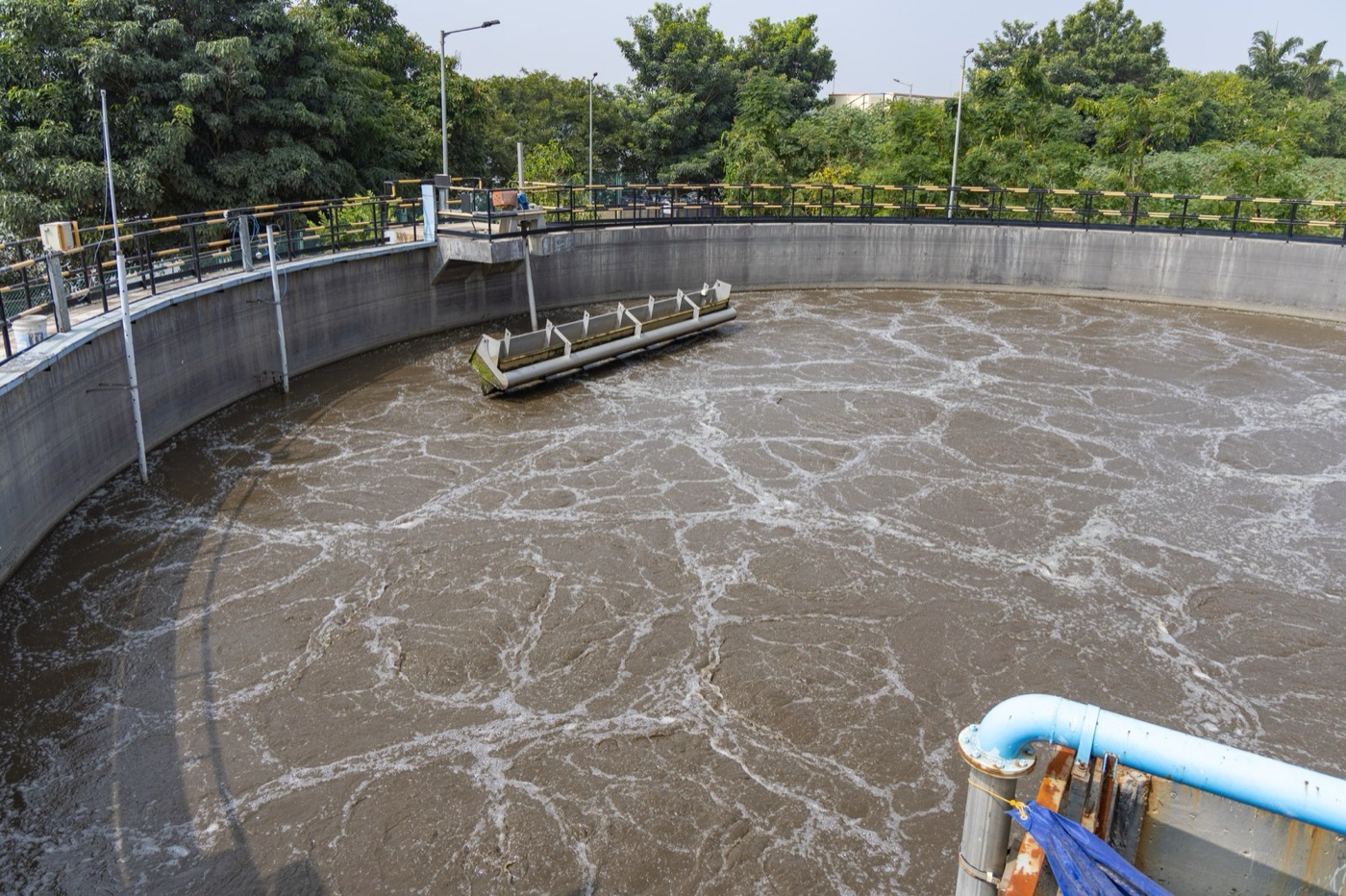
The bottle in the dark is a river in miniature. It asks what the bacteria in a stream would do with a discharge, in the time that stream would take to reach the sea, and it answers in the only currency a river cares about, which is oxygen. The activated sludge tank at the heart of every treatment plant, described in the ETP article, is the same experiment run deliberately, at scale, with air pumped in so that the eating happens in a tank rather than in the river.
BOD and COD, read together, are the two numbers on which the wastewater industry is built, and they are the pair to hold onto when reading the rest of this series. One counts the appetite. The other counts everything on the plate. The gap between them is the plant.
Sources
- Standard Methods for the Examination of Water and Wastewater (APHA, AWWA, WEF), method 5210 B, five day BOD test at 20 °C.
- Royal Commission on Sewage Disposal (UK), eighth report, 1912. Origin of the five day, 65 °F (18.3 °C) test and the 20:30 standard for treated effluent.
- Council Directive 91/271/EEC, Annex I: 25 mg/L BOD5 for treated urban wastewater, or 70 to 90 percent reduction.
- Metcalf and Eddy, Wastewater Engineering. Typical raw sewage BOD of 100 to 300 mg/L; BOD to COD ratios by wastewater type; nitrogenous demand and its suppression in the test.
- Photographs: bacteria illustration by the US Centers for Disease Control, public domain; Cesar Chu Ortega, from water laboratories in India and Bangladesh; inline: Aeration tank activated sludge process STP Bengaluru India by Vraj Acharya, WELL Labs (CC BY-SA) via Wikimedia Commons; inline: Profileurs Deep Arvor testés en bassin d'essais (Ifremer 00702-81390 - 33998) by Stephane Lesbats (CC BY) via Wikimedia Commons.