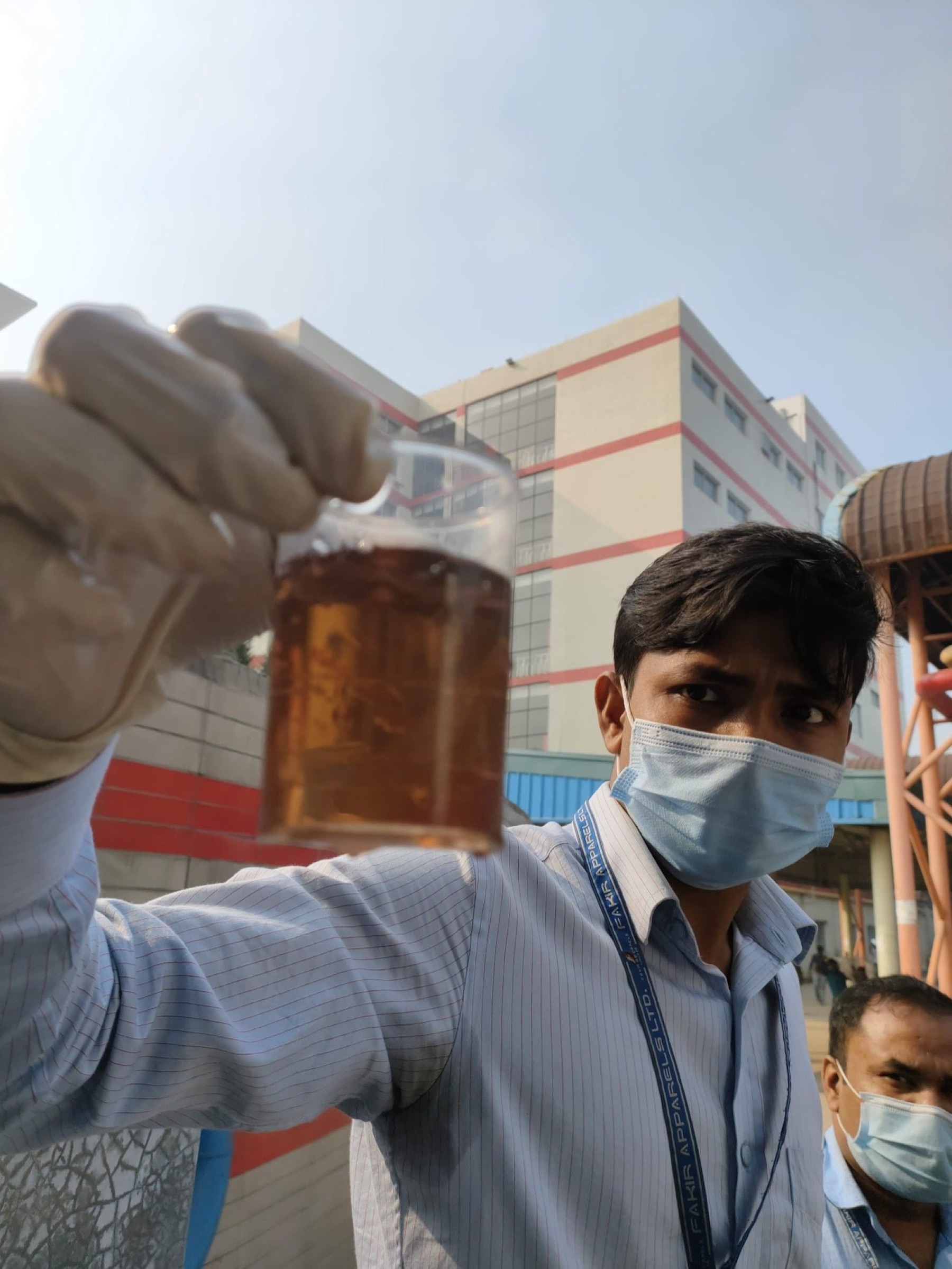
Plain Water: Disinfection
The step that made cities survivable is a small dose of chlorine, a lamp, or a gas made from air, applied to water that already looks clean. How each one kills, why a plant chooses one over another, the parasite that chlorine cannot touch, and what the smell at the tap is for.
At the far end of every drinking water plant, after the water has been settled, filtered and polished until it is perfectly clear, there is one more step, and it is the one that made cities possible. The water looks finished. It is not safe. What remains in it is too small to see and too numerous to count, and the last stage of the plant exists to kill it.
Disinfection is the reason that cholera and typhoid, which killed people in every city in the world into the twentieth century, are absent from the water of any city that can afford a treatment plant. It is done with one of three tools, and the choice between them, and the smell that one of them leaves at the tap, is the subject of this article.
What is being killed
Clear water can carry bacteria, viruses and protozoa, the three classes of organism that cause waterborne disease, and none of them are visible. The bacteria, cholera, typhoid and the E. coli that signals faecal contamination, are about a micron across. The viruses, hepatitis A, norovirus, polio, are a hundred times smaller. The protozoa, Giardia and Cryptosporidium, are larger than bacteria and armoured: they travel as cysts with a tough wall that resists most things, including, in the case of Cryptosporidium, chlorine.
Filtration removes most of these, and the membranes described elsewhere on this site remove nearly all of them. Disinfection is the guarantee. It is applied after filtration on the assumption that the filters were imperfect, and it is measured by how much of a given organism it kills, in orders of magnitude: a treatment that kills 99.9 percent of a bacterium is said to give three log removal, and a plant's permit is written in logs.
Chlorine
Chlorine was the first tool and it is still the commonest. It was used experimentally in England in the 1890s and continuously, for the first time on a whole city, in Jersey City, New Jersey, in 1908, after which the death rate from typhoid in American cities fell by more than half within a decade. It is dosed as a gas, as a liquid bleach, or as a solid, and in the water it forms hypochlorous acid, which passes through the wall of a bacterium and destroys the enzymes inside.
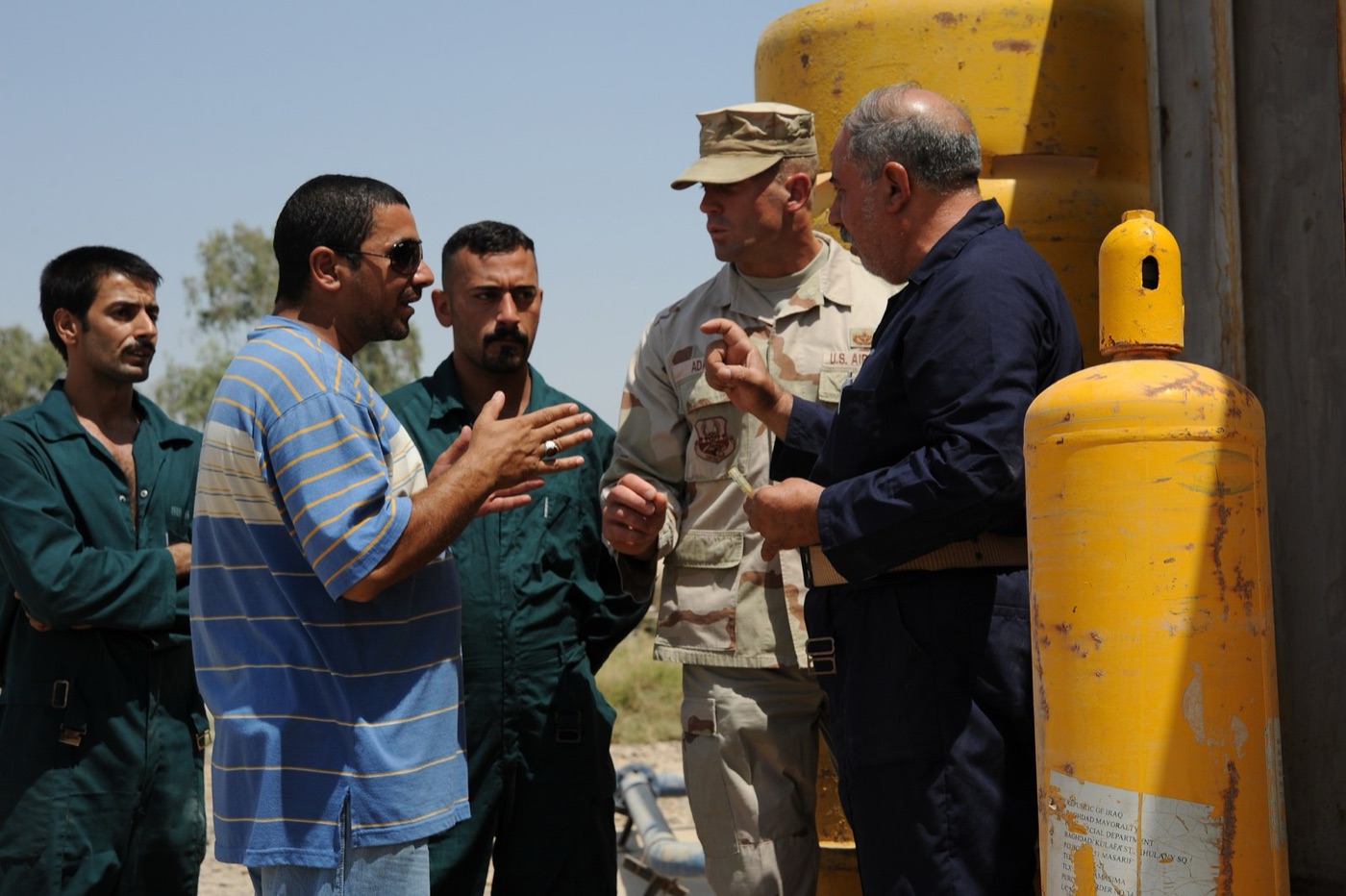
Its virtues are that it is cheap, effective against bacteria and viruses, and persistent. A dose that leaves a small residual in the water goes on working for hours or days, through kilometres of pipe, and that persistence is the reason chlorine is used in almost every network on Earth, even those that disinfect with something else at the plant. The World Health Organization recommends a free chlorine residual of 0.2 to 0.5 milligrams per litre at the tap, and that residual is the faint smell of a swimming pool that some people dislike in their drinking water. It is the guard on the journey, and its presence means the guard is still awake.
Its weaknesses are two. Chlorine reacts with natural organic matter in the water, the traces of leaves and soil that any river carries, to form byproducts, trihalomethanes among them, which are regulated and which a plant controls by removing the organic matter before the chlorine is added. And chlorine does not kill Cryptosporidium, whose cyst wall shrugs it off at any dose a plant could use. That weakness was theoretical until 1993.
Milwaukee
In the spring of 1993, over about two weeks, roughly 400,000 people in Milwaukee, Wisconsin, a quarter of the city, fell ill with watery diarrhoea, and more than a hundred of them, most with weakened immune systems, died. The city's water was chlorinated, filtered and met every standard in force. The cause was Cryptosporidium, carried into Lake Michigan by spring runoff, passing a filtration plant that was performing poorly, and untouched by the chlorine. It remains the largest waterborne disease outbreak in American history, and it changed the rules. Plants drawing from surface water were required to prove their filters removed the parasite, and the industry looked hard at the two tools that chlorine could not replace.
Ultraviolet light
Ultraviolet disinfection passes the water past lamps that emit light at a wavelength, around 254 nanometres, that is absorbed by DNA. The light breaks the DNA of any organism that passes, so that it cannot reproduce, and an organism that cannot reproduce cannot cause infection. It kills Cryptosporidium and Giardia at low doses, which chlorine cannot, it adds nothing to the water and forms no byproducts, and it takes a few seconds.
Its weakness is that it leaves no residual. The moment the water leaves the lamp, it is unprotected, and anything that enters the pipe downstream will grow. UV is therefore used at the plant, against the parasites, and chlorine is added afterwards for the journey. It also needs clear water, because particles shade the organisms behind them from the light, and lamps that are kept clean, because a film on the sleeve absorbs the light before it reaches the water.
Ozone
Ozone is oxygen with a third atom, a gas that is made on site by passing dry air or oxygen through an electrical discharge, and bubbled into the water. It is the strongest of the three disinfectants, killing everything including Cryptosporidium, and it has a second use: it breaks down the organic molecules that cause taste and odour, and the ones that chlorine would otherwise turn into byproducts. Cities that draw from rivers with taste problems use ozone for the water's flavour as much as for its safety.
Its weaknesses are cost, because the generators use a great deal of electricity and ozone cannot be stored, and, again, no residual: ozone decays in the water within minutes. And in water containing bromide, which many rivers and all seawater do, ozone forms bromate, a byproduct that is regulated more tightly than chlorine's. As with UV, a plant using ozone adds chlorine afterwards for the pipes.
| Disinfectant | Kills bacteria and viruses | Kills Cryptosporidium | Residual in the pipes | Byproducts | Cost |
|---|---|---|---|---|---|
| Chlorine | Yes | No | Yes, for days | Trihalomethanes and others | Low |
| Chloramine | Slowly | No | Yes, longer and weaker | Fewer | Low |
| Ultraviolet | Yes | Yes | None | None | Moderate |
| Ozone | Yes | Yes | None | Bromate, in water with bromide | High |
Chloramine, the quieter cousin
Many large cities, London among them, do not send chlorine into their pipes. They send chloramine, which is chlorine combined with a small dose of ammonia, and the choice is a trade.
Chloramine is a weaker disinfectant than free chlorine, too weak to be the main kill at the plant, but it lasts much longer in the network, days rather than hours, and it forms far fewer of the byproducts that chlorine does. For a city with a long network, warm summers and water from a river with organic matter in it, that combination is attractive: chlorine or ozone or UV does the killing at the works, and chloramine keeps the pipes guarded to the last house without the smell and without the trihalomethanes. Its disadvantages are small and specific. It is toxic to fish, so an aquarium filled from a chloraminated tap needs a conditioner. It has to be removed from water used for kidney dialysis. And in old networks with certain bacteria in them it can be broken down to release ammonia, which then feeds the very growth it was meant to prevent, so a chloraminated system has to be watched. Most people never learn which their city uses, and the water tastes much the same.
How much is enough
Disinfection is dosed by a rule that every operator knows as CT: the concentration of the disinfectant, multiplied by the time the water is in contact with it. A low dose for a long time and a high dose for a short time can give the same kill, and the plant is designed so that water spends a set number of minutes in a contact tank after the chlorine is added before it leaves. The CT needed depends on the organism, the temperature and, as the pH article explained, the pH, because chlorine is far more effective in slightly acid water than in alkaline. Cold, alkaline water in winter needs more chlorine, or more time, than warm summer water, and the dose is adjusted daily.
The other end of the plant
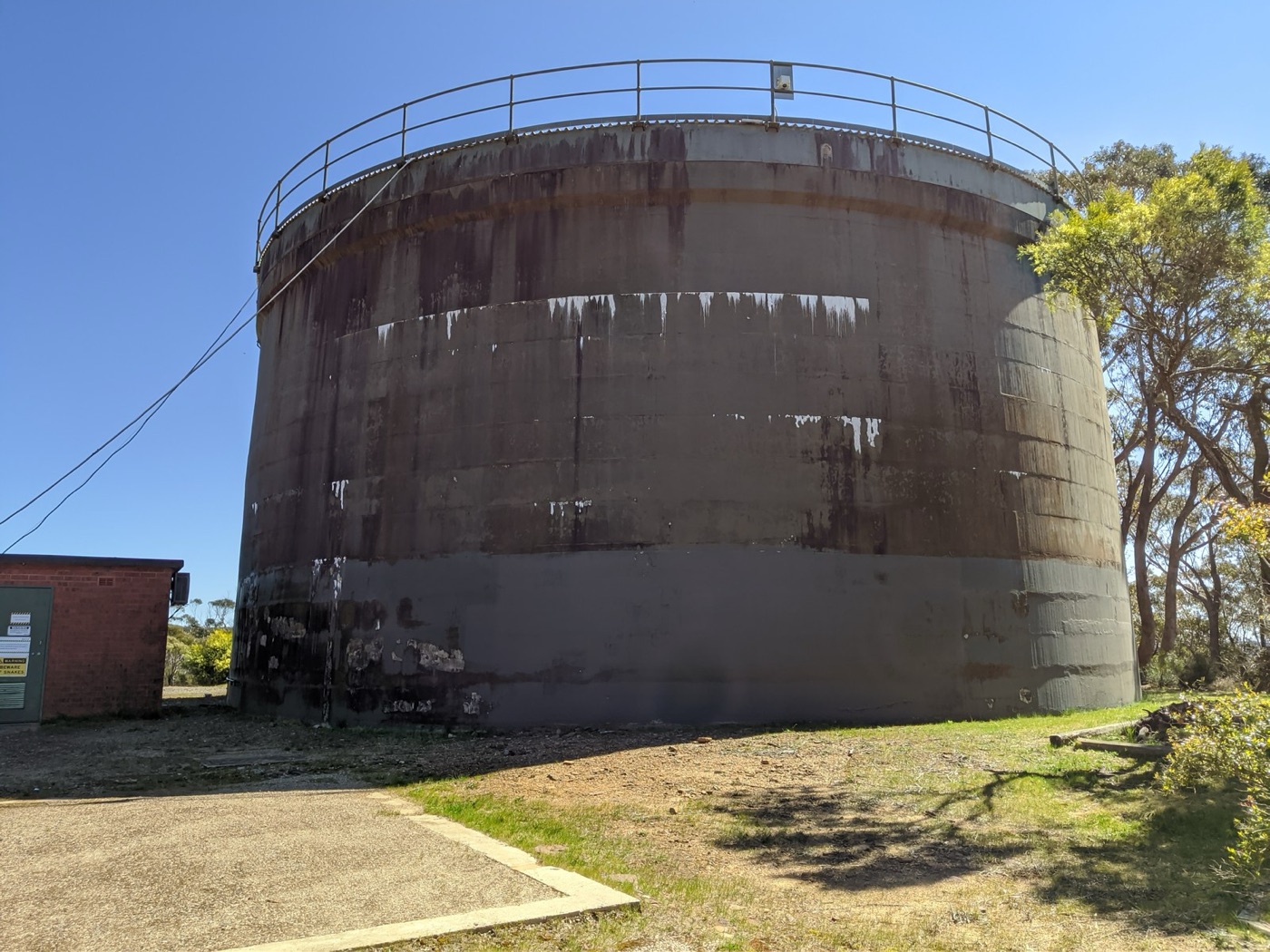
Disinfection is also the last step of a sewage works, before treated effluent goes to a river, and there its purpose is to protect the people downstream who swim in, fish from or drink from the river rather than the people upstream who produced the water. Sewage works use the same three tools, with UV increasingly preferred because chlorine residual in a river harms the life in it. A plant that discharges to a bathing beach or above a drinking water intake disinfects; one that discharges to the open sea often does not.
The smell at the tap
The chlorine at the tap, then, is the residual: a fraction of a milligram per litre, left on purpose, so that the water is protected all the way from the plant to the glass. It is the cheapest insurance in public health, it is why the bottle in the earlier myth article had no equivalent, and the taste can be removed by leaving a jug in the fridge for an hour, by which time its work is done. Every disinfectant in this article has a weakness, and the pairing of two of them, one to kill at the plant and one to guard the pipes, is how a modern city drinks from its taps without thinking about cholera at all.
Sources
- World Health Organization, Guidelines for Drinking water Quality: free chlorine residual of 0.2 to 0.5 mg/L at the point of delivery; disinfection byproducts; Cryptosporidium and chlorine resistance.
- MacKenzie, W.R. et al. (1994). A massive outbreak in Milwaukee of Cryptosporidium infection transmitted through the public water supply. New England Journal of Medicine 331. About 403,000 people ill.
- US EPA, Long Term 2 Enhanced Surface Water Treatment Rule, and the CT concept for disinfection credit.
- History: Jersey City continuous chlorination, 1908 (Leal and Fuller); Maidstone, Kent, 1897.
- Photographs: Cesar Chu Ortega, from treatment plants in Bangladesh and India; inline: Airman Puts Confiscated Chlorine Gas To Good Use DVIDS108509 by Tech. Sgt. Paul Villanueva II (public domain) via Wikimedia Commons; inline: Wentworth Falls Reservoir by Radiotrefoil (CC BY-SA) via Wikimedia Commons.