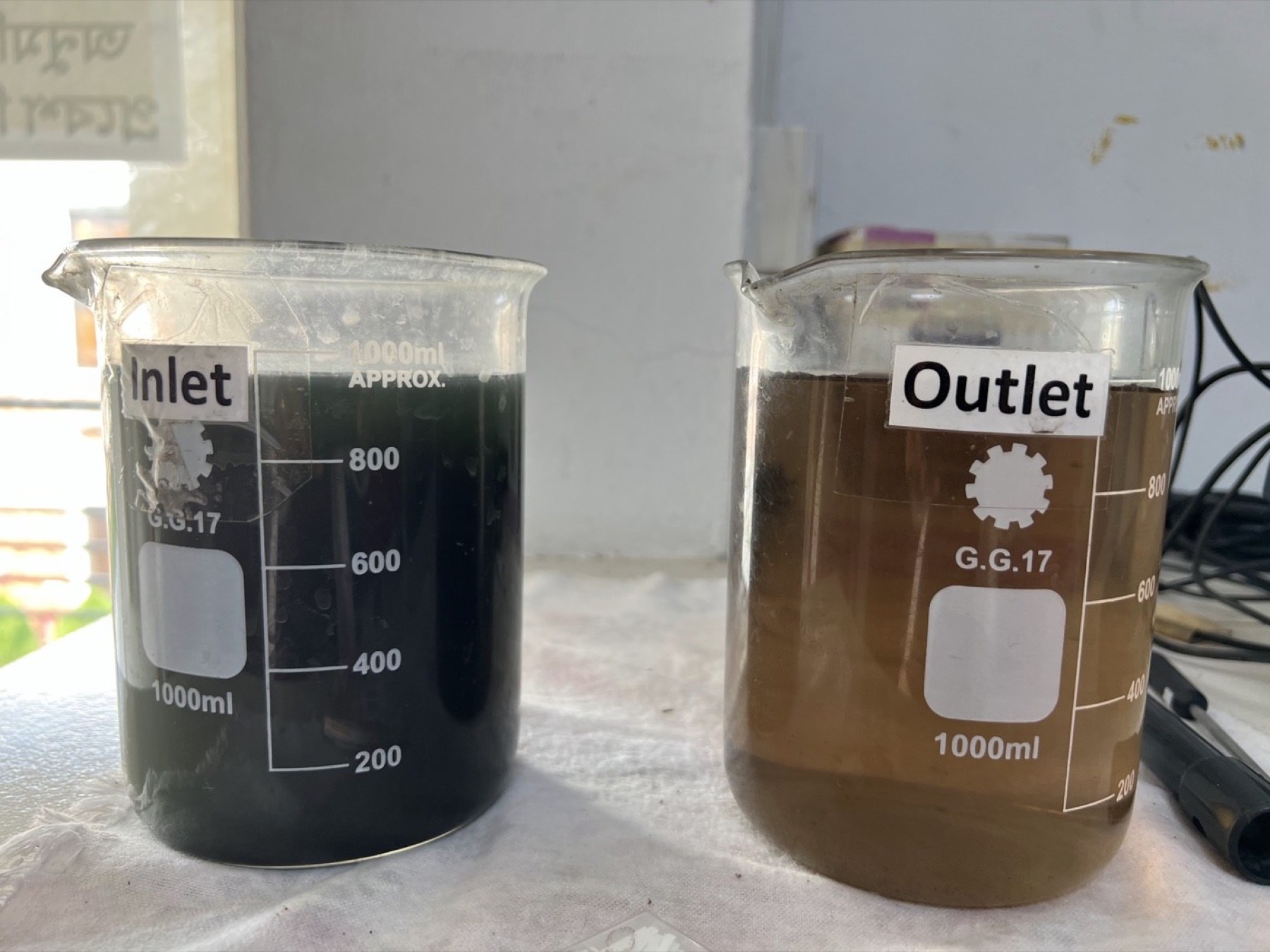
Plain Water: Greywater
Half to two thirds of the water that leaves a home was only lightly used, in the shower, the basin and the washing machine. The industry calls it greywater, it could flush every toilet in the house, and the reasons it usually does not are worth understanding before anyone fits a tank.
The water that leaves a house through its drains is not all the same water. The toilet sends the sewage that every earlier article on this site has followed to the plant. The kitchen sink sends fat and food. But the shower, the bath, the basins and the washing machine send something else: water that is warm, faintly soapy, and hardly dirty at all, in a volume that adds up to more than half of everything the house discharges. The industry has a name for it, greywater, and a use for it, which is the subject of this article, along with the reasons it is used less often than it might be.
What greywater is
Greywater is the used water from bathing, washing and laundry. It is defined by what it excludes: the toilet, whose water is called blackwater and carries the pathogens that treatment exists for, and usually the kitchen sink, whose water carries fat, food and enough organic load to behave like sewage. What remains is water that has washed a person or their clothes, and it is the largest share of a household's discharge.
| Source | Share of household wastewater | What it carries |
|---|---|---|
| Shower and bath | About a third | Soap, skin, hair, warmth |
| Washing machine | About a fifth | Detergent, lint, some dirt |
| Basins | About a tenth | Soap, toothpaste |
| Toilet | About a quarter to a third | Blackwater, the pathogens |
| Kitchen sink and dishwasher | The rest | Fat, food, high organic load |
Greywater carries far less organic load than sewage, on the order of a fifth, and far fewer pathogens, though not none: bathwater from a household with a stomach bug carries the bug. It carries detergent, which in some products means boron and salt that a garden does not want. And it carries warmth and food enough that, left in a tank, it begins to go off within a day, which turns out to be the central engineering fact about it.
The obvious second use
The toilet is the obvious customer. A toilet takes about a quarter of a home's water and uses it to move waste a few metres to a drain, a job that does not require water fit to drink. Every flush in a European house uses water that was treated to drinking standard, pumped across the city, and is used once. Greywater from the same house's showers, of which there is more than enough, could do the job instead.
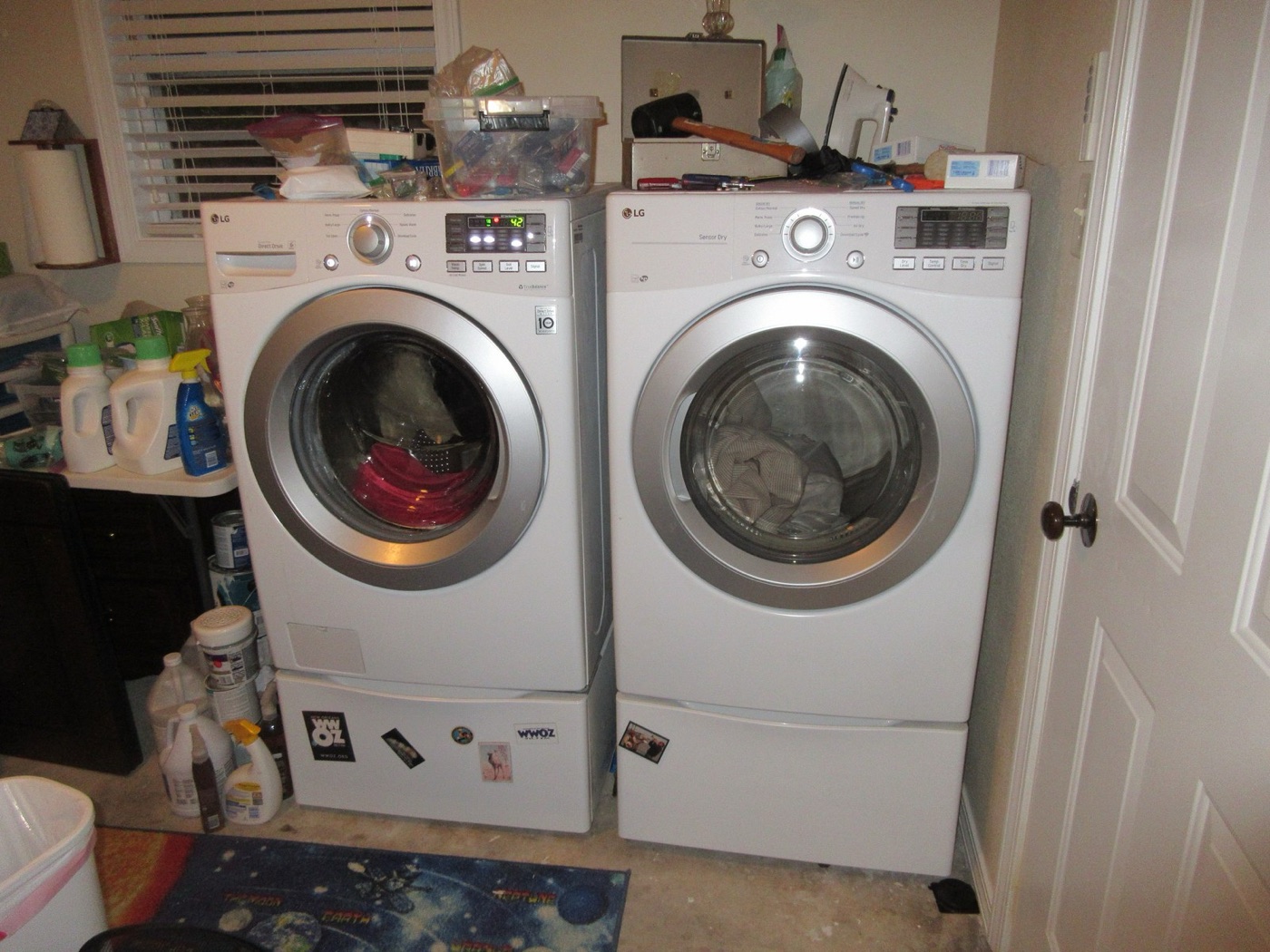
A greywater system makes that connection. The shower and laundry drains are plumbed separately from the toilet and kitchen, into a tank, usually in a cellar, garage or under the ground outside. The water is coarsely filtered to remove hair and lint, treated to stop it going off, stored for no more than a day or so, and pumped through its own pipework to the toilet cisterns and, where there is one, the garden. A float valve tops the tank up from the mains when the showers have not supplied enough, and an overflow sends surplus to the sewer.
| A greywater system | |
|---|---|
| Collects | Shower, bath, basin and laundry water |
| Filters | Hair, lint and grit |
| Treats | Disinfection with chlorine or UV; in larger systems, a biological stage or a membrane |
| Stores | Less than a day for untreated water; longer once treated |
| Supplies | Toilet flushing, garden irrigation, sometimes laundry |
| Saves | Roughly a third of a household's mains water |
The treatment question
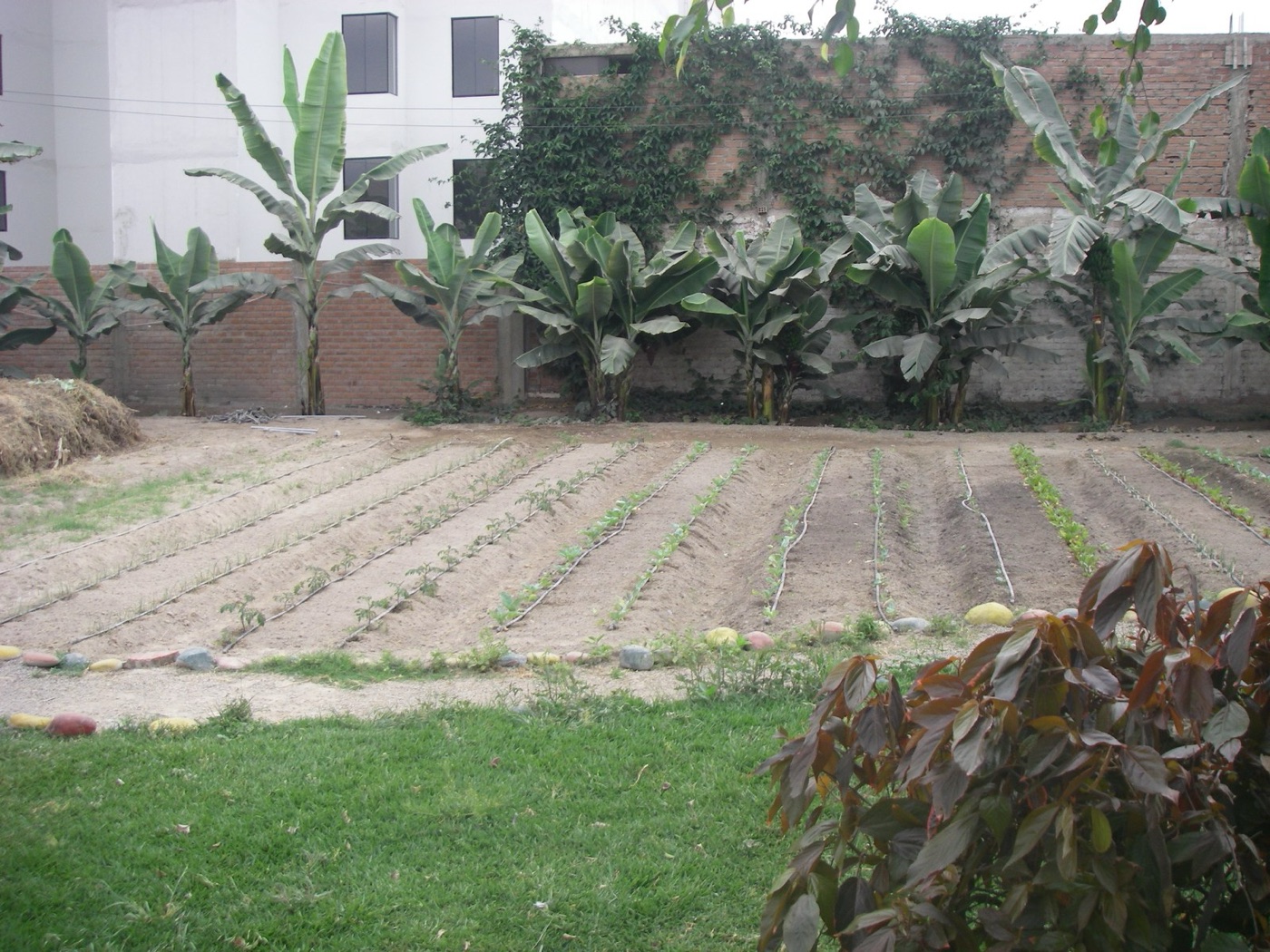
The simplest systems, which divert washing machine water straight onto a garden through a hose, do no treatment at all and rely on using the water immediately, on the soil, where the soil's own bacteria finish the job. California's plumbing code allowed exactly this in 2009, laundry to landscape, without a permit, and it is the commonest form of greywater reuse in the American West.
Anything that stores the water needs more. Greywater at room temperature is a nourishing broth, and within twenty four hours it develops a smell and a population of bacteria that nobody wants in a toilet cistern. Systems for toilet flushing therefore either use the water within a day or treat it: filtration, then chlorine or an ultraviolet lamp, and in the larger systems that serve a block of flats or a hotel, a small biological stage or a membrane bioreactor of the kind the ETP article describes, at household scale. The British standard for greywater systems and the World Health Organization's guidelines both set out what treated greywater has to meet before it goes to a cistern, and it is cleaner than most people's baths.
Where it is done
Greywater reuse is common where water is scarce or expensive and the buildings are new.
Australia's cities, during the Millennium Drought of the 2000s, subsidised tens of thousands of household systems, from laundry hoses to full treatment units, and greywater to the garden became ordinary in Melbourne and Adelaide. Jordan, one of the most water short countries on Earth, has run greywater programmes in villages and cities for two decades and requires reuse in some new developments. Cyprus subsidises household systems. Israel, Singapore and parts of Japan reuse greywater in large buildings as a matter of course, and hotels in dry resorts do it because their laundry and their gardens are next to each other. In Germany and Britain the systems exist, are sold, and are fitted in a small share of new homes, mostly by people who wanted one.
Why it is not everywhere
The reasons are practical and they are worth stating plainly, because the idea is so obviously sensible that its rarity puzzles people.
Mains water is cheap. In most of Europe a household pays a few euros for a cubic metre of drinking water, and a system that saves a third of a family's use saves a few tens of euros a month. A greywater system with a tank, a pump, a filter and a disinfection unit costs several thousand to install, plus the second set of pipes to every toilet, and at mains prices the payback is measured in decades. In a new building, where the second pipework costs little to lay, the sum improves. In an existing house, where floors and walls have to be opened, it rarely does.
Storage is the enemy. The water has to be used within a day or treated, and treatment is a small plant in the cellar that needs a lamp changed, a filter cleaned, a chlorine tablet replaced, by someone who remembers. Systems fitted with enthusiasm and left alone stop working within a few years, and the surveys of installed systems in every country find a share of them switched off.
Regulation is cautious, for good reason. A cross connection between a greywater pipe and a drinking water pipe, made by a plumber who did not know which was which, puts treated bathwater in the kitchen tap. Every standard requires the greywater pipework to be marked and physically separated, and every utility worries about the connection it did not inspect.
And the sewage works needs the water. This is the reason the industry itself raises most often. A city's sewers were designed for the flow that its houses produce, and a sewer that receives less water, as greywater is diverted, carries the same solids in a slower, more concentrated stream, and blocks more often. A city that reused all its greywater would have to flush its sewers with something.
| Why greywater systems are rare | |
|---|---|
| The price of mains water | Cheap enough that the saving is small |
| The cost of a second set of pipes | High in an existing house, low in a new one |
| Storage | Untreated greywater goes off within a day |
| Maintenance | A small plant in the cellar, which has to be looked after |
| Cross connection risk | Regulation is strict, and inspection is real |
| The sewer downstream | Designed for the full flow |
The other tank: rainwater
Greywater is often confused with rainwater harvesting, and the two are different answers to different questions. A rainwater tank collects what falls on the roof, which is clean, cold and free of soap, and stores it for the garden, the toilet or the washing machine. It needs no treatment beyond a leaf screen for garden use, it can be stored for months, and its supply depends on the weather: a large tank in a wet winter and an empty one in the dry summer when the garden wants it most. Greywater arrives every day the household showers, in the same volume winter and summer, and cannot be stored beyond a day untreated. The two are complementary, and the buildings that do best fit both: the rain tank for storage and the garden, the greywater system for the daily toilet flushing that a rain tank cannot reliably cover. Where only one can be afforded, the greywater system saves more water in a city and the rain tank saves more in a house with a garden and a wet climate.
When it makes sense
Greywater reuse pays in three settings, and the industry's advice is to fit it there and not to force it elsewhere. New buildings, especially blocks of flats, hotels and offices, where the pipework is free to lay and a single plant serves many toilets. Dry countries and dry regions, where water is expensive or rationed and the garden is the largest use. And homes with gardens in any climate, where a laundry hose and a bed of shrubs need no tank, no pump and no permit.
Fitted in the right place, a greywater system takes a third off a household's water without anyone noticing, and it is one of the few water measures that a family can install and see working. Fitted in the wrong place, it is a tank in the cellar that stopped in year three. The idea is sound in both cases; the difference is the plumbing, the price and the person who remembers the filter.
Sources
- Metcalf and Eddy, Wastewater Engineering. Greywater as a share of domestic wastewater, and its typical composition.
- British Standard BS 8525 (2010), Greywater systems, and WHO Guidelines for the Safe Use of Wastewater, Excreta and Greywater (2006).
- Melbourne Water and the Victorian government: greywater system uptake during the Millennium Drought.
- Photographs: Cesar Chu Ortega, from a treatment plant in Bangladesh; inline: Laundry time by Infrogmation of New Orleans (CC BY) via Wikimedia Commons; inline: School garden (3109541865) by SuSanA Secretariat (CC BY) via Wikimedia Commons.