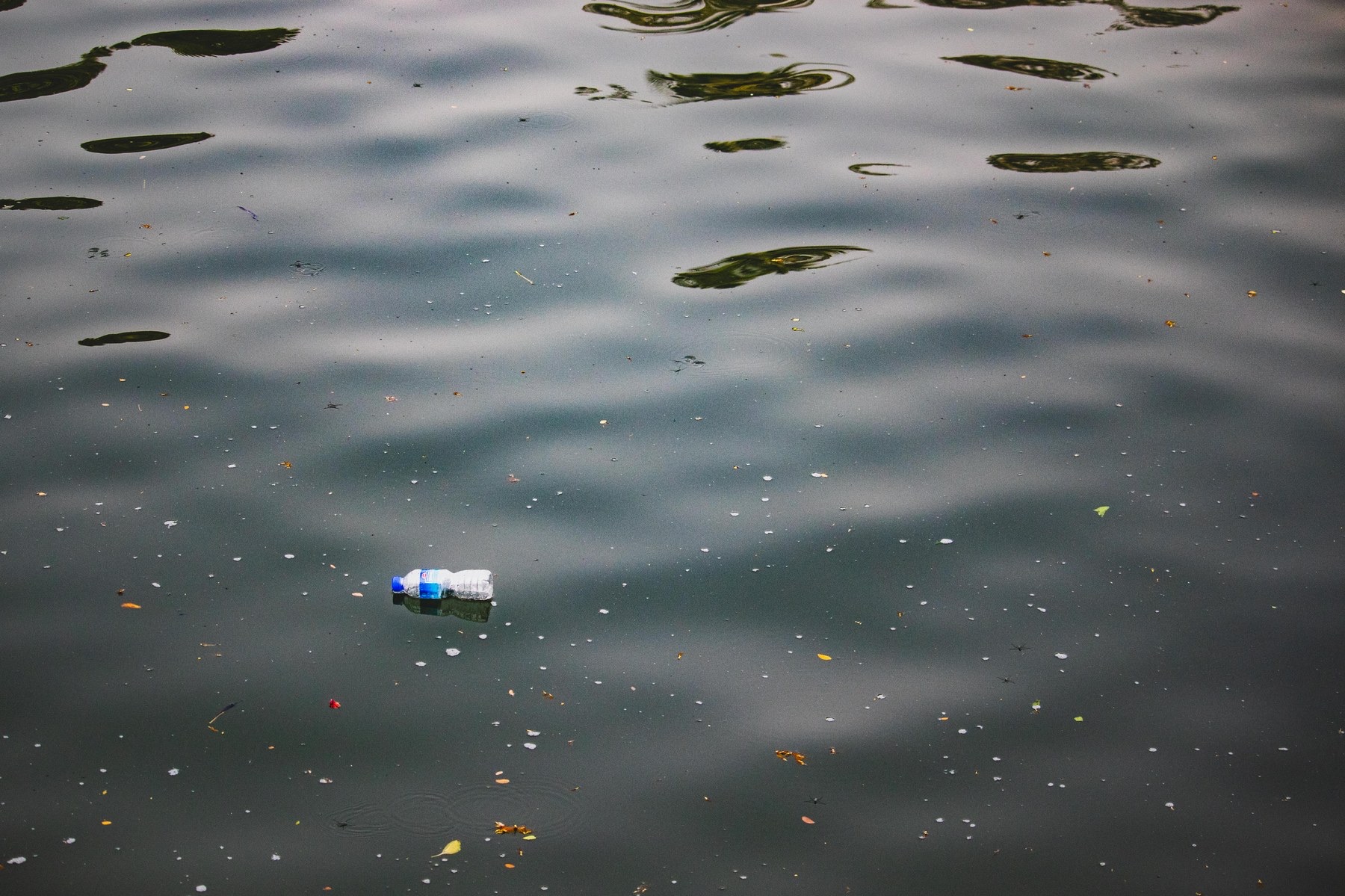
Plain Water: Microplastics
Every litre of bottled water tested with the newest instruments holds around a quarter of a million pieces of plastic too small to see, and tap water holds fewer, because a treatment plant removes most of them. What microplastics are, how they got into water, what a litre actually contains, what the science does and does not know about the harm, and why the answer is a filter that already exists.
In January 2024 a group of chemists at Columbia University published a count that changed the subject. Using a laser microscope that could see and identify plastic particles a hundredth the size of anything counted before, they examined three brands of bottled water and found, on average, about 240,000 pieces of plastic in every litre. Nine tenths of them were smaller than a micron, below the reach of every earlier study, which had found a few hundred pieces and had been alarming enough. The plastic had not increased. The instrument had.
This article is about what is in the water, where it came from, what is and is not known about what it does, and why the one clear answer, which is the treatment plant, points the opposite way from where most people look.
What they are
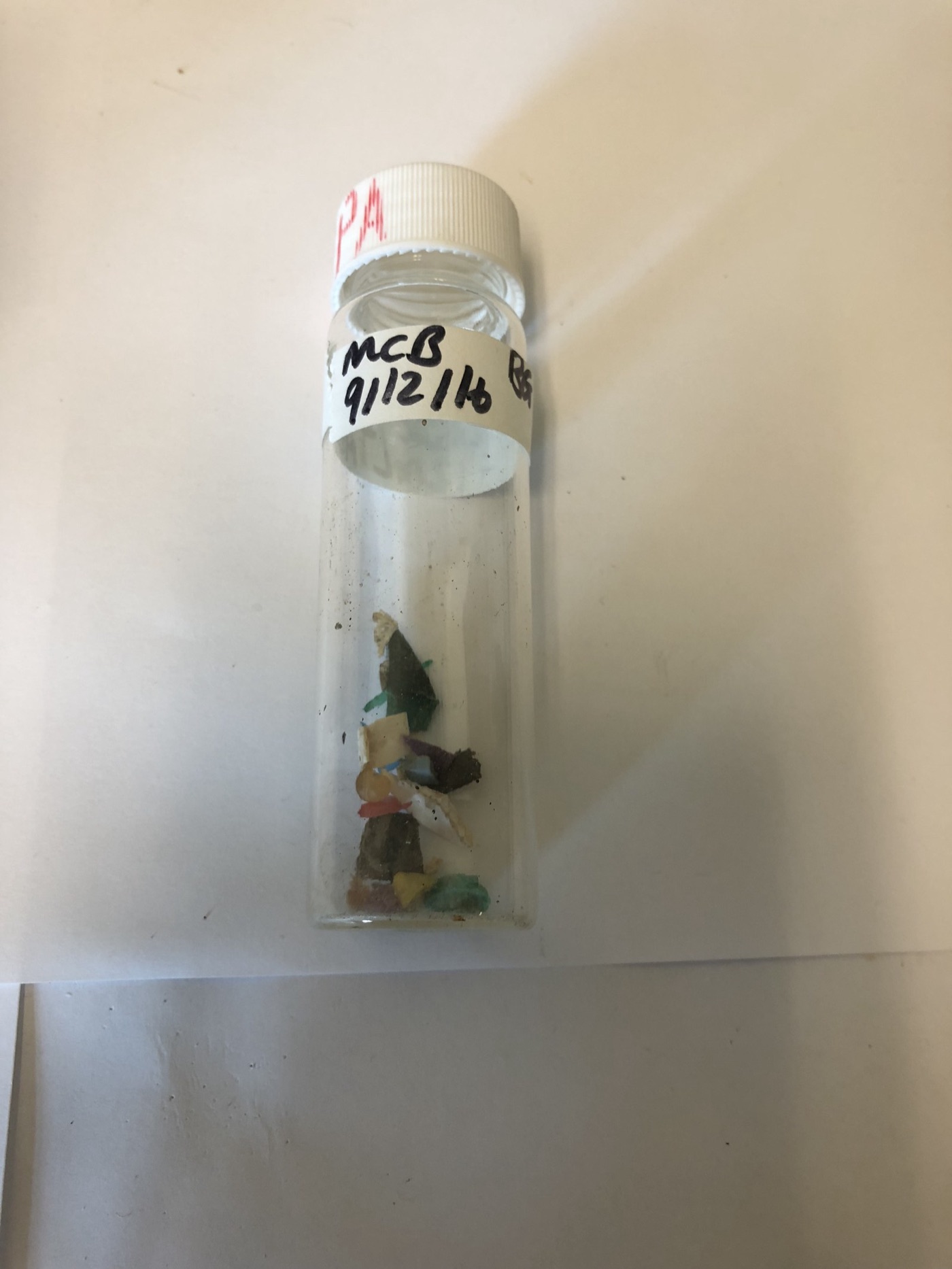
Plastic does not rot. It breaks. Sunlight, waves, wear and time turn every bottle, bag, tyre and jacket into smaller and smaller fragments, and the fragments below five millimetres are called microplastics, and the ones below a micron nanoplastics. Some are made small on purpose, the beads once put in face scrubs and the pellets that plastics factories melt, and most are the debris of things that were large.
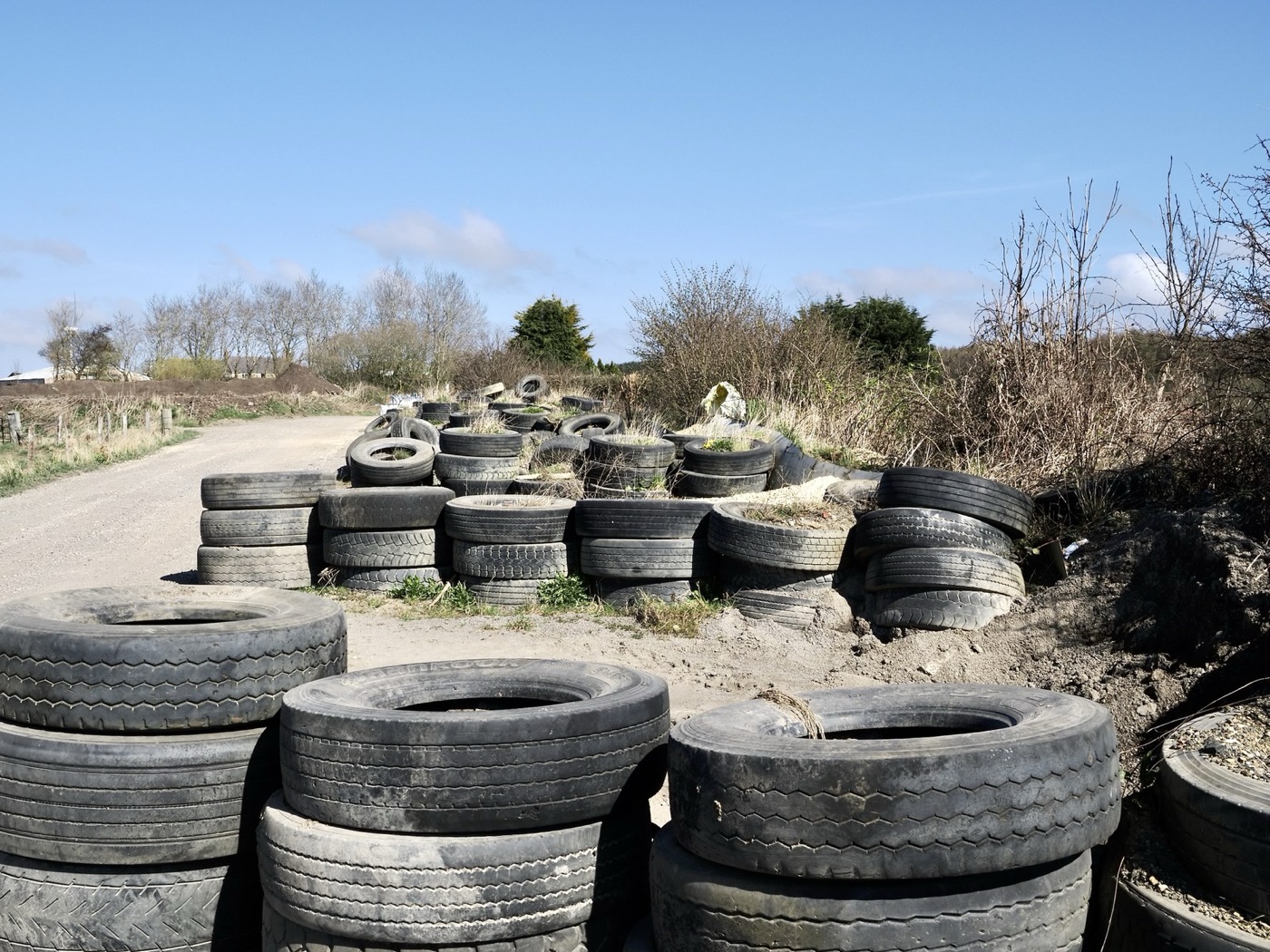
The largest sources, by the estimates that have tried to add them up, have little to do with bottles. Tyres come first, shedding a fine black dust as they wear on the road and which are, by weight, the biggest single source of microplastic in the environment. They are synthetic textiles, polyester and nylon and acrylic, which shed fibres in every wash, several hundred thousand from a single load. They are paint, from ships and roads and buildings, and city dust, and the fragments of the plastic already in the sea, which keep breaking.
| Where microplastics come from, by weight | |
|---|---|
| Tyre wear | The largest single source, roughly a quarter to a third |
| Synthetic textile fibres | A large share, mostly from washing |
| Road markings and paint | A significant share |
| Pellets and beads | Small |
| Fragments of larger plastic waste | Large, and growing as the old waste breaks down |
How they reach water
Tyre dust and paint wash off the road with the rain into the drains. Textile fibres go down the washing machine's drain to the sewer. City dust settles on rivers and lakes. All of it arrives, eventually, at a sewage works or a river, and the sewage works is where the story turns.
A conventional treatment plant, of the kind described throughout this site, removes most of the microplastic that reaches it, in the settling tanks and the biological stage, where the particles are caught in the flocs and settle with the sludge. Studies of plants across Europe, North America and Australia find removal of ninety to ninety nine percent from the water. The plastic goes to the sludge, and the sludge, as the sludge article describes, goes to farmland in much of the world, where the plastic is spread on the soil, at tonnes per year per plant, and washes, over years, into the streams. The sewage works does not destroy microplastic. It moves it, from the river to the field.
Rain carries it too. Plastic fibres and fragments are light enough to blow, and they fall with the rain on mountains, on Arctic ice and on the open ocean, far from any city, at rates that have been measured in the thousands of particles per square metre per day in the remote Pyrenees. The rain article on this site says that rain is exactly as clean as the air, and the air has plastic in it.
What a litre contains
The counts depend entirely on the instrument, and the history of the subject is the history of instruments getting better.
| Plastic in a litre of water, by study | |
|---|---|
| Tap water, 2017, particles visible under a light microscope | A few to a few tens, mostly fibres |
| Bottled water, 2018, particles above 100 microns | A few hundred |
| Bottled water, 2018, particles above 6.5 microns | A few thousand |
| Bottled water, 2024, particles down to 100 nanometres | About 240,000, 90 percent nanoplastic |
| Tap water, conventional treatment | Consistently lower than bottled, by a wide margin |
Two things stand out. The first is that bottled water carries more plastic than tap water, in every comparison made, because the bottle, the cap and the bottling line shed particles into it, and because the water in it has usually not been through the kind of plant that takes them out. The 2024 study found that a large share of the particles were polyethylene terephthalate, the plastic of the bottle, and nylon, probably from the filters used in bottling. The second is that the numbers will go up again, because the instruments will improve again, and a count of a few hundred thousand per litre is a count of what one method can see.
Plastic has also been found where it is harder to dismiss. Studies since 2022 have detected microplastics in human blood, in placentas, in lungs and, in 2024, in the plaque of arteries, where the people who had it fared worse over the following years than the people who did not. Whether the plastic caused the difference is unknown. That it was there is established.
What is not known
The honest position, and the one the World Health Organization took in its 2019 review, is that the harm is unknown. Particles above a certain size pass through the gut and out. Particles below a micron may cross into the blood, and the smallest may cross into cells, and what they do there, at the doses a person receives from water, has not been shown in any study that would settle it. The chemicals in plastic, the plasticisers and flame retardants and the PFAS of the neighbouring article, are better understood and more clearly harmful, and the particles may carry them, and may carry the bacteria that grow on their surface. The WHO's conclusion was that the evidence did not, at that time, show a health risk from microplastics in drinking water, that the larger risks in water remained the microbes and the chemicals that the rest of this site describes, and that the research was urgent. Five years and several hundred studies later, the first two parts of that stand and the third has become louder.
The answer that exists
What the science leaves open, the engineering does not. The treatment that makes tap water safe from bacteria, coagulation, settling, sand filtration and, where it is used, membrane filtration, removes microplastic along with everything else that is a particle, at rates above ninety percent for conventional plants and close to a hundred for membranes. The plants were not built for plastic. They catch it because it is a particle and they catch particles.
That produces the one plain recommendation in a subject with few. Tap water from a treated supply carries less plastic than bottled water, by an order of magnitude or more, and a household filter of the kind that removes particles, a ceramic or a membrane, takes out most of the rest. Bottled water is the wrong answer to a fear of plastic in water, and the bottle itself, a few grams of the same material, will break down into the next study's count. A person worried about microplastics should drink from the tap, and, if they want to do something larger, should look at their tyres and their laundry, which is where the plastic in the river came from.
The laundry
The one source a household controls is the washing machine, and it is worth a paragraph because the numbers are large and the fixes are cheap. A load of synthetic clothes, fleece above all, sheds several hundred thousand fibres in a wash, most of them too fine for the machine's filter, and the fibres go to the sewer and from there, mostly, to the sludge. France has required new washing machines to carry a microfibre filter since 2025, the first country to do so, and the filters that can be fitted to an existing machine or a drain hose catch most of the fibres in a bag that is emptied into the bin. Washing less often, in cold water, on a gentle cycle, sheds fewer, and a garment sheds most in its first few washes. The tyres are harder, because the only fix for tyre dust is fewer, lighter and slower vehicles, and the road drains that could catch it are, in most cities, the same drains that carry it to the river.
The sludge, again
The unsolved part is the field. The sewage works catches the plastic and sends it to the sludge, and the sludge is spread on farmland in most of Europe and North America, so that the soil of the fields receives, year on year, the microplastic of the cities they feed, and the crops grow in it, and the runoff carries it to the streams. Nobody has yet shown what that does to soil or to what grows in it, and nobody has an alternative to spreading the sludge that is not burning it or burying it. The PFAS article ends at the same place, and for the same reason: a treatment plant is a machine for moving a problem from the water to the solids, and what to do with the solids is the water industry's question for the next thirty years.
What it teaches
Microplastics are the newest thing in water and the least understood, and the subject rewards a plain reading. The plastic is everywhere and the counts will keep rising as the instruments improve. The harm is unknown and under study. And the water that carries the least of it is the water that has been through a treatment plant, which is the water in the tap, which is the answer most people reach past on their way to a bottle.
240,000 pieces in a litre, and a plant that removes nine in ten of them, if the water is allowed to pass through it.
Sources
- Qian, N. et al. (2024). Rapid single particle chemical imaging of nanoplastics by SRS microscopy. PNAS 121. About 240,000 particles per litre in bottled water, about 90 percent nanoplastics.
- World Health Organization (2019). Microplastics in drinking water. Occurrence, treatment removal and the assessment of risk.
- Kosuth, M., Mason, S.A. and Wattenberg, E.V. (2018). Anthropogenic contamination of tap water, beer, and sea salt. PLOS ONE 13.
- Leslie, H.A. et al. (2022). Discovery and quantification of plastic particle pollution in human blood. Environment International 163.
- Ziajahromi, S. et al. (2017). Wastewater treatment plants as a pathway for microplastics. Water Research 112. Removal rates and the fate in sludge.
- Photographs: opener: Plastic persistence by Arm.434 (CC0) via Wikimedia Commons; inline: Microplastic sample by Clandon haverford (CC BY-SA) via Wikimedia Commons; inline: Stacked tyres alongside farm road - geograph.org.uk - 8010485 by Trevor Littlewood (CC BY-SA) via Wikimedia Commons.