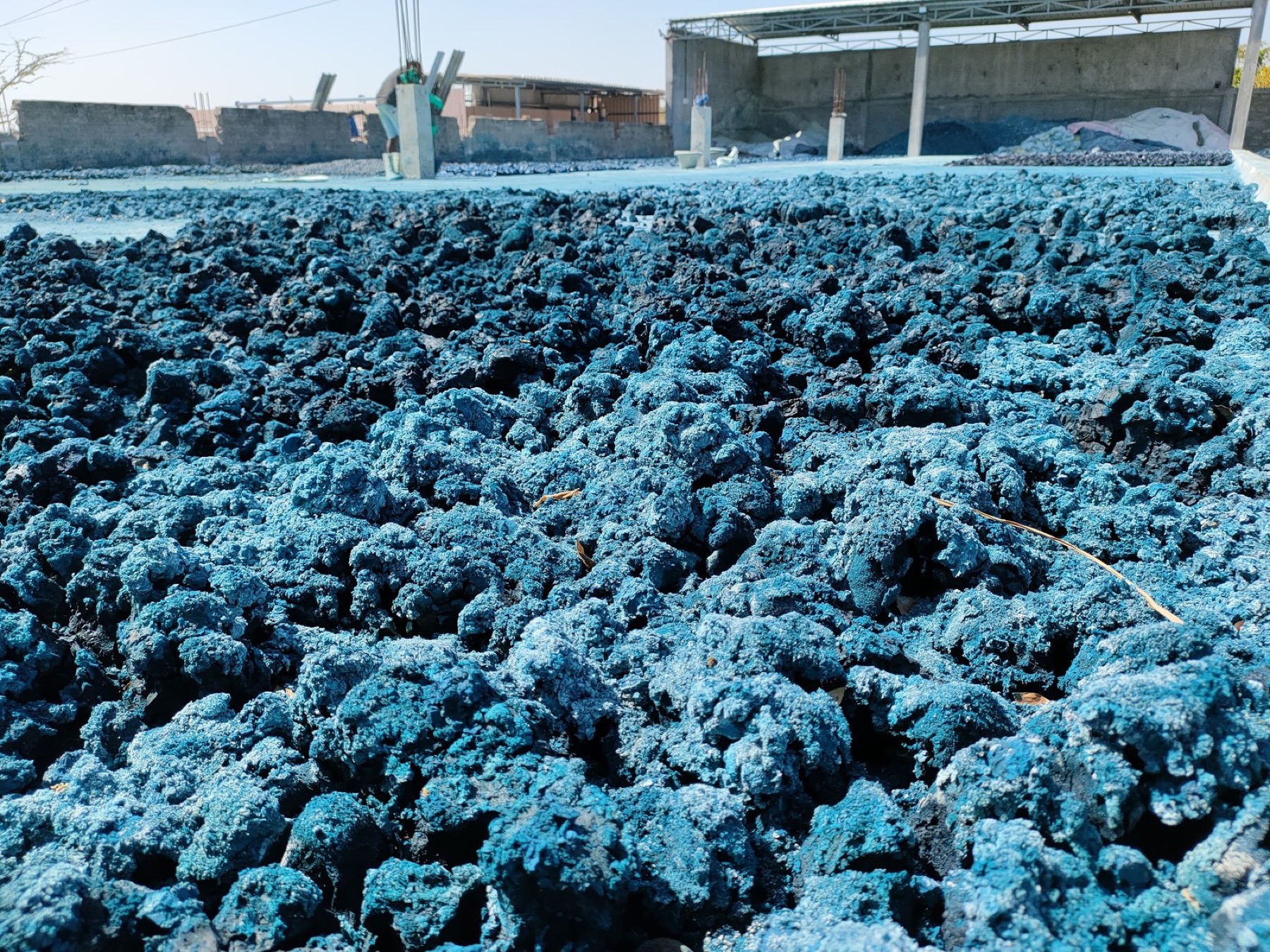
Plain Water: ZLD
Zero liquid discharge is the factory that sends nothing out of its pipe at all, because it has no pipe. Every drop is recovered and every gram of salt comes out as a solid. What the process is, what it costs, why a court in India made it law for a whole town, and when it is the right answer.
Most of the treatment plants on this site end at a pipe. Water goes in dirty, comes out clean, and leaves through an outfall to a river or the sea. There is a kind of plant that has no outfall. Nothing liquid leaves it. Every drop of water it takes in is recovered and sent back to the factory, and everything that was dissolved in that water comes out at the far end as a solid, dry, in bags or a skip. The industry calls it zero liquid discharge, ZLD for short, and it is at once the most complete answer to water pollution ever engineered and the most expensive.
This article is about what the process is, what it costs, and why a court in southern India made it compulsory for an entire town.
The idea
The previous article ended with the brine: the concentrated stream that every membrane plant produces, carrying all the salt the clean water left behind, and that inland has nowhere to go. Zero liquid discharge is the decision to keep going. Instead of finding somewhere to send the brine, the plant concentrates it further, and further, until there is no liquid left. The water, all of it, is recovered. The salt, all of it, is solid.
The principle is simple and the practice is a chain of machines, each taking over where the last one could go no further.
| Stage | What it does | Water recovered |
|---|---|---|
| Treatment | Biology and chemistry remove the organic load, colour and solids | |
| Membranes | Ultrafiltration, then reverse osmosis, recover most of the water | 70 to 90% |
| Brine concentrator | An evaporator boils the brine down, using recovered heat | Most of the rest |
| Crystalliser | The last, densest liquid is boiled until salt crystallises | The remainder |
| Solids handling | The salt is dried, bagged, sold or landfilled |
How the water is recovered
The first two stages are the reuse plant described elsewhere on this site. Bacteria eat the organic matter, chemicals remove the colour, membranes take out what is suspended and then, with reverse osmosis, what is dissolved. At the end of that chain the plant has recovered somewhere between 70 and 90 percent of its water and holds a brine that is several times saltier than the effluent it started with. In an ordinary reuse plant, this is where the meeting about the brine happens. In a ZLD plant, the brine goes to the evaporators.
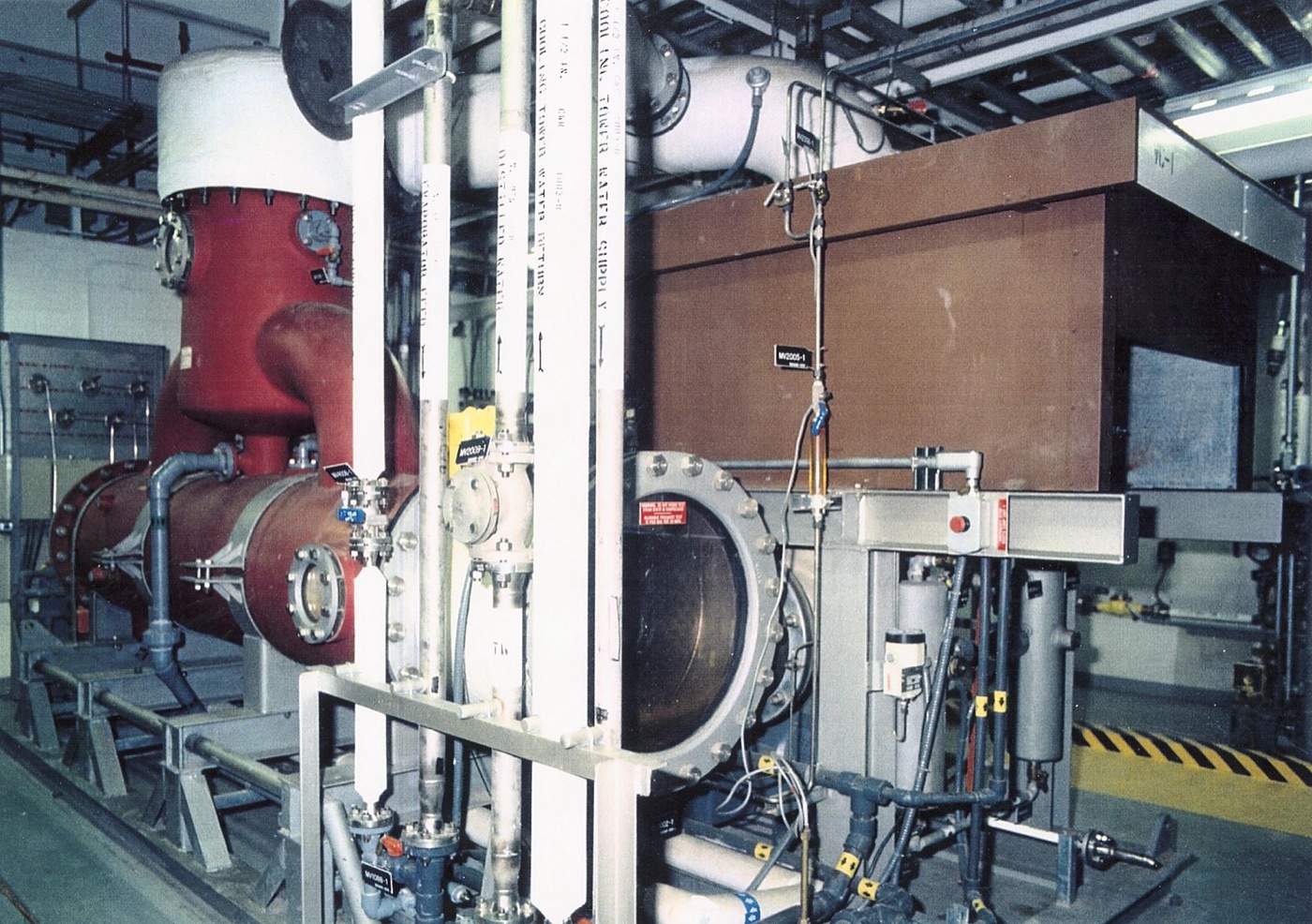
An evaporator is a vessel in which the brine is boiled and the vapour is condensed back into pure water. Boiling water is the most energy expensive thing that can be done to it, and a plant that simply burned fuel to boil its brine would be ruinous, so the evaporators used in ZLD recover their own heat. The commonest design compresses the vapour that comes off the boiling brine, which raises its temperature, and uses that hot vapour to boil the next batch, so that the energy is used again and again and the only input is the electricity that drives the compressor. The device is called a mechanical vapour recompression evaporator, and it brings the energy of boiling down from the enormous to the merely large: on the order of 20 to 40 kilowatt hours for every cubic metre of brine evaporated, which is ten times what the reverse osmosis stage used.
The brine concentrator takes the brine most of the way. What is left is a slurry so dense that ordinary evaporators cannot handle it, and it goes to a crystalliser, a smaller and tougher vessel where the last water is driven off and the salt comes out as crystals, which are spun dry in a centrifuge and dropped into bags.
What comes out
Two things, and no water.
The recovered water is very pure, purer than the plant's fresh water supply, and it goes back to the process. A textile mill running ZLD dyes with water that has been through the dye house many times.
The salt is the other product, and what it is depends on what the factory put in. From a dye house it is mostly sodium sulphate and sodium chloride, the salts that were added to the dye bath to push the colour onto the cloth. If the two can be separated, and the better plants do it by crystallising them at different temperatures, the sodium sulphate can be sold back to the dye house and used again, which closes a second loop. What cannot be separated or sold, a mixed salt carrying whatever else the effluent held, goes to a secure landfill, and it is the one waste a ZLD plant cannot avoid.
| What leaves a ZLD plant | |
|---|---|
| Water | None, as liquid; all of it recovered to the process |
| Recovered salt | Sodium sulphate, sold back to the dye house where it can be separated |
| Mixed salt | A solid residue to secure landfill |
| Sludge | From the biological and chemical stages, as at any plant |
The cost
The cost is why ZLD is rare, and it is worth stating plainly.
The membranes recover most of the water for a few kilowatt hours per cubic metre. The evaporators recover the rest for ten times that, per cubic metre of brine, and the crystalliser is more expensive still. Add the capital cost of the evaporators, which are large, made of alloys that resist hot brine, and slow to build, and a ZLD plant costs several times what a conventional reuse plant does, both to build and to run. A dye house that goes to ZLD pays, in energy alone, a significant share of what it pays for the dyes.
For that reason, ZLD is almost never chosen. It is imposed.
Tirupur
Tirupur, in Tamil Nadu in southern India, is the knitwear capital of the country, a city of a million people whose several hundred dyeing and bleaching units supply t-shirts to most of the brands in Europe and America. For decades the units discharged their effluent, treated to varying degrees, into the Noyyal river, and the river carried the salt downstream into a reservoir and onto the farmland of the districts below, where the soil grew too saline to crop. The farmers went to court. In January 2011 the Madras High Court ordered every dyeing unit in Tirupur closed until it could demonstrate zero liquid discharge.
The order shut the industry overnight. It reopened over the following years as the units, most of them too small to build their own plants, organised into groups around common effluent treatment plants, each one a full ZLD chain of biology, membranes, evaporators and crystallisers, paid for by the dye houses that used it. The plants were expensive and the learning was slow; several closed and reopened; some units moved away. But Tirupur runs on zero liquid discharge today, its recovered water goes back to its dye houses, its sodium sulphate goes back to its dye baths, and it is the largest demonstration anywhere that the technology works when somebody insists on it. India's pollution regulator has since extended the requirement to textile clusters and other sectors across the country, and China has followed in its most water stressed provinces.
| Tirupur, before and after 2011 | |
|---|---|
| Before | Several hundred dyeing units discharging to the Noyyal river; farmland downstream salinised |
| The order | Madras High Court, January 2011: closure until zero liquid discharge |
| After | Common effluent treatment plants with full ZLD; water and sodium sulphate returned to the mills |
| The cost | Several times a conventional plant; units closed, merged or moved |
China, and the coal plants in the desert
India adopted zero liquid discharge because of a river. China adopted it because of a lack of one.
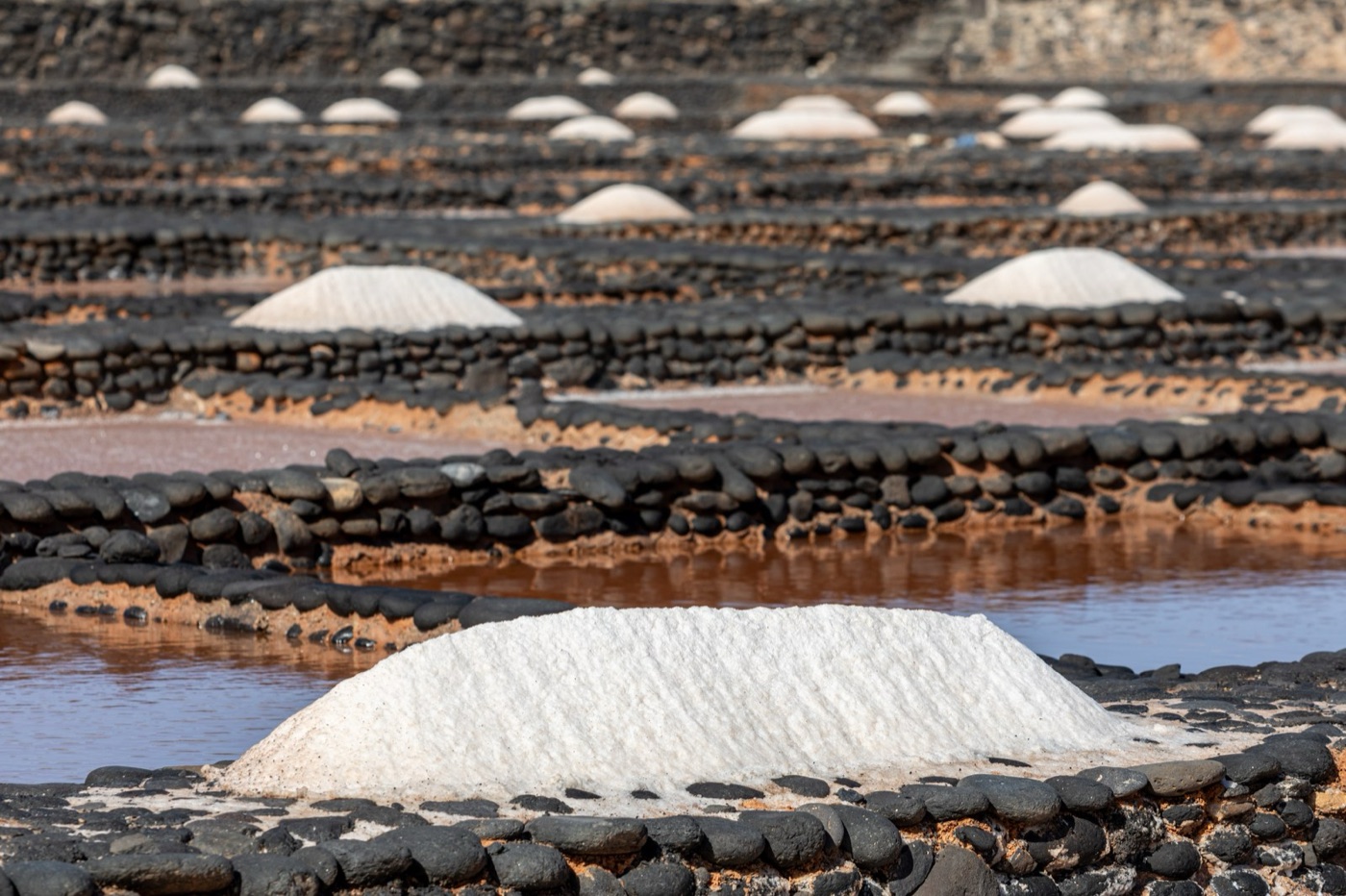
In the 2010s China built a generation of very large plants in Inner Mongolia, Ningxia and Shaanxi that turn coal into chemicals and fuels, in regions with almost no surface water and strict limits on what could be discharged into what little there was. The plants use large volumes of water for cooling and processing, and the regulator required them to discharge none of it. The result is the largest concentration of zero liquid discharge plants in the world, most of them using the same chain of membranes, evaporators and crystallisers as Tirupur, and some of them using the desert's sun instead: brine spread in vast lined ponds and left to dry, with the salt scraped up at the end. Together, India's textile clusters and China's coal chemical plants account for most of the ZLD capacity ever built, and both were driven by a regulator rather than by a market.
When it is the right answer
ZLD is the right answer in three situations, and the wrong one in most others.
It is right where there is nowhere for the brine to go and the law says so: an inland plant on a river that cannot take salt, with a regulator prepared to close the factory. It is right where water is so scarce that the last 10 to 30 percent is worth the price of boiling it, which is increasingly true in parts of India, China and the Middle East. And it is right where the salt is worth recovering, which for a dye house's sodium sulphate it can be.
It is the wrong answer where a sea is available to take the brine at a fraction of the cost, and where the energy to run the evaporators comes from a coal plant, in which case the river has been saved at the price of the air. The industry's judgement, and it is a fair one, is that ZLD is the answer to a specific and severe problem rather than a standard to aim for, and that a plant which recovers 85 percent of its water and disposes of its brine responsibly has usually done the better thing.
The factory with no pipe
There is something striking about a plant that discharges nothing, and visitors to Tirupur's plants notice it. The outfall is simply absent. The water goes round, the salt goes back or into bags, and the river below the town, which had been ruined for a generation, is recovering. It is the water industry's most complete answer, it costs what complete answers cost, and it exists because a court decided that the alternative was worse.
Sources
- Tong, T. and Elimelech, M. (2016). The global rise of zero liquid discharge for wastewater management: drivers, technologies and future directions. Environmental Science and Technology 50. Process trains, energy of thermal and membrane based ZLD, drivers in India and China.
- Madras High Court, January 2011, order closing dyeing units in Tirupur until zero liquid discharge was achieved; Tamil Nadu Pollution Control Board requirements for common effluent treatment plants with ZLD.
- Central Pollution Control Board (India), guidelines on ZLD for textile and other industrial sectors.
- Mechanical vapour recompression evaporator and crystalliser energy figures from published vendor and engineering data, typically 20 to 40 kWh per cubic metre of brine evaporated.
- Photographs: Cesar Chu Ortega, from textile effluent plants in India and Bangladesh; inline: RF 04 092 (26968830180) by U.S. Department of Energy from United St (public domain) via Wikimedia Commons; inline: Antigua (Fuerteventura, Spain), Museo de las Salinas del Carmen, Kristallisierungsbecken -- 2025 -- 7224 by Dietmar Rabich (CC BY-SA) via Wikimedia Commons.