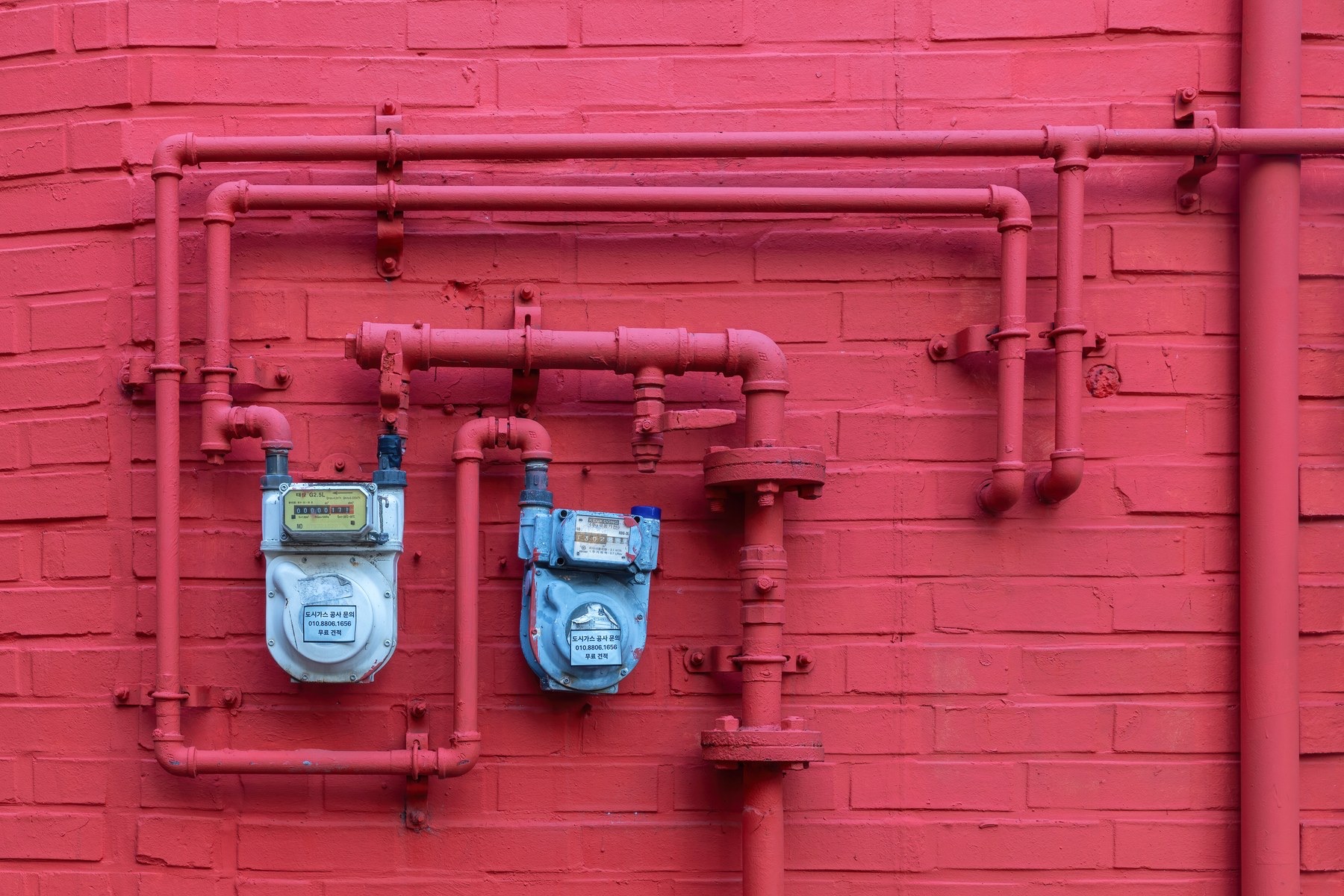
Plain Water: Water Meters
A household that gets a water meter uses about fifteen percent less water than it did before, without being asked to, and half the households in England still have none. What a meter does and why the number falls, what a bill without a meter is based on, how the tariff can be shaped so that the first litres are cheap and the pool is not, what a smart meter finds that a plain one cannot, why a country abolished water charges after protests, and why the cheapest water a utility can find is the water a meter saves.
Half the households in England pay for water the way most of the world's cities did in 1900: a fixed charge, set by the size or the value of the house, whatever comes out of the tap. The other half have a meter, and the difference between the two halves, measured in every trial since the 1980s, is about fifteen percent: the metered house uses less, without being asked to and without noticing much, because a bill that moves with the tap is a reason the fixed charge never gave. A water meter is the cheapest water a utility can buy, and it is on this site because the arithmetic of it is plain and the politics are not.
This article is about what a meter does, why the number falls, how a tariff can be shaped once there is one, what a smart meter finds that a plain one cannot, and what happened in the one country that tried to introduce charges and then abolished them.
Why the number falls
The trials that England ran on the Isle of Wight and in eleven other districts in the early 1990s, fitting meters to whole towns and watching, found the fall almost at once and found it persisted: about eleven percent in the first years, and in the universal metering programme that one southern company ran across its area between 2010 and 2015, about sixteen. The fall comes from the things a household does when it can see the number: a dripping tap fixed, a hose used less, a cistern's leak noticed, and, above all, a garden watered less, because the garden is the use that varies most and the one the meter charges for in the driest month. It also comes from a second thing the trials found, which is that a share of the houses had been leaking, on their own side of the boundary, for years, and the meter's first bill was the first anyone knew.
A metered household in England now uses about a hundred and thirty litres a person a day, and an unmetered one about a hundred and seventy, and the difference is what the country's water strategy counts on to get through the droughts the Sydney and Melbourne articles on this site describe.
| Metering in England | |
|---|---|
| Households metered | About 60 percent |
| Use, metered | About 130 litres a person a day |
| Use, unmetered | About 170 litres a person a day |
| Fall on metering, trials and rollouts | 11 to 16 percent |
| Basis of an unmetered bill | The 1990 rateable value of the house |
| Compulsory metering | Allowed in areas classed as seriously water stressed since 2010 |
The bill without a meter
An unmetered bill in England is based on the rateable value of the house, a figure fixed in 1990 for a tax that no longer exists, so that the household of one in a large old house pays more than the household of six in a small new one, and neither has any reason to turn off a tap. It is the arrangement most of the world's cities began with, because the meter was a cost and the water was cheap, and it is the arrangement that many of the poorest still have, in the form of a flat monthly charge or no charge at all, with the consequence the leaks article on this site describes: a utility that cannot see where its water goes cannot find where it is lost. The cities of this site with the highest losses, Nairobi, Karachi, Lagos and Johannesburg, are the ones with the fewest working meters, and the utilities that turned their losses round, in Manila, Phnom Penh and Singapore, began by metering everything.
The tariff
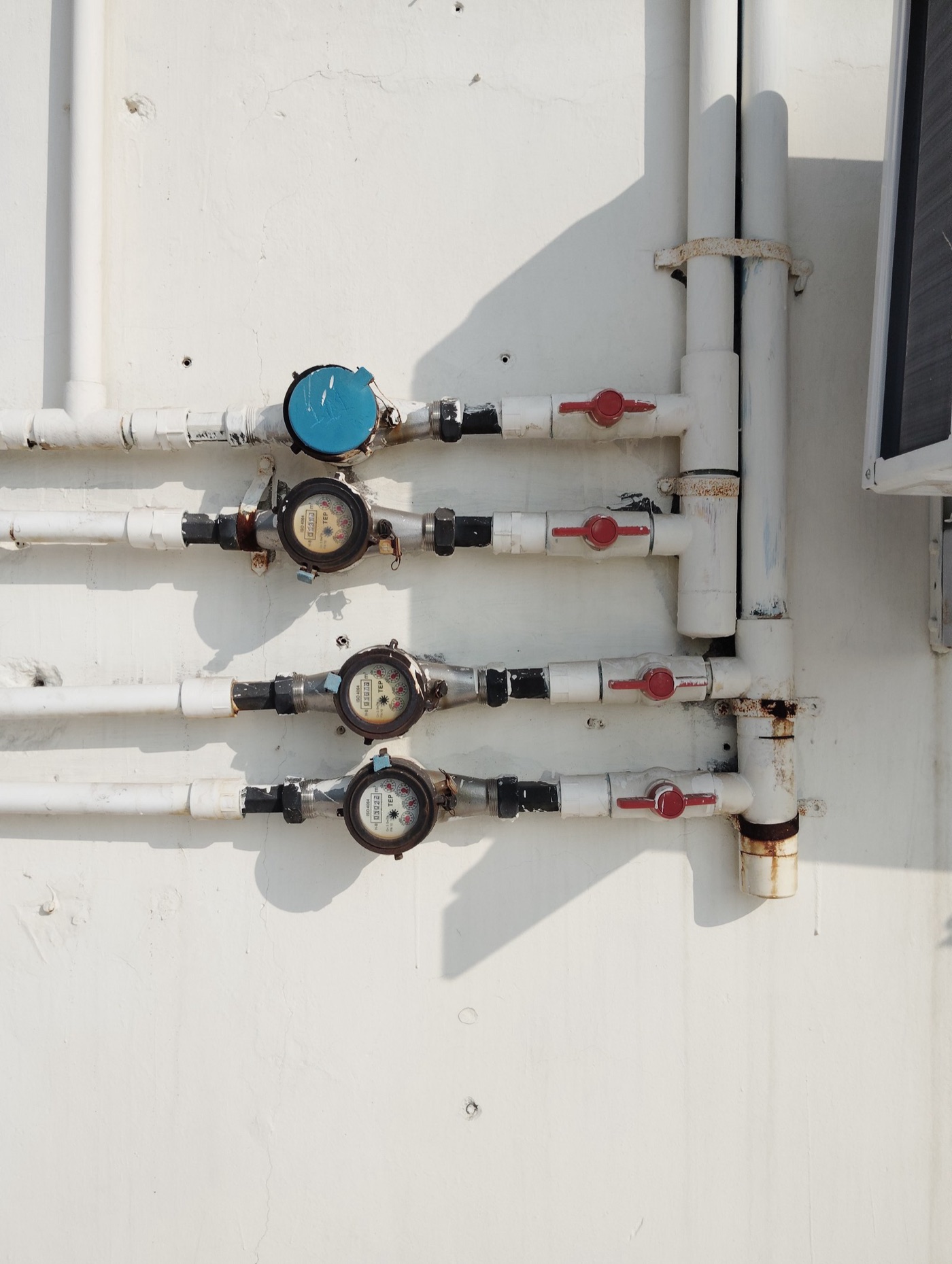
Once there is a meter, the price can be shaped. The rising block tariff, which most of the dry cities of this site use, charges the first block of water, enough for drinking, cooking and washing, at a low price or none, and each block above it at a higher one, so that a household's basic needs are cheap and its pool is not. Cape Town's tariff in the Day Zero year rose by a factor of ten between the first block and the last; Singapore's charges a conservation tax that rises with use; Las Vegas pays people to take out lawns because a tariff alone did not. The tariff's difficulty is the large family in the small house, whose basic block is too small, and the answer is a block sized by the number of people, which needs the utility to know how many there are, which is a different argument.
The other difficulty is the fixed cost. A water network costs almost the same to run whether the customers use a lot or a little, and a utility whose revenue follows the meter finds, in a wet year or after a campaign, that its income has fallen with its sales, and raises the price per litre to cover it, which the customers who saved water read as a punishment. Most tariffs therefore have a standing charge for the pipe and a volume charge for the water, and the argument is about the split.
| Tariff shapes | |
|---|---|
| Flat charge | No relation to use; the pre meter arrangement |
| Volume charge | A single price per litre; the simplest metered tariff |
| Rising block | Cheap first block for basic needs, dearer blocks above; used in most dry cities |
| Seasonal | Higher in summer, when the garden is the use |
| Standing plus volume | A fixed charge for the pipe and a price for the water; the common compromise |
The smart meter
A plain meter is read twice a year, by a person with a torch, and it tells the utility what a household used in six months. A smart meter reads itself every hour and sends the reading over the air, and it tells the utility three things the plain one cannot. It shows a household whose use has never fallen to zero, at four in the morning, for a week, which is a leak on the customer's pipe under the floor or the drive, and the utility can write to the customer before the bill does. It shows the district's total, hour by hour, so that a burst in the main is found the same night rather than when the road subsides. And it shows the customer, on a screen or a phone, what the tap is doing, which is the fifteen percent effect made continuous. The English programmes that have fitted smart meters have found customer side leaks in a share of houses that surprised the utilities and account, across the country, for about a quarter of all the leakage the leaks article counts.
The objections are the ones every smart meter raises: the data, which shows when a house is empty; the cost, which is the customer's in the end; and the bill, which finds the leak and charges for the water it lost.
Ireland
Ireland had no domestic water charges from 1997, paid for its water from general taxation, and lost about half of its supply to leaks. In 2014 the government created a national utility, fitted meters to most of the country's houses, and began to charge, at rates that were low by European standards and were, in the aftermath of the financial crisis and the austerity that followed it, the last straw for a large share of the public. The protests were the largest in the country in a generation, tens of thousands in the streets of Dublin, the meters were pulled out of the ground in some estates, the charges were suspended in 2016 and abolished for ordinary use in 2017, and the meters that had been fitted, a million of them, were left in the ground, reading. The utility uses them to find leaks. It cannot charge for the water they measure, except above a threshold that catches only the largest users. Ireland's per capita use is among the highest in Europe.
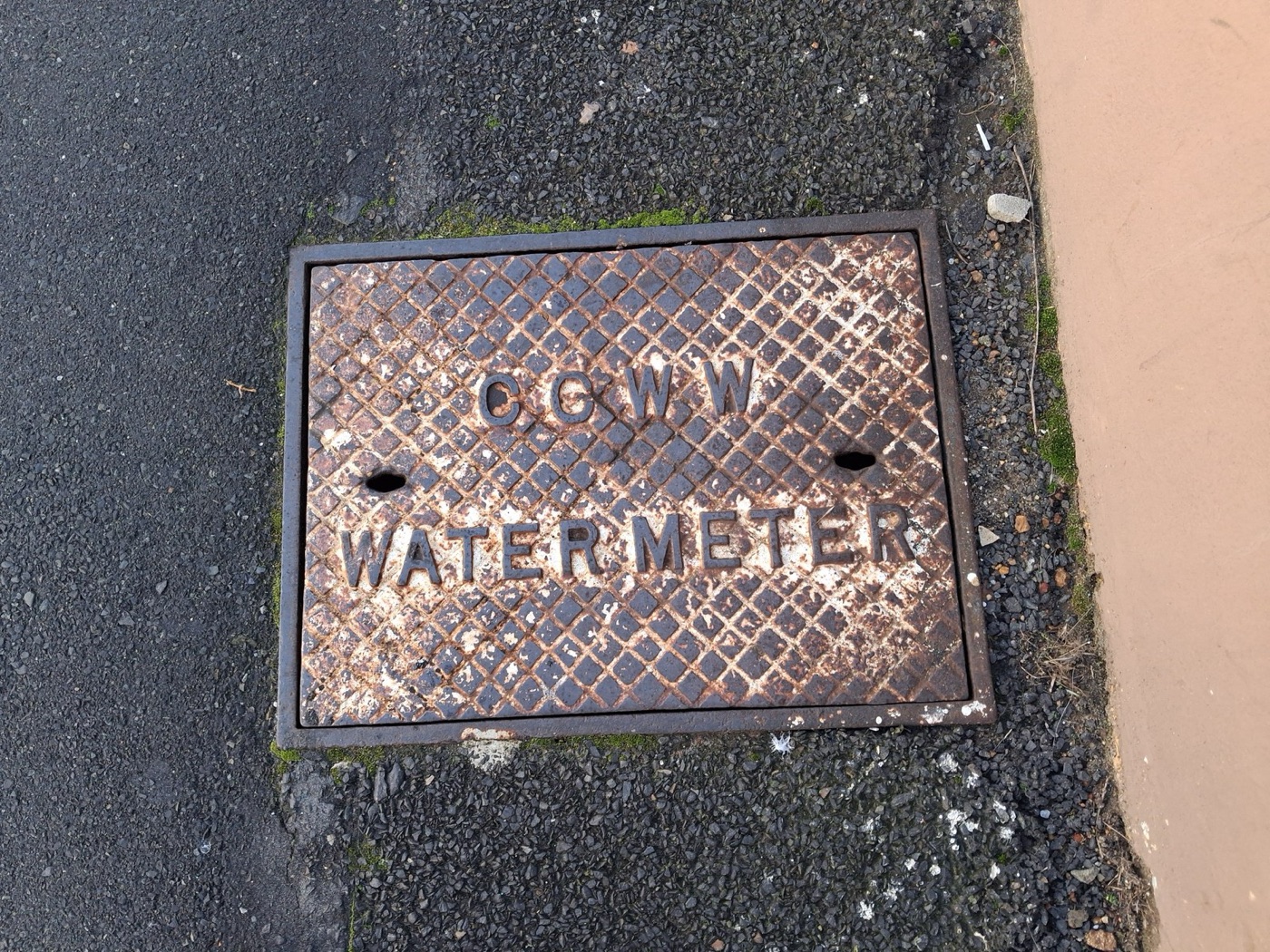
The lesson is the one the tariff section makes and the politics of this site repeat: a meter is a measuring device, a charge is a decision, and the second needs the consent that the first does not.
The meter in a dry city
The meter is also what a rota is made of. The cities on this site that have rationed by district, Nairobi, Johannesburg, Manila and Cape Town, could do so only where the meters and the valves let them see and control what each district used, and Cape Town's Day Zero campaign, which cut the city's use by half, ran on a weekly map of every household's metered use, published street by street, with the heavy users named. Bangalore and Karachi, with meters on a minority of connections, ration by tanker and by pressure and cannot tell who is using what. The meter is the difference between a city that can ask a district to save a tenth and a city that can only turn the district off.
The tanker economy that the Nairobi and Lagos articles describe is, in the end, a metering failure: the vendor sells by the jerry can, at a price per litre that is the truest meter in the city, to people the utility never fitted with one.
What it teaches
The water meter is the plain water article about the simplest piece of equipment on this site and the one that saves the most water for the least money. Fitted to a house, it cuts the use by a seventh without a word; read hourly, it finds the leaks that the utility could not see; shaped into a tariff, it makes the pool pay and the kettle not. Half of England has one. Ireland has a million in the ground that cannot send a bill. The water a meter saves is the cheapest water there is, and whether anyone is allowed to charge for it is the question the meter cannot answer.
Fifteen percent, without asking, and a million meters in Ireland reading water nobody pays for.
Sources
- Ofwat and Environment Agency, Metering and household consumption: the Isle of Wight and National Metering Trials (1989 to 1993), about 11 percent reduction; Southern Water universal metering programme (2010 to 2015), about 16 percent.
- Water UK and Discover Water, household metering in England and Wales: about 60 percent of households metered in 2024; per capita consumption metered about 130 litres a day against unmetered about 170.
- Thames Water and Anglian Water smart metering programmes: customer side leakage detection; about a quarter of total leakage on the customer's pipe.
- Irish Water and Government of Ireland, domestic water charges 2015 to 2016 and their suspension; the Water Services Act 2017.
- OECD (2010). Pricing Water Resources and Water and Sanitation Services. Rising block tariffs and their effects on consumption and equity.
- Photographs: opener: Two blue water meters on a matte red painted brick facade with pipes in Seoul by Basile Morin (CC BY-SA) via Wikimedia Commons; inline: Water meters in india by Nizil Shah (CC BY-SA) via Wikimedia Commons; inline: CCWW Water Meter by Axxter99 (CC BY-SA) via Wikimedia Commons.