The turn
Every number in the first month of this series was spent before the product reached anyone, in fields and factories. Read enough of them and they start to feel like an accusation. They are not one, and the reason is a property of factory water that changes everything: it is concentrated, and concentrated water can be fixed.
The first month of this series was a receipt. A cup of coffee, 140 litres. A t-shirt, 2,700. A steak, 3,100. A pair of jeans, 8,000. Each number was sourced, each was explained, and each ended in the same place: almost all of the water was spent before the product reached anyone, in a field or a factory, months earlier and thousands of kilometres away.
Read enough of those numbers in a row and they begin to feel like an accusation. A person adds up the coffee, the shirt, the lunch and the jeans and arrives at a figure that seems to describe their own guilt. This article is the turn in the series, the point at which the numbers stop and the question changes, and it starts by saying plainly what the numbers were for. They were never a charge sheet. They were a map of where the water went, and a map is what you need to go and fix something.
A month of hidden water
| Item | Litres, spent before purchase |
|---|---|
| A cup of coffee | 140 |
| A cotton t-shirt | 2,700 |
| A 200 g steak | 3,100 |
| A pair of jeans | 8,000 |
Almost all of it in farms and factories, long before the shop. That was the pattern in every article, and it is the pattern that matters, because it says where the water is and therefore where anything can be done about it.
None of this makes you the problem
The footprint of a product is a fact about how the product was made. It is not a fact about the person who bought it. A cup of coffee not drunk in Madrid returns no rain to an Ethiopian hillside; a t-shirt not bought in Berlin refills no river in Uzbekistan. The water was used where the thing was grown or made, by the people who grew or made it, according to the rules and prices and habits of that place, and the decision that mattered was taken there.
That is no reason to stop caring, and every reason to care about the right thing. The numbers point away from the checkout and towards the field and the factory, and of those two, one turns out to be much easier to reach than the other.
Concentrated water is fixable water
Here is the property that changes the whole picture. A farm's water is spread across a landscape. It falls as rain over a whole region, it is pumped through a thousand small channels, it evaporates from a million leaves, and there is no single place where a person could stand and measure it, let alone treat it. Farm water is diffuse, and diffuse problems are slow to solve.
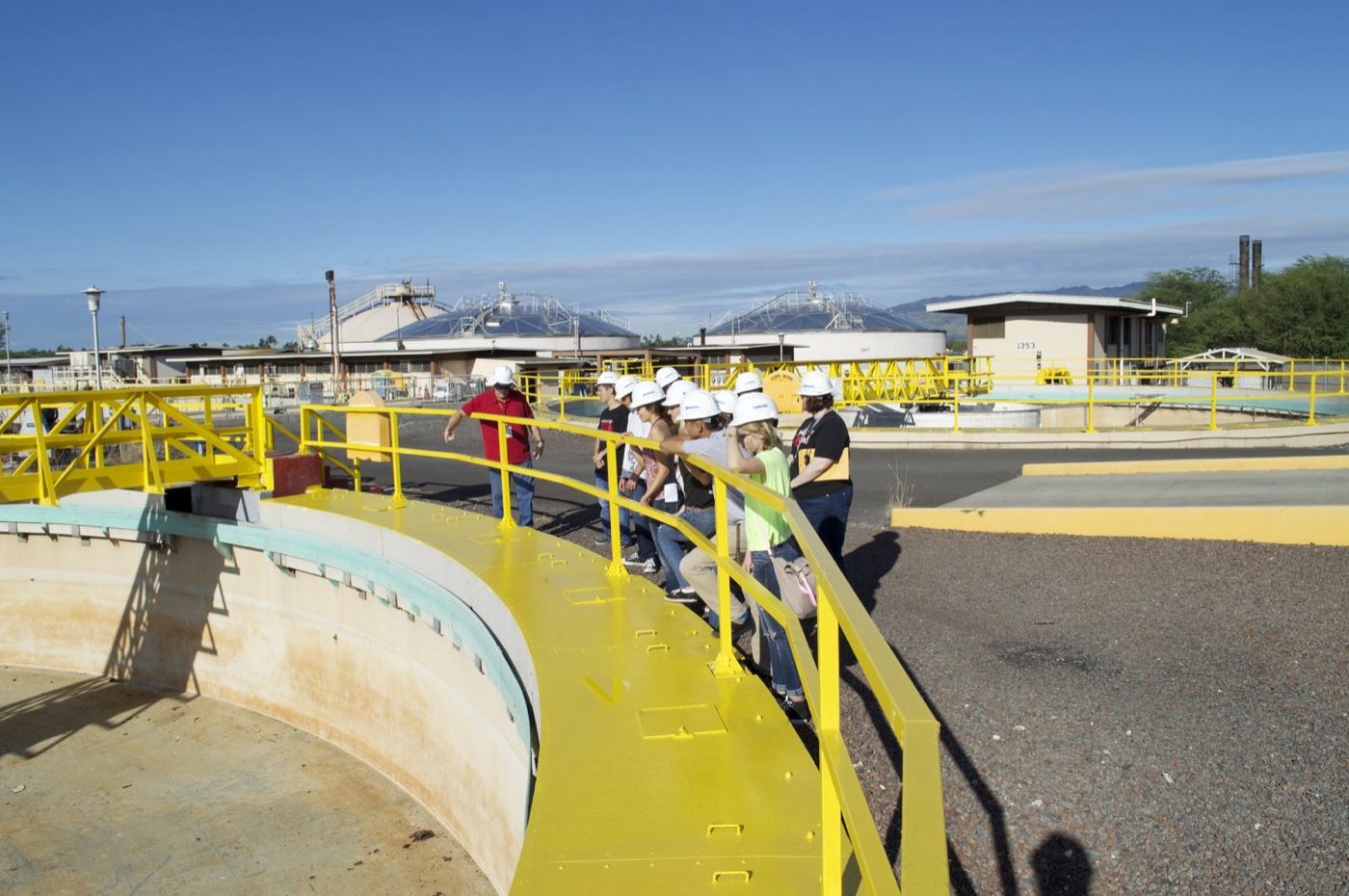
A factory's water is the opposite. It arrives through one pipe and it leaves through one pipe. Whatever flows through one pipe can be measured, hour by hour. Whatever can be measured can be treated. And whatever can be treated can, in most cases, be sent back into the process to be used again. The water that leaves a dye house, a brewery, a paper mill or a semiconductor plant is concentrated, and concentration, which sounds like the problem, is the reason there is a solution.
| Why factories are where recovery starts | |
|---|---|
| The water leaves through one pipe | It can be measured |
| What is measured can be treated | With equipment that already exists |
| What is treated can go back into the process | 70 to 90 percent of it |
| A farm's water falls as rain over a region | There is no pipe to stand beside |
Seventy to ninety percent
With equipment that already exists and has for decades, 70 to 90 percent of a factory's wastewater can be recovered and used again. The sequence is the one described in the Plain Water articles: an effluent treatment plant, where bacteria eat the organic load; then a membrane stage, ultrafiltration or a membrane bioreactor, to remove what is still suspended; then reverse osmosis, to remove what is dissolved. What comes out is clean enough for the process that produced it, and in a textile mill or a bottling plant that means the water goes round again rather than to the river.
Plants doing exactly this run every day, quietly, on every continent. Textile clusters in India that were ordered to discharge nothing, and learned to. Breweries that recover their rinse water and digest their effluent for gas. Chip fabs, which need the purest water in industry, and which recycle most of it because buying it fresh would cost more. Singapore, which does it for a whole country. None of it is exotic, and all of it is described elsewhere on this site.
The limit is the leftovers. Recovery does not make pollution disappear; it concentrates it into a brine and a sludge, and those two streams are where the real engineering and the real cost now sit. But the water itself, the seventy to ninety percent, is a solved problem.
What recovery looks like from the gate
A recovery plant at a factory does not look like much. Beside the existing treatment tanks stands a shed of membrane racks, a set of high pressure pumps, a small chemical dosing station and, somewhere at the back, a tank of brine waiting for a truck or an evaporator. The water that comes out is clearer than what the factory buys from the mains, and it is piped straight back to the process.
The economics are the interesting part. Recovery costs money per cubic metre, for the electricity that drives the pumps, the chemicals that keep the membranes clean, and the replacement of the membranes themselves every few years. Against that stands the price of the water the factory would otherwise buy, and the cost of discharging what it would otherwise send away. Where water is cheap and discharge is free, the sum does not work and the plant is not built. Where water is priced, where discharge is regulated and charged by the load, or where a factory has simply run out of water to buy, the sum works quickly, and the plants appear. A textile mill in a water short Indian town and a brewery in a Mexican city with a falling aquifer both recover their water for the same reason: it became cheaper than the alternative.
| What decides whether a factory recovers its water | |
|---|---|
| The price of fresh water | Cheap water means no plant |
| The cost of discharging | Free discharge means no plant |
| Whether the water is there to buy at all | Scarcity builds plants fastest |
| Who is asking | Regulators, brands, neighbours |
So why is it not everywhere
If the technology has existed for decades and works, the obvious question is why every factory does not have it, and the honest answer is rarely technical.
It is cost, first. A treatment and recovery plant costs money to build and money every hour to run, it produces nothing that can be sold, and its only return is water the factory would otherwise buy cheaply and a river the factory does not own. Where water is cheap and the river is nobody's, the plant does not pay for itself.
It is whether anyone is asking, second. Plants get built and run where a regulator inspects, where a customer audits, where a neighbour complains, where a brand's reputation depends on it. Where none of those pressures exist, a plant that was built is switched off between inspections, as the article on the ETP describes. The technology waits. The asking turns out to matter more than the machinery.
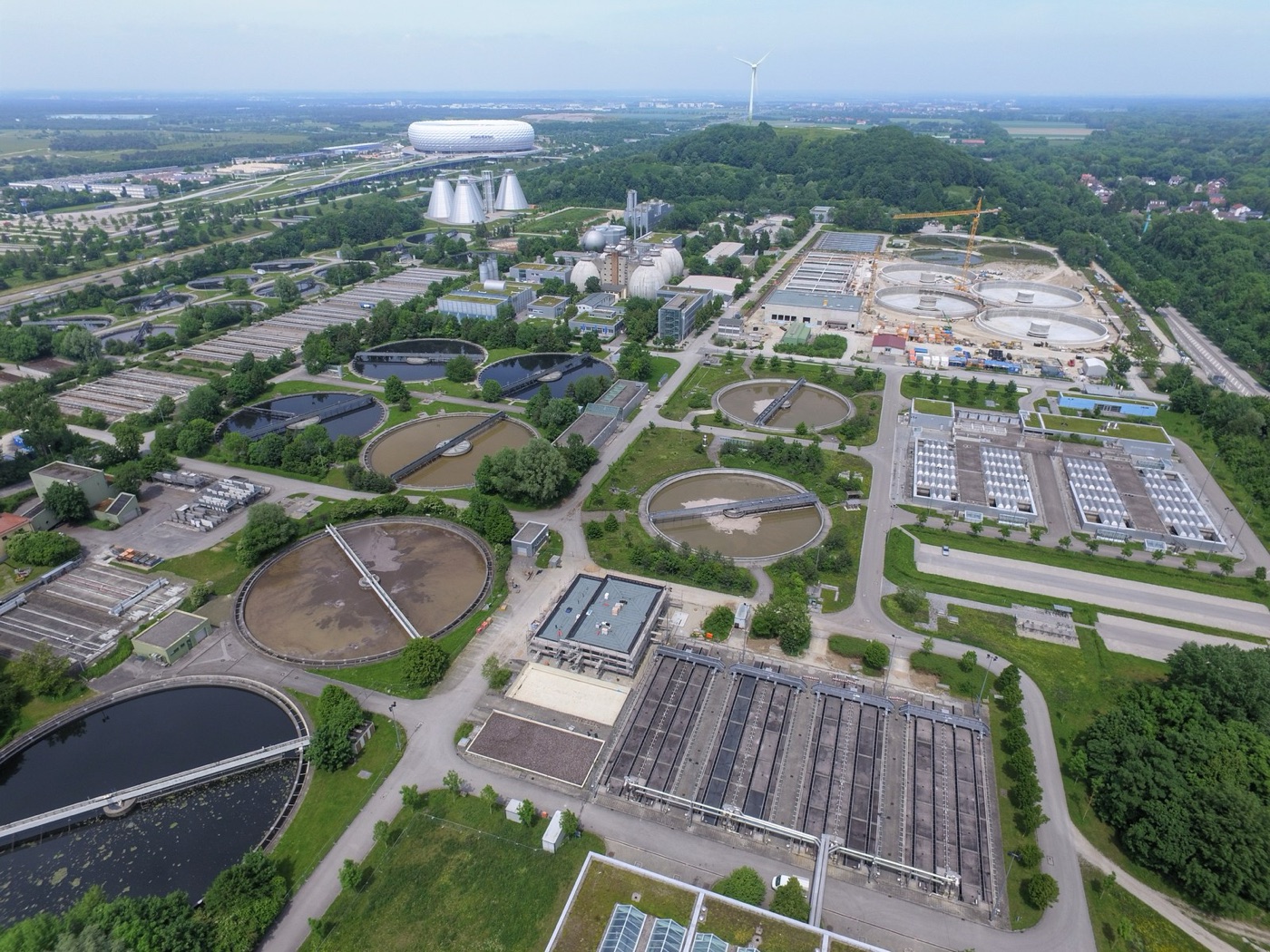
And farms are harder, third. The largest share of the water in the first month's receipt was in fields, and fields have no pipe. The fixes there are real but slower: better irrigation, crops matched to their climate, the paddy drying trick described in the rice article, and the long argument about where things should be grown at all. That work is happening. It does not have a pipe to stand beside, and it will take longer.
Who is asking
The asking comes from four directions, and the industry has learned which of them work.
Regulators are the oldest pressure and the least even. A permit with a limit, an inspector who visits, and a penalty that hurts will build a plant anywhere; a permit without the inspector builds a plant on paper. Brands are the newest and, in some sectors, the strongest: the clothing and footwear companies whose names are on the label have been audited on their suppliers' wastewater for a decade, and a mill that wants their orders now shows its treatment plant, its electricity bill and its discharge results before it shows its prices. Neighbours are the pressure that arrives when the river dies or the well runs dry, and it is the one that closes factories. And the factory itself, once water becomes scarce or expensive enough, becomes its own pressure, because the plant that recovers water is the plant that keeps running through a drought.
Where none of the four is present, the technology waits. Where any one of them is, it gets built. That is the reason a solved problem is still unsolved in so many places, and it is the reason the rest of this series spends as much time on who is asking as on what the machines do.
Where the series goes from here
This is the turn. The first month asked how much water was hidden in the things people own, and answered with numbers. From here the series asks a different question: what can be done with the water once it has been used, and who is already doing it. Less look how much, more look what is possible.
That means the machines: membranes, digesters, the tanks of bacteria at the heart of every plant. It means the terms the industry uses, explained one at a time so that the machines make sense. It means the places already living on recovered water, and the plants, some of them visited in person, where the water goes round. The numbers were the map. The rest of the series is what the map is for.
Sources
- Water Footprint Network; Mekonnen and Hoekstra (2011), for the footprints recalled in the table.
- Industrial reuse practice: recovery of 70 to 90 percent of effluent with a treatment plant followed by ultrafiltration or a membrane bioreactor and reverse osmosis, as documented in published case studies from textile, beverage and semiconductor plants.
- Photographs: opener: River Flowing Through Autumn Landscape by Bejov590 (CC0) via Wikimedia Commons; Cesar Chu Ortega, from industrial treatment plants in India and Bangladesh; inline: Local Hawaii high school participates in STEM outreach program (12664687413) by NAVFAC (CC BY) via Wikimedia Commons; inline: Klaeranlage-Grosslappen Aerial-view 2 by Ghost writ0r (CC BY-SA) via Wikimedia Commons.